
best hosting for web developers


Choosing the right hosting for web development isn’t just about uptime or price—it’s about control, flexibility, and tools that match how you work. Developers need environments that support version control, staging areas, SSH access, and the ability to spin up containers or serverless functions without jumping through hoops. Shared hosting might be cheap, but it’s often too restrictive for anything beyond a basic static site. If you’re building modern web apps, APIs, or complex backends, you need a provider that doesn’t treat you like a beginner.
The best hosting for developers prioritizes performance, scalability, and developer experience. That means fast deployments, one-click environments for different stacks (Node, Python, PHP, etc.), and integrations with tools like Git, Docker, and CI/CD pipelines. Some hosts even offer edge computing or global CDNs to reduce latency for distributed applications. The wrong choice can mean wasted time troubleshooting server configs instead of shipping code. You shouldn’t have to fight your hosting provider to get things done.
Below, I’ve put together a list of the best hosting options for web developers, ranked by what actually matters—speed, control, and workflow efficiency.
📋 Table of Contents
1. DigitalOcean
DigitalOcean is a cloud infrastructure provider beloved by web developers for its simplicity, affordability, and powerful features. It’s designed to make deploying and scaling applications effortless, even for those who aren’t DevOps experts. With a focus on developer-friendly tools, DigitalOcean offers virtual private servers (Droplets), managed databases, Kubernetes clusters, and object storage—all with a clean, intuitive interface. It’s particularly popular among startups, small to medium-sized businesses, and individual developers who need reliable hosting without the complexity of larger cloud providers like AWS or Google Cloud. DigitalOcean also stands out for its extensive documentation and active community, making it easier to troubleshoot issues or learn new skills.
- Droplets: Scalable virtual private servers (VPS) that can be deployed in seconds with a variety of Linux distributions, pre-configured apps, or custom images.
- Managed Databases: Fully managed PostgreSQL, MySQL, and Redis databases with automated backups, failover, and scaling options to reduce maintenance overhead.
- Kubernetes (DOKS): Managed Kubernetes service that simplifies container orchestration, allowing developers to deploy, scale, and manage containerized applications with ease.
- Spaces Object Storage: S3-compatible object storage for storing and serving large amounts of unstructured data like images, videos, and backups with a built-in CDN.
- Developer-Friendly API and CLI: A robust API and command-line interface (CLI) that allows developers to automate infrastructure tasks and integrate DigitalOcean into their workflows.
2. Linode
Linode is a veteran in the cloud hosting space, offering high-performance virtual private servers (VPS) and cloud infrastructure tailored for developers. Known for its reliability, competitive pricing, and excellent customer support, Linode is a go-to choice for developers who need full control over their hosting environment. It provides a wide range of services, including shared and dedicated CPU instances, GPU instances for machine learning, managed Kubernetes, and block storage. Linode’s straightforward pricing and lack of hidden fees make it a favorite among budget-conscious developers who still demand enterprise-grade performance. The platform also includes a powerful API, one-click app deployments, and a global network of data centers to ensure low latency.
- High-Performance VPS: Shared and dedicated CPU instances with SSD storage, offering a balance of cost and performance for web applications, databases, and more.
- GPU Instances: Specialized instances with NVIDIA GPUs for machine learning, AI, and high-performance computing tasks.
- Managed Kubernetes (LKE): A fully managed Kubernetes service that simplifies deploying and scaling containerized applications with automated updates and scaling.
- Block Storage: Scalable, high-speed SSD storage that can be attached to any Linode instance for additional capacity or performance.
- One-Click Apps: Pre-configured applications like WordPress, Docker, and GitLab that can be deployed in minutes with minimal setup.
3. Vultr
Vultr is a high-performance cloud hosting provider that offers a wide range of services, including virtual private servers, bare metal servers, and managed Kubernetes. It’s known for its blazing-fast SSD storage, global data center presence, and competitive pricing, making it a strong contender for developers who need speed and scalability. Vultr’s intuitive control panel and API make it easy to deploy and manage servers, while its one-click app marketplace allows for quick setup of popular development stacks like LAMP, LEMP, and Docker. Vultr also offers unique features like hourly billing, which is ideal for short-term projects or testing environments. With a focus on performance and simplicity, Vultr is a great choice for developers who want a no-frills, high-performance hosting solution.
- High-Frequency Instances: Optimized for performance with NVMe SSD storage, dedicated CPU cores, and high-speed networking for demanding applications.
- Bare Metal Servers: Dedicated physical servers with full root access, ideal for high-performance computing, gaming servers, or resource-intensive applications.
- Managed Kubernetes (VKE): A fully managed Kubernetes service that simplifies container orchestration with automated scaling, updates, and monitoring.
- One-Click Apps: Pre-configured applications and development stacks like WordPress, Docker, and GitLab that can be deployed in seconds.
- Hourly Billing: Pay-as-you-go pricing model that allows developers to spin up servers for short-term projects or testing without long-term commitments.
4. AWS (Amazon Web Services)
Amazon Web Services (AWS) is the undisputed leader in cloud computing, offering a vast array of services that cater to developers, startups, and enterprises alike. With over 200 fully featured services, AWS provides everything from basic virtual servers (EC2) to advanced machine learning, serverless computing, and global content delivery (CloudFront). While AWS is known for its complexity and steep learning curve, it’s unmatched in scalability, reliability, and global reach. Developers who need granular control over their infrastructure or are building highly scalable applications will find AWS to be the most powerful and flexible option. AWS also offers a free tier, which is perfect for learning and experimenting with cloud services without incurring costs. However, its pricing can be confusing, so it’s best suited for those who are willing to invest time in learning the platform.
- EC2 (Elastic Compute Cloud): Scalable virtual servers with a wide range of instance types optimized for different workloads, including compute, memory, and storage.
- Lambda (Serverless Computing): Run code without managing servers, paying only for the compute time consumed. Ideal for event-driven applications and microservices.
- S3 (Simple Storage Service): Highly scalable object storage for storing and retrieving any amount of data, with built-in security and durability.
- RDS (Relational Database Service): Managed database service for MySQL, PostgreSQL, Oracle, and SQL Server, with automated backups, patching, and scaling.
- CloudFront (CDN): Global content delivery network that speeds up the delivery of static and dynamic content with low latency and high transfer speeds.
5. Google Cloud Platform (GCP)
Google Cloud Platform (GCP) is a powerful cloud computing service that offers a wide range of tools and services for developers, from virtual machines to AI and machine learning. GCP is known for its high-performance infrastructure, global network, and innovative services like BigQuery for analytics and Kubernetes Engine for container orchestration. It’s a favorite among developers who need cutting-edge technology and seamless integration with Google’s ecosystem, such as Firebase and TensorFlow. GCP’s pricing is competitive, and it offers sustained-use discounts, making it cost-effective for long-running workloads. While GCP has a steeper learning curve than some other providers, its documentation and tutorials are excellent, making it easier to get started. It’s particularly well-suited for data-intensive applications, AI/ML projects, and scalable web applications.
- Compute Engine: Virtual machines with customizable configurations, preemptible instances for cost savings, and live migration for high availability.
- Kubernetes Engine (GKE): Managed Kubernetes service with automated scaling, upgrades, and monitoring, making it easy to deploy and manage containerized applications.
- BigQuery: Serverless, highly scalable data warehouse for analytics and big data processing, with built-in machine learning capabilities.
- Cloud Storage: Object storage with multiple classes (Standard, Nearline, Coldline) for different access patterns and cost requirements.
- Firebase Integration: Seamless integration with Firebase for mobile and web app development, including authentication, real-time databases, and hosting.
6. Heroku

Heroku is a platform-as-a-service (PaaS) that simplifies the process of deploying, managing, and scaling web applications. It’s a favorite among developers for its ease of use, seamless Git integration, and support for multiple programming languages, including Node.js, Ruby, Python, Java, and PHP. Heroku abstracts away much of the infrastructure management, allowing developers to focus on writing code rather than configuring servers. It offers a range of add-ons for databases, monitoring, caching, and more, making it easy to extend the functionality of your applications. While Heroku is not as customizable as some other hosting providers, its simplicity and developer-friendly tools make it an excellent choice for startups, small teams, and rapid prototyping. However, its pricing can become expensive as your application scales, so it’s best suited for smaller projects or early-stage development.
- Git Integration: Deploy applications directly from your Git repository with a simple git push command, streamlining the deployment process.
- Add-Ons Marketplace: A wide range of third-party services for databases (PostgreSQL, Redis), monitoring (New Relic, Papertrail), and more, easily integrated into your app.
- Dynos: Lightweight, scalable containers that run your application, with options for free, hobby, and professional tiers based on your needs.
- Heroku CLI: A powerful command-line interface for managing your applications, scaling dynos, and monitoring performance.
- Automatic Scaling: Horizontal scaling for web dynos, allowing your application to handle increased traffic without manual intervention.
7. Netlify
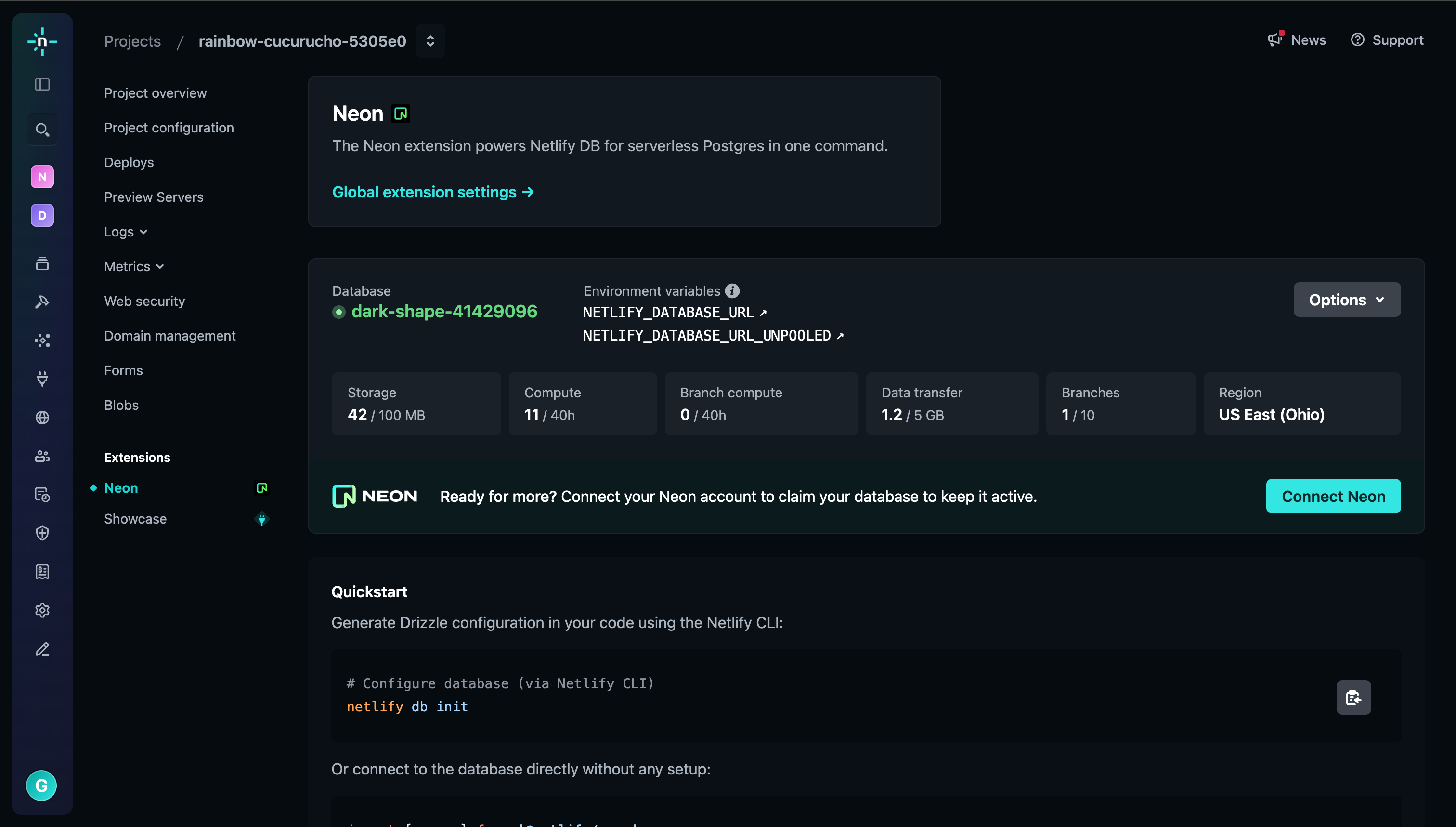
Netlify is a modern hosting platform designed specifically for static websites, Jamstack applications, and serverless functions. It’s a favorite among front-end developers and web designers for its simplicity, speed, and powerful features like continuous deployment, automatic HTTPS, and global CDN. Netlify integrates seamlessly with GitHub, GitLab, and Bitbucket, allowing developers to deploy their sites with every Git push. It also supports serverless functions, enabling developers to add dynamic functionality to their static sites without managing a backend server. Netlify’s free tier is generous, making it an excellent choice for personal projects, portfolios, and small business websites. For larger projects, Netlify offers advanced features like split testing, form handling, and identity management through its Pro and Enterprise plans.
- Continuous Deployment: Automatically deploy your site with every Git push, with support for branch deploys, preview builds, and rollbacks.
- Global CDN: Fast, secure, and reliable content delivery with a global network of edge nodes to ensure low latency for users worldwide.
- Serverless Functions: Run backend code without managing servers, using AWS Lambda under the hood for dynamic functionality like form submissions and APIs.
- Automatic HTTPS: Free SSL certificates for all sites, automatically provisioned and renewed with Let’s Encrypt.
- Form Handling: Built-in form handling that captures submissions, stores them, and sends notifications without requiring a backend server.
8. Vercel
Vercel is a cloud platform for static sites and serverless functions, designed to make front-end development faster and more efficient. Created by the team behind Next.js, Vercel is optimized for modern web frameworks like Next.js, React, Vue, and Svelte. It offers seamless Git integration, automatic deployments, and a global edge network for lightning-fast performance. Vercel’s serverless functions allow developers to add backend logic to their static sites without managing servers, making it ideal for Jamstack applications. The platform also includes features like preview deployments, automatic HTTPS, and analytics, making it a powerful tool for developers who want to build and deploy high-performance web applications quickly. Vercel’s free tier is generous, and its Pro plan offers advanced features for teams and businesses.
- Next.js Optimization: Built by the creators of Next.js, Vercel offers deep integration and optimization for Next.js applications, including automatic static optimization and server-side rendering.
- Edge Network: Global edge network that delivers content with low latency, ensuring fast load times for users worldwide.
- Serverless Functions: Run backend code at the edge, enabling dynamic functionality like API routes, authentication, and data fetching without managing servers.
- Preview Deployments: Automatically generate preview URLs for every Git push, allowing teams to review changes before merging to production.
- Automatic HTTPS: Free SSL certificates for all sites, automatically provisioned and renewed with Let’s Encrypt.
9. Render

Render is a modern cloud hosting platform that simplifies the process of deploying and scaling web applications, APIs, and databases. It’s designed to be developer-friendly, with a focus on ease of use, performance, and affordability. Render supports a wide range of technologies, including Node.js, Python, Ruby, Go, and Docker, making it a versatile choice for developers. It offers managed PostgreSQL databases, static site hosting, and serverless functions, all with automatic scaling and built-in CI/CD. Render’s pricing is transparent and competitive, with a generous free tier that includes static sites, web services, and databases. It’s an excellent choice for developers who want a simple, all-in-one hosting solution without the complexity of larger cloud providers.
- Managed PostgreSQL: Fully managed PostgreSQL databases with automated backups, scaling, and high availability, reducing the need for manual maintenance.
- Automatic Scaling: Scale your web services and databases automatically based on traffic, ensuring optimal performance without manual intervention.
- Built-in CI/CD: Continuous integration and deployment with GitHub and GitLab integration, allowing for seamless deployments with every code push.
- Serverless Functions: Run backend code without managing servers, with support for Node.js, Python, and Go, enabling dynamic functionality for static sites.
- Static Site Hosting: Fast, secure, and reliable hosting for static sites with automatic HTTPS, global CDN, and custom domains.
10. Fly.io

Fly.io is a unique cloud platform that allows developers to deploy and run applications close to their users, reducing latency and improving performance. It’s designed for developers who need global reach without the complexity of managing multiple data centers. Fly.io supports Docker containers, making it easy to deploy applications written in any language or framework. It offers features like automatic scaling, built-in load balancing, and a global network of edge locations. Fly.io is particularly well-suited for real-time applications, APIs, and microservices that require low latency and high availability. Its pricing is based on usage, making it cost-effective for small projects and scalable for larger applications. Fly.io also offers a generous free tier, making it an excellent choice for developers who want to experiment with global deployment.
- Global Edge Network: Deploy your application in multiple regions around the world, ensuring low latency and high performance for users globally.
- Docker Support: Run any Docker container on Fly.io, making it easy to deploy applications written in any language or framework.
- Automatic Scaling: Scale your application horizontally and vertically based on traffic, ensuring optimal performance without manual intervention.
- Built-in Load Balancing: Distribute traffic across multiple instances of your application, improving reliability and performance.
- PostgreSQL and Redis: Managed databases with automatic backups, scaling, and high availability, reducing the need for manual maintenance.
Frequently Asked Questions
What is the best hosting for web developers who are just starting out?
For beginners, platforms like Heroku, Netlify, and Render are excellent choices because they offer generous free tiers, simple deployment processes, and minimal setup. Heroku is great for full-stack applications, while Netlify and Vercel are ideal for static sites and Jamstack applications. These platforms allow new developers to focus on learning and building without worrying about complex infrastructure.
Which hosting provider offers the best performance for high-traffic applications?
For high-traffic applications, AWS, Google Cloud Platform, and DigitalOcean are top choices due to their scalability, global infrastructure, and high-performance computing options. AWS and GCP offer advanced services like auto-scaling, load balancing, and CDNs, while DigitalOcean provides high-performance Droplets and managed databases. Vultr and Linode are also strong contenders for performance-focused hosting, especially for developers who need dedicated resources.
Is managed hosting better than self-managed hosting for web developers?
It depends on your needs and expertise. Managed hosting (like Heroku, Render, or Netlify) is ideal for developers who want to focus on coding rather than infrastructure management. These platforms handle scaling, backups, and security, making them perfect for small teams or solo developers. Self-managed hosting (like DigitalOcean, Linode, or AWS) offers more control and flexibility but requires more technical knowledge to set up and maintain. If you’re comfortable with DevOps tasks, self-managed hosting can be more cost-effective and customizable.
What hosting provider is best for deploying Docker containers?
Fly.io, AWS ECS, Google Kubernetes Engine (GKE), and DigitalOcean Kubernetes are all excellent choices for deploying Docker containers. Fly.io is particularly user-friendly and designed for global deployment, while AWS ECS and GKE offer advanced features for large-scale applications. DigitalOcean Kubernetes is a great middle-ground option, providing a managed Kubernetes service with a simpler interface than AWS or GCP. For smaller projects, Render and Heroku also support Docker containers with minimal setup.
How do I choose the right hosting provider for my project?
Start by assessing your project’s requirements. Consider factors like budget, scalability needs, technical expertise, and the type of application you’re building. For static sites or Jamstack applications, Netlify or Vercel are great choices. For full-stack applications, Heroku or Render offer simplicity, while AWS or GCP provide more control and scalability. If you need global reach, Fly.io or Cloudflare Workers are excellent options. Always check the pricing structure, free tier offerings, and community support before making a decision.
Are there any hosting providers that offer free tiers for developers?
Yes, many hosting providers offer free tiers that are perfect for developers. Heroku provides a free tier for small applications, Netlify and Vercel offer free hosting for static sites and serverless functions, and Render has a free tier for static sites and web services. AWS and Google Cloud also offer free tiers with limited resources, which are great for learning and experimenting. Fly.io and DigitalOcean occasionally offer free credits for new users, making them cost-effective options for small projects.
What hosting provider is best for deploying a WordPress site?
For WordPress, managed hosting providers like WP Engine, Kinsta, or SiteGround are excellent choices because they offer optimized environments, automatic updates, and expert support. However, if you prefer more control, DigitalOcean, Linode, and Vultr offer one-click WordPress installations and scalable VPS options. For developers who want to deploy WordPress on a cloud platform, AWS Lightsail or Google Cloud’s Click-to-Deploy WordPress are also solid options. Each provider has its pros and cons, so consider your budget, technical skills, and scalability needs before choosing.

