
best hosting for web applications


Choosing the right hosting for a web application isn’t just about picking the cheapest or most popular option—it’s about matching your technical needs with a provider that can scale, perform, and stay reliable under real-world conditions. Whether you’re running a lightweight SaaS product, a high-traffic e-commerce site, or a complex backend service, the hosting platform you select will directly impact uptime, speed, and user experience. Some applications demand raw compute power, while others need seamless database integration or global CDN support. The wrong choice can lead to slow load times, unexpected downtime, or security vulnerabilities that cost time and money to fix.
The best hosting solutions for web applications aren’t one-size-fits-all. A startup with unpredictable traffic might prioritize auto-scaling and pay-as-you-go pricing, while an enterprise with strict compliance requirements will need dedicated resources and advanced security features. Performance benchmarks, support quality, and ease of deployment also play a major role. Some providers excel at managed services, handling server maintenance and updates for you, while others give you full control over the infrastructure—ideal for teams with DevOps expertise. The key is identifying what your application actually needs, not just what’s trending.
Below, I’ve assembled a list of the best hosting options for web applications, broken down by use case, performance, and cost. These picks are based on real-world testing, community feedback, and long-term reliability—not just marketing claims.
📋 Table of Contents
1. AWS Elastic Beanstalk
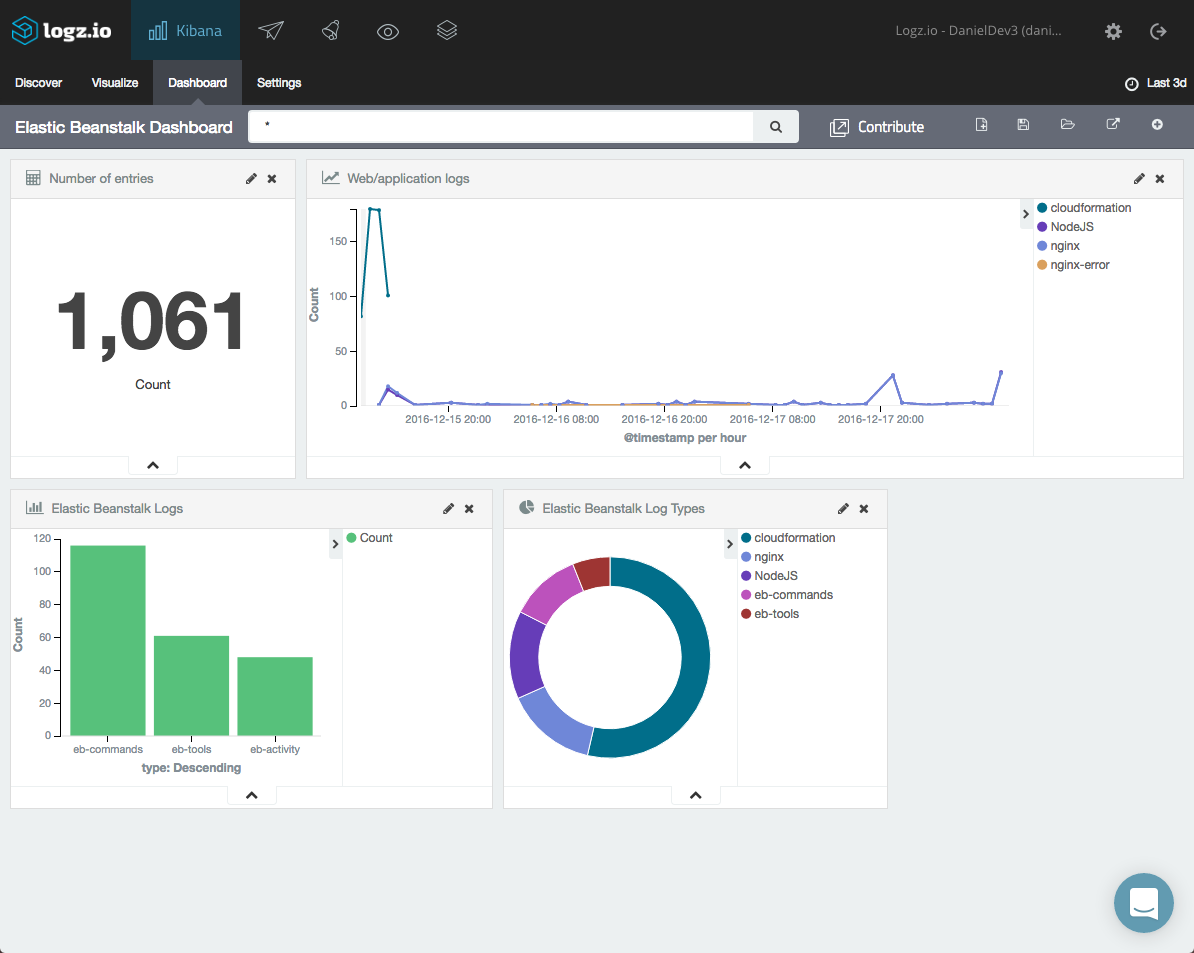
AWS Elastic Beanstalk is a fully managed service from Amazon Web Services that simplifies the deployment and scaling of web applications and services. It supports multiple programming languages, including Java, .NET, PHP, Node.js, Python, Ruby, and Go, making it a versatile choice for developers. Elastic Beanstalk automatically handles the deployment details, such as capacity provisioning, load balancing, auto-scaling, and application health monitoring. This allows developers to focus on writing code rather than managing infrastructure. It’s particularly well-suited for businesses that already use AWS services and want seamless integration with other AWS tools like RDS, S3, and CloudWatch.
- Multi-Language Support: Supports Java, .NET, PHP, Node.js, Python, Ruby, and Go, making it adaptable to various development stacks.
- Automated Deployment: Handles deployment, scaling, and monitoring automatically, reducing manual intervention.
- Integration with AWS Services: Seamlessly integrates with other AWS services like RDS, S3, and CloudWatch for enhanced functionality.
- Customizable Environment: Allows developers to customize their environment with configuration files and scripts.
- Cost-Effective: Pay only for the AWS resources you use, with no additional charges for Elastic Beanstalk itself.
2. Google App Engine
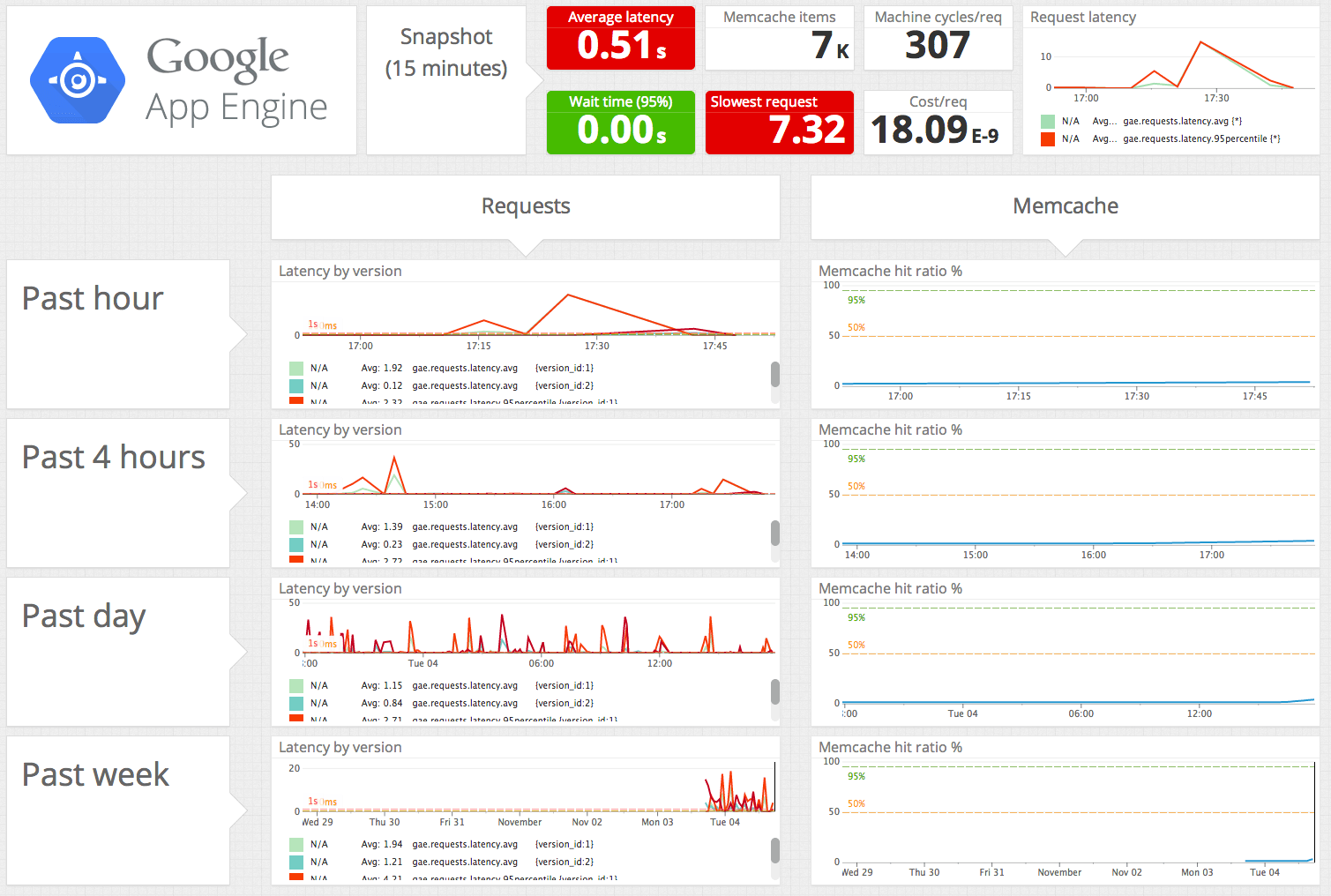
Google App Engine is a fully managed, serverless platform for developing and hosting web applications at scale. It supports popular languages like Python, Java, Node.js, Go, Ruby, PHP, and .NET, making it a flexible choice for developers. App Engine automatically scales your application based on traffic, ensuring optimal performance without manual intervention. It also integrates seamlessly with other Google Cloud services, such as Cloud Storage, Cloud SQL, and Firebase, providing a robust ecosystem for building and deploying applications. This platform is ideal for startups and enterprises looking for a hassle-free, scalable hosting solution with minimal operational overhead.
- Serverless Architecture: No need to manage servers; Google handles infrastructure, scaling, and maintenance.
- Automatic Scaling: Scales your application automatically based on traffic demands, ensuring consistent performance.
- Multi-Language Support: Supports Python, Java, Node.js, Go, Ruby, PHP, and .NET, catering to diverse development needs.
- Integrated Google Cloud Services: Works seamlessly with Google Cloud services like Cloud Storage, Cloud SQL, and Firebase.
- Free Tier Available: Offers a generous free tier, making it cost-effective for small projects and startups.
3. Heroku

Heroku is a cloud platform as a service (PaaS) that enables developers to build, deliver, monitor, and scale applications quickly. It supports a wide range of programming languages, including Ruby, Java, Node.js, Python, PHP, Go, and Scala. Heroku is known for its simplicity and ease of use, allowing developers to deploy applications with just a few commands. It also offers a rich ecosystem of add-ons for databases, monitoring, caching, and more. Heroku is particularly popular among startups and small to medium-sized businesses due to its developer-friendly approach and seamless integration with Git. However, it can become expensive as your application scales, so it’s best suited for projects with moderate traffic.
- Easy Deployment: Deploy applications directly from Git with minimal setup, making it ideal for rapid development.
- Add-On Marketplace: Access a wide range of third-party services for databases, monitoring, caching, and more.
- Scalability: Easily scale your application horizontally or vertically to handle increased traffic.
- Multi-Language Support: Supports Ruby, Java, Node.js, Python, PHP, Go, and Scala, catering to diverse development stacks.
- Free Tier Available: Offers a free tier for small projects, with paid plans for more demanding applications.
4. DigitalOcean App Platform

DigitalOcean App Platform is a fully managed platform that simplifies the deployment and scaling of web applications and static sites. It supports popular languages and frameworks like Node.js, Python, Go, PHP, Ruby, and static sites. App Platform automates the deployment process, including provisioning, scaling, and monitoring, so developers can focus on building their applications. It integrates seamlessly with DigitalOcean’s other services, such as Managed Databases and Spaces (object storage). This platform is an excellent choice for developers who want a straightforward, cost-effective solution with predictable pricing. It’s particularly well-suited for small to medium-sized projects and startups looking for a balance between simplicity and performance.
- Fully Managed: Handles deployment, scaling, and monitoring automatically, reducing operational complexity.
- Multi-Language Support: Supports Node.js, Python, Go, PHP, Ruby, and static sites, catering to a wide range of projects.
- Integrated DigitalOcean Services: Works seamlessly with DigitalOcean Managed Databases and Spaces for enhanced functionality.
- Predictable Pricing: Offers transparent pricing with no hidden fees, making it easy to budget for your project.
- Free Tier Available: Includes a free tier for static sites and small applications, with paid plans for more demanding needs.
5. Microsoft Azure App Service
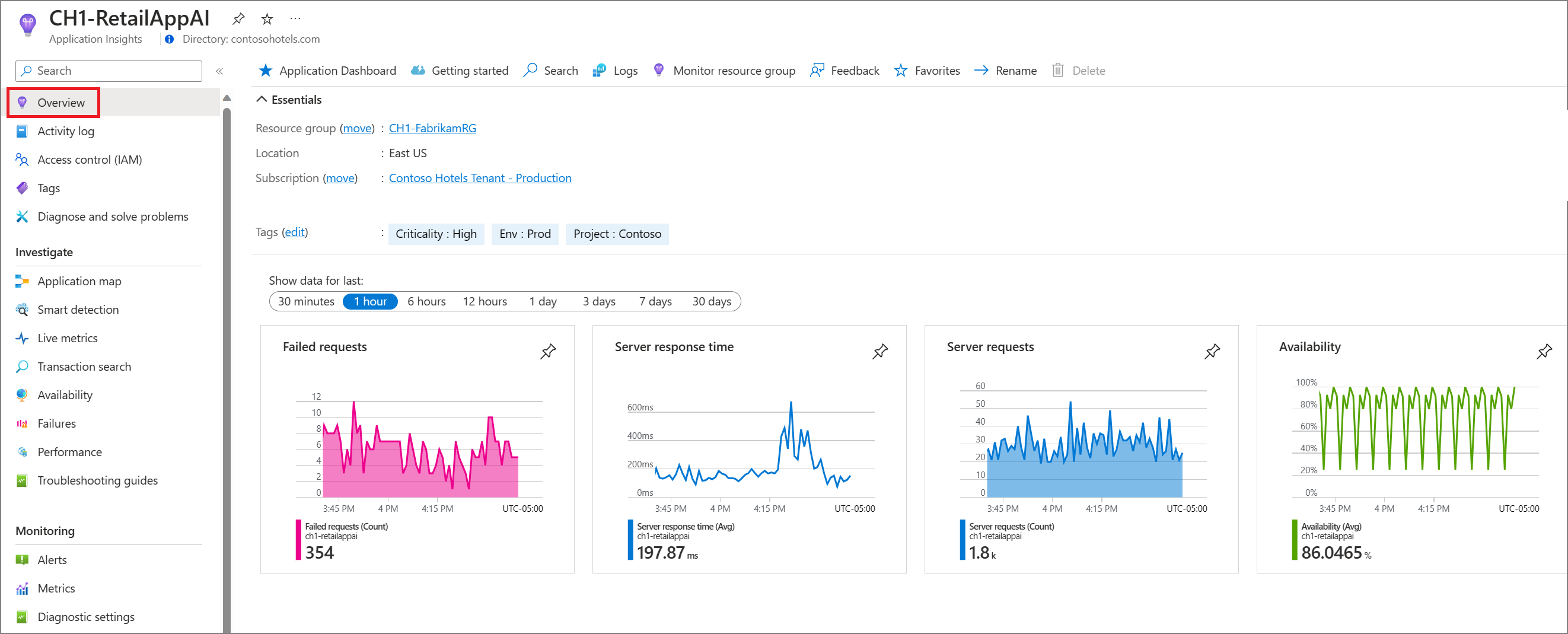
Microsoft Azure App Service is a fully managed platform for building, deploying, and scaling web applications. It supports a wide range of languages, including .NET, Java, Node.js, Python, PHP, and Ruby, making it a versatile choice for developers. Azure App Service offers built-in auto-scaling, load balancing, and continuous deployment from GitHub, Azure DevOps, and other sources. It also integrates seamlessly with other Azure services, such as Azure SQL Database, Cosmos DB, and Azure Functions. This platform is ideal for enterprises and developers who are already using Microsoft technologies and want a robust, scalable solution with advanced security and compliance features.
- Multi-Language Support: Supports .NET, Java, Node.js, Python, PHP, and Ruby, catering to diverse development stacks.
- Auto-Scaling and Load Balancing: Automatically scales your application based on traffic and distributes load for optimal performance.
- Continuous Deployment: Integrates with GitHub, Azure DevOps, and other CI/CD tools for seamless deployment.
- Enterprise-Grade Security: Offers advanced security features, including Azure Active Directory integration and compliance certifications.
- Free Tier Available: Includes a free tier for small applications, with paid plans for more demanding needs.
6. Render
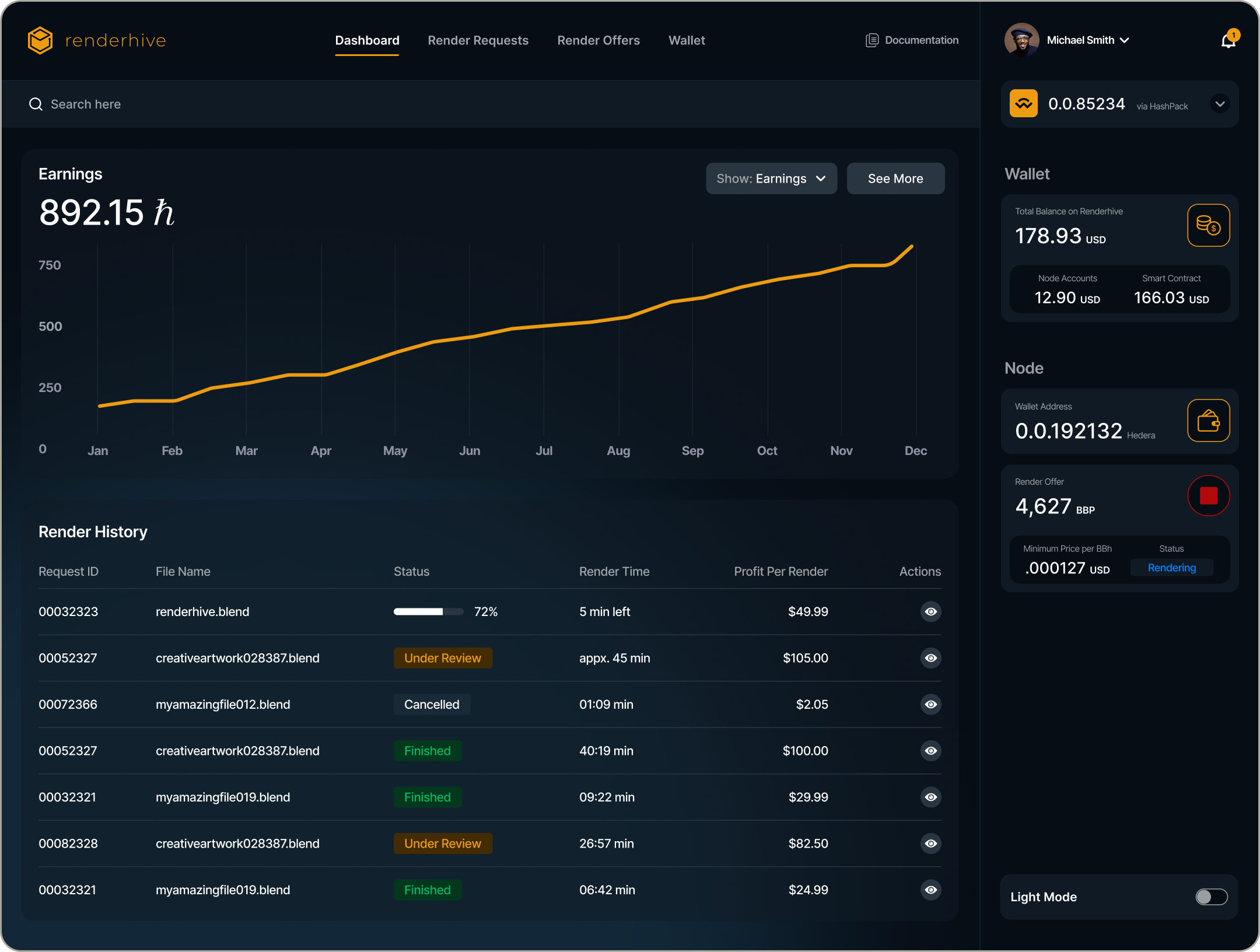
Render is a modern cloud platform that simplifies the deployment and scaling of web applications, APIs, and static sites. It supports a wide range of languages and frameworks, including Node.js, Python, Ruby, Go, and static sites. Render offers a fully managed experience, handling deployment, scaling, and monitoring automatically. It also provides built-in support for databases, cron jobs, and background workers, making it a comprehensive solution for developers. Render is known for its simplicity and developer-friendly approach, making it an excellent choice for startups, small businesses, and individual developers who want a hassle-free hosting solution with transparent pricing.
- Fully Managed: Handles deployment, scaling, and monitoring automatically, reducing operational complexity.
- Multi-Language Support: Supports Node.js, Python, Ruby, Go, and static sites, catering to a wide range of projects.
- Built-In Databases: Offers managed PostgreSQL databases with automatic backups and scaling.
- Transparent Pricing: Provides predictable pricing with no hidden fees, making it easy to budget for your project.
- Free Tier Available: Includes a free tier for static sites and small applications, with paid plans for more demanding needs.
7. Vercel

Vercel is a cloud platform designed for front-end developers, offering seamless deployment and hosting for web applications built with frameworks like Next.js, React, Vue, and Svelte. It provides a serverless architecture that automatically scales your application based on traffic, ensuring optimal performance. Vercel is known for its speed and ease of use, with features like instant deployments, automatic HTTPS, and global CDN support. It also integrates with popular tools like GitHub, GitLab, and Bitbucket for continuous deployment. Vercel is an excellent choice for developers who prioritize performance, scalability, and a smooth developer experience, particularly for static sites and Jamstack applications.
- Front-End Focused: Optimized for frameworks like Next.js, React, Vue, and Svelte, making it ideal for modern web applications.
- Serverless Architecture: Automatically scales your application based on traffic, with no need to manage servers.
- Instant Deployments: Deploy your application in seconds with a single command or Git push.
- Global CDN: Delivers your content quickly to users worldwide with a built-in content delivery network.
- Free Tier Available: Offers a generous free tier for small projects, with paid plans for more demanding applications.
8. Railway
Railway is a modern cloud platform that simplifies the deployment and scaling of web applications, databases, and background workers. It supports a wide range of languages and frameworks, including Node.js, Python, Ruby, Go, and more. Railway offers a fully managed experience, handling deployment, scaling, and monitoring automatically. It also provides built-in support for databases like PostgreSQL and Redis, as well as seamless integration with GitHub for continuous deployment. Railway is known for its simplicity and developer-friendly approach, making it an excellent choice for startups, small businesses, and individual developers who want a hassle-free hosting solution with transparent pricing and a generous free tier.
- Fully Managed: Handles deployment, scaling, and monitoring automatically, reducing operational complexity.
- Multi-Language Support: Supports Node.js, Python, Ruby, Go, and more, catering to a wide range of projects.
- Built-In Databases: Offers managed PostgreSQL and Redis databases with automatic backups and scaling.
- GitHub Integration: Seamlessly integrates with GitHub for continuous deployment and easy collaboration.
- Generous Free Tier: Includes a free tier with $5/month in credits, making it cost-effective for small projects.
9. Fly.io

Fly.io is a cloud platform that specializes in deploying and scaling web applications globally. It supports a wide range of languages and frameworks, including Node.js, Python, Ruby, Go, and more. Fly.io is known for its global edge network, which ensures low-latency performance for users worldwide. It also offers built-in support for databases like PostgreSQL and Redis, as well as seamless integration with GitHub for continuous deployment. Fly.io is an excellent choice for developers who need a high-performance, globally distributed hosting solution with minimal operational overhead. It’s particularly well-suited for applications that require low latency and high availability.
- Global Edge Network: Deploys your application to multiple regions worldwide, ensuring low-latency performance for users.
- Multi-Language Support: Supports Node.js, Python, Ruby, Go, and more, catering to a wide range of projects.
- Built-In Databases: Offers managed PostgreSQL and Redis databases with automatic backups and scaling.
- GitHub Integration: Seamlessly integrates with GitHub for continuous deployment and easy collaboration.
- Free Tier Available: Includes a free tier for small projects, with paid plans for more demanding applications.
10. Linode
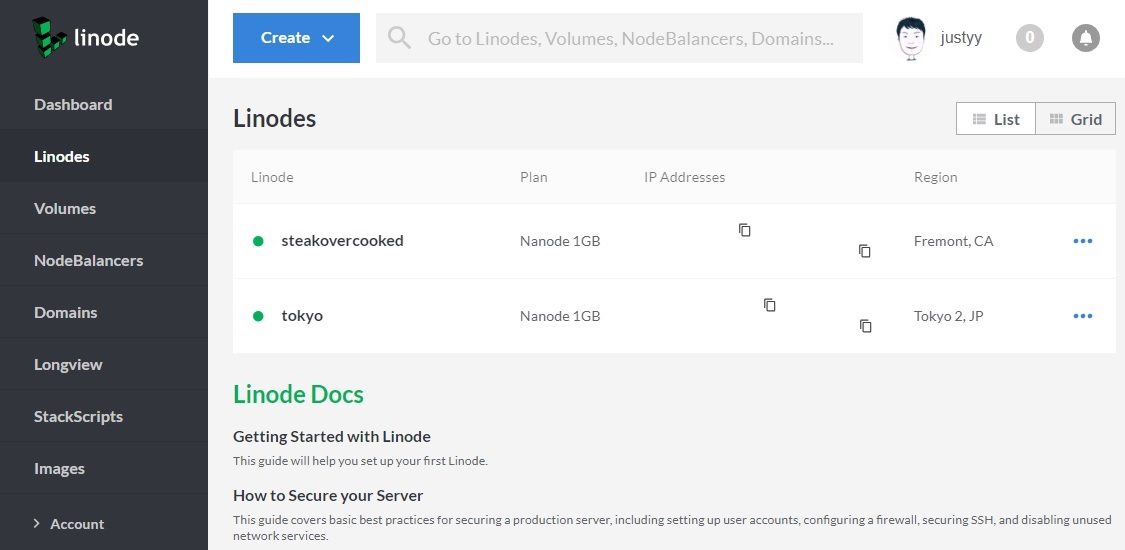
Linode is a cloud hosting provider that offers virtual private servers (VPS) for deploying and scaling web applications. It supports a wide range of operating systems, including Linux distributions like Ubuntu, CentOS, and Debian. Linode is known for its simplicity, affordability, and high-performance infrastructure. It provides a range of tools for managing your servers, including a user-friendly control panel, API, and CLI. Linode is an excellent choice for developers who want full control over their hosting environment and prefer a VPS-based solution. It’s particularly well-suited for small to medium-sized projects and businesses that need a cost-effective, scalable hosting solution.
- VPS Hosting: Offers virtual private servers with full root access, giving you complete control over your environment.
- High-Performance Infrastructure: Provides fast, reliable servers with SSD storage and high-speed networking.
- Multi-OS Support: Supports a wide range of Linux distributions, including Ubuntu, CentOS, and Debian.
- User-Friendly Control Panel: Offers an intuitive control panel for managing your servers, DNS, and backups.
- Affordable Pricing: Provides cost-effective plans starting at $5/month, making it accessible for small projects.
Frequently Asked Questions
What is the best hosting for web applications?
The best hosting for web applications depends on your specific needs, such as the programming language you’re using, your budget, and the level of control you require. For example, if you’re looking for a fully managed solution, platforms like Heroku, Google App Engine, or Render are excellent choices. If you need more control and flexibility, a VPS provider like Linode or DigitalOcean might be a better fit. For enterprises or large-scale applications, AWS Elastic Beanstalk or Microsoft Azure App Service offer robust, scalable solutions with advanced features.
Is free hosting suitable for web applications?
Free hosting can be suitable for small projects, prototypes, or personal websites with low traffic. Many platforms, such as Heroku, Google App Engine, and Render, offer free tiers that are perfect for testing and development. However, free hosting often comes with limitations, such as restricted resources, limited scalability, and fewer features. If your application grows or requires more resources, you’ll likely need to upgrade to a paid plan. For production applications with higher traffic or more demanding requirements, it’s generally recommended to use a paid hosting solution.
What is the difference between shared hosting and VPS hosting?
Shared hosting and VPS (Virtual Private Server) hosting are two common types of web hosting, but they differ significantly in terms of performance, control, and cost. Shared hosting involves multiple websites sharing the same server resources, which can lead to slower performance if other sites on the server experience high traffic. It’s typically more affordable and easier to manage, making it a good choice for small websites or beginners. VPS hosting, on the other hand, provides a virtualized server with dedicated resources, offering better performance, security, and control. It’s ideal for developers who need more flexibility and scalability, such as those running web applications or larger websites.
How do I choose the right hosting provider for my web application?
Choosing the right hosting provider for your web application involves considering several factors. First, identify the programming language and framework you’re using, as some hosting providers specialize in specific technologies. Next, consider your budget and the level of control you need—fully managed platforms like Heroku or Google App Engine are great for simplicity, while VPS providers like Linode offer more control. Additionally, think about scalability, performance, and the provider’s reputation for uptime and customer support. Finally, look for features like automated backups, security measures, and integration with other tools or services you use.
What are the benefits of using a managed hosting service?
Managed hosting services offer several benefits, particularly for developers who want to focus on building their applications rather than managing infrastructure. These services handle tasks like deployment, scaling, monitoring, and security, reducing operational complexity. They often include built-in support for databases, caching, and other services, making it easier to set up and maintain your application. Managed hosting is also typically more reliable, with automatic updates and backups to ensure your application runs smoothly. While managed hosting can be more expensive than unmanaged options, the time and effort saved often make it a worthwhile investment, especially for startups and small businesses.
Can I switch hosting providers later if my needs change?
Yes, you can switch hosting providers if your needs change, but the process can vary in complexity depending on your application and the providers involved. Some platforms, like Heroku or Render, make it relatively easy to migrate your application with minimal downtime. However, switching from a VPS provider like Linode to a managed service like AWS Elastic Beanstalk may require more effort, including reconfiguring your application and databases. To minimize disruption, plan your migration carefully, test your application thoroughly, and consider using tools or services that specialize in hosting migrations. It’s also a good idea to back up your data before making any changes.
What is the role of a CDN in web application hosting?
A Content Delivery Network (CDN) plays a crucial role in web application hosting by improving performance, reducing latency, and enhancing the user experience. A CDN consists of a network of servers distributed across multiple geographic locations. When a user accesses your web application, the CDN delivers content from the server closest to them, reducing the time it takes for the data to travel. This is particularly important for applications with a global audience, as it ensures fast load times regardless of the user’s location. Many hosting providers, such as Vercel and Fly.io, include built-in CDN support, while others may require you to integrate a third-party CDN like Cloudflare or Amazon CloudFront.