
best domain and web hosting


Choosing the right domain name and web hosting is the foundation of a reliable online presence. A domain name acts as your digital address—simple, memorable, and easy to spell ensures visitors can find you without confusion. It should reflect your business or personal brand clearly, avoiding overly complex or generic terms that dilute recognition. Beyond the name, the hosting service determines how smoothly your site performs, how secure it stays, and how efficiently it scales as your needs grow. Skipping these steps early can lead to frustration later, whether it’s slow load times, downtime, or difficulties updating content.
The hosting environment also affects user experience. A fast, well-supported host ensures pages load quickly, which keeps visitors engaged and reduces bounce rates. Security features like SSL certificates, regular backups, and DDoS protection are non-negotiable for protecting both your data and customer trust. Additionally, consider the hosting provider’s support—24/7 assistance can be critical if issues arise unexpectedly. A mismatch between your technical expertise and the hosting’s complexity can also create unnecessary challenges. Investing time upfront in selecting the right combination of domain and hosting avoids costly fixes later.
Below is a list of the best options for domain and web hosting.
📋 Table of Contents
- 1. Choosing the Right Domain Name
- 2. Shared Hosting for Beginners
- 3. VPS Hosting for Scalability
- 4. Managed WordPress Hosting
- 5. Cloud Hosting for Flexibility
- 6. Dedicated Server Hosting
- 7. Green Hosting for Sustainability
- 8. Local Hosting for Small Businesses
- 9. Email Hosting for Professional Communication
1. Choosing the Right Domain Name
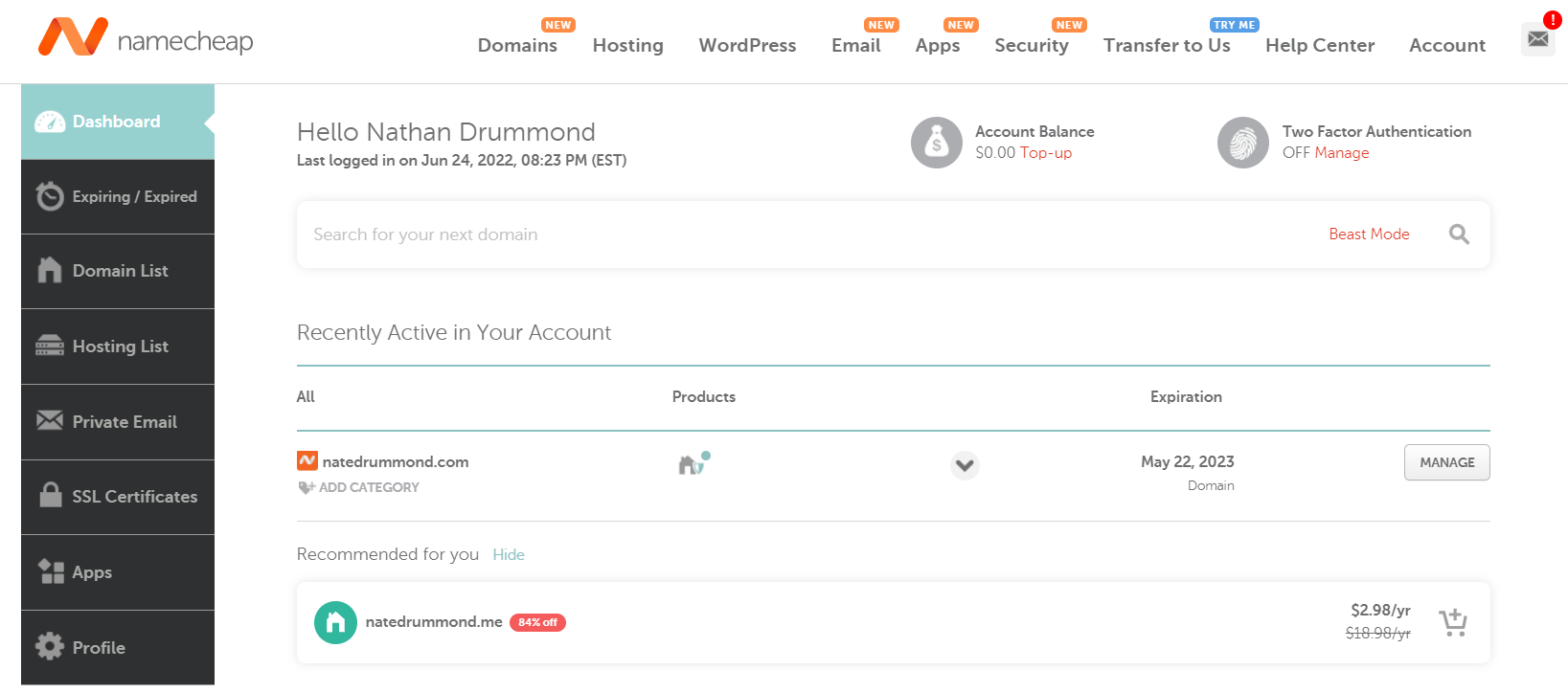
Your domain name is the digital address where your website lives online. It’s often the first thing visitors notice, so picking one that’s memorable, easy to spell, and relevant to your brand is crucial. A short, brandable name with a .com extension tends to perform best, as it’s the most recognizable and trusted domain type. Avoid numbers or hyphens unless they’re part of a well-known brand, as they can complicate memorability. Consider what your domain name says about your business—whether it’s a product, service, or personal brand—and ensure it aligns with your long-term goals. Once you’ve settled on a name, check its availability through registrars like Namecheap or GoDaddy to avoid conflicts.
- Brandability: Short, memorable names with .com extensions are easier to recall and brand.
- Availability: Easy to check and register through trusted registrars.
- Relevance: Ensures alignment with your business or personal identity.
- SEO Benefits: A relevant domain can improve search rankings by signaling topic authority.
2. Shared Hosting for Beginners
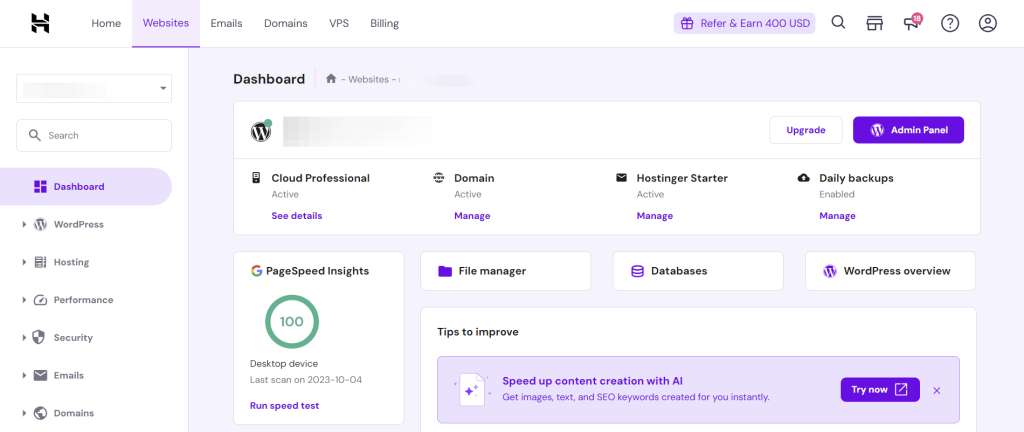
Shared hosting is the most affordable way to host a website, ideal for small businesses, blogs, or personal sites with low traffic. It involves multiple websites sharing a single server, which keeps costs low but may limit performance and customization. Shared hosting is perfect for beginners who need a simple, cost-effective solution without the complexity of managed hosting. Popular providers like Hostinger and Bluehost offer user-friendly interfaces and 24/7 support, making it easy to get started. Just be aware that shared hosting can slow down during peak traffic times, so it’s best for sites with moderate visitors.
- Affordable: Low-cost plans starting at $2.99/month.
- Easy Setup: User-friendly control panels and one-click installs.
- Basic Support: 24/7 customer support for troubleshooting.
- Limited Resources: Shared server resources may impact speed during traffic spikes.
3. VPS Hosting for Scalability
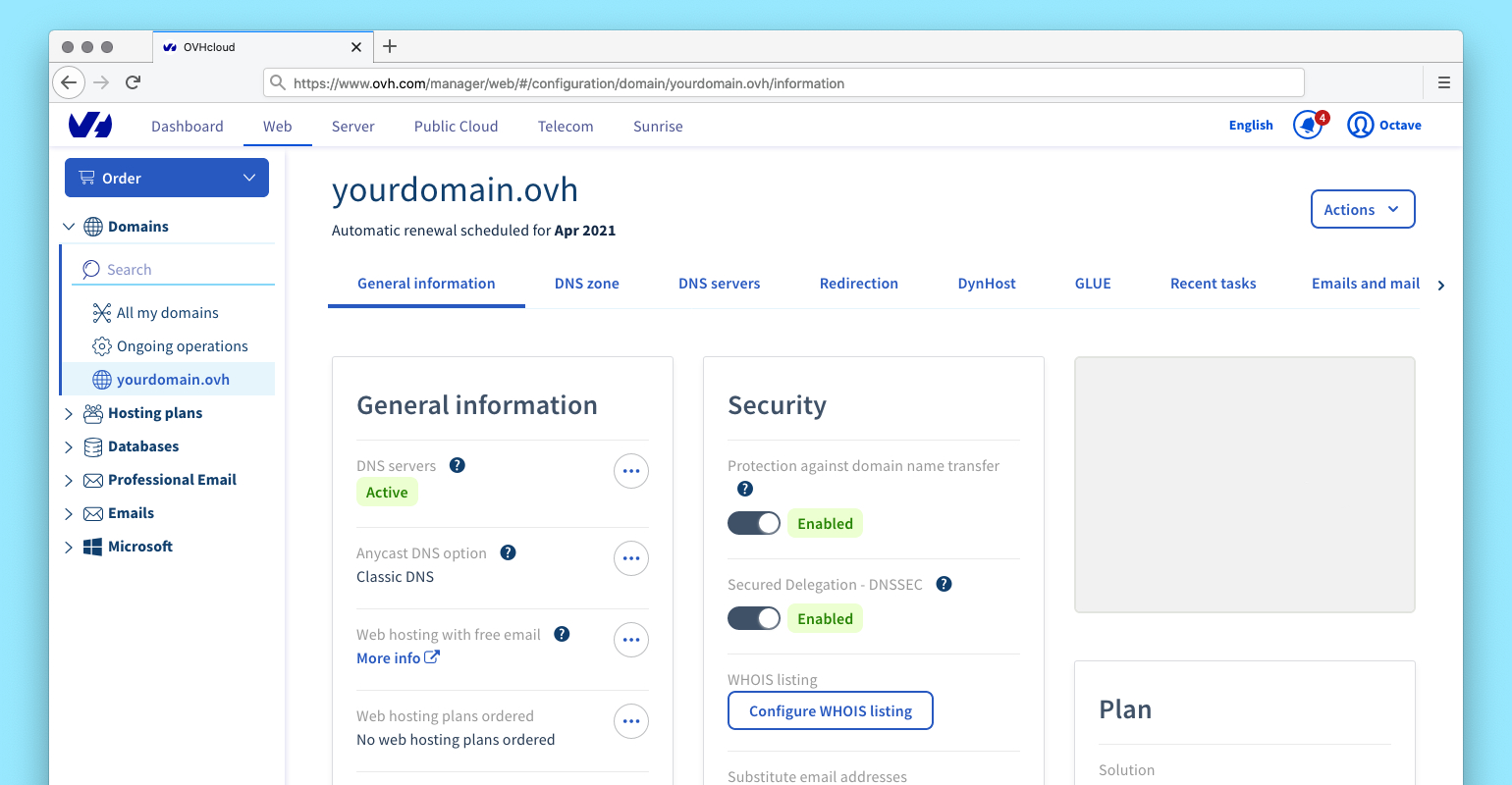
A Virtual Private Server (VPS) hosting plan offers a middle ground between shared and dedicated hosting. You get your own dedicated section of a server, giving you more control, performance, and scalability than shared hosting. VPS hosting is ideal for growing websites, e-commerce stores, or applications requiring consistent uptime and customization. Providers like OVH and DigitalOcean provide flexible pricing and easy management tools, making it accessible for developers and businesses. The trade-off is slightly higher costs than shared hosting, but the performance and reliability make it worth the investment for serious users.
- Dedicated Resources: Isolated server space for better performance.
- Scalability: Easily upgrade resources as your traffic grows.
- Root Access: Full control over server configurations.
- Reliability: Lower downtime compared to shared hosting.
4. Managed WordPress Hosting

Managed WordPress hosting is designed specifically for WordPress sites, offering optimized performance, automatic updates, and expert support. This type of hosting is ideal for bloggers, business websites, or any site relying on WordPress for its CMS. Providers like WP Engine and Kinsta handle server maintenance, security patches, and backups, allowing you to focus on content and user experience. While it’s more expensive than shared hosting, the convenience and reliability make it a top choice for professional WordPress users who prioritize speed and uptime.
- WordPress Optimized: Tailored server configurations for WordPress.
- Automatic Updates: Security and plugin updates handled automatically.
- Dedicated Support: Priority customer support for WordPress issues.
- High Performance: Faster load times and better uptime.
5. Cloud Hosting for Flexibility

Cloud hosting leverages virtualized resources from a network of remote servers, offering unmatched flexibility and scalability. Unlike traditional hosting, cloud plans allow you to pay only for the resources you use, making them ideal for unpredictable traffic or businesses with seasonal spikes. Services like AWS EC2, Google Cloud, and Azure provide global infrastructure, ensuring your site remains accessible worldwide. Cloud hosting is best for tech-savvy users who need advanced control over their servers or can handle the complexity of managing multiple servers.
- Scalability: Adjust resources on demand without downtime.
- Global Reach: Deploy servers in multiple data centers worldwide.
- Pay-as-You-Go: Cost-effective for variable workloads.
- Advanced Features: Access to APIs, automation tools, and custom solutions.
6. Dedicated Server Hosting
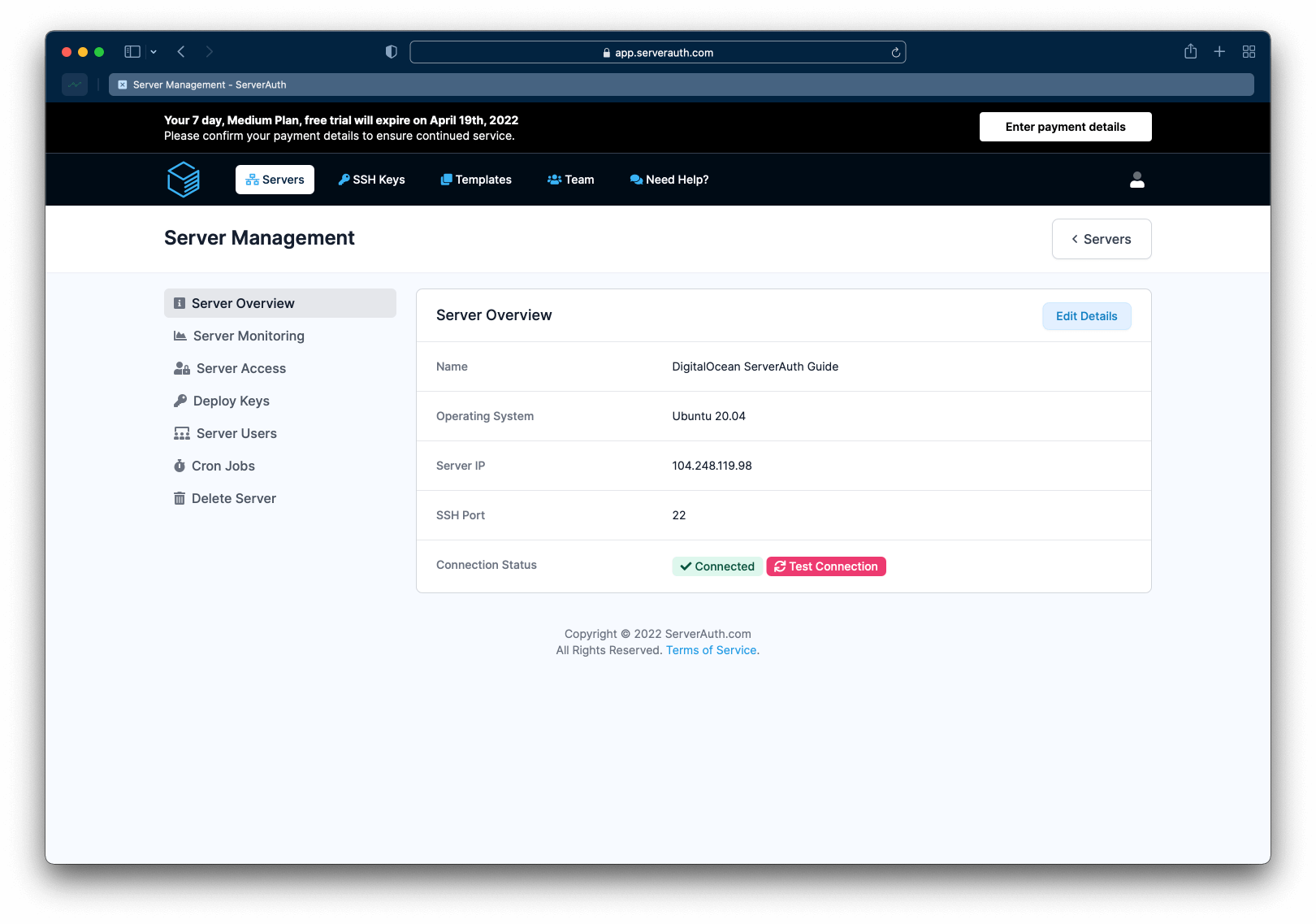
A dedicated server provides an entire physical server dedicated solely to your website, offering the highest level of performance, security, and control. This option is ideal for large enterprises, high-traffic websites, or businesses requiring custom software installations. While it’s the most expensive hosting type, dedicated servers ensure no shared resources, leading to consistent speed and reliability. Providers like DigitalOcean and Linode offer straightforward management tools, making it accessible for advanced users who need full server control.
- Full Server Access: Unlimited resources and complete control.
- High Performance: No shared resources for peak reliability.
- Security: Isolated environment with advanced security measures.
- Customization: Install any software or OS configuration.
7. Green Hosting for Sustainability

Green hosting focuses on sustainability by using renewable energy sources to power servers, reducing carbon footprints. This eco-friendly option appeals to environmentally conscious businesses and individuals who want to align their online presence with their values. Providers like GreenGeeks and EcoHosting offer transparent energy usage reports and carbon-neutral hosting plans. While green hosting may come at a slight premium, it’s a meaningful choice for those prioritizing sustainability without sacrificing performance. It’s best for conscious brands or users who want to demonstrate their commitment to green practices.
- Renewable Energy: Servers powered by wind, solar, or other clean energy.
- Carbon-Neutral: Offsets emissions through verified programs.
- Transparency: Public reporting on energy usage and impact.
- Performance: Uses efficient hardware for optimal speed.
8. Local Hosting for Small Businesses
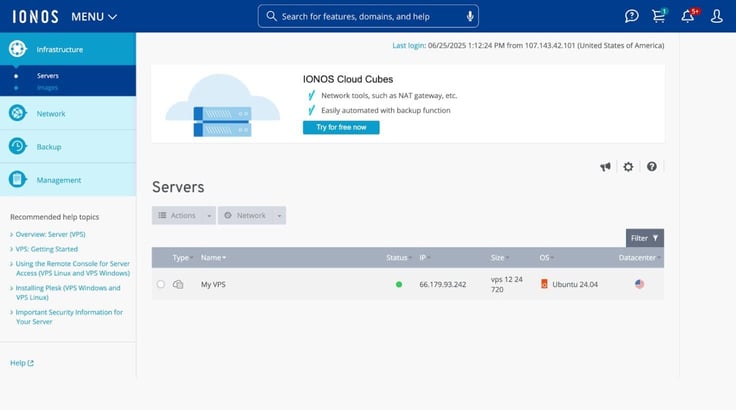
Local hosting involves running your website on your own server or a private network, offering full control and security. This option is ideal for small businesses or individuals who need to comply with strict data privacy laws or host sensitive information. Local hosting requires technical expertise to set up and maintain, but it eliminates reliance on third-party providers. Providers like Ionos offer local hosting solutions with managed services, making it accessible for businesses that prioritize data sovereignty and control. It’s best for businesses with limited online presence or those handling regulated data.
- Full Control: Complete ownership and management of your server.
- Data Privacy: Compliance with local laws and regulations.
- Security: No third-party access to your data.
- Performance: Optimized for local network speeds.
9. Email Hosting for Professional Communication

Professional email hosting ensures reliable, secure, and branded email services for your business. Unlike free email providers, dedicated email hosting offers custom domains, advanced spam protection, and integration with other business tools. Services like Google Workspace and Microsoft 365 provide scalable solutions for teams, ensuring smooth communication and collaboration. Email hosting is essential for businesses that rely on professional correspondence, customer support, or team coordination. It’s best for companies of all sizes that need a polished, secure email presence.
- Branded Email: Custom domain emails like [email protected].
- Security: Advanced spam filters and encryption.
- Scalability: Easily adjust storage and user limits.
- Integration: Works with CRM, calendars, and productivity tools.
Frequently Asked Questions
How do I choose the right domain name for my website?
Start by brainstorming names that reflect your brand or business. Use a .com extension if possible, as it’s the most recognizable. Check domain availability through registrars like Namecheap or GoDaddy. Avoid numbers or hyphens unless they’re part of a well-known brand. Consider what your domain name says about your business and ensure it’s easy to spell and remember.
What’s the difference between shared and VPS hosting?
Shared hosting shares server resources among multiple websites, making it cost-effective but less performant. VPS hosting provides a dedicated section of a server, offering better performance, control, and scalability. Shared hosting is ideal for beginners or low-traffic sites, while VPS is better for growing websites needing more resources.
Can I switch hosting providers without losing my website?
Yes, you can migrate your website to a new hosting provider with minimal downtime. Most providers offer migration services, and tools like cPanel make the process easier. Backup your site before migrating, and test the new setup in a staging environment to ensure everything works correctly.
What factors should I consider when selecting a hosting plan?
Consider your website’s traffic, technical needs, budget, and support requirements. Shared hosting is best for beginners, while VPS, cloud, or dedicated hosting suits higher traffic or advanced users. Also, look for providers with good uptime guarantees, security features, and easy management tools.
Is managed WordPress hosting worth the extra cost?
Yes, if you’re running a WordPress site, managed hosting can significantly improve performance, security, and support. It automates updates, optimizes your site for speed, and provides expert assistance. While it’s more expensive than shared hosting, the convenience and reliability often justify the cost for professional users.
How can I ensure my website is secure with hosting?
Choose a hosting provider with strong security features like SSL certificates, regular backups, and DDoS protection. Keep your software and plugins updated, use strong passwords, and consider hiring a security expert if your site handles sensitive data. Regularly monitor your site for vulnerabilities and invest in security plugins if needed.
What’s the best hosting for e-commerce sites?
E-commerce sites benefit from hosting that offers high uptime, secure payment processing, and scalability. Managed WordPress hosting, VPS, or cloud hosting are excellent choices. Look for providers with integrated security features, easy setup for shopping carts, and support for SSL certificates to protect customer data.