
best cloud hosting providers


Choosing the right cloud hosting provider can make a big difference in how smoothly your website or application runs. The market is crowded with options, each with its own strengths depending on what you need—whether it’s scalability, security, performance, or cost. Not every provider is built the same, and some excel in specific areas like managed services, load balancing, or compliance for sensitive data. The right choice depends on your technical needs, budget, and long-term goals. For businesses that expect growth, the right hosting can prevent downtime and speed up load times, which directly impacts user experience and conversions.
Cloud hosting has evolved beyond simple file storage; it’s now a critical infrastructure component for everything from small blogs to enterprise-level applications. The difference between a basic shared plan and a high-performance dedicated setup can be stark, especially if you’re handling large volumes of traffic or running resource-intensive services. Some providers offer automatic scaling, which can handle spikes in demand without manual intervention, while others focus on reliability and uptime guarantees. If security is a priority—whether for customer data or compliance with regulations—you’ll want a provider with robust encryption, DDoS protection, and regular security audits. The decision isn’t just about price; it’s about balancing performance, support, and long-term flexibility.
Below, I’ve assembled a list below of the best options for cloud hosting providers.
📋 Table of Contents
1. AWS (Amazon Web Services)

AWS is the gold standard for cloud hosting, offering an expansive suite of services that cater to businesses of all sizes. From startups to enterprises, AWS provides the scalability and reliability needed to handle everything from small applications to massive data centers. Its global infrastructure ensures low latency and high availability, making it ideal for developers and companies that require robust, flexible cloud solutions. AWS’s extensive ecosystem includes managed databases, AI/ML tools, and DevOps services, which streamline workflows and reduce operational overhead.
- Global Infrastructure: AWS boasts over 100 data centers across 33 regions, ensuring low-latency access and high availability for users worldwide.
- Scalability: AWS allows seamless scaling of resources up or down based on demand, making it perfect for businesses experiencing fluctuating traffic.
- Managed Services: AWS offers fully managed services like Amazon RDS for databases, SageMaker for AI/ML, and Elastic Beanstalk for application hosting.
- Security and Compliance: AWS provides advanced security features, including IAM for fine-grained access control, encryption at rest and in transit, and compliance certifications for industries like healthcare and finance.
- Cost-Effective Pricing: AWS offers pay-as-you-go pricing, allowing users to pay only for the resources they consume, with various pricing models like Spot Instances for cost savings.
2. Microsoft Azure

Microsoft Azure is a leading cloud platform that integrates seamlessly with Microsoft’s ecosystem, including Windows, Office 365, and Microsoft 365. It’s particularly favored by enterprises already using Microsoft products, offering a unified cloud experience. Azure’s strengths lie in its hybrid cloud capabilities, AI/ML tools, and enterprise-grade security features. It’s also known for its strong support for Linux environments and open-source technologies, making it versatile for developers and businesses of all technical backgrounds.
- Hybrid Cloud Solutions: Azure Hybrid Benefit allows seamless integration between on-premises Windows Server and Azure, enabling flexible cloud deployment.
- AI and Machine Learning: Azure AI services include Azure Cognitive Services, Azure Machine Learning, and Azure Bot Service, ideal for building intelligent applications.
- Enterprise-Grade Security: Azure offers advanced security features like Azure Active Directory, Azure Security Center, and compliance certifications for industries like healthcare and government.
- Global Reach: Azure operates in over 60 regions worldwide, ensuring low-latency access and high reliability for global users.
- Developer-Friendly Tools: Azure provides powerful development tools like Azure DevOps, Azure Kubernetes Service (AKS), and Azure Functions for building and deploying applications efficiently.
3. Google Cloud Platform (GCP)
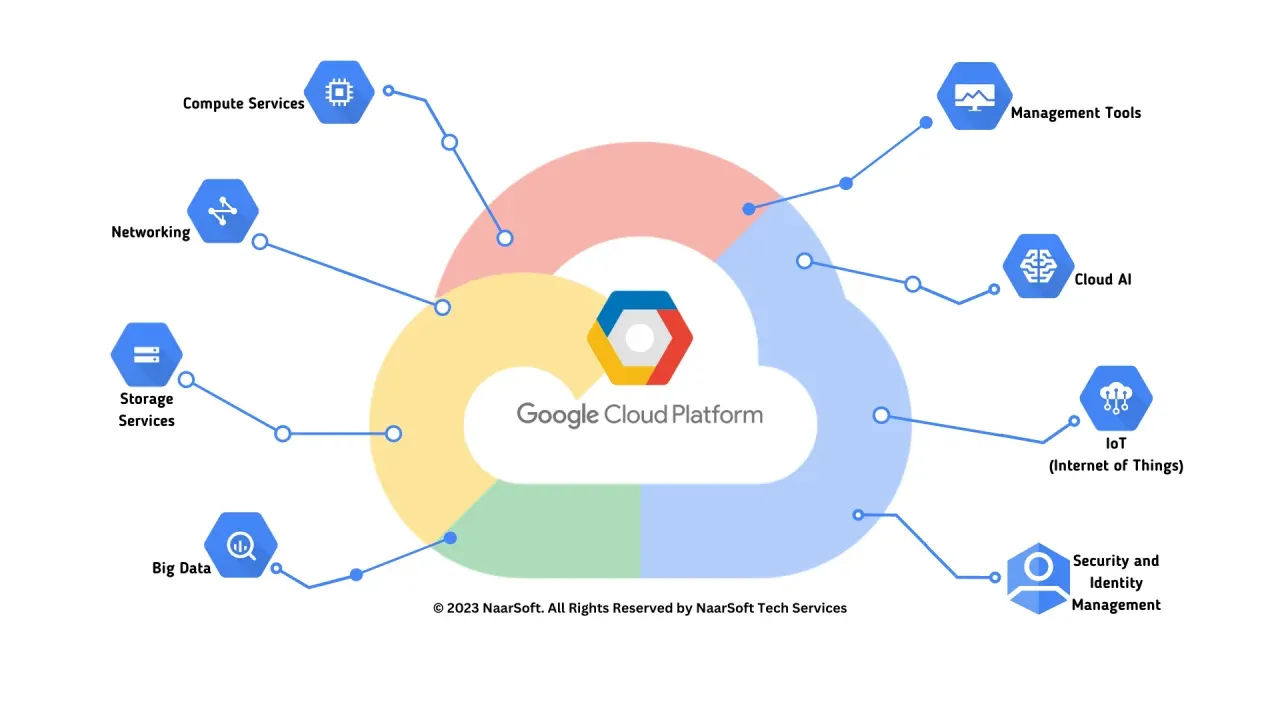
Google Cloud Platform (GCP) is renowned for its cutting-edge AI and machine learning capabilities, making it a top choice for data-driven businesses. GCP’s infrastructure is built on Google’s global network, ensuring fast and reliable performance. It’s particularly well-suited for startups and companies focused on AI, big data, and analytics. GCP’s cost-effective pricing and strong focus on sustainability also make it an attractive option for environmentally conscious businesses.
- AI and Machine Learning: GCP offers advanced AI/ML tools like Vertex AI, AutoML, and TensorFlow, enabling businesses to develop and deploy AI models quickly.
- Big Data Solutions: GCP provides powerful big data services such as BigQuery for analytics, Dataflow for stream processing, and Dataproc for managed Spark and Hadoop.
- Global Network: GCP’s infrastructure spans over 30 regions and 100+ data centers, ensuring low-latency access and high availability for global users.
- Cost Efficiency: GCP offers competitive pricing with features like committed use discounts and sustained-use bonuses to reduce costs.
- Sustainability Focus: GCP is committed to sustainability, offering tools and services to help businesses reduce their carbon footprint and improve energy efficiency.
4. DigitalOcean
DigitalOcean is a popular choice for developers and small to medium-sized businesses looking for straightforward, affordable cloud hosting. Known for its user-friendly interface and simple pricing, DigitalOcean offers a range of services, including droplet-based virtual private servers (VPS), object storage, and managed databases. Its focus on simplicity and reliability makes it ideal for those new to cloud hosting or looking for a cost-effective solution without complex management.
- Simple and Affordable: DigitalOcean provides budget-friendly pricing with plans starting as low as $4 per month for basic droplet services.
- User-Friendly Interface: The platform’s intuitive dashboard makes it easy for beginners to create, manage, and scale their cloud resources.
- Managed Services: DigitalOcean offers managed database services like Droplets with MySQL/PostgreSQL pre-installed, simplifying database management.
- Global Network: DigitalOcean operates in multiple regions, ensuring low-latency access and high reliability for users worldwide.
- Scalability Options: Users can easily scale their resources by adding more droplets, increasing storage, or upgrading to dedicated servers.
5. Vercel

Vercel is a modern cloud platform specialized in hosting and deploying web applications, particularly those built with JavaScript, React, and Node.js. It’s a favorite among developers for its fast performance, global network, and seamless integration with popular frontend frameworks. Vercel is also known for its edge network, which ensures ultra-low latency for global users, making it ideal for high-performance applications and real-time features like live updates.
- Edge Network: Vercel’s edge network delivers content with minimal latency, improving user experience for global audiences.
- Serverless Functions: Vercel offers serverless functions that allow developers to run code without managing servers, reducing operational overhead.
- Fast Deployment: Vercel provides instant deployments with features like automatic environment variables and Git integration.
- Global Hosting: Vercel hosts applications in multiple regions, ensuring fast load times and high availability.
- Integration with Frontend Frameworks: Vercel seamlessly integrates with popular frameworks like Next.js, React, and Vue.js, making it a top choice for frontend developers.
6. Hetzner Cloud
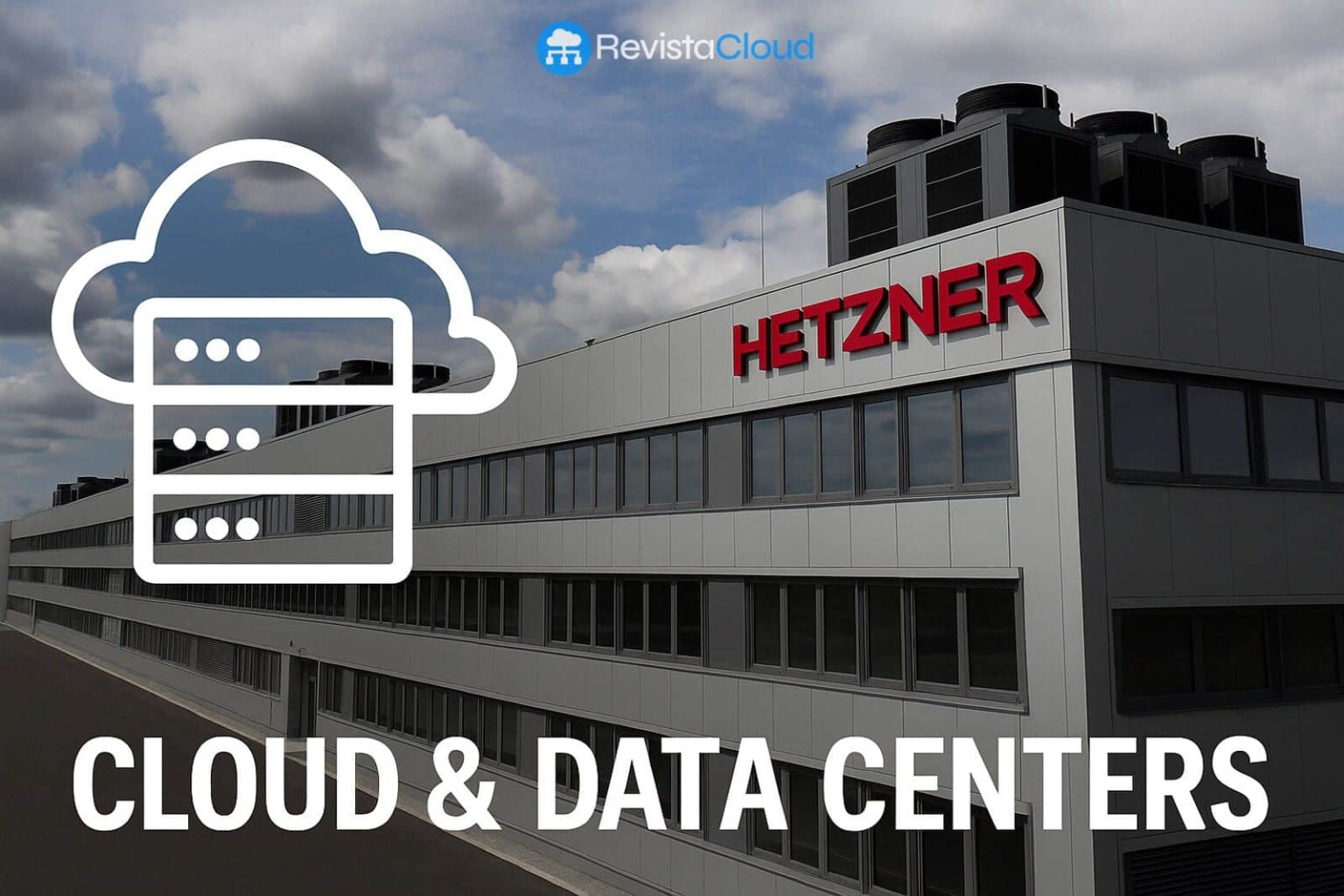
Hetzner Cloud is a European-based cloud provider known for its competitive pricing, reliability, and strong focus on privacy and security. It offers a range of cloud services, including virtual private servers (VPS), dedicated servers, and object storage. Hetzner Cloud is particularly popular among European businesses and developers who prioritize data sovereignty and low costs. Its straightforward pricing and excellent customer support make it a solid choice for those seeking a cost-effective and secure cloud solution.
- Low-Cost Pricing: Hetzner Cloud offers some of the lowest prices in the cloud hosting market, with plans starting at just $4.99/month for basic VPS services.
- European Data Centers: Hetzner Cloud operates data centers in Germany and Sweden, ensuring compliance with European data protection laws and low-latency access for European users.
- Reliable Performance: Hetzner Cloud is known for its high uptime and reliable performance, making it ideal for mission-critical applications.
- Managed Services: Hetzner Cloud provides managed database services like MySQL and PostgreSQL, simplifying database management for users.
- Dedicated Support: Hetzner Cloud offers dedicated customer support, including 24/7 phone support for enterprise plans.
7. InfinityFree

InfinityFree is a free cloud hosting provider designed for individuals and small businesses with limited budgets. It offers a range of services, including shared hosting, VPS hosting, and a free domain name. While it may not be as powerful as enterprise-grade cloud providers, InfinityFree is a great option for those who need a budget-friendly way to host websites and applications without incurring significant costs. Its simplicity and affordability make it accessible to beginners and hobbyists.
- Free Hosting: InfinityFree provides free hosting with no hidden costs, making it ideal for students, bloggers, and small businesses on a tight budget.
- Shared and VPS Hosting: The platform offers shared hosting for beginners and VPS hosting for those needing more control and resources.
- Free Domain Name: InfinityFree includes a free domain name with all hosting plans, allowing users to customize their websites easily.
- Easy Management: The user-friendly dashboard simplifies the management of websites, databases, and other hosting features.
- Basic Security Features: InfinityFree includes essential security measures like SSL certificates and basic firewall protection for free.
8. Liquid Web
Liquid Web is a premium cloud hosting provider known for its high performance, reliability, and excellent customer support. It offers a range of services, including managed WordPress hosting, dedicated servers, and cloud hosting solutions. Liquid Web is ideal for businesses and individuals who require top-tier performance, security, and dedicated support. Its focus on customer satisfaction and technical expertise makes it a trusted choice for serious web hosts.
- Managed WordPress Hosting: Liquid Web provides fully managed WordPress hosting with automatic updates, backups, and security patches.
- High Performance: Liquid Web uses enterprise-grade hardware and optimizes servers for maximum speed and reliability.
- Dedicated Support: Liquid Web offers 24/7 customer support with dedicated account managers for enterprise plans.
- Global Network: Liquid Web operates data centers in multiple regions, ensuring low-latency access and high availability.
- Security and Compliance: Liquid Web provides advanced security features, including DDoS protection, regular security audits, and compliance certifications.
9. Hostinger
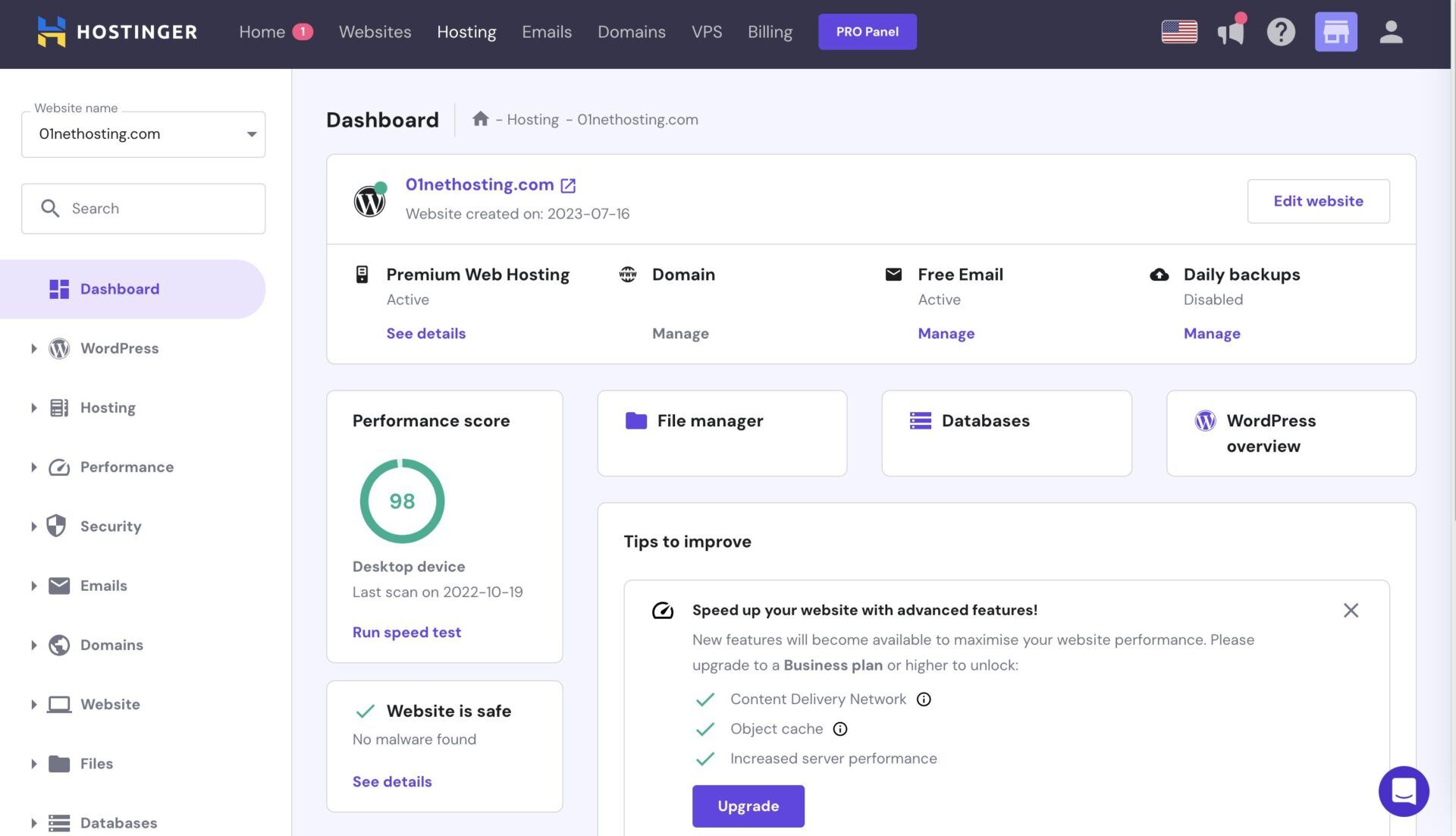
Hostinger is a budget-friendly cloud hosting provider that offers a range of services, including cloud hosting, website hosting, and VPS hosting. Known for its competitive pricing and user-friendly interface, Hostinger is a popular choice for individuals, small businesses, and developers looking for affordable yet reliable cloud solutions. Its focus on simplicity and performance makes it a great option for those new to cloud hosting or seeking a cost-effective alternative to more expensive providers.
- Affordable Pricing: Hostinger offers some of the lowest prices in the cloud hosting market, with plans starting at just $3.99/month for basic cloud hosting.
- User-Friendly Interface: The platform’s intuitive dashboard makes it easy for beginners to manage their cloud resources and websites.
- High Performance: Hostinger uses SSD storage and optimizes servers for fast load times and high reliability.
- Free SSL Certificates: All Hostinger plans include free SSL certificates, ensuring secure and encrypted connections for users.
- Scalable Solutions: Hostinger provides scalable cloud hosting options, allowing users to upgrade resources as their needs grow.
10. OVHcloud
OVHcloud is a European cloud provider known for its transparency, reliability, and competitive pricing. It offers a wide range of cloud services, including cloud computing, storage, and networking solutions. OVHcloud is particularly popular among businesses and individuals who prioritize data sovereignty, security, and cost efficiency. Its transparent pricing model and strong infrastructure make it a trusted choice for those seeking a reliable and affordable cloud provider.
- Transparent Pricing: OVHcloud provides clear and upfront pricing with no hidden fees, making it easy for users to budget.
- Global Infrastructure: OVHcloud operates data centers in multiple regions, including Europe, North America, and Asia, ensuring low-latency access and high availability.
- Advanced Security: OVHcloud offers robust security features, including DDoS protection, regular security audits, and compliance certifications.
- Scalable Cloud Solutions: OVHcloud provides scalable cloud solutions, allowing users to easily upgrade resources as their needs evolve.
- Managed Services: OVHcloud offers managed database services like MySQL and PostgreSQL, simplifying database management for users.
Frequently Asked Questions
What factors should I consider when choosing a cloud hosting provider?
When selecting a cloud hosting provider, consider factors such as scalability, performance, security, pricing, and the specific needs of your applications. Ensure the provider offers the features you require, such as managed services, global network coverage, and compliance certifications. Additionally, evaluate customer support quality and ease of use to ensure a smooth experience.
How do I determine if a cloud provider is right for my business?
Assess your business requirements, such as budget, technical expertise, and growth plans. If you need advanced AI/ML tools, GCP or Azure might be ideal. For simplicity and affordability, providers like DigitalOcean or Hostinger could be better fits. Evaluate the provider’s performance, security, and support to align with your business goals.
What are the key differences between public and private cloud hosting?
Public cloud hosting shares resources across multiple users, offering cost efficiency and scalability but with less control and privacy. Private cloud hosting provides dedicated resources for a single organization, offering enhanced security, control, and performance. Hybrid cloud combines both models, offering flexibility and scalability while maintaining data security.
How can I ensure my cloud hosting provider is secure?
Look for providers that offer encryption, regular security audits, DDoS protection, and compliance certifications. Ensure they provide fine-grained access control and offer robust customer support to address security concerns promptly. Additionally, review their data sovereignty policies to protect sensitive information.
Is free cloud hosting really free?
While free cloud hosting may seem cost-effective, it often comes with limitations such as resource caps, slower performance, and fewer advanced features. Free plans are ideal for beginners or small projects but may not scale with growing needs. Consider upgrading to a paid plan for better performance and reliability.
How do I migrate my website from one cloud provider to another?
Migrating your website involves backing up your data, using migration tools provided by the new provider, and testing the new setup thoroughly. Many cloud providers offer migration assistance, so reach out to their support team for guidance. Ensure you plan the migration during a low-traffic period to minimize downtime.
What is the best cloud hosting provider for small businesses?
For small businesses, providers like DigitalOcean, Hostinger, or OVHcloud offer affordable, reliable, and user-friendly cloud hosting solutions. These providers provide scalable resources, good performance, and strong customer support at a fraction of the cost of enterprise-grade providers. Their simplicity makes them ideal for beginners and those with limited technical expertise.