
best cloud hosting companies


Cloud hosting has become a cornerstone for businesses and individuals who need scalable, reliable, and flexible infrastructure. Whether you’re running a small website, managing a growing e-commerce platform, or hosting critical applications, choosing the right cloud provider can make a significant difference in performance, security, and cost efficiency. The market is crowded with options, each offering different strengths—some prioritize ease of use, others focus on advanced performance, and a few specialize in security and compliance. For most users, the decision comes down to balancing these factors with budget and specific needs. If you’re looking for a provider that can adapt to your growth while keeping costs manageable, the right choice can set you up for long-term success.
For many, the shift to cloud hosting is driven by the ability to avoid the hassle of maintaining physical servers. Instead of worrying about hardware upgrades or downtime, cloud providers handle maintenance, backups, and security updates automatically. This shift also opens up opportunities for cost savings, especially if you opt for pay-as-you-go models or choose providers that offer discounts for longer commitments. However, not all cloud services are created equal—some are better suited for developers, while others excel in user-friendly interfaces. The best providers also offer strong support, whether through 24/7 customer service or self-service tools that simplify common tasks. When evaluating options, consider whether you need a provider that integrates seamlessly with existing tools or one that can handle high traffic spikes without sacrificing speed.
Below, I’ve assembled a list below of the best options for cloud hosting companies.
📋 Table of Contents
1. AWS (Amazon Web Services)

AWS is the market leader in cloud hosting, offering a vast array of services tailored for businesses of all sizes. It provides scalable infrastructure, robust security, and a global network of data centers, making it ideal for enterprises needing high availability and reliability. AWS supports everything from simple websites to complex applications and AI/ML workloads, with a user-friendly interface and extensive documentation. Its flexibility allows businesses to start small and scale up effortlessly, which is why it’s a favorite among developers, startups, and large corporations alike.
- Global Infrastructure: AWS operates in over 100 countries with 33 Availability Zones, ensuring low latency and high performance for users worldwide.
- Scalability: AWS offers auto-scaling solutions that adjust resources based on demand, allowing businesses to handle traffic spikes without manual intervention.
- Security and Compliance: AWS provides enterprise-grade security features, including DDoS protection, encryption, and compliance certifications for industries like healthcare and finance.
- Cost-Effective Pricing: AWS offers pay-as-you-go pricing, allowing users to pay only for the resources they consume, which can be cost-effective for long-term projects.
- Developer Tools: AWS includes powerful tools like AWS Lambda for serverless computing, AWS Elastic Beanstalk for easy deployment, and AWS CloudFormation for infrastructure-as-code management.
2. Google Cloud Platform (GCP)
Google Cloud Platform is a robust cloud hosting solution designed for businesses leveraging Google’s infrastructure and AI expertise. It integrates seamlessly with Google’s ecosystem, offering advanced AI/ML tools, big data solutions, and Kubernetes support. GCP is particularly strong in AI-driven applications, machine learning, and data analytics, making it a top choice for tech-forward companies. Its user-friendly console and strong community support further enhance its appeal, especially for teams already using Google Workspace or other Google services.
- Global Network: GCP operates in 39 regions and 100+ countries, ensuring fast and reliable data transfer for users globally.
- Big Data Solutions: GCP offers powerful tools like BigQuery for analytics, Dataflow for stream processing, and Dataproc for managed Hadoop and Spark.
- Kubernetes Integration: GCP provides Google Kubernetes Engine (GKE), making it easier to deploy and manage containerized applications.
- Cost Optimization Tools: GCP includes features like Commitment Discounts for long-term contracts and Preemptible VMs for cost savings on non-critical workloads.
- Strong Security: GCP offers advanced security features, including Google Cloud Armor for DDoS protection and Identity-Aware Proxy for access control.
3. Microsoft Azure

Microsoft Azure is a comprehensive cloud platform that integrates deeply with Microsoft’s ecosystem, including Windows, Office 365, and Microsoft 365. It’s ideal for businesses already using Microsoft products, offering seamless hybrid cloud solutions and enterprise-grade security. Azure’s strength lies in its hybrid capabilities, allowing organizations to extend their on-premises infrastructure to the cloud while maintaining full control. It’s also a top choice for AI, IoT, and enterprise applications, thanks to its extensive toolkit and strong support for legacy systems.
- Hybrid Cloud Solutions: Azure provides Azure Arc for managing on-premises and multi-cloud resources from a single console.
- Enterprise-Grade Security: Azure offers advanced security features like Azure Active Directory, Azure Firewall, and Azure Security Center.
- AI and Cognitive Services: Azure includes a wide range of AI services, including Azure Cognitive Services for natural language processing, computer vision, and chatbots.
- DevOps and CI/CD Tools: Azure DevOps integrates seamlessly with Azure, offering tools for continuous integration, continuous deployment, and automated testing.
- Global Reach: Azure operates in 60+ regions worldwide, ensuring low-latency access for users across the globe.
4. DigitalOcean

DigitalOcean is a user-friendly cloud hosting provider designed for developers and startups. It simplifies cloud computing with straightforward pricing and easy-to-use tools, making it accessible for those new to cloud hosting. DigitalOcean excels in offering affordable, scalable Droplets (virtual servers), block storage, and managed databases. Its focus on simplicity and reliability has made it a favorite among developers and small businesses looking to launch websites or applications quickly without complex setups.
- Simple Pricing: DigitalOcean offers flat-rate pricing for Droplets, making it easy to budget and predict costs.
- Scalable Droplets: Users can easily upgrade or downgrade Droplets based on their needs, ensuring cost efficiency.
- Managed Databases: DigitalOcean provides managed MySQL and MongoDB databases, reducing the need for manual maintenance.
- Global Network: DigitalOcean operates in 10 regions with 7 data centers, ensuring fast and reliable performance worldwide.
- Developer Tools: DigitalOcean includes tools like Object Storage for file hosting, Spaces for media files, and Droplet Snapshots for backups.
5. Vercel
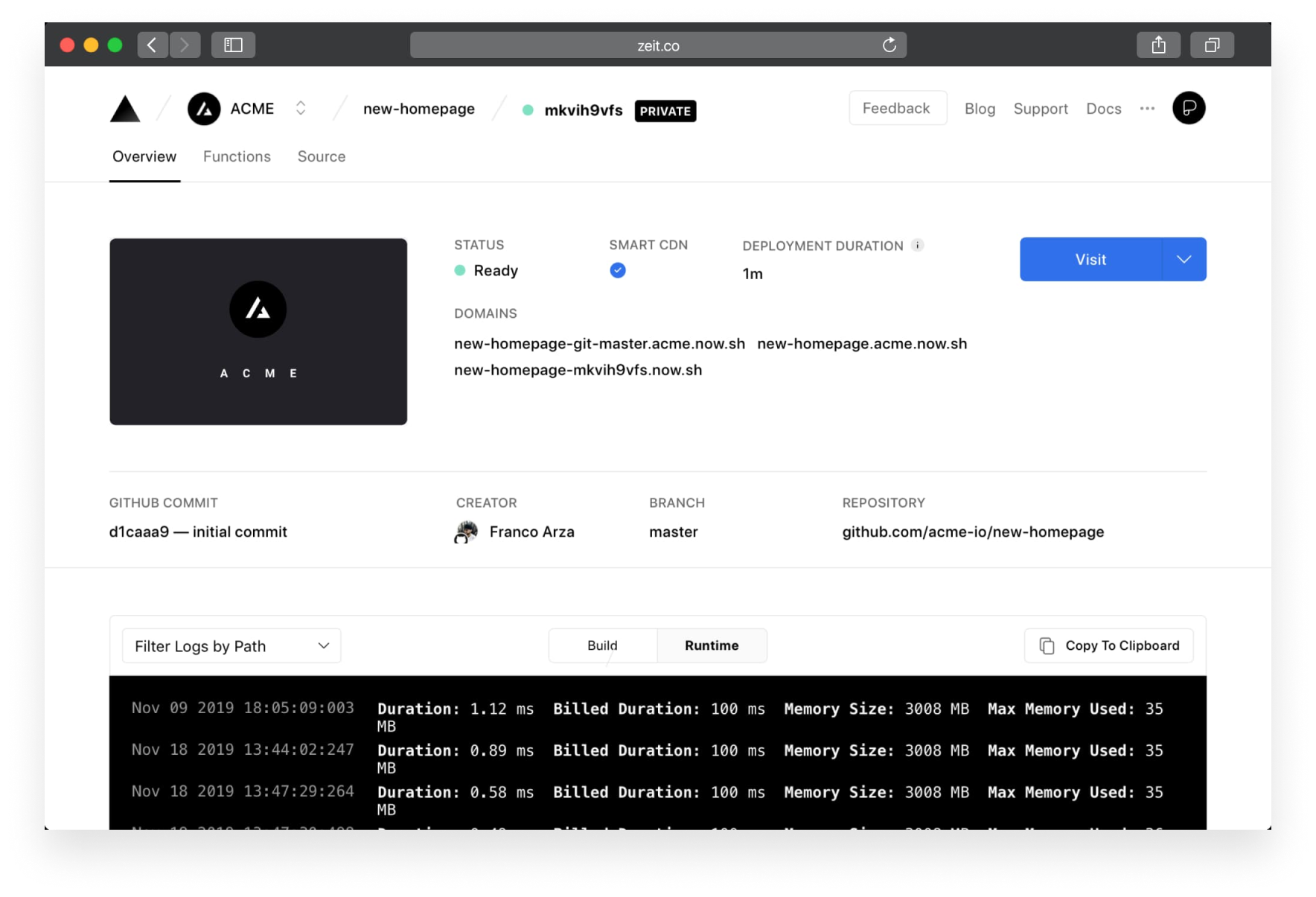
Vercel is a modern cloud hosting platform built for developers focused on front-end and full-stack applications. It specializes in serverless architectures, making it ideal for developers who want to deploy applications quickly with minimal configuration. Vercel integrates seamlessly with frameworks like Next.js, React, and Vue.js, offering fast load times and global edge networking. Its simplicity and performance make it a top choice for startups and developers prioritizing speed and ease of use.
- Serverless Functions: Vercel supports serverless functions, allowing developers to run code without managing servers.
- Global Edge Network: Vercel’s edge network ensures low-latency performance for users worldwide by caching content closer to them.
- Fast Deployment: Vercel provides instant deployments with zero downtime, making it perfect for continuous delivery workflows.
- Integrations: Vercel integrates with popular tools like GitHub, GitLab, and Bitbucket for seamless CI/CD pipelines.
- Free Tier: Vercel offers a generous free tier with unlimited requests and bandwidth for small projects.
6. Hetzner Cloud
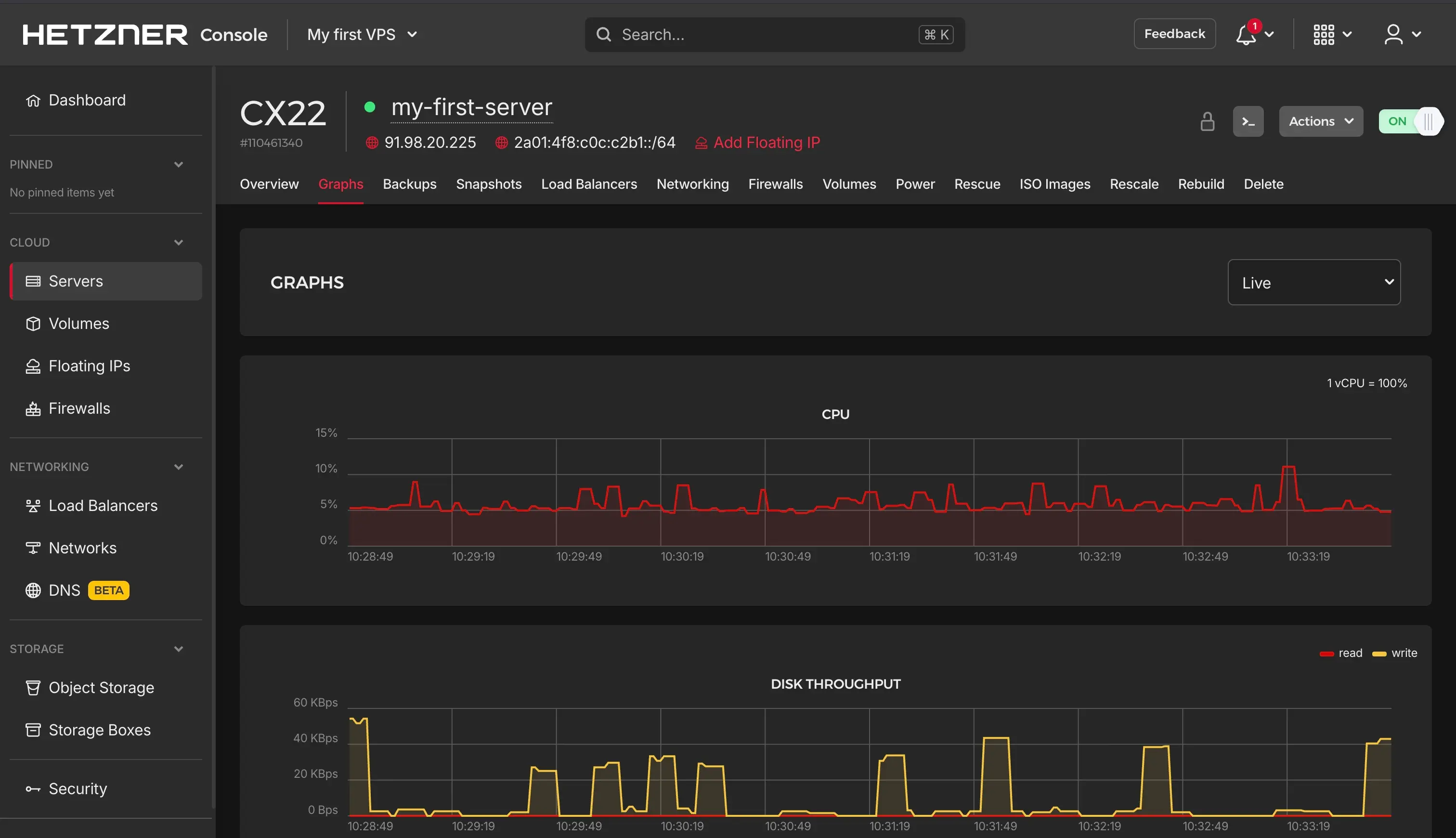
Hetzner Cloud is a European cloud hosting provider known for its affordability and reliability. It offers a range of services, including virtual servers, storage, and managed databases, all at competitive prices. Hetzner Cloud is particularly popular among European businesses and developers due to its low-cost infrastructure and strong performance. Its focus on simplicity and cost efficiency makes it an attractive option for startups and small businesses looking to avoid high cloud costs while maintaining performance.
- Low-Cost Infrastructure: Hetzner Cloud provides some of the lowest prices in the cloud hosting market, making it ideal for budget-conscious users.
- Reliable Performance: Hetzner Cloud offers high uptime and fast data transfer speeds, ensuring a smooth user experience.
- Managed Services: Hetzner Cloud provides managed solutions for databases, backups, and security, reducing operational overhead.
- Global Reach: Hetzner Cloud operates in multiple European data centers, ensuring compliance and data privacy for European users.
- Easy Management: Hetzner Cloud’s user-friendly interface simplifies server management, making it accessible for beginners.
7. Linode
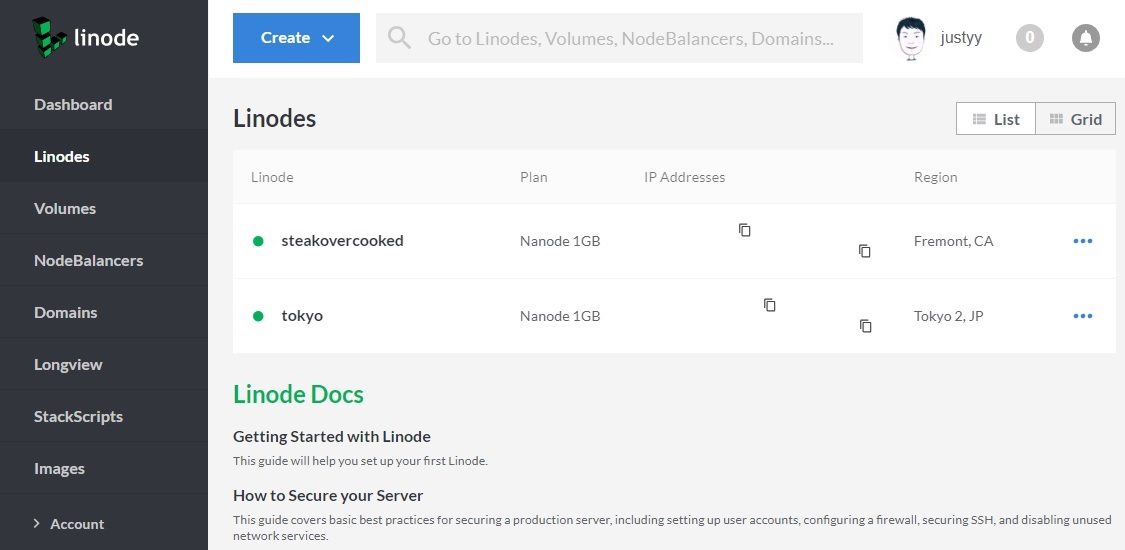
Linode is a cloud hosting provider focused on simplicity and reliability, catering to developers and small businesses. It offers a range of services, including dedicated servers, managed databases, and object storage, all with a straightforward pricing model. Linode’s strength lies in its user-friendly interface and commitment to performance, making it a great choice for those who want a hassle-free cloud experience. Its focus on developer-friendly tools and robust infrastructure has earned it a loyal following among tech-savvy users.
- Simple Pricing: Linode offers transparent pricing with no hidden fees, making it easy to budget for cloud services.
- High Performance: Linode provides dedicated servers with high CPU, RAM, and storage options for optimal performance.
- Managed Services: Linode offers managed database services, including MySQL and PostgreSQL, for easy management.
- Global Network: Linode operates in multiple regions, ensuring fast and reliable data transfer for users worldwide.
- Developer Tools: Linode includes tools like SSH access, snapshots, and automated backups for seamless server management.
8. Oracle Cloud Infrastructure (OCI)
Oracle Cloud Infrastructure is a cloud platform designed for enterprises needing advanced scalability, security, and performance. It integrates with Oracle’s database and enterprise software, making it ideal for businesses already using Oracle products. OCI offers a wide range of services, including compute, storage, networking, and AI/ML tools, all with a focus on high availability and compliance. Its strength lies in its ability to handle large-scale workloads efficiently, making it a top choice for mission-critical applications.
- Enterprise-Grade Security: OCI provides advanced security features, including Oracle Cloud Armor for DDoS protection and identity management.
- High Availability: OCI offers multi-region and multi-zone deployments to ensure high availability and disaster recovery.
- AI and Machine Learning: OCI includes AI/ML services like Oracle Autonomous Database and machine learning tools for predictive analytics.
- Global Reach: OCI operates in multiple regions worldwide, ensuring low-latency performance for global users.
- Cost Optimization: OCI provides tools for cost optimization, including reserved instances and flexible pricing models.
9. Cloudways

Cloudways is a managed cloud hosting platform that simplifies cloud management for businesses and developers. It offers a range of services, including managed WordPress, Laravel, Node.js, and PHP hosting, all with a focus on performance and ease of use. Cloudways integrates with major cloud providers like DigitalOcean, Vultr, and Linode, allowing users to choose the best infrastructure for their needs. Its managed approach reduces the complexity of cloud hosting, making it ideal for businesses looking to focus on their applications rather than infrastructure management.
- Managed Hosting: Cloudways provides fully managed hosting for popular frameworks like WordPress, Laravel, and Node.js.
- High Performance: Cloudways ensures high performance with optimized servers and caching mechanisms.
- Global Network: Cloudways operates in multiple data centers worldwide, ensuring fast and reliable performance.
- Easy Management: Cloudways offers a user-friendly dashboard for easy server management and monitoring.
- Scalability: Cloudways allows users to scale resources easily, accommodating growth without downtime.
10. InfinityFree

InfinityFree is a free cloud hosting provider designed for individuals and small businesses looking to host websites without spending money. It offers free web hosting, domain registration, and email services, making it an excellent option for beginners or those on a tight budget. While it may not offer the same level of performance or advanced features as paid providers, InfinityFree is a great starting point for learning cloud hosting basics. Its simplicity and affordability make it accessible to anyone with an internet connection.
- Free Hosting: InfinityFree provides free web hosting, domain registration, and email services.
- Easy Setup: InfinityFree simplifies the hosting process with a user-friendly interface and step-by-step guides.
- Basic Features: Users can host static websites, blogs, and simple applications with minimal technical knowledge.
- Global Reach: InfinityFree operates in multiple regions, ensuring basic performance for users worldwide.
- Community Support: InfinityFree offers community support and documentation for troubleshooting common issues.
Frequently Asked Questions
What factors should I consider when choosing a cloud hosting provider?
When selecting a cloud hosting provider, consider factors like scalability, security, pricing, global reach, and ease of use. Ensure the provider meets your specific needs, whether you’re running a small website or a large enterprise application. Look for features like auto-scaling, managed services, and strong customer support to streamline your operations.
How do I know if a cloud hosting provider is reliable?
A reliable cloud hosting provider should offer high uptime guarantees, robust security measures, and transparent pricing. Check reviews and testimonials from other users to gauge their satisfaction. Additionally, look for providers with a strong reputation for performance and customer support, as these factors contribute to overall reliability.
Can I migrate my existing website to a new cloud hosting provider?
Yes, most cloud hosting providers offer migration tools and services to help you transfer your existing website. Many providers provide step-by-step guides, third-party migration tools, or professional migration services. It’s important to choose a provider with a good migration process to minimize downtime and ensure data integrity.
What are the best cloud hosting providers for small businesses?
For small businesses, providers like DigitalOcean, Linode, and Cloudways are excellent choices due to their affordability, ease of use, and scalable infrastructure. These platforms offer managed services, making it easier to focus on your business without worrying about technical details. Additionally, free tiers or low-cost options can help small businesses get started without significant upfront investment.
How do I choose between AWS, Google Cloud, and Microsoft Azure?
The choice between AWS, Google Cloud, and Azure depends on your specific needs. AWS is the leader in cloud services and offers the most extensive range of tools, making it ideal for enterprises and developers requiring advanced features. Google Cloud excels in AI/ML and big data solutions, while Azure integrates seamlessly with Microsoft products, making it a great fit for businesses already using Windows or Office 365. Consider your existing infrastructure and long-term goals when making your decision.
What security features should I look for in a cloud hosting provider?
When selecting a cloud hosting provider, prioritize features like encryption, DDoS protection, identity management, and regular security audits. Look for providers that offer enterprise-grade security solutions tailored to your industry. Compliance certifications, such as ISO 27001 or SOC 2, can also provide peace of mind regarding data protection and security standards.
Is there a free trial available for most cloud hosting providers?
Many cloud hosting providers offer free trials or free tiers to allow users to test their services before committing. For example, AWS, Google Cloud, and Microsoft Azure provide free tiers with limited resources. DigitalOcean, Linode, and Cloudways also offer free trials or affordable plans for new users. Always review the terms and conditions to understand what’s included in the trial period.

