
best cloud server hosting


Cloud server hosting has become essential for businesses and developers who need reliable, scalable, and flexible infrastructure to support their digital operations. Unlike traditional hosting setups, cloud servers operate on a network of interconnected servers, allowing for dynamic resource allocation based on demand. This flexibility ensures that your website or application can handle sudden traffic spikes without performance degradation, which is critical for maintaining user experience and operational efficiency.
The benefits of cloud hosting extend beyond scalability. It also offers enhanced security features, automated backups, and the ability to manage multiple projects with ease. For growing businesses, cloud hosting eliminates the need for costly hardware upgrades and reduces downtime, which can be costly in terms of lost revenue and customer trust. Many providers also offer advanced tools for monitoring performance, troubleshooting issues, and optimizing resource usage, making it easier to keep everything running smoothly.
Below, I’ve assembled a list of the best options for cloud server hosting.
📋 Table of Contents
1. DigitalOcean

DigitalOcean is a leading cloud hosting provider known for its simplicity and affordability. It offers a user-friendly interface that makes it easy for beginners to set up and manage their cloud servers. The platform is particularly popular among developers and small businesses looking for a cost-effective way to host applications without the complexity of traditional VPS hosting. DigitalOcean’s Droplets provide scalable, pre-configured virtual servers with a focus on ease of use, making it ideal for startups and developers who need reliable, low-cost infrastructure.
- Droplets: Pre-configured virtual servers with customizable CPU, RAM, and storage options.
- Object Storage: Scalable cloud storage solutions for large datasets and media files.
- Automated Backups: Easy-to-set-up automated backups to ensure data safety.
- Global Network: Data centers in multiple regions for low-latency performance.
- Free Tier: A free $50 credit for new users to test services.
2. AWS (Amazon Web Services)

AWS is the market leader in cloud hosting, offering an extensive suite of services for businesses of all sizes. From small startups to large enterprises, AWS provides scalable, flexible infrastructure for web applications, databases, and AI/ML workloads. Its comprehensive ecosystem includes managed services like Amazon EC2, S3, and RDS, making it ideal for developers, enterprises, and organizations requiring advanced cloud capabilities. AWS’s global network ensures low latency and high reliability, but its complexity can be overwhelming for beginners.
- Elastic Compute Cloud (EC2): Virtual servers with customizable configurations for compute needs.
- Amazon Simple Storage Service (S3): Scalable object storage for files and media.
- Relational Database Service (RDS): Managed database solutions for SQL databases.
- Global Infrastructure: Data centers in 33 regions with 100+ Availability Zones.
- Free Tier: Free tier includes 12 months of free access to select services.
3. Google Cloud Platform (GCP)
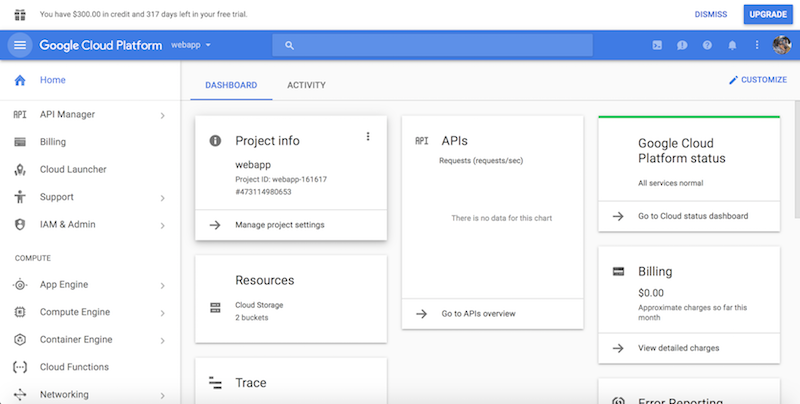
Google Cloud Platform (GCP) leverages Google’s global infrastructure to deliver powerful cloud hosting solutions. GCP is favored by developers and enterprises for its strong AI/ML integration, advanced networking, and seamless integration with Google Workspace. Unlike AWS, GCP emphasizes simplicity and efficiency, making it a great choice for teams already using Google services. Its managed services, such as Compute Engine and Cloud SQL, simplify server management while offering high performance and reliability.
- Compute Engine: Virtual machines with customizable resources and global availability.
- Cloud SQL: Managed relational databases with automatic backups and scaling.
- AI/ML Services: Pre-built AI tools like Vision AI and Natural Language API.
- Global Network: Data centers in 39 regions with low-latency connections.
- Free Tier: Free tier includes $300 credit for new users and free access to select services.
4. Linode
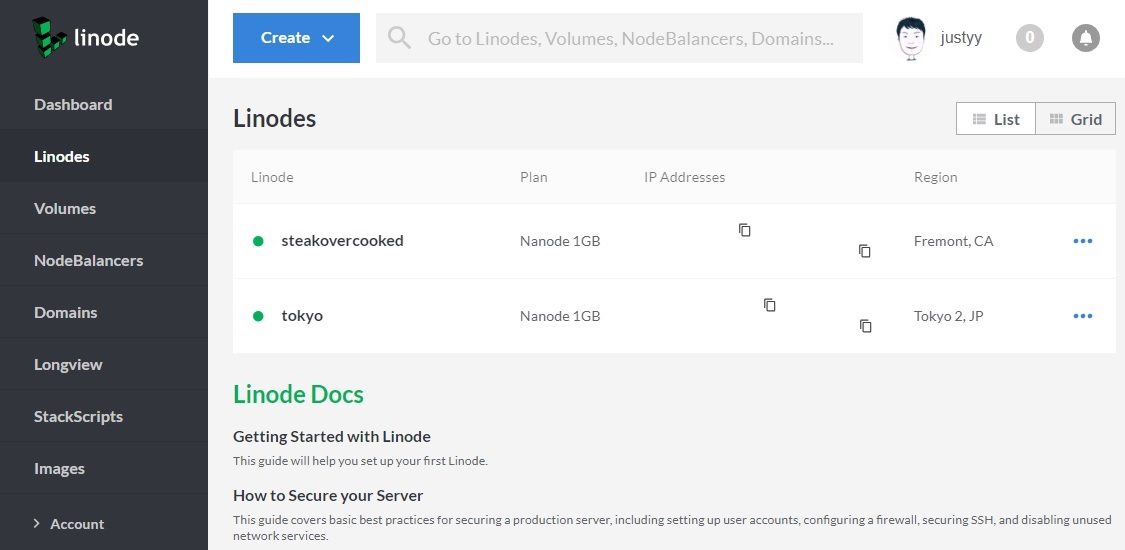
Linode is a cloud hosting provider known for its reliability, performance, and developer-friendly tools. It offers a range of hosting solutions, from basic virtual private servers (VPS) to dedicated resources, making it ideal for developers, small businesses, and growing websites. Linode’s user-friendly interface and strong customer support set it apart from competitors, ensuring a smooth experience for users of all skill levels. Its focus on performance and reliability makes it a top choice for mission-critical applications.
- Virtual Private Servers (VPS): Customizable VPS with SSD storage and high performance.
- Managed Backups: Automated backups with point-in-time recovery options.
- Global Network: Data centers in multiple regions for low-latency access.
- Developer Tools: Easy deployment of applications with one-click installs.
- Free Tier: Free $10 credit for new users to test services.
5. Vultr
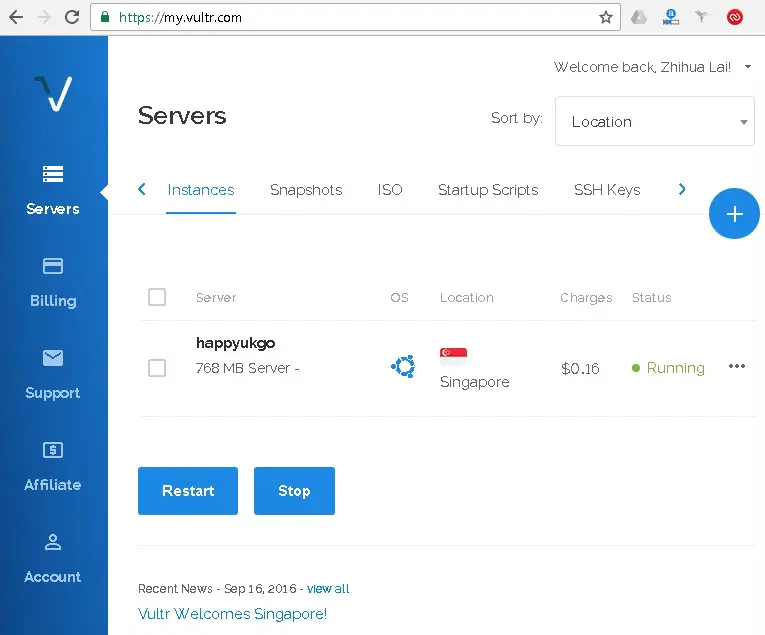
Vultr is a cloud hosting provider celebrated for its speed, simplicity, and affordability. It offers a wide range of hosting solutions, including dedicated servers, SSD instances, and Kubernetes clusters, making it a versatile choice for developers, startups, and enterprises. Vultr’s global network ensures fast performance, and its user-friendly interface makes it easy to manage servers. The provider is particularly popular among those who prioritize speed and cost-efficiency in their cloud hosting needs.
- SSD Instances: High-performance SSD-based virtual servers with customizable resources.
- Global Network: Data centers in 10 regions with ultra-low latency.
- One-Click Apps: Easy deployment of popular applications like WordPress and Laravel.
- Free Tier: Free $20 credit for new users to test services.
- 24/7 Support: Round-the-clock customer support for troubleshooting.
6. Hetzner Cloud

Hetzner Cloud is a European cloud hosting provider known for its affordability, reliability, and strong performance. It offers a range of cloud solutions, including virtual servers, dedicated servers, and storage, making it a great option for businesses and individuals in Europe and beyond. Hetzner’s focus on simplicity and cost-effectiveness makes it a popular choice for developers and small businesses looking for a budget-friendly yet high-performance cloud hosting solution. Its global network ensures low latency and high availability.
- Virtual Private Servers (VPS): Customizable VPS with SSD storage and high uptime.
- Dedicated Servers: High-performance dedicated servers for mission-critical workloads.
- Global Network: Data centers in Germany and other European locations.
- Free Tier: Free 1GB storage and 10GB bandwidth for new users.
- 24/7 Support: Comprehensive customer support for technical assistance.
7. Oracle Cloud
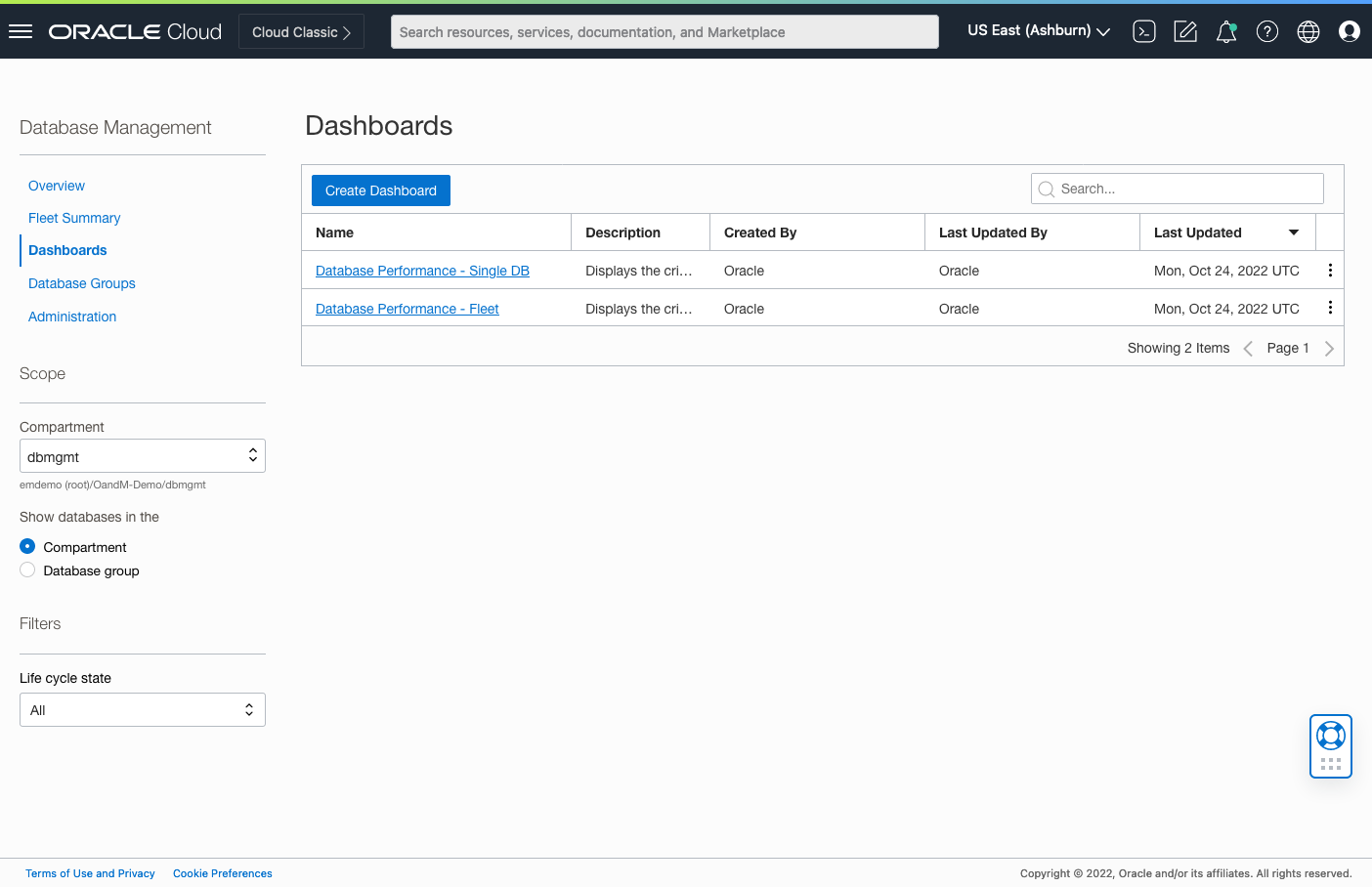
Oracle Cloud is a cloud hosting provider that combines Oracle’s expertise in databases and enterprise solutions with modern cloud infrastructure. It offers a range of services, including compute, storage, and networking, making it ideal for businesses that rely on Oracle databases or need advanced cloud capabilities. Oracle Cloud is particularly strong in enterprise environments, where scalability, security, and performance are critical. Its managed services simplify server administration while delivering high reliability and compliance features.
- Compute Cloud: Virtual machines with Oracle’s optimized performance and security.
- Database Services: Managed Oracle databases with automatic scaling and backups.
- Global Network: Data centers in multiple regions for low-latency access.
- Security Features: Advanced security and compliance certifications.
- Free Tier: Free tier includes access to select services with usage limits.
8. IBM Cloud

IBM Cloud is a cloud hosting provider that integrates IBM’s enterprise expertise with modern cloud infrastructure. It offers a wide range of services, including AI, data analytics, and serverless computing, making it a versatile choice for businesses of all sizes. IBM Cloud is particularly strong in enterprise environments, where advanced security, compliance, and scalability are essential. Its managed services simplify server administration while delivering high performance and reliability, making it a great option for organizations looking to leverage AI and data-driven solutions.
- Compute Services: Virtual machines with customizable resources and high availability.
- AI and Machine Learning: Pre-built AI tools and data analytics services.
- Global Network: Data centers in multiple regions for low-latency performance.
- Security and Compliance: Advanced security features and compliance certifications.
- Free Tier: Free tier includes access to select services with usage limits.
9. Rackspace Cloud

Rackspace Cloud is a cloud hosting provider known for its customer-centric approach and strong support. It offers a range of services, including virtual private servers, storage, and networking, making it ideal for developers, small businesses, and enterprises. Rackspace’s focus on simplicity and reliability makes it a popular choice for those who prioritize ease of use and high availability. Its managed services simplify server administration while delivering robust performance and security features, ensuring a smooth hosting experience.
- Virtual Private Servers (VPS): Customizable VPS with SSD storage and high uptime.
- Managed Services: Comprehensive support and management for cloud resources.
- Global Network: Data centers in multiple regions for low-latency access.
- Security Features: Advanced security and compliance certifications.
- Free Tier: Free 1GB storage and 10GB bandwidth for new users.
10. Azure Stack
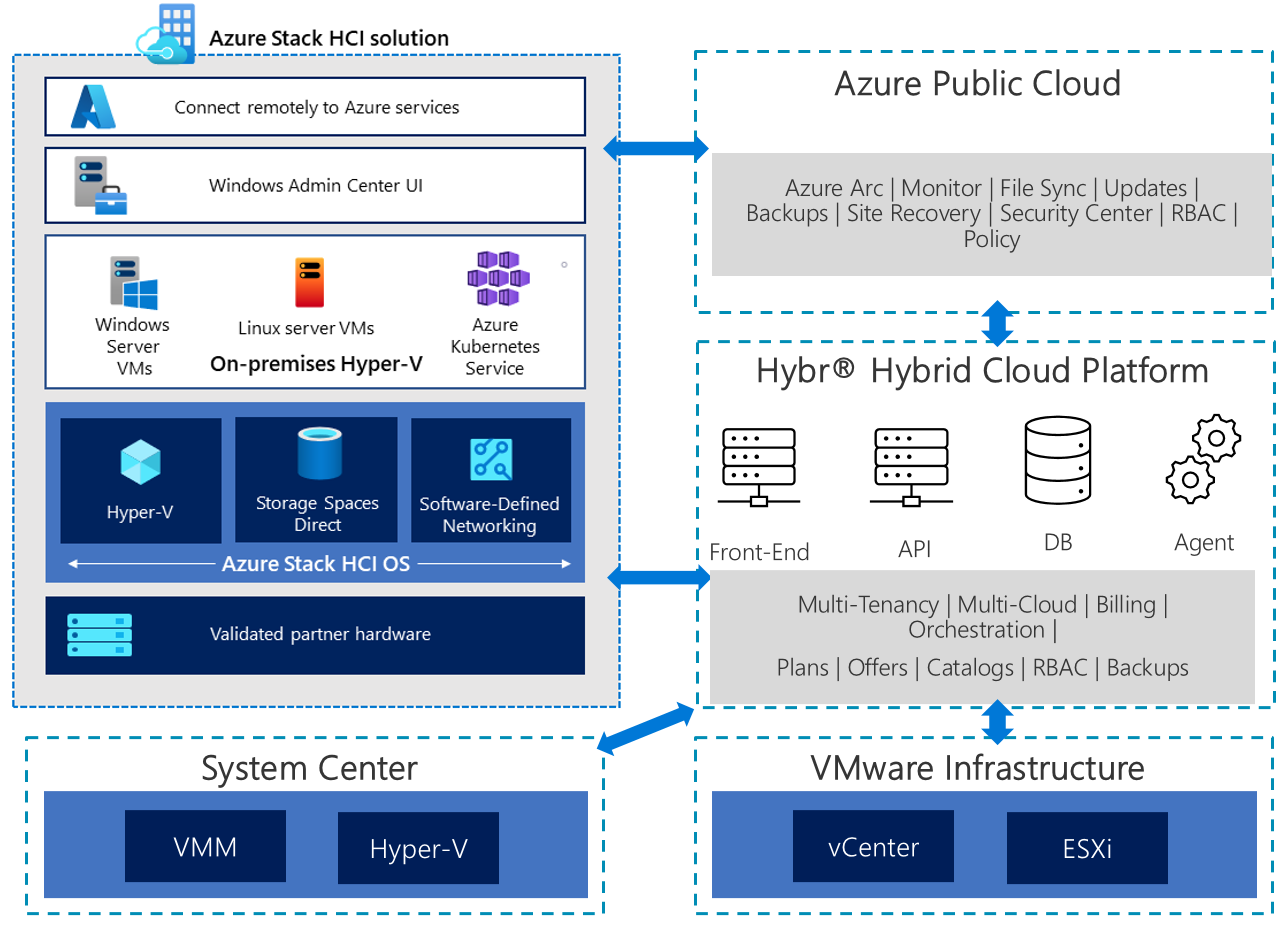
Azure Stack is a hybrid cloud solution that extends Microsoft Azure services to on-premises environments. It allows businesses to seamlessly integrate cloud and on-premises resources, making it ideal for enterprises that need flexibility and control over their infrastructure. Azure Stack is particularly useful for organizations already using Microsoft products, as it provides a consistent cloud experience across hybrid environments. Its managed services simplify server administration while delivering high performance, security, and scalability, ensuring a robust hosting solution for mission-critical applications.
- Hybrid Cloud: Seamless integration of cloud and on-premises resources.
- Microsoft Services: Access to Azure services like VMs, storage, and networking.
- Global Network: Data centers in multiple regions for low-latency performance.
- Security and Compliance: Advanced security features and compliance certifications.
- Free Tier: Free tier includes access to select Azure services with usage limits.
Frequently Asked Questions
What factors should I consider when choosing cloud hosting?
When selecting cloud hosting, consider your budget, performance needs, scalability requirements, and the level of support you require. Evaluate the provider’s global network, security features, and ease of use. If you’re a developer, look for user-friendly interfaces and managed services. For enterprises, prioritize compliance, security, and hybrid cloud capabilities.
How do I know if cloud hosting is right for my business?
Cloud hosting is ideal if you need scalable resources, flexibility, and cost-efficiency. It’s particularly beneficial for startups, growing businesses, and enterprises that require high availability and low maintenance. If you’re managing multiple applications or handling large datasets, cloud hosting can streamline operations and reduce downtime.
What are the benefits of managed cloud hosting?
Managed cloud hosting offers automatic updates, backups, and security patches, reducing the need for manual server management. It also provides expert support, ensuring high performance and reliability. For businesses, this means less downtime and fewer IT headaches, allowing you to focus on growth and innovation.
How much does cloud hosting typically cost?
Cloud hosting costs vary widely depending on the provider, resources, and usage. Basic plans start at around $4 to $10 per month for small virtual private servers (VPS), while enterprise solutions can cost hundreds or even thousands per month. Pay-as-you-go models often offer cost savings for high-volume users.
What security measures should I look for in a cloud hosting provider?
Look for providers that offer encryption, DDoS protection, regular security audits, and compliance certifications like ISO 27001 or SOC 2. Managed services with automated security updates are also a strong indicator of a provider’s commitment to security.
Can I migrate my existing website to cloud hosting easily?
Yes, most cloud hosting providers offer migration tools and services to help you transfer your website seamlessly. Many also provide one-click installs for popular platforms like WordPress, making the process straightforward. If you’re unsure, consult with the provider’s support team for guidance.
What is the difference between public and private cloud hosting?
Public cloud hosting uses shared infrastructure, offering cost savings and scalability but with less control over resources. Private cloud hosting provides dedicated resources, enhancing security and performance but at a higher cost. Hybrid cloud combines both, offering flexibility and scalability while maintaining control over sensitive data.