
best cloud server for small business


Small businesses need a cloud server that balances reliability, cost, and scalability without overwhelming their budget or technical expertise. Unlike large enterprises with dedicated IT teams, small operations often rely on platforms that are easy to manage, secure, and capable of handling fluctuating workloads—whether that’s running a website, processing payments, or storing customer data. The right cloud server should offer flexibility to grow with the business while minimizing downtime and security risks. Many small businesses underestimate how quickly their needs can expand, from a single server to multiple applications or even remote team collaboration. Choosing the wrong provider can lead to unexpected costs, performance issues, or compliance headaches, so it’s worth taking the time to evaluate options that fit both current and future demands.
The cloud isn’t just for big companies anymore. For small businesses, it’s a way to access powerful computing resources without the upfront hardware costs or maintenance headaches. Whether you’re handling customer support inquiries, managing inventory, or testing new products, a reliable cloud server keeps everything running smoothly. Some providers offer simple, no-nonsense plans with clear pricing, while others include advanced features like automatic backups or disaster recovery tools. The key is finding a solution that doesn’t require deep technical knowledge but still delivers the performance and security you need. Below, I’ve assembled a list of the best options for small businesses looking to upgrade their cloud server.
📋 Table of Contents
1. AWS Lightsail

AWS Lightsail is a simple, affordable cloud server solution designed specifically for small businesses and developers needing a straightforward way to host websites and applications. Unlike complex cloud platforms, Lightsail simplifies server management with pre-configured templates, making it ideal for those who want reliability without the steep learning curve. It’s particularly well-suited for small businesses looking to host a single website, run a simple application, or even test new software without worrying about infrastructure complexity. AWS’s reputation for reliability and global infrastructure ensures that your data stays secure and accessible, even during peak traffic times.
- Pre-Configured Templates: Offers easy-to-use templates for common use cases like WordPress, PHP, and Node.js, allowing you to launch a server in minutes.
- Pay-as-You-Go Pricing: Charges based on usage, with flexible plans that scale with your needs, making it cost-effective for small businesses with variable traffic.
- Global Network: Leverages AWS’s extensive global network to ensure low latency and high availability for users worldwide.
- Free Tier Available: Provides a free tier with 5GB storage and 1 vCPU for testing and small-scale projects.
- Easy Management: User-friendly interface with automated backups and snapshots, reducing the need for manual server maintenance.
2. DigitalOcean Droplets

DigitalOcean Droplets are lightweight, scalable cloud servers tailored for small businesses and developers who need a balance of performance and affordability. Unlike more complex cloud platforms, Droplets offer a straightforward way to host websites, run applications, or even experiment with new tech stacks. They’re particularly popular among small businesses that want a reliable, low-maintenance solution without the overhead of managing a physical server. DigitalOcean’s global network ensures fast load times, and its simple pricing model makes it easy to budget for ongoing costs.
- Simple and Reliable: Pre-configured with essential tools like SSH access, making it easy to set up and manage.
- Scalable Storage: Offers flexible storage options, from 25GB up to 200GB, allowing you to grow with your business.
- Global Network: Deploy servers in multiple regions to minimize latency and improve user experience.
- Free 100GB Bandwidth: Includes unlimited bandwidth for traffic, ensuring your site remains fast and responsive.
- Automated Backups: Automated daily backups with retention options, ensuring data safety without manual effort.
3. Google Cloud Run
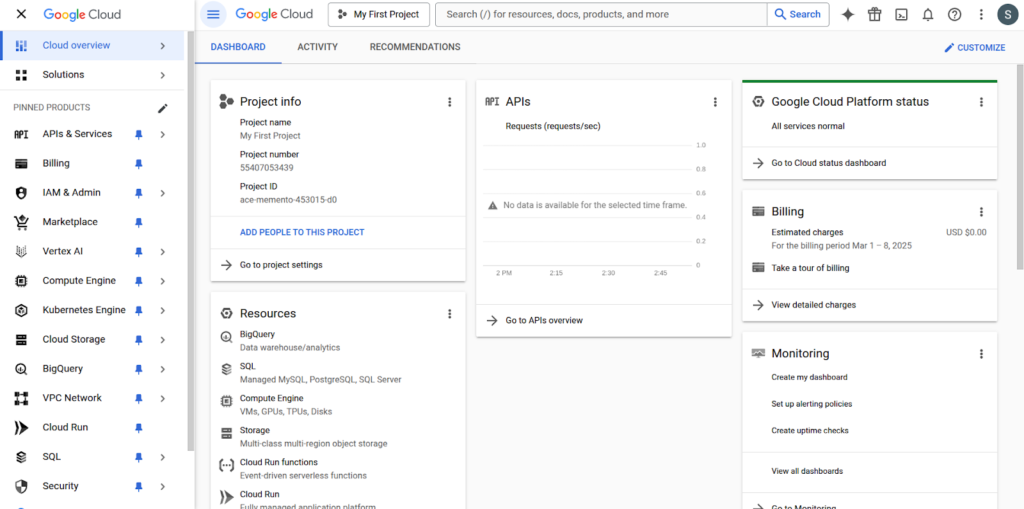
Google Cloud Run is a fully managed serverless compute platform designed for small businesses and developers who want to host applications without worrying about infrastructure. Unlike traditional cloud servers, Cloud Run automatically scales to handle traffic spikes, making it ideal for businesses with unpredictable workloads. It’s particularly useful for developers who prefer a hands-off approach, as Google handles everything from provisioning to scaling. Cloud Run is also well-suited for microservices and APIs, offering a cost-effective way to deploy modern applications with minimal setup.
- Serverless Architecture: Automatically scales to zero when not in use, reducing costs for low-traffic applications.
- Global Load Balancing: Distributes traffic across multiple regions for low latency and high availability.
- Easy Integration: Seamlessly integrates with Google Cloud services like Cloud Storage and BigQuery.
- Pay-per-Use Pricing: Charges only for the compute time consumed, making it cost-effective for variable workloads.
- Fast Deployment: Supports containerized applications and allows quick deployment via GitHub Actions or CLI.
4. Azure Virtual Machines (VMs)
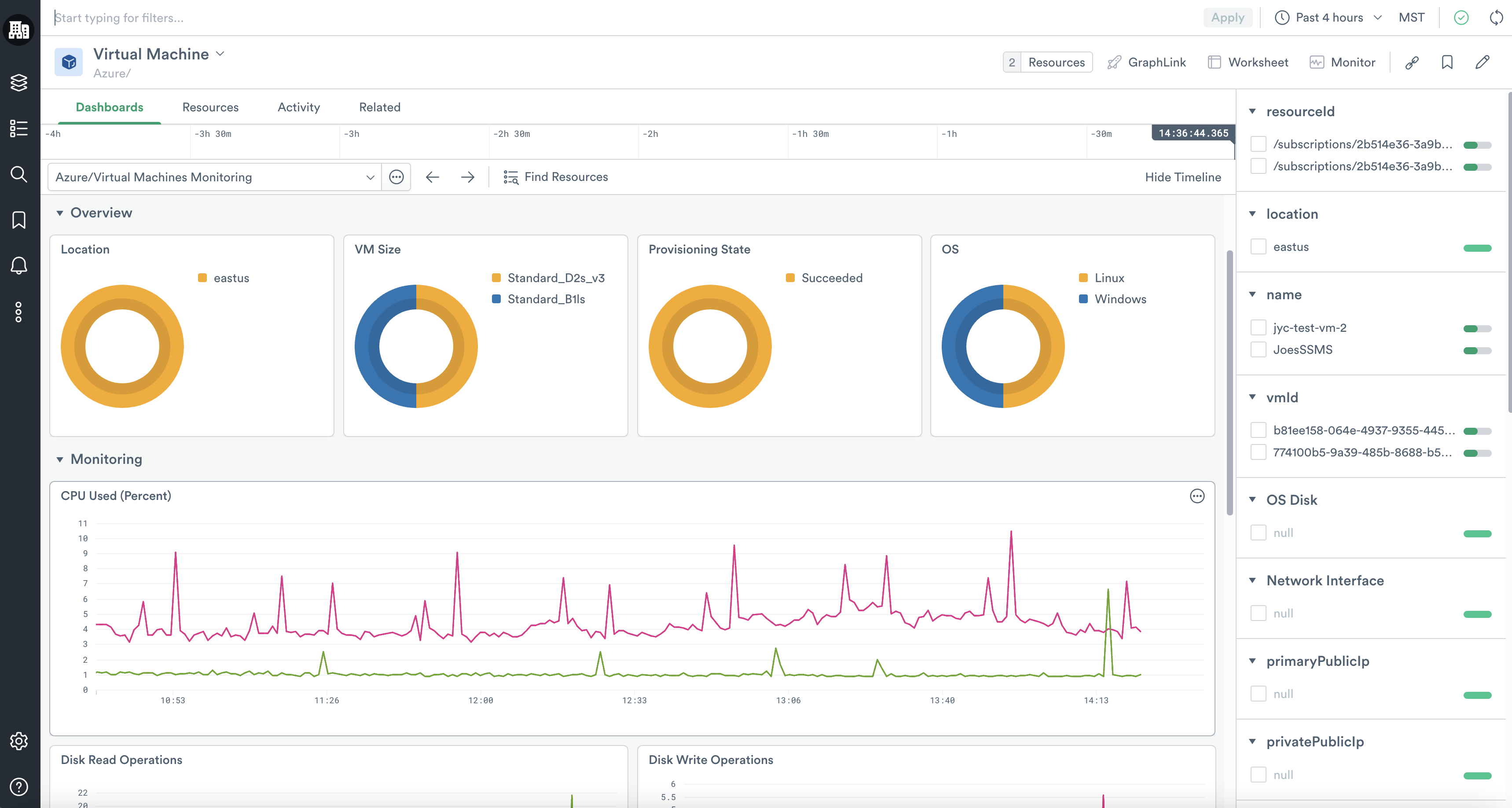
Microsoft Azure Virtual Machines provide a robust cloud server solution for small businesses that need reliability, security, and scalability. Unlike simpler cloud options, Azure VMs offer deep integration with Microsoft’s ecosystem, making them ideal for businesses already using Windows Server, SQL Server, or other Microsoft tools. They’re also a great choice for those needing custom configurations, such as high-performance computing or specialized workloads. Azure’s global network ensures low latency and high availability, while its comprehensive security features protect sensitive data. The platform’s scalability allows businesses to grow without over-provisioning resources.
- Deep Microsoft Integration: Seamlessly integrates with Windows Server, SQL Server, and Office 365 for a cohesive environment.
- High Availability and Scalability: Supports auto-scaling and failover mechanisms to ensure uptime during traffic surges.
- Advanced Security Features: Includes built-in threat protection, encryption, and compliance certifications.
- Customizable Configurations: Allows tailored CPU, RAM, and storage settings for specific workloads.
- Global Reach: Deploy VMs in multiple regions to optimize performance for global users.
5. Hetzner Cloud
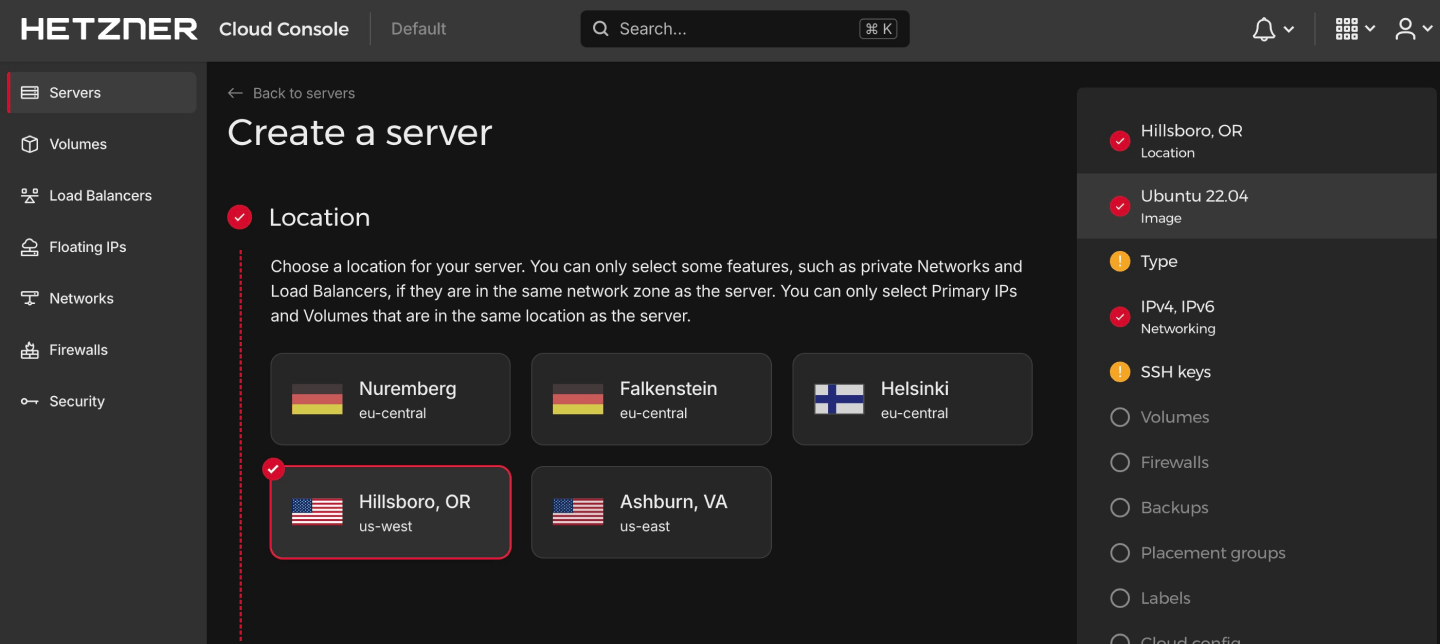
Hetzner Cloud is a cost-effective cloud server solution popular among small businesses and developers in Europe. Known for its simplicity and affordability, Hetzner Cloud offers pre-configured servers with generous resources at low prices. It’s particularly appealing for those who want a reliable, low-maintenance option without the complexity of managing a cloud server. Hetzner’s global network ensures fast connectivity, and its straightforward pricing model makes it easy to budget for ongoing costs. The platform also includes automated backups and support for common applications like WordPress and LAMP stacks, making it a practical choice for small businesses.
- Affordable Pricing: Offers some of the lowest prices in the cloud market, with generous resources for the cost.
- Pre-Configured Servers: Includes ready-to-use servers with common software stacks like WordPress and LAMP.
- Automated Backups: Provides daily automated backups with retention options for data safety.
- Global Network: Servers deployed in multiple regions to minimize latency and improve performance.
- Easy Management: User-friendly interface with simple control panel for server management.
6. Vultr Cloud Server
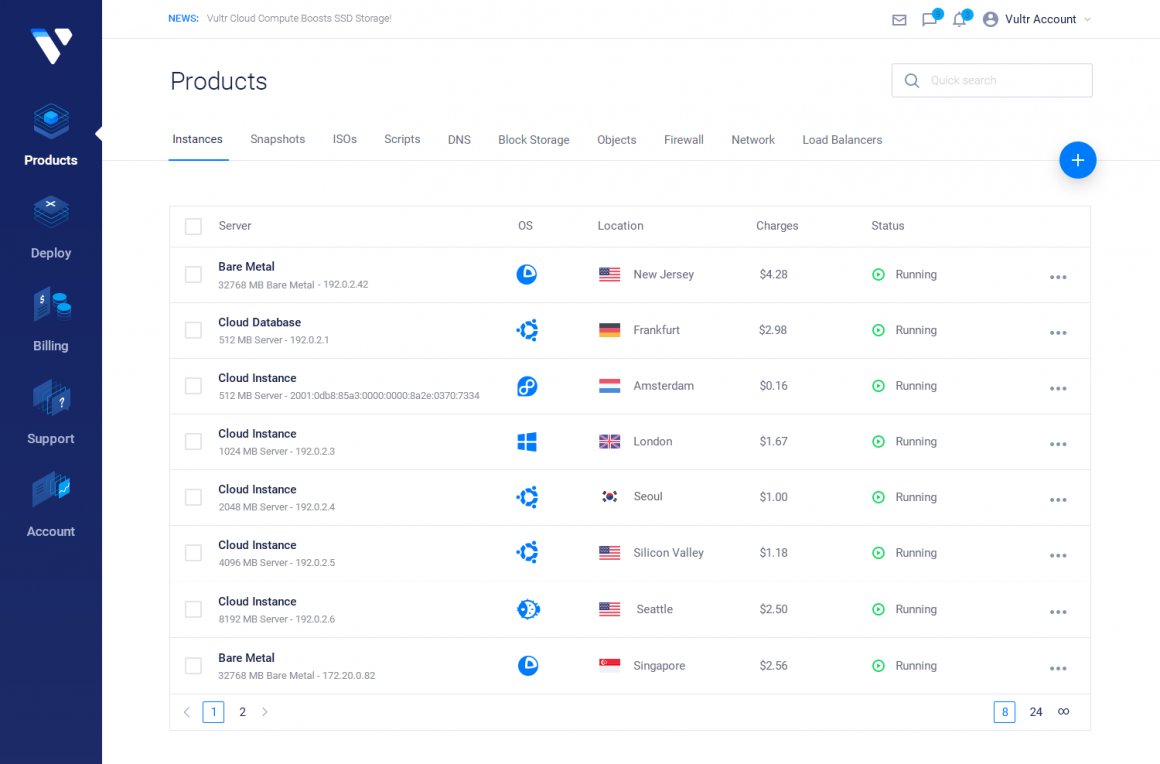
Vultr Cloud Server is a high-performance, low-latency cloud solution designed for small businesses and developers who prioritize speed and reliability. Known for its global network of data centers, Vultr ensures fast load times and high availability, making it ideal for businesses with users in multiple regions. The platform offers flexible pricing and scalable resources, allowing small businesses to grow without over-provisioning. Vultr’s user-friendly interface makes it easy to manage servers, and its focus on performance sets it apart from more traditional cloud providers. It’s particularly well-suited for developers who need quick deployment and customization options.
- Global Network: Deploy servers in 100+ data centers worldwide to minimize latency for global users.
- High Performance: Offers SSD storage and high-speed networking for fast data transfer.
- Pay-as-You-Go Pricing: Charges based on usage, with flexible plans that scale with your needs.
- Easy Management: User-friendly control panel with automated backups and snapshots.
- Customizable Configurations: Allows tailored CPU, RAM, and storage settings for specific workloads.
7. Linode Cloud Servers
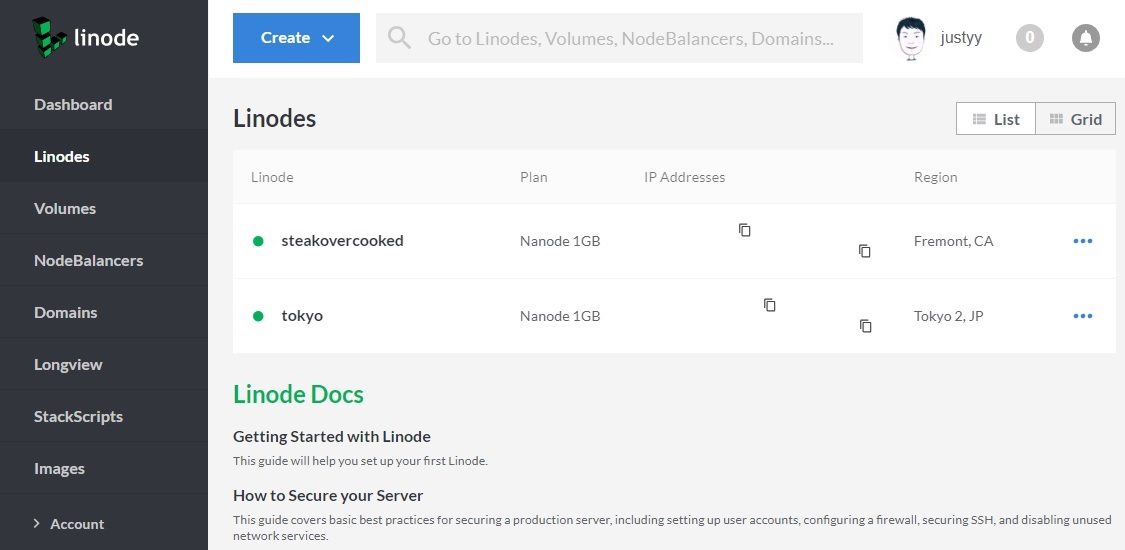
Linode Cloud Servers are a reliable and user-friendly option for small businesses and developers who need a balance of performance and simplicity. Known for its straightforward pricing and easy-to-use interface, Linode offers pre-configured servers with generous resources at competitive prices. It’s particularly well-suited for those who want a hassle-free experience without the complexity of managing a cloud server. Linode’s global network ensures fast connectivity, and its focus on reliability makes it a trusted choice for small businesses. The platform also includes automated backups and support for common applications, making it a practical and cost-effective solution.
- Simple and Reliable: Pre-configured with essential tools like SSH access and automated backups.
- Global Network: Servers deployed in multiple regions to optimize performance for global users.
- Affordable Pricing: Offers competitive pricing with generous resources for the cost.
- Easy Management: User-friendly interface with automated backups and snapshots.
- Customizable Options: Allows tailored CPU, RAM, and storage settings for specific needs.
8. OVHcloud Cloud Server

OVHcloud Cloud Servers are a cost-effective and reliable solution for small businesses and developers who need a robust cloud infrastructure. Known for its transparency and competitive pricing, OVHcloud offers a wide range of server configurations, from basic to high-performance options. It’s particularly appealing for those who want a trusted provider with a strong focus on security and performance. OVHcloud’s global network ensures fast connectivity, and its user-friendly interface makes it easy to manage servers. The platform also includes automated backups and support for common applications, making it a practical choice for small businesses looking to scale their operations.
- Transparent Pricing: Offers clear and competitive pricing with no hidden fees.
- High Performance: Supports high-speed networking and SSD storage for fast data transfer.
- Global Network: Servers deployed in multiple regions to minimize latency and improve performance.
- Automated Backups: Provides daily automated backups with retention options for data safety.
- Customizable Configurations: Allows tailored CPU, RAM, and storage settings for specific workloads.
9. AWS Elastic Beanstalk
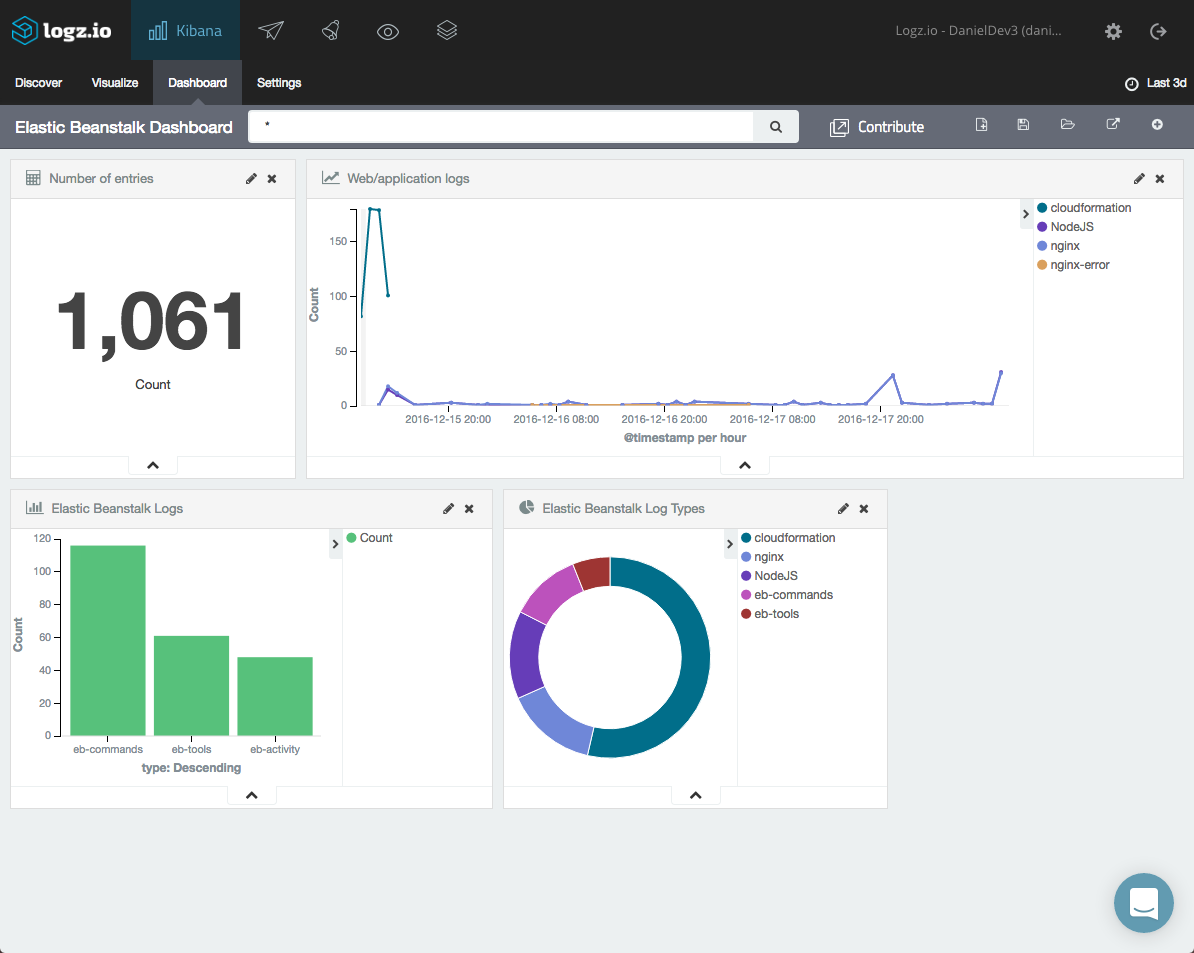
AWS Elastic Beanstalk is a fully managed platform for deploying and scaling web applications and services on AWS. Unlike traditional cloud servers, Elastic Beanstalk abstracts the complexity of infrastructure management, making it ideal for small businesses and developers who want to focus on coding rather than server administration. It supports a wide range of programming languages and frameworks, including Node.js, Python, Java, and .NET, and automatically handles scaling, load balancing, and monitoring. Elastic Beanstalk is particularly well-suited for businesses that need a scalable and reliable solution without the overhead of managing servers manually.
- Fully Managed Service: Automatically handles infrastructure provisioning, scaling, and load balancing.
- Multi-Language Support: Supports a wide range of programming languages and frameworks.
- Global Deployment: Leverages AWS’s global network for low-latency deployments.
- Pay-as-You-Go Pricing: Charges based on usage, with no idle costs for underutilized resources.
- Easy Integration: Seamlessly integrates with other AWS services like S3, RDS, and CloudWatch.
10. Hermes Cloud
Hermes Cloud is a European-focused cloud server provider that offers affordable and reliable solutions for small businesses and developers. Known for its competitive pricing and straightforward interface, Hermes Cloud provides pre-configured servers with generous resources at low costs. It’s particularly well-suited for businesses in Europe or those looking to minimize latency for users in the region. Hermes Cloud’s focus on simplicity and reliability makes it an attractive option for those who want a hassle-free cloud experience without the complexity of managing a server. The platform also includes automated backups and support for common applications, ensuring data safety and ease of use.
- European Data Centers: Servers deployed in Europe to minimize latency for regional users.
- Affordable Pricing: Offers competitive pricing with generous resources for the cost.
- Pre-Configured Servers: Includes ready-to-use servers with common software stacks.
- Automated Backups: Provides daily automated backups with retention options.
- Easy Management: User-friendly interface with simple control panel for server management.
Frequently Asked Questions
What factors should I consider when choosing a cloud server for my small business?
When selecting a cloud server, consider your budget, the type of workload you need to handle, your geographic location, and the level of support you require. Look for a provider that offers scalable resources, reliable uptime, and easy management tools. Additionally, check if the provider integrates well with your existing software stack and offers automated backups to protect your data.
How much does a cloud server typically cost for a small business?
Costs vary depending on the provider and the resources you need. Basic plans start at around $4 to $6 per month for 1 vCPU and 1GB of RAM, while more powerful configurations can cost significantly more. Pay-as-you-go models allow you to scale costs based on your usage, making them a flexible option for small businesses.
Do cloud servers require technical expertise to set up and manage?
Many cloud servers are designed to be user-friendly, with pre-configured templates and automated tools that simplify management. However, some providers offer more complex options that may require technical expertise. If you’re new to cloud computing, look for providers with clear documentation, customer support, and easy-to-use interfaces.
What are the benefits of using a managed cloud server over a traditional server?
Managed cloud servers offer several advantages, including automatic updates, backups, and scaling, which reduce the need for manual maintenance. They also provide better reliability, security, and performance, as the provider handles infrastructure management. Additionally, managed services often include support for common applications and frameworks, making deployment faster and easier.
How can I ensure my small business data is secure on a cloud server?
To ensure data security, choose a provider with robust encryption, compliance certifications, and regular security updates. Look for providers that offer network security features like DDoS protection and firewall management. Additionally, implement strong access controls, use secure protocols for data transfer, and regularly back up your data to minimize risks.
What types of workloads are best suited for cloud servers?
Cloud servers are versatile and can handle a wide range of workloads, including web hosting, application development, data storage, and even high-performance computing. They’re particularly well-suited for dynamic workloads that experience traffic spikes, as cloud servers can scale resources automatically. Small businesses often use them for hosting websites, running applications, and testing new software without the overhead of managing a physical server.
How do I choose the right cloud server based on my traffic needs?
To choose the right cloud server for your traffic needs, assess your current and projected traffic volume. Look for providers that offer scalable resources, such as adjustable CPU, RAM, and storage. Consider using load testing tools to simulate traffic and determine the optimal server configuration. Additionally, choose a provider with a global network to ensure low latency for your users.

