
best linux server os


Linux server operating systems remain the backbone of enterprise and cloud infrastructure. They offer unmatched stability, security, and performance for mission-critical workloads. Unlike some proprietary alternatives, Linux’s open-source foundation allows for full customization and cost-effective scaling. Whether you’re running a high-traffic web server, a database cluster, or a virtualization environment, Linux provides the reliability needed to keep operations running smoothly.
For businesses and developers, choosing the right Linux OS is essential. The right platform can optimize resource usage, reduce downtime, and future-proof your infrastructure. Many organizations rely on Linux because it eliminates vendor lock-in and delivers consistent performance across diverse environments. The flexibility extends to both bare-metal deployments and cloud-based setups, making it a top choice for reliability and efficiency.
Below, I’ve assembled a list below of the best options for a Linux server OS.
📋 Table of Contents
1. Ubuntu Server
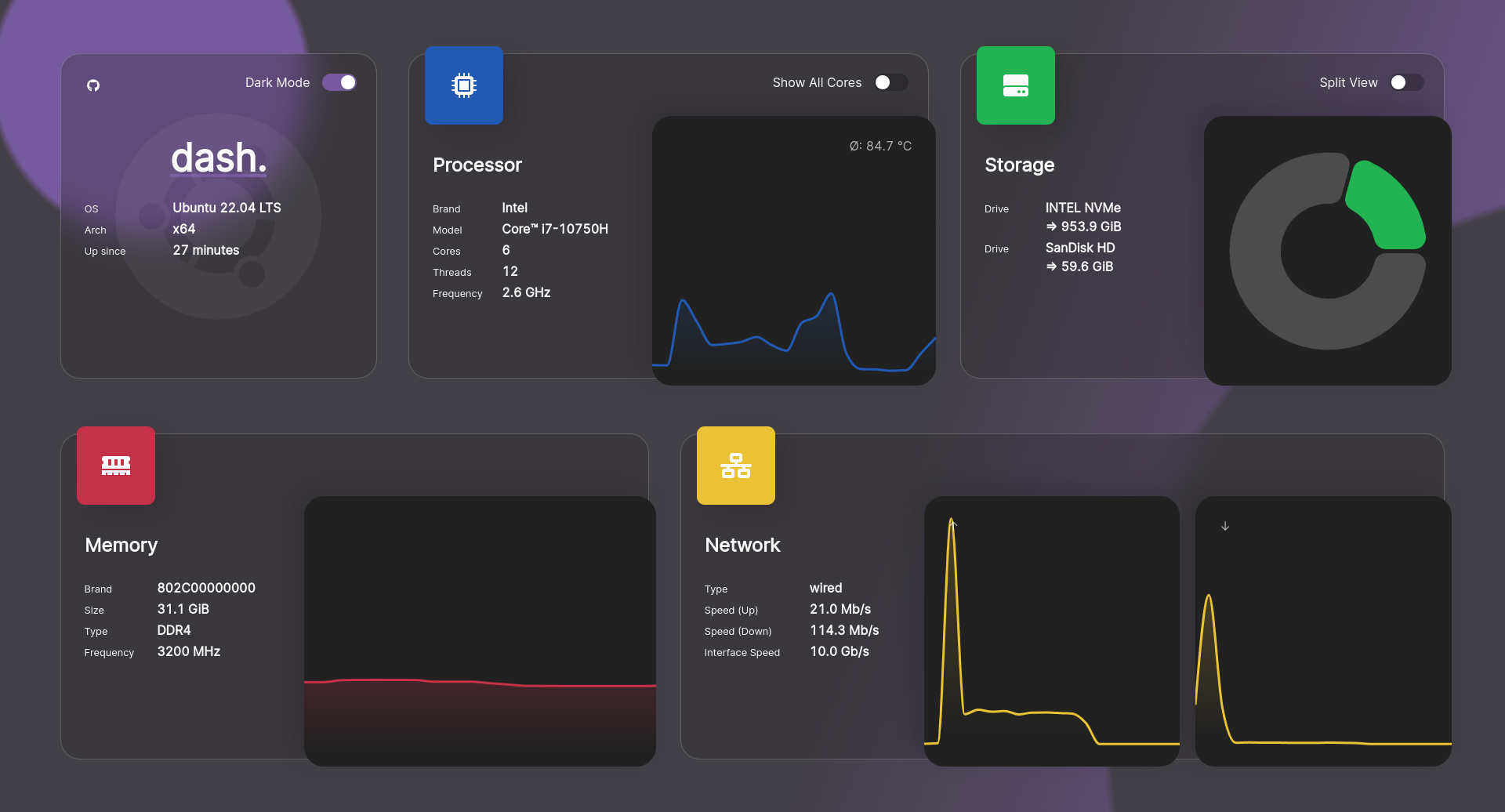
Ubuntu Server is one of the most popular Linux distributions for servers, known for its stability, ease of use, and strong community support. It’s built on the Debian stable release, making it ideal for both beginners and experienced administrators. Ubuntu Server is widely used in cloud environments, data centers, and web hosting due to its robust package management system and extensive documentation. Its compatibility with a wide range of hardware and software ensures seamless integration, while its regular updates keep security patches current. Whether you’re running a small business server or scaling a cloud infrastructure, Ubuntu Server provides a reliable foundation.
- Stable and Reliable: Ubuntu Server is based on Debian’s stable release, ensuring long-term support and minimal downtime.
- User-Friendly Package Management: The apt package manager simplifies software installation, updates, and dependency resolution.
- Strong Cloud and Web Hosting Support: Integrates well with cloud platforms like AWS, Azure, and Google Cloud, and is a favorite for shared hosting.
- Extensive Documentation and Community: Comprehensive guides, forums, and tutorials make it easy for users to troubleshoot and optimize.
- Regular Security Updates: Automated security updates and patches help protect against vulnerabilities.
2. CentOS Stream

CentOS Stream is a rolling-release distribution derived from Red Hat Enterprise Linux (RHEL), making it a powerful choice for servers that require frequent updates and cutting-edge features. Unlike traditional CentOS, which used a stable release, CentOS Stream mirrors RHEL’s development cycle, ensuring compatibility with the latest software while maintaining stability. It’s particularly favored by developers and enterprises that need to stay ahead of the curve without the overhead of managing multiple releases. CentOS Stream’s tight integration with RHEL tools and packages makes it a solid option for cloud deployments and high-performance applications.
- Rolling Release Model: Continuous updates mirroring RHEL’s development cycle, ensuring access to the latest features.
- RHEL Compatibility: Works seamlessly with Red Hat’s enterprise-grade tools and libraries.
- Lightweight and Efficient: Optimized for performance, making it ideal for resource-constrained environments.
- Strong Community and Enterprise Support: Backed by Red Hat’s expertise, offering robust troubleshooting and documentation.
- Great for Cloud and DevOps: Supports Docker, Kubernetes, and other modern cloud-native technologies.
3. Debian
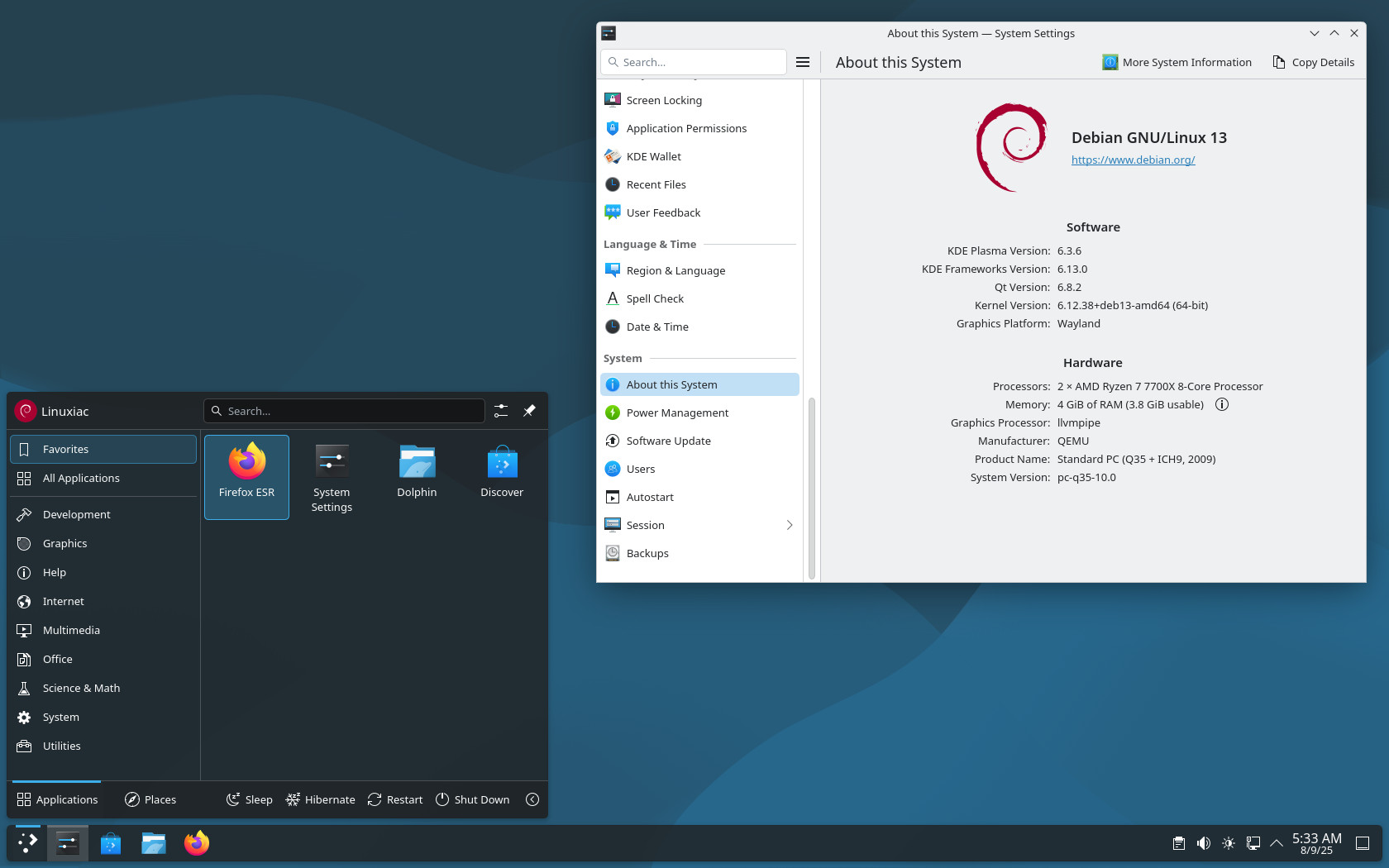
Debian is one of the oldest and most respected Linux distributions, known for its stability, security, and adherence to the Debian Free Software Guidelines. It’s a preferred choice for servers that prioritize reliability and long-term support. Debian’s stable release is ideal for production environments where downtime is unacceptable, while its testing and unstable branches offer cutting-edge software for experimental setups. Its package management system is robust, and its extensive documentation makes it a favorite among sysadmins. Debian’s minimal footprint and focus on security make it a top pick for enterprise-level servers.
- Extreme Stability and Security: Based on Debian’s stable release, ensuring minimal bugs and vulnerabilities.
- Comprehensive Package Management: The apt package manager supports thousands of software packages with precise dependency resolution.
- Long-Term Support (LTS) Versions: Offers five-year support for stable releases, ideal for mission-critical servers.
- Minimalist and Lightweight: Designed for efficiency, making it suitable for low-power hardware.
- Strong Community and Documentation: Extensive forums, wikis, and official guides assist with troubleshooting.
4. Rocky Linux

Rocky Linux is a fully compatible, community-driven alternative to Red Hat Enterprise Linux (RHEL), designed to provide enterprise-grade stability and support without the cost of RHEL. It follows RHEL’s release cycle closely, ensuring compatibility with enterprise software while offering a free, open-source alternative. Rocky Linux is particularly popular among developers and organizations that need a reliable server OS without the licensing fees associated with RHEL. Its strong community support and regular updates make it a solid choice for cloud deployments, data centers, and high-performance applications.
- RHEL Compatibility: Identical API and package compatibility with Red Hat Enterprise Linux.
- Enterprise-Grade Stability: Designed for long-term reliability, with minimal breaking changes.
- Free and Open-Source: Offers the same features as RHEL at no cost, making it accessible to all.
- Strong Community and Documentation: Active forums, tutorials, and official guides for support.
- Great for Cloud and Kubernetes: Supports Docker, Kubernetes, and other modern cloud-native tools.
5. AlmaLinux

AlmaLinux is another RHEL-compatible, community-driven distribution designed to provide enterprise-grade stability and support. Built to mirror RHEL’s release cycle, AlmaLinux ensures compatibility with enterprise software while offering a free, open-source alternative. It’s ideal for organizations that need a reliable server OS without the licensing costs of RHEL. AlmaLinux’s focus on stability and long-term support makes it a top choice for data centers, cloud deployments, and high-performance applications. Its tight integration with RHEL tools and packages ensures seamless adoption.
- RHEL Compatibility: Identical API and package compatibility with Red Hat Enterprise Linux.
- Enterprise-Grade Stability: Designed for long-term reliability with minimal breaking changes.
- Free and Open-Source: Provides enterprise-level features without licensing fees.
- Strong Community and Documentation: Active support through forums, tutorials, and official guides.
- Optimized for Cloud and Kubernetes: Supports Docker, Kubernetes, and other modern cloud-native technologies.
6. openSUSE Leap

openSUSE Leap is a stable, enterprise-grade Linux distribution known for its strong focus on reliability and security. Derived from openSUSE’s rolling-release Tumbleweed, Leap offers a stable release with long-term support, making it ideal for servers that require minimal downtime. It integrates well with modern software and cloud platforms, while its extensive documentation and community support ensure ease of use. openSUSE Leap is particularly favored by organizations that need a robust, secure, and maintainable server environment. Its package management system is efficient, and its compatibility with a wide range of hardware ensures flexibility.
- Stable and Long-Term Support: Five-year support for stable releases, ensuring reliability in production.
- Strong Security Features: Includes advanced security tools and regular updates to protect against vulnerabilities.
- Efficient Package Management: The zypper package manager supports thousands of software packages with precise dependency resolution.
- Cloud and Kubernetes Compatibility: Works seamlessly with Docker, Kubernetes, and other modern cloud-native tools.
- Minimalist and Lightweight: Optimized for performance, making it suitable for resource-constrained environments.
7. Arch Linux

Arch Linux is a rolling-release distribution known for its simplicity, flexibility, and focus on user empowerment. While it may not be the best choice for beginners, its rolling updates ensure access to the latest software and security patches. Arch Linux’s package management system, AUR (Arch User Repository), allows users to customize their environment with a wide range of software. It’s ideal for advanced users and developers who prioritize control and cutting-edge features. However, its complexity requires a steeper learning curve, making it less suitable for enterprise environments or those needing long-term stability.
- Rolling Release Model: Continuous updates ensure access to the latest software and security patches.
- User Empowerment: Highly customizable with extensive package management options.
- Strong Community Support: Active forums, wikis, and documentation assist with troubleshooting.
- Lightweight and Efficient: Optimized for performance, making it suitable for low-power hardware.
- Great for Developers: Supports a wide range of development tools and frameworks.
8. Fedora Server
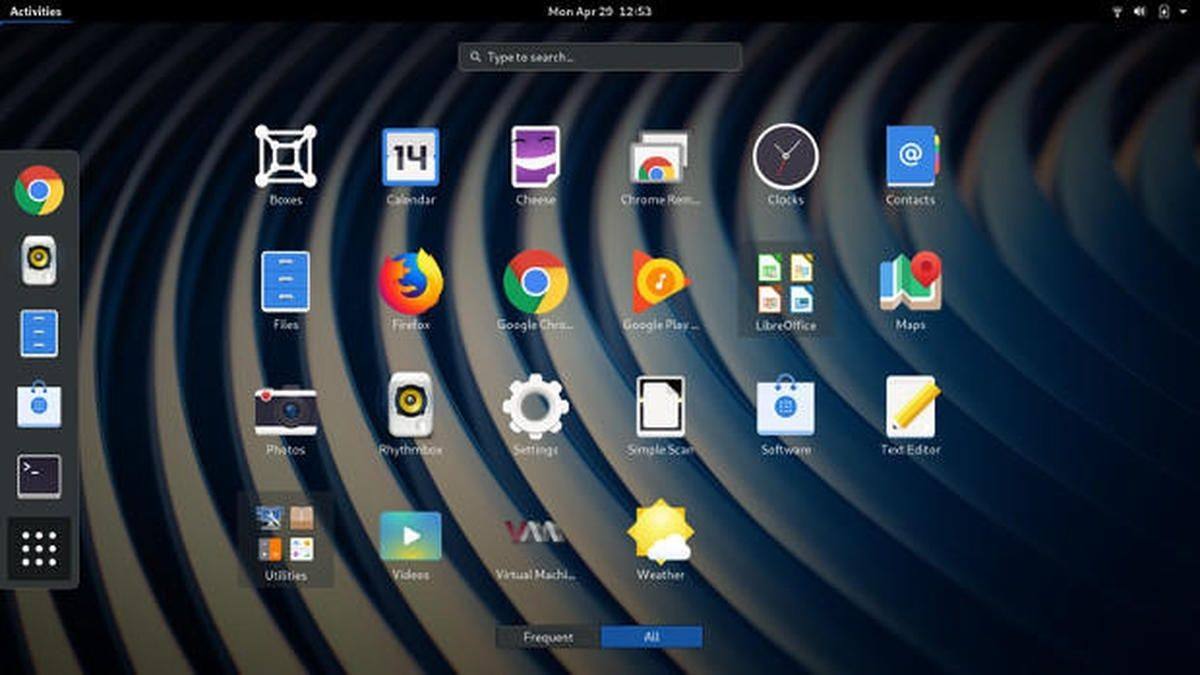
Fedora Server is a rolling-release distribution developed by Red Hat, designed specifically for server environments. It offers the latest software, security updates, and cutting-edge features while maintaining a strong focus on stability and performance. Fedora Server is ideal for organizations that need a modern, flexible server OS that evolves with the latest technologies. Its integration with Red Hat’s enterprise tools and support makes it a seamless choice for cloud deployments, data centers, and high-performance applications. However, its rolling-release nature may not be suitable for environments requiring long-term stability.
- Rolling Release Model: Continuous updates ensure access to the latest software and security patches.
- Modern and Flexible: Supports a wide range of cloud-native technologies and enterprise tools.
- Strong Security Features: Regular security updates and patches protect against vulnerabilities.
- Cloud and Kubernetes Compatibility: Works seamlessly with Docker, Kubernetes, and other modern cloud-native tools.
- Red Hat Enterprise Linux (RHEL) Compatibility: Future-proof with compatibility for Red Hat’s enterprise-grade software.
9. Kali Linux
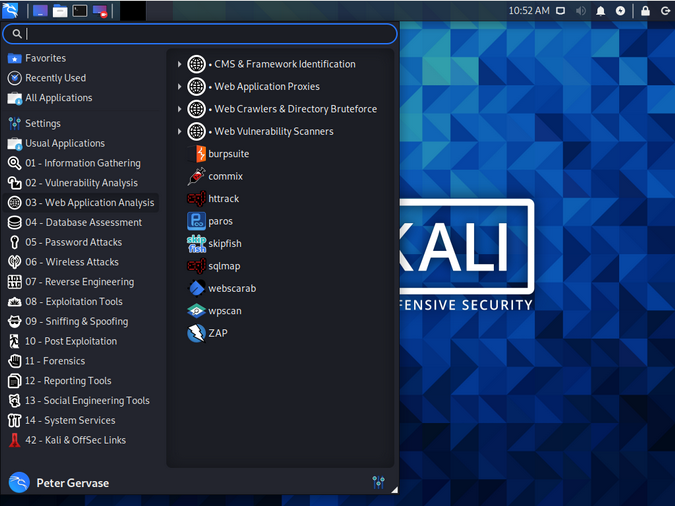
Kali Linux is a penetration testing and security auditing distribution designed specifically for ethical hackers and security professionals. While it’s not ideal for general server use, its extensive collection of security tools makes it a powerful choice for security-focused environments. Kali Linux is based on Debian and offers a rolling-release model, ensuring access to the latest security tools. It’s widely used for vulnerability assessments, network security testing, and cybersecurity research. However, its focus on security tools may not align with the needs of standard server administrators.
- Extensive Security Tools: Includes thousands of tools for penetration testing, auditing, and security research.
- Rolling Release Model: Continuous updates ensure access to the latest security tools and patches.
- Debian-Based: Stable foundation with strong community support and documentation.
- Lightweight and Efficient: Optimized for performance, making it suitable for resource-constrained environments.
- Great for Ethical Hackers: Ideal for security professionals, penetration testers, and cybersecurity researchers.
Frequently Asked Questions
What are the best Linux distributions for servers?
The best Linux distributions for servers vary based on your specific needs, such as stability, updates, compatibility, and use case. Ubuntu Server, CentOS Stream, Debian, Rocky Linux, and AlmaLinux are top choices for general-purpose servers due to their reliability and enterprise support. For security-focused environments, Kali Linux is an excellent option, while Fedora Server is ideal for modern, cutting-edge server deployments.
How do I choose the right Linux server OS?
To choose the right Linux server OS, consider factors like your budget, technical expertise, required updates, and specific use cases. If stability and long-term support are priorities, opt for Debian or Ubuntu Server. For enterprise environments, RHEL-compatible distributions like Rocky Linux or AlmaLinux are excellent choices. If you need cutting-edge features, Fedora Server or Arch Linux may be better suited.
Can I use open-source Linux distributions for cloud hosting?
Yes, open-source Linux distributions are widely used for cloud hosting. Ubuntu Server, CentOS Stream, and Debian are popular choices due to their compatibility with major cloud providers like AWS, Azure, and Google Cloud. These distributions offer robust package management, security updates, and support for cloud-native technologies like Docker and Kubernetes.
What is the difference between rolling-release and stable-release Linux distributions?
Rolling-release distributions, like Fedora Server and Arch Linux, provide continuous updates and access to the latest software and security patches. Stable-release distributions, such as Ubuntu Server and Debian, offer long-term support with fewer updates, ensuring stability for production environments. Rolling-release models are better for cutting-edge environments, while stable-release models are ideal for mission-critical, low-downtime applications.
How do I ensure my Linux server OS is secure?
Ensuring the security of your Linux server OS involves regular updates, using firewalls, enforcing strong access controls, and monitoring for vulnerabilities. Most Linux distributions provide automated security updates, so keeping your OS current is crucial. Additionally, configuring user permissions, disabling unused services, and using tools like fail2ban can help protect against unauthorized access and attacks.
Which Linux distribution is best for beginners?
For beginners, Ubuntu Server and Debian are excellent choices due to their user-friendly package management systems, extensive documentation, and strong community support. These distributions offer stability and ease of use, making them ideal for learning and setting up servers without a steep learning curve.
Can I use Linux distributions with different update cycles for servers?
Yes, you can use Linux distributions with different update cycles, but it depends on your needs. Rolling-release distributions like Fedora Server and Arch Linux provide frequent updates, which can be beneficial for cutting-edge environments but may introduce minor instability. Stable-release distributions like Ubuntu Server and Debian are better for environments requiring long-term stability and minimal downtime.