
best web hosting for business


Choosing the right web hosting for a business isn’t just about finding a service that meets your current needs—it’s about setting the foundation for growth, reliability, and efficiency. When your website is the public face of your company, every second of downtime or slow performance can cost you customers, lost revenue, or damage to your reputation. The hosting platform you pick will determine how smoothly your site runs, how secure it stays, and how easily you can scale as your operations expand. Small businesses often start with affordable shared hosting, but as traffic grows, you’ll need to upgrade to options that offer better performance, dedicated resources, and advanced features without breaking the bank.
Not all hosting solutions are created equal, and the best choice depends on your specific requirements—whether that’s managing a simple blog, handling a growing e-commerce store, or supporting complex applications. Some providers prioritize speed and uptime, while others offer robust management tools for better control over your digital presence. The right hosting will also align with your budget, technical expertise, and long-term goals. Making the wrong decision early can lead to hidden costs later, so it’s worth taking the time to evaluate what’s essential before committing.
Below, I’ve assembled a list below of the best options for business web hosting, each tailored to different stages of growth and operational needs.
📋 Table of Contents
- 1. Shared Hosting for Small Businesses
- 2. VPS Hosting for Growing Businesses
- 3. Dedicated Server Hosting for Large Enterprises
- 4. Cloud Hosting for Flexible Scaling
- 5. Managed WordPress Hosting for Bloggers
- 6. Managed Cloud Hosting for Developers
- 7. Green Hosting for Eco-Conscious Businesses
- 8. Kubernetes-Based Hosting for Enterprise Apps
- 9. Local Hosting for Offline Development
1. Shared Hosting for Small Businesses

Shared hosting is ideal for small businesses just starting out or those with low traffic. It offers affordable pricing and easy setup, making it perfect for beginners who need a simple, cost-effective solution. Shared hosting packages typically include basic website storage, bandwidth, and support, though performance can vary depending on the number of users on the same server. It’s a great starting point for businesses that don’t yet need dedicated resources but still require reliable hosting.
- Affordable Pricing: Starts as low as $3.95/month, making it accessible for small businesses with tight budgets.
- Easy Setup: User-friendly control panels like cPanel simplify website management and hosting configuration.
- Basic Security Measures: Includes essential security features like SSL certificates and malware scanning to protect your site.
- Scalability Options: Can upgrade to VPS or dedicated hosting as your business grows.
2. VPS Hosting for Growing Businesses

Virtual Private Server (VPS) hosting is perfect for businesses experiencing moderate traffic growth or needing more control over their server environment. Unlike shared hosting, a VPS provides dedicated resources, ensuring consistent performance and privacy. This type of hosting is ideal for e-commerce stores, SaaS applications, or any business requiring custom software or advanced security features. VPS hosting offers flexibility and scalability, allowing you to adjust resources as your needs evolve.
- Dedicated Resources: Allocated CPU, RAM, and storage ensure stable performance even during traffic spikes.
- Root Access: Full control over server configurations and software installations.
- Scalability: Easily upgrade or downgrade resources to match business growth.
- Cost-Effective Alternative to Dedicated Servers: More affordable than dedicated hosting while offering similar performance.
3. Dedicated Server Hosting for Large Enterprises

Dedicated server hosting is the premium choice for large enterprises with high traffic, complex infrastructure, or strict compliance needs. This solution provides a fully dedicated physical server, giving you complete control over hardware, software, and security. It’s ideal for mission-critical applications, enterprise-level websites, or businesses requiring maximum uptime and performance. While the cost is higher, dedicated servers offer unmatched reliability and customization options for businesses that prioritize performance above all else.
- Full Server Control: Exclusive use of hardware, allowing full customization of OS and software.
- High Performance and Uptime: Reliable uptime guarantees and optimized hardware for peak performance.
- Enhanced Security: Advanced security measures, including firewalls, DDoS protection, and 24/7 monitoring.
- Scalability and Flexibility: Can integrate with additional services like managed backups and cloud storage.
4. Cloud Hosting for Flexible Scaling

Cloud hosting is a modern solution for businesses that need scalability, flexibility, and redundancy. Unlike traditional hosting, cloud services distribute resources across multiple servers, ensuring performance even during traffic surges. This model is ideal for businesses with unpredictable traffic patterns, such as online retailers during holiday seasons or startups testing new products. Cloud hosting also simplifies backup and disaster recovery, as data is automatically synced across multiple servers. It’s particularly well-suited for businesses that require frequent updates or integrations with other cloud services.
- Auto-Scaling Capabilities: Resources automatically adjust based on demand, preventing downtime.
- Global Reach: Deploy servers in multiple regions for faster load times worldwide.
- Cost Efficiency: Pay only for the resources you use, reducing overhead costs.
- Enhanced Security and Compliance: Advanced security protocols and compliance certifications for sensitive data.
5. Managed WordPress Hosting for Bloggers

Managed WordPress hosting is tailored for bloggers, small business owners, and developers who want a seamless WordPress experience. Unlike standard shared hosting, managed WordPress plans include optimized server configurations, automatic updates, and dedicated support for WordPress-specific issues. This type of hosting is ideal for those who prioritize ease of use, security, and performance without worrying about technical maintenance. It’s particularly useful for businesses relying on WordPress for content marketing, e-commerce, or membership sites.
- Optimized WordPress Performance: Server configurations and caching enhance site speed and SEO.
- Automatic Backups and Security: Regular backups and malware scanning to protect your site.
- Dedicated Support: Specialized support for WordPress issues and troubleshooting.
- Easy Migration: One-click migration tools for seamless site transfers.
6. Managed Cloud Hosting for Developers
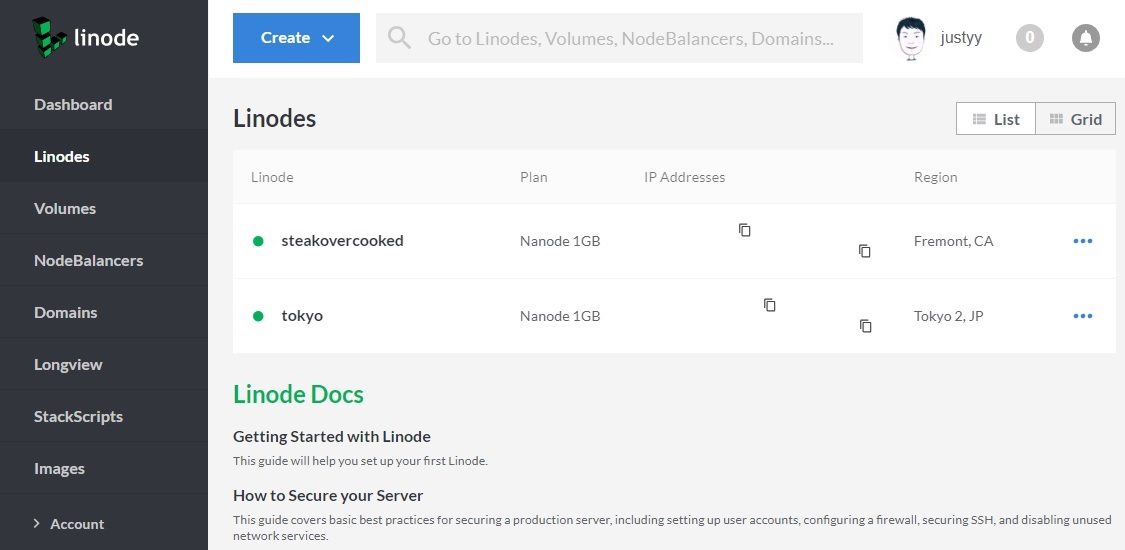
Managed cloud hosting is designed for developers and businesses needing advanced control over their infrastructure. Unlike unmanaged cloud services, managed plans include technical support, security patches, and performance monitoring. This hosting is ideal for developers building custom applications, APIs, or microservices. It offers flexibility for testing and deploying code while ensuring reliability and scalability. Managed cloud hosting is also great for teams that require collaboration tools and automated workflows.
- Full Server Management: Support for custom OS, software, and security configurations.
- Automated Scaling: Easily adjust resources based on application needs.
- Enhanced Security: Regular security audits and compliance certifications.
- Developer-Friendly Tools: Integrations with CI/CD pipelines and version control.
7. Green Hosting for Eco-Conscious Businesses

Green hosting is a niche but growing option for businesses committed to sustainability. These providers use renewable energy sources, energy-efficient hardware, and eco-friendly data centers to reduce their carbon footprint. While not as widely known as traditional hosting, green hosting is ideal for environmentally conscious businesses, nonprofits, or companies looking to align their operations with sustainability goals. It’s also a great choice for businesses that want to communicate their commitment to eco-friendly practices to customers and partners.
- Renewable Energy Use: Powered by solar, wind, or other clean energy sources.
- Energy-Efficient Infrastructure: Hardware and data centers designed to minimize energy consumption.
- Carbon Neutral Operations: Offsets carbon emissions through verified sustainability programs.
- Transparency and Certifications: Provides detailed reports on environmental impact and certifications.
8. Kubernetes-Based Hosting for Enterprise Apps
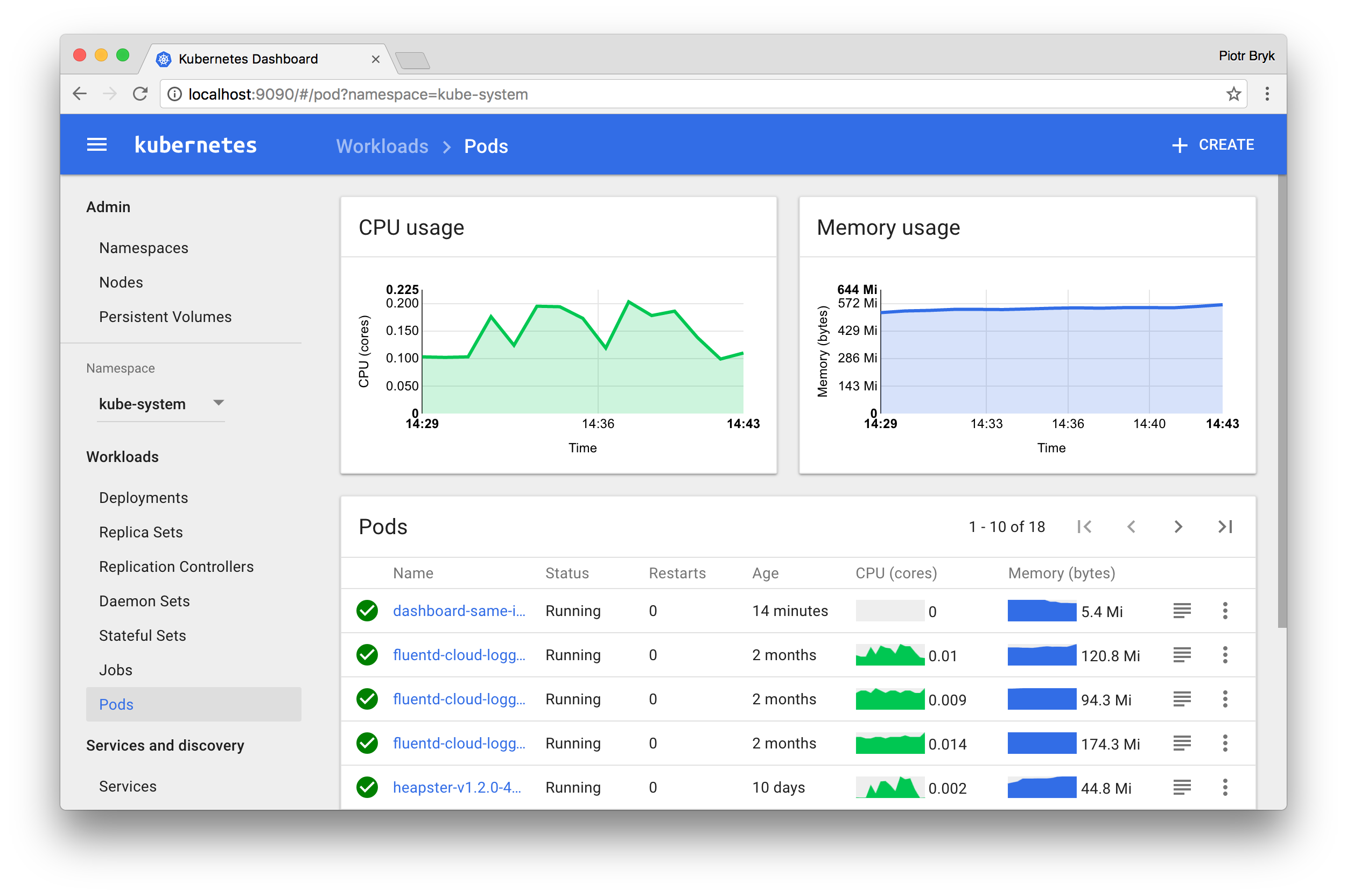
Kubernetes-based hosting is a cutting-edge solution for large enterprises deploying complex, containerized applications. Kubernetes (often called K8s) automates the deployment, scaling, and management of containerized services, making it ideal for high-performance, scalable applications. This hosting is best suited for businesses using microservices architecture, AI/ML models, or real-time data processing. It requires technical expertise but offers unmatched flexibility and reliability for modern enterprise needs.
- Container Orchestration: Automates deployment, scaling, and management of containers.
- High Availability and Fault Tolerance: Ensures continuous operation with redundant systems.
- Self-Healing Capabilities: Automatically detects and resolves issues in running applications.
- Integration with DevOps Tools: Works seamlessly with CI/CD pipelines and monitoring tools.
9. Local Hosting for Offline Development

Local hosting allows developers and businesses to test websites and applications offline without relying on external servers. This type of hosting is ideal for developers working on prototypes, small projects, or testing new features before deploying to a live server. Local hosting typically uses software like WAMP (Windows, Apache, MySQL, PHP) or MAMP (Mac, Apache, MySQL, PHP) to simulate a live environment. It’s a cost-effective solution for small teams or individuals who need a private, isolated testing environment.
- Offline Development: Simulates live server conditions for testing without internet dependency.
- Full Control Over Environment: Customizable server configurations for specific project needs.
- Cost-Effective: No ongoing hosting fees; software is installed locally.
- Ideal for Learning and Prototyping: Great for beginners and small-scale projects.
Frequently Asked Questions
What factors should I consider when choosing web hosting for my business?
When selecting web hosting, consider your business size, traffic expectations, technical needs, and budget. Shared hosting is best for small businesses with low traffic, while dedicated or cloud hosting suits larger enterprises requiring scalability and performance. Also, evaluate security features, uptime guarantees, and customer support quality to ensure reliability.
How do I know if my business needs VPS hosting instead of shared hosting?
If your business experiences moderate traffic growth, requires custom software, or needs more control over server configurations, VPS hosting is likely the better choice. Shared hosting may not provide the performance or resources you need as your business scales, whereas VPS offers dedicated resources and flexibility.
What is the difference between managed and unmanaged hosting?
Managed hosting includes server maintenance, security updates, and technical support, making it ideal for businesses that want to focus on their core operations. Unmanaged hosting requires you to handle server management, software updates, and security, which can be time-consuming and complex for non-technical users.
Is cloud hosting better than traditional hosting for small businesses?
Cloud hosting offers flexibility and scalability, which can be advantageous for small businesses with unpredictable traffic. However, traditional shared hosting may be more cost-effective for very small businesses with low traffic. Cloud hosting also requires a steeper learning curve, so consider your team’s technical expertise before committing.
How important is security in web hosting, and what should I look for?
Security is critical for protecting your business data and customer information. Look for hosting providers that offer SSL certificates, malware scanning, regular backups, and DDoS protection. Reputable providers also provide 24/7 monitoring and support to address security threats promptly.
Can I upgrade my hosting plan as my business grows?
Most hosting providers offer scalable plans that allow you to upgrade resources as your business grows. Whether moving from shared to VPS, cloud, or dedicated hosting, check with your provider to ensure seamless migration and avoid downtime.
What are the best hosting providers for WordPress websites?
For WordPress websites, managed hosting providers like SiteGround, WP Engine, and Kinsta are highly recommended. These platforms offer optimized performance, automatic updates, and dedicated support for WordPress-specific issues, making them ideal for bloggers and small business owners.