
best web hosting for startups


Starting a business online means choosing the right hosting solution from the beginning. The platform you pick will shape how fast your site loads, how secure it stays, and how easily you can scale as demand grows. For startups, the goal isn’t just to pick a service that works today—it’s to avoid hidden costs, downtime, or technical headaches that can slow progress. The best hosting balances performance, reliability, and affordability without overcommitting to features you won’t need right away.
Many small businesses assume all hosting is the same, but the reality is far more nuanced. Shared hosting is cheap but limited, while dedicated or VPS plans come with higher costs and complexity. Cloud-based options offer flexibility, but only if you pick a provider that actually scales with you. The key is finding a provider that grows with your needs without forcing you into a rigid contract or charging you for features you don’t use. Below, I’ve assembled a list below of the best options for web hosting for startups.
📋 Table of Contents
1. Shared Hosting for Startups

Shared hosting is the most budget-friendly option for startups, ideal when you’re just launching or testing ideas. It pools your resources with other websites on the same server, keeping costs low while still delivering reliable performance. Startups often choose shared hosting because it offers simplicity and scalability—you can upgrade later as your traffic grows. It’s perfect for small businesses, blogs, or e-commerce stores with modest needs, though performance may vary depending on server load.
- Low-cost pricing: Typically starts at $2.95–$10/month, making it accessible for startups with limited budgets.
- Easy setup: User-friendly control panels like cPanel simplify website management, including file hosting, email, and domain management.
- Basic security: Includes essential security features like SSL certificates, malware scanning, and automated backups to protect your site.
- Scalable plans: Many providers offer upgrades to VPS or dedicated hosting as your traffic increases.
- 24/7 support: Basic customer support is available, though response times may vary depending on the provider.
2. VPS Hosting for Startups

Virtual Private Server (VPS) hosting gives startups more control and performance than shared hosting without the complexity of dedicated servers. It allocates a dedicated portion of a server’s resources to your site, ensuring consistent speed and reliability. VPS is ideal for growing startups that need customization, such as custom software solutions, high-traffic applications, or advanced security features. It’s a step up from shared hosting but still cost-effective for businesses that outgrow basic hosting plans.
- Full server control: Root access allows you to install custom software, configure security settings, and optimize performance.
- Scalable resources: You can adjust CPU, RAM, and storage as your needs grow, avoiding costly over-provisioning.
- High performance: Isolated environment ensures consistent speed and uptime, even during traffic spikes.
- Cost-effective: Prices range from $10–$50/month, depending on resource allocation.
- Security features: Includes DDoS protection, firewalls, and regular security updates.
3. Cloud Hosting for Startups

Cloud hosting leverages distributed servers across multiple data centers, offering unmatched flexibility and scalability for startups. Unlike traditional hosting, cloud solutions allow you to pay only for the resources you use, making them ideal for unpredictable traffic or seasonal growth. Startups in tech, SaaS, or e-commerce often use cloud hosting for its ability to handle sudden spikes in demand without downtime. It’s best for innovative businesses that prioritize agility, global reach, and cost efficiency over traditional hosting limitations.
- Pay-as-you-go pricing: You only pay for the compute, storage, and network resources consumed, reducing upfront costs.
- Global scalability: Deploy your site across multiple regions to minimize latency and improve user experience worldwide.
- Automatic backups: Cloud providers offer automated snapshots and disaster recovery options to protect your data.
- High availability: Redundant servers ensure minimal downtime, even during server failures.
- Integration with tools: Seamless compatibility with development, DevOps, and analytics tools.
4. Managed WordPress Hosting

Managed WordPress hosting is tailored for startups building WordPress-based websites or blogs. These providers handle server maintenance, security, and updates, allowing you to focus on content and growth. Ideal for startups using WordPress for marketing sites, portfolios, or small e-commerce stores, managed hosting ensures optimal performance, security, and ease of use. It’s perfect for those who want a hassle-free experience without sacrificing speed or reliability.
- Optimized performance: Caching, CDN integration, and server-level optimizations ensure fast load times.
- Automatic backups: Daily backups and point-in-time recovery options protect against data loss.
- Security features: Regular malware scans, DDoS protection, and SSL certificates included.
- Easy WordPress management: One-click WordPress installs and updates simplify setup and maintenance.
- 24/7 support: Dedicated support teams provide priority assistance for WordPress-specific issues.
5. Dedicated Server Hosting
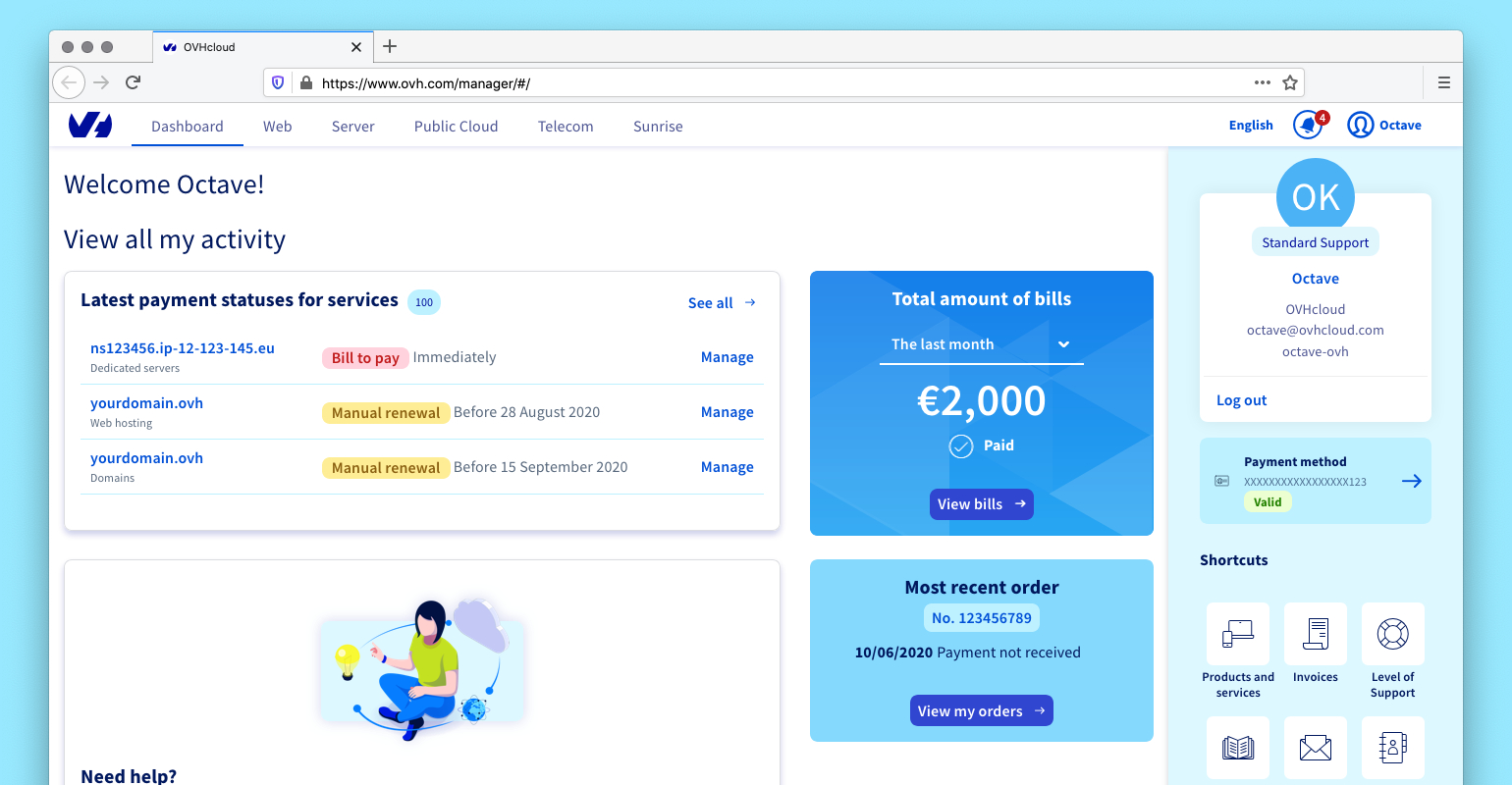
Dedicated server hosting provides a full, standalone server for your startup’s exclusive use, offering maximum control and performance. This option is best for established startups with high traffic, complex applications, or strict compliance needs. While more expensive than shared or VPS hosting, dedicated servers ensure no resource limitations, making them ideal for mission-critical websites or businesses requiring custom hardware configurations. It’s a long-term solution for startups ready to invest in stability and scalability.
- Full server control: Unlimited resources and complete access to server configurations and software.
- High performance: No shared resources mean consistent speed and reliability, even during peak traffic.
- Customizable security: Tailor security measures to your startup’s specific needs, including firewalls and encryption.
- Scalability options: Can upgrade hardware or add additional servers as your business grows.
- Enterprise-grade support: Dedicated account managers and 24/7 technical support for critical issues.
6. Green Hosting for Startups

Green hosting focuses on sustainability by using renewable energy sources to power servers, appealing to eco-conscious startups. This option aligns with modern business values while offering similar performance to traditional hosting. Startups prioritizing environmental responsibility or aiming for corporate sustainability certifications may choose green hosting. It’s a niche but growing choice for businesses that want to demonstrate their commitment to sustainability without compromising on reliability or cost.
- Renewable energy-powered servers: Uses solar, wind, or hydroelectric energy to reduce carbon footprint.
- Carbon-neutral operations: Offsets emissions through verified carbon credits and sustainable practices.
- Performance comparable to conventional hosting: Maintains typical uptime and speed standards.
- Eco-friendly data centers: Located in facilities with energy-efficient infrastructure.
- Transparency in sustainability efforts: Provides detailed reports on environmental impact and energy use.
7. E-Commerce Hosting for Startups
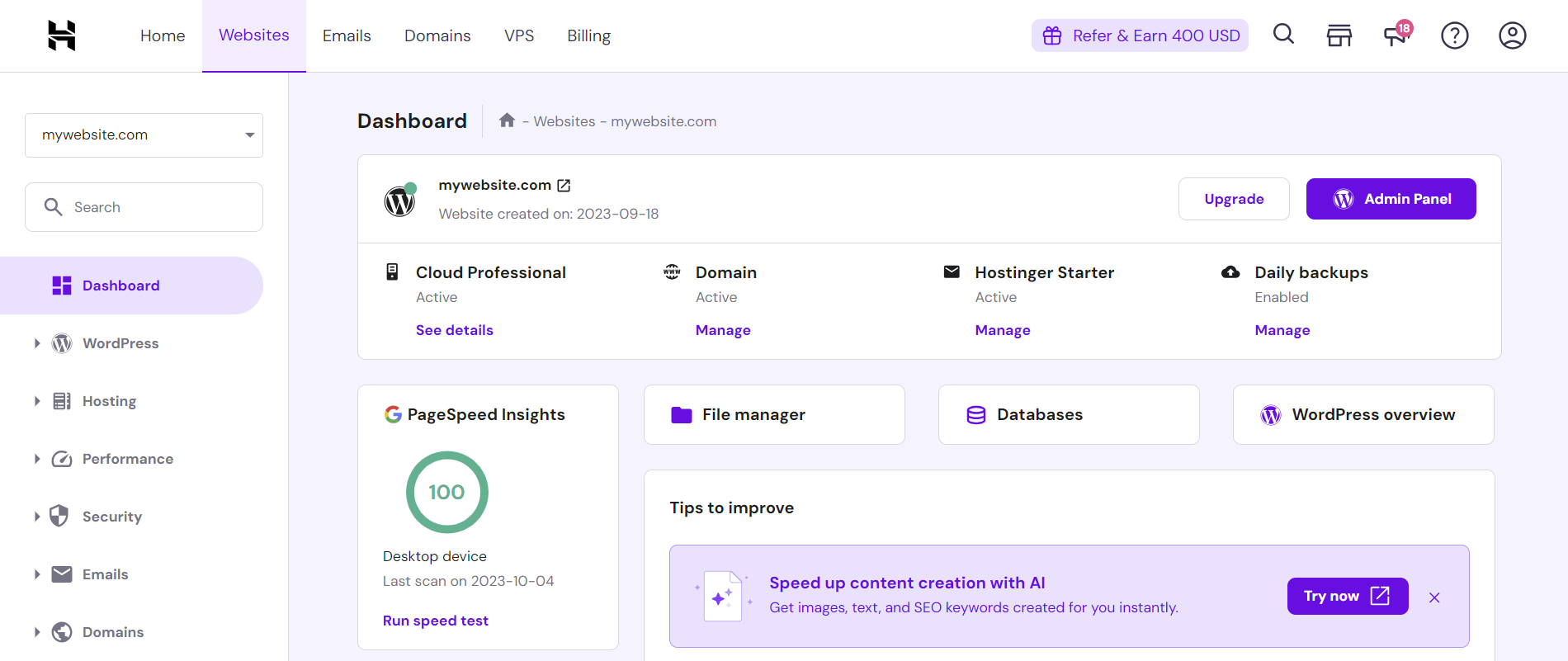
E-commerce hosting is designed specifically for online stores, offering features like secure payment gateways, inventory management, and checkout optimization. Startups launching Shopify, WooCommerce, or Magento stores need hosting that supports high transaction volumes and compliance requirements. These providers often include built-in security, SSL certificates, and tools for order processing, making them ideal for startups focused on sales and customer experience. It’s a specialized solution that simplifies the complexities of running an online business.
- Secure payment processing: Integrates with major payment gateways like PayPal, Stripe, and Square.
- Inventory and order management: Automates stock tracking, order fulfillment, and shipping integrations.
- High availability and uptime: Ensures minimal downtime to prevent lost sales during traffic spikes.
- Compliance and security: Automated PCI compliance checks and fraud protection features.
- Scalable solutions: Supports growth with features like multi-warehouse management and bulk discounts.
8. AI-Powered Hosting for Startups
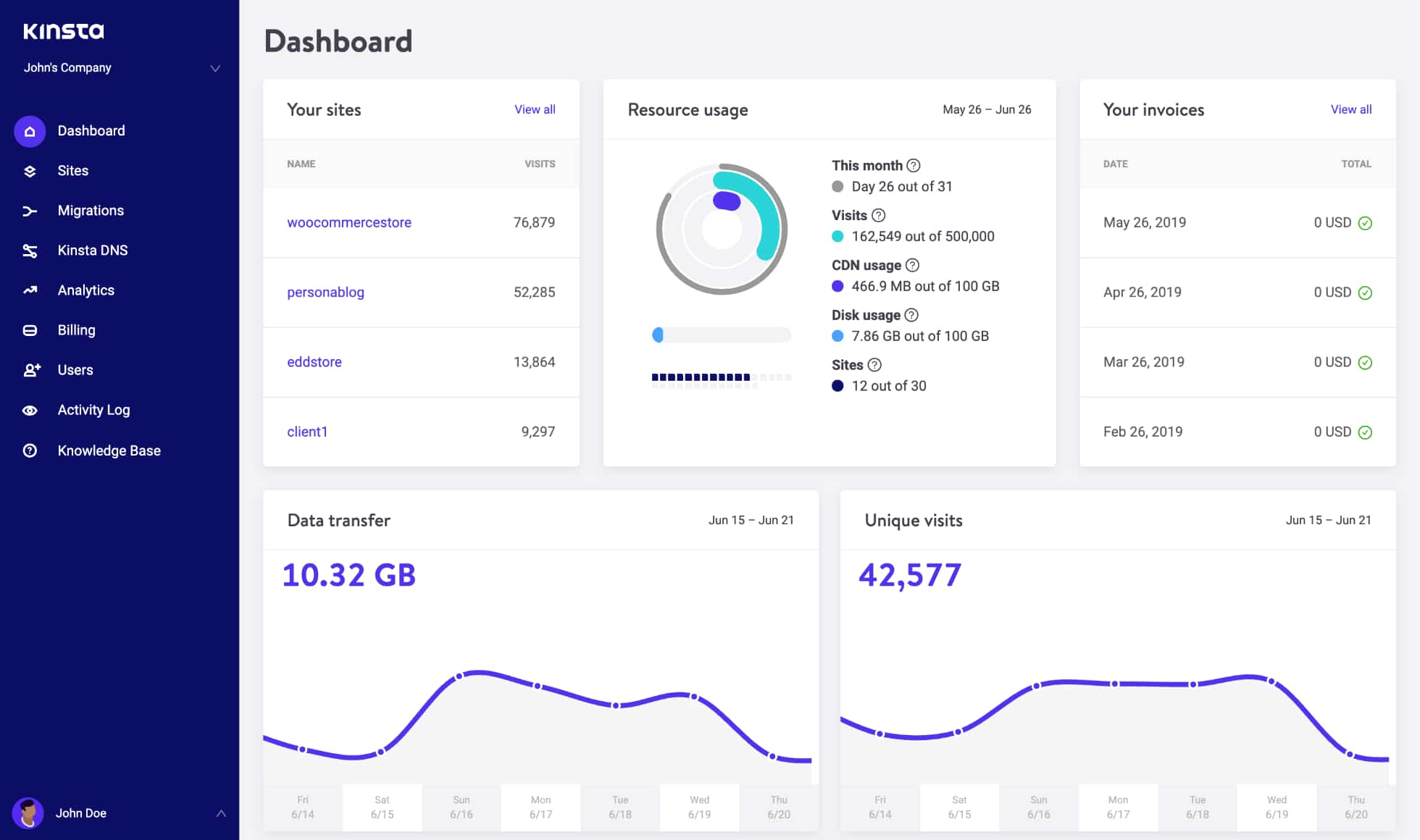
AI-powered hosting leverages artificial intelligence to optimize website performance, security, and user experience. Startups using AI-driven applications, chatbots, or dynamic content may benefit from this advanced hosting. These providers use AI to predict traffic patterns, automate backups, and detect threats in real time. While more expensive than traditional hosting, AI-powered solutions are ideal for innovative startups that rely on data-driven decisions and cutting-edge technology. It’s a premium option for businesses looking to future-proof their infrastructure with intelligent automation.
- AI-driven performance optimization: Uses machine learning to cache content, compress images, and reduce load times.
- Automated security: AI monitors for threats, malware, and DDoS attacks with instant responses.
- Predictive scaling: Automatically adjusts resources based on expected traffic spikes.
- Smart backups and recovery: AI-managed backups with automated restoration options.
- User experience enhancement: AI analyzes user behavior to personalize content and improve engagement.
9. Serverless Hosting for Startups
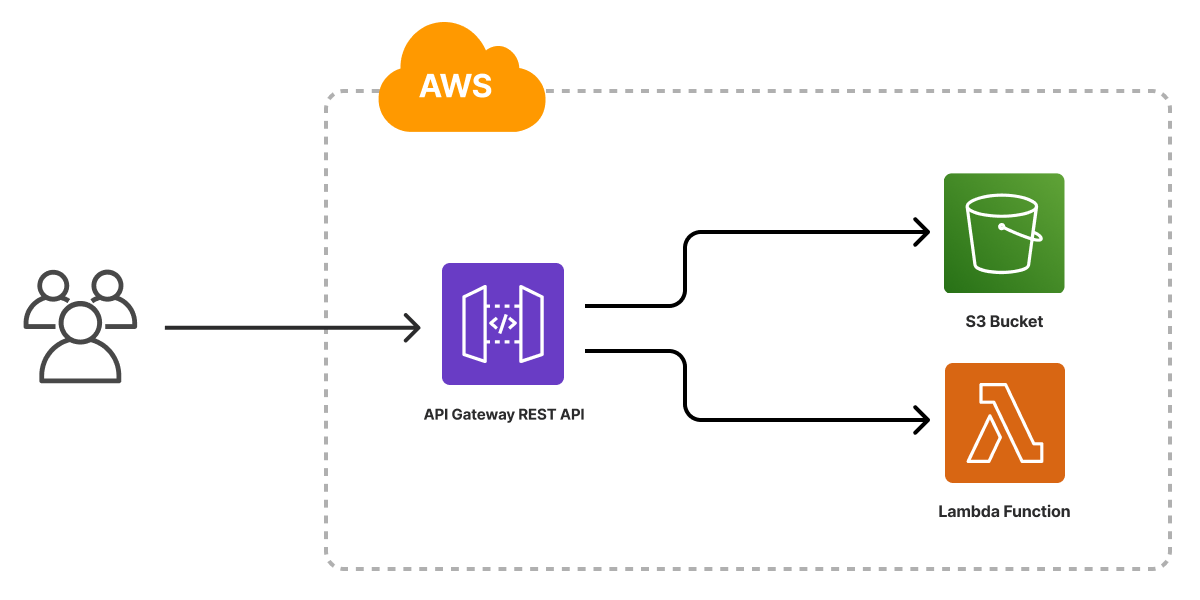
Serverless hosting eliminates the need for managing servers by automatically scaling and running code in response to events. Startups developing microservices, APIs, or event-driven applications benefit from this model. It reduces operational overhead, allowing developers to focus on innovation rather than infrastructure. Serverless hosting is cost-effective for variable workloads but may not suit startups with predictable, high-volume traffic. It’s ideal for tech-forward startups embracing modern cloud-native architectures.
- Automatic scaling: Resources scale up or down based on demand, with no manual intervention.
- Pay-per-use pricing: You only pay for the compute time consumed, making it cost-efficient for sporadic traffic.
- No server management: Handles infrastructure, security, and maintenance, freeing developers to focus on code.
- Global deployment: Supports multi-region deployments for low-latency access worldwide.
- Event-driven architecture: Triggers functions in response to events like API calls, database changes, or file uploads.
Frequently Asked Questions
What factors should I consider when choosing web hosting for my startup?
Start by assessing your startup’s current and projected needs, such as traffic volume, budget, and technical complexity. Consider whether you need shared hosting for simplicity, VPS for control, or cloud hosting for scalability. Evaluate security requirements, backup needs, and support quality. Startups often prioritize cost efficiency, performance, and ease of use, so align your choice with your long-term goals.
How do I know if my startup’s traffic will outgrow shared hosting?
Monitor your website’s performance and uptime regularly. If you notice slow load times, frequent downtime, or difficulty handling traffic spikes, it’s a sign you may need to upgrade. Shared hosting limits can become restrictive as your user base grows, so plan for scalability early. Many startups upgrade to VPS or cloud hosting once they hit 10,000+ monthly visitors.
Is managed WordPress hosting worth the extra cost for startups?
Managed WordPress hosting is worth it if you’re using WordPress for your startup’s website, blog, or e-commerce store. It simplifies maintenance, ensures faster performance, and includes security features that shared hosting often lacks. The cost is justified by the time and stress saved on technical tasks, especially for startups without dedicated IT teams.
What’s the difference between VPS and cloud hosting?
VPS hosting allocates a dedicated portion of a single server’s resources to your site, offering more control than shared hosting but less flexibility than cloud hosting. Cloud hosting, on the other hand, distributes resources across multiple servers, providing scalability, redundancy, and global reach. VPS is ideal for predictable workloads, while cloud hosting excels in variable or high-demand scenarios.
How can I ensure my startup’s website stays secure with web hosting?
Choose a hosting provider that includes SSL certificates, regular backups, and DDoS protection. Opt for managed hosting if you lack technical expertise to handle security updates and patches. Use strong passwords, enable two-factor authentication, and regularly audit your site for vulnerabilities. Many providers offer security plugins or tools for WordPress sites to add an extra layer of protection.
What’s the best hosting option for a startup launching an e-commerce site?
E-commerce hosting is tailored to support transactions, inventory, and checkout processes. Look for providers that include secure payment gateways, PCI compliance, and tools for order management. Startups should prioritize hosting with high availability, fast load times, and scalability to handle sales spikes. Managed WordPress or dedicated hosting with e-commerce-specific features often deliver the best results.
Can I switch hosting providers without downtime?
Yes, most reputable hosting providers offer migration services to minimize downtime. Choose a provider with a good reputation for migrations, and use tools like cPanel’s migration assistant or third-party migration services if needed. Plan the switch during a low-traffic period to reduce impact on your users. Always back up your site before transferring data.