
best website builder and hosting for small business


Small businesses need a reliable website builder and hosting solution that balances ease of use with performance and scalability. The right tools don’t just let you create a basic online presence—they help you manage content, drive traffic, and keep operations running smoothly without technical headaches. Many options exist, but the best ones offer intuitive drag-and-drop editors, fast load times, and built-in security features that protect your data and reputation. Whether you’re launching a new service or updating an existing site, the right setup ensures visitors land on a professional, functional platform that reflects your brand.
Choosing the wrong hosting or builder can slow you down, lead to downtime, or even cost more in the long run. Some services promise simplicity but deliver clunky interfaces or slow performance under heavy traffic. Others require deep technical knowledge to configure, which can be a barrier if you’re managing the site yourself. The key is finding a solution that grows with your business—one that keeps costs reasonable while delivering the performance and support you need to stay competitive.
Below, I’ve assembled a list of the best options for website builders and hosting for small businesses.
📋 Table of Contents
1. Wix Website Builder

Wix is a leading all-in-one website builder designed specifically for small businesses looking to establish a professional online presence without needing technical expertise. Its drag-and-drop interface allows users to create customizable websites quickly, whether for e-commerce, services, or portfolios. Wix is particularly popular among entrepreneurs and startups because it offers a wide range of templates that cater to various industries, from retail to creative services. The platform also integrates seamlessly with popular payment gateways, making it easier to start selling online right away. Its robust hosting ensures fast load times and reliable uptime, which is critical for maintaining customer trust.
- Drag-and-Drop Editor: Intuitive interface lets users design websites visually without coding skills.
- Wix ADI: Artificial Design Intelligence generates a professional site based on user inputs.
- E-Commerce Tools: Built-in features for online stores, including inventory management and secure checkout.
- App Market: Over 250 apps to extend functionality for marketing, CRM, and more.
- Global Hosting: Fast, secure hosting with multiple server locations for global reach.
2. Squarespace
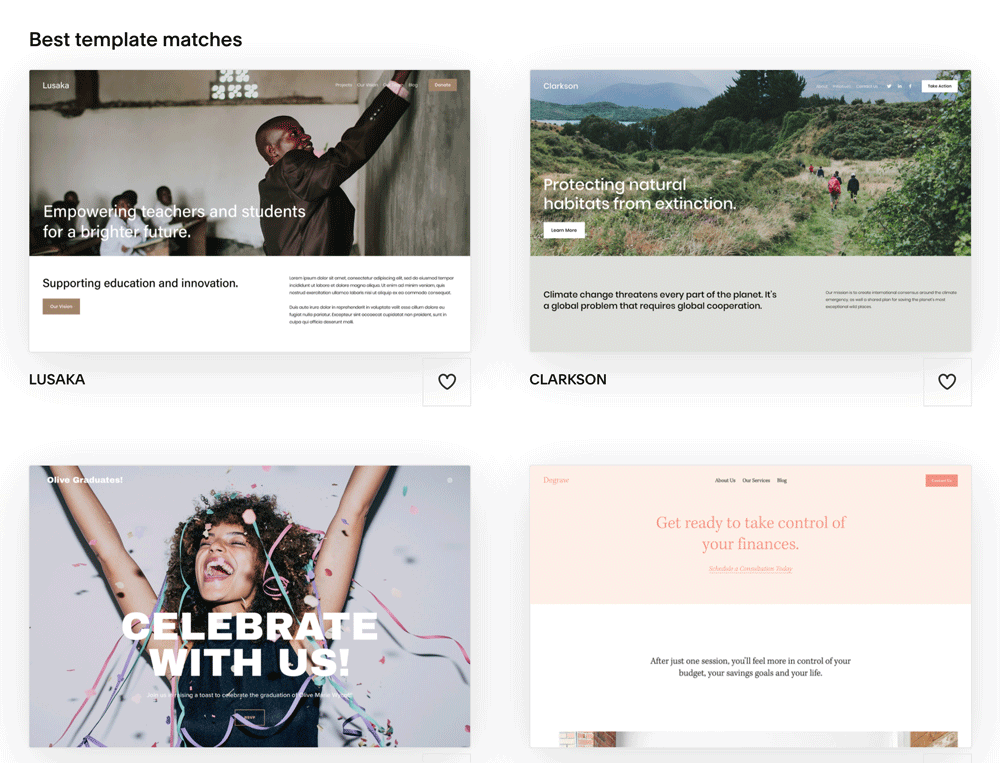
Squarespace is a sleek, designer-driven website builder ideal for creative professionals, artists, and small businesses that prioritize aesthetics and brand identity. Known for its visually stunning templates, Squarespace is perfect for industries like fashion, photography, and consulting, where first impressions matter. It simplifies the process of building a cohesive, high-end online presence with its user-friendly editor and built-in tools for blogging, portfolios, and online stores. Squarespace also offers excellent customer support, ensuring small business owners can get help when needed.
- Beautiful Templates: Professional, modern templates designed by top designers.
- Built-in CMS: Easy content management for blogs, galleries, and dynamic pages.
- E-Commerce Features: Customizable storefronts with inventory and payment integrations.
- Mobile Optimization: Automatically responsive designs that work on all devices.
- Domain Management: Simple domain setup and customization options.
3. Shopify

Shopify is the go-to platform for small businesses focused on e-commerce, offering a fully hosted solution for selling products online. It’s widely used by online retailers, handmade sellers, and dropshippers due to its scalability and powerful features. Shopify provides everything needed to launch and grow an online store, from inventory management to secure payment processing. Its app store allows businesses to add specialized tools like shipping labels, marketing automation, and customer loyalty programs. The platform also supports multi-channel selling, helping businesses reach customers across various platforms.
- Hosted E-Commerce: Fully managed hosting with built-in security and uptime guarantees.
- App Store: Thousands of apps to extend functionality for sales, marketing, and operations.
- Multi-Channel Selling: Sell on Shopify, social media, marketplaces, and more.
- Mobile App: Shopify Mobile App for managing inventory, orders, and customer interactions.
- Scalable Plans: Pricing tiers designed for small businesses to large enterprises.
4. GoDaddy Website Builder
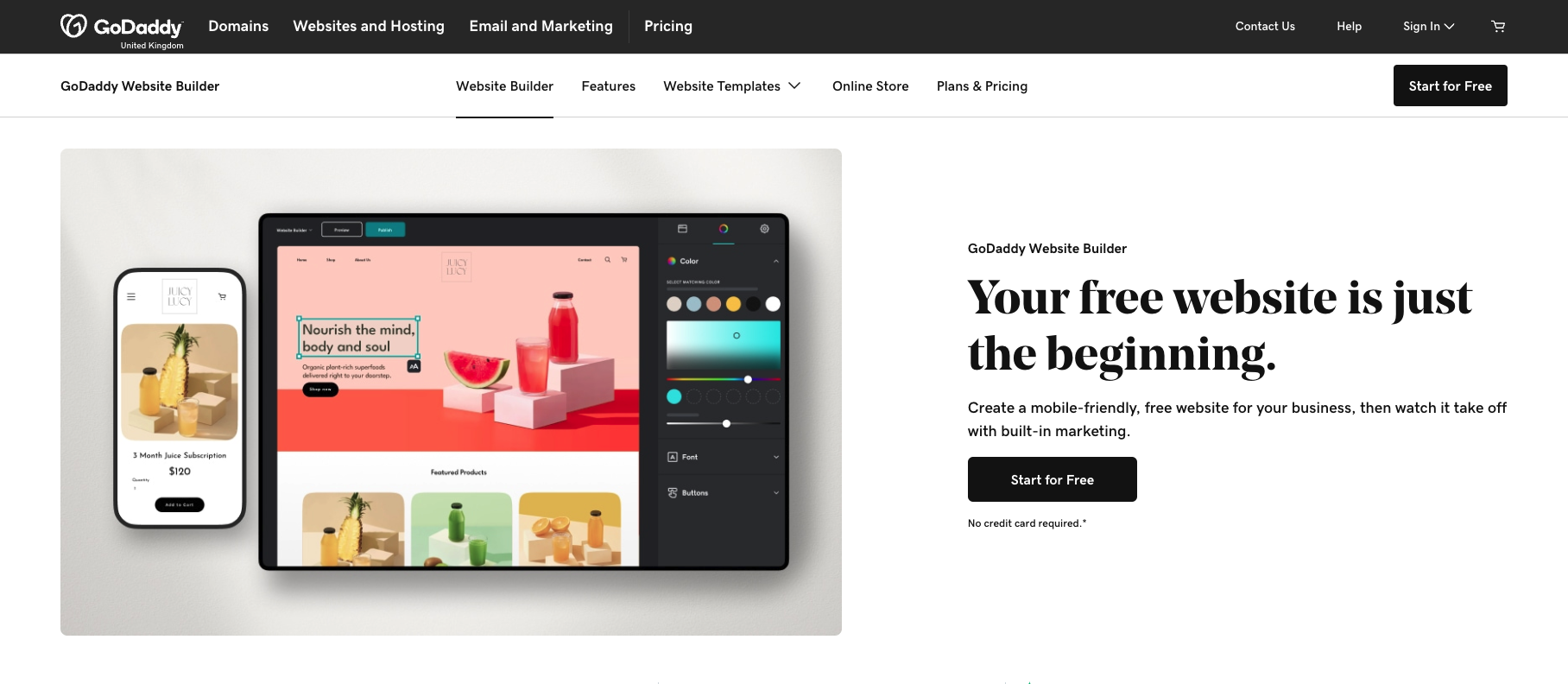
GoDaddy’s Website Builder is a straightforward solution for small businesses looking for a simple, no-frills way to create a website. It’s particularly well-suited for beginners or those with limited technical skills, offering a simple drag-and-drop editor with a variety of templates. GoDaddy’s builder integrates with its hosting services, making it easy to manage domains and website performance in one place. While it may lack some advanced features found in competitors, it’s a cost-effective option for small businesses prioritizing ease of use and affordability. The platform also includes tools for SEO basics and basic marketing integrations.
- Simple Editor: Easy-to-use drag-and-drop interface for quick website creation.
- GoDaddy Hosting: Included hosting with basic security and performance features.
- SEO Tools: Basic SEO optimization tools for improving search visibility.
- Domain Management: Simple domain setup and management options.
- Basic Marketing: Integrations for email marketing and social media.
5. WordPress.org (Self-Hosted)
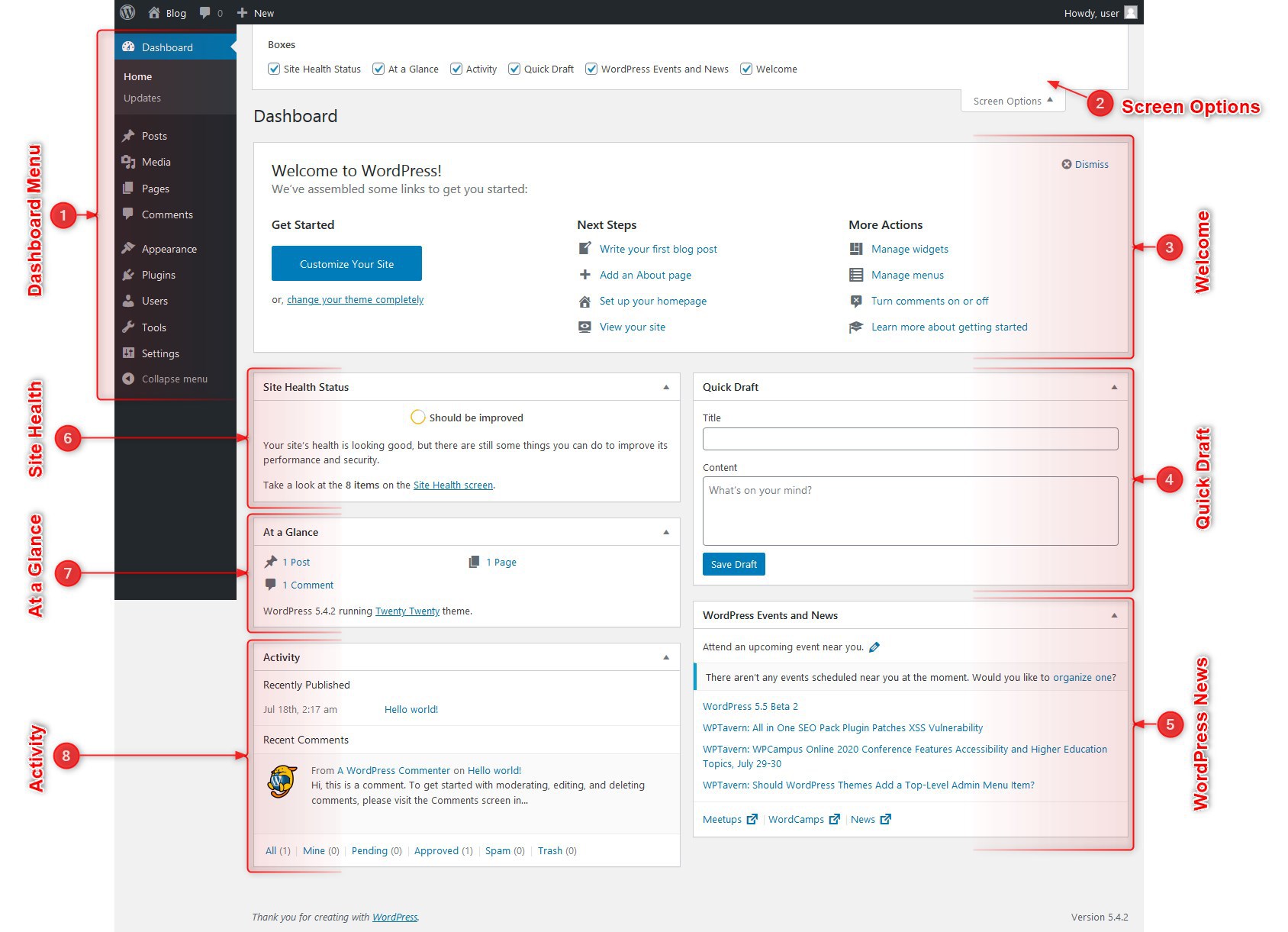
WordPress.org is the industry standard for self-hosted websites, offering unmatched flexibility and control for small businesses. Unlike hosted solutions, WordPress requires its own hosting provider, but this flexibility allows businesses to customize their websites deeply with themes, plugins, and content management systems. It’s ideal for businesses with specific needs, such as blogs, portfolios, or complex e-commerce setups. The open-source nature of WordPress means it’s constantly updated with new features, security patches, and performance improvements. However, managing WordPress requires more technical knowledge compared to no-code builders.
- Open-Source Flexibility: Customizable themes and plugins for endless design and functionality options.
- SEO-Friendly: Built-in SEO tools and plugins for better search rankings.
- E-Commerce Ready: Integrations with WooCommerce for advanced online store features.
- Multilingual Support: Plugins for reaching global audiences.
- Performance Optimization: Tools for speeding up site load times and security.
6. Webflow

Webflow is a powerful website builder for small businesses and designers who want more control over their digital presence than traditional no-code platforms offer. It combines design flexibility with development capabilities, making it ideal for agencies, creative professionals, and businesses needing dynamic websites. Webflow’s visual editor allows for precise styling and interactions, while its CMS capabilities enable easy content management. The platform also supports advanced e-commerce features, including custom checkout flows and subscription management. However, it requires a steeper learning curve compared to simpler builders.
- Design Control: Precise styling and interaction controls for custom designs.
- CMS Capabilities: Dynamic content management for blogs, portfolios, and more.
- E-Commerce Tools: Advanced features for online stores, including subscriptions.
- Hosting Options: Self-hosted or Webflow-hosted plans with performance optimizations.
- Global Development: Code export and customization for developers.
7. Site123
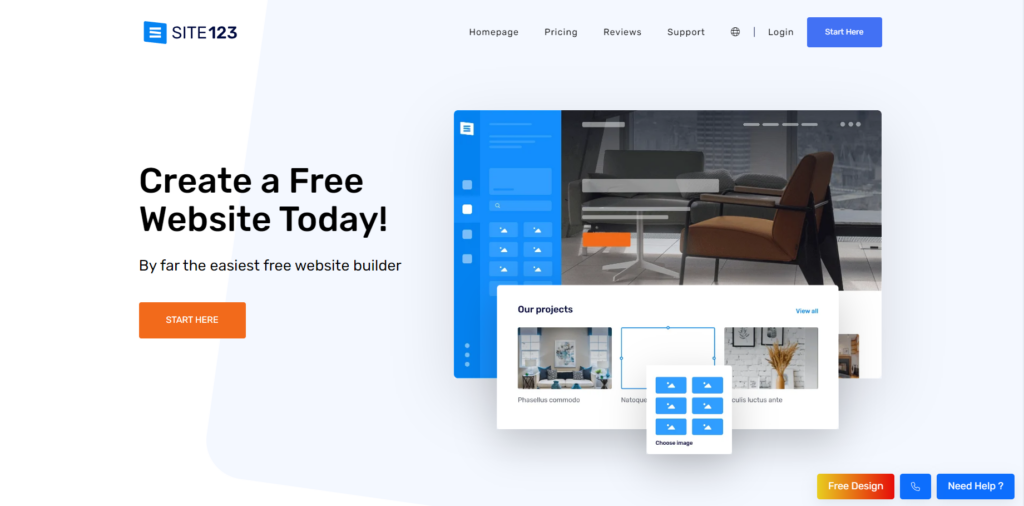
Site123 is a beginner-friendly website builder designed to simplify the process of creating a professional online presence. It’s particularly appealing to small businesses that want a quick, hassle-free solution without needing technical skills. Site123’s AI-powered assistant generates a website based on user inputs, while its drag-and-drop editor ensures customization is easy. The platform integrates with popular payment processors and offers basic SEO tools to help small businesses attract customers. While it may lack advanced features, it’s a solid choice for those prioritizing simplicity and speed.
- AI Website Builder: AI generates a website tailored to user preferences.
- Simple Editor: Drag-and-drop interface for easy customization.
- E-Commerce Support: Basic online store features and payment integrations.
- SEO Tools: Basic SEO optimization for improved search rankings.
- 24/7 Support: Reliable customer support for troubleshooting.
8. Duda

Duda is a website builder tailored for agencies and small businesses that need a collaborative, client-friendly solution. It’s known for its user-friendly interface and robust tools for managing client websites efficiently. Duda’s platform includes features like client portals, version control, and team collaboration tools, making it ideal for agencies handling multiple client sites. It also offers strong e-commerce capabilities, including customizable storefronts and payment processing. While it may not be as affordable as some competitors, it’s a great choice for businesses focused on professionalism and teamwork.
- Client Portals: Secure portals for client communication and updates.
- Team Collaboration: Tools for managing multiple client websites.
- E-Commerce Features: Customizable online store designs and integrations.
- Version Control: Track changes and revisions for client websites.
- Mobile Optimization: Automatically responsive designs for all devices.
9. IMOGIN Hosting + Website Builder

IMOGIN offers a unique blend of hosting and website building, designed for small businesses looking for a simple, all-in-one solution. Its platform combines a user-friendly website builder with reliable hosting services, making it easy to launch and manage a website without technical hassles. IMOGIN provides customizable templates, basic e-commerce tools, and SEO features to help small businesses establish an online presence quickly. While it may not be as feature-rich as competitors, it’s a cost-effective option for those prioritizing simplicity and affordability. The platform also includes basic marketing integrations to support business growth.
- All-in-One Solution: Combines website building and hosting in one platform.
- Customizable Templates: Simple yet professional templates for various industries.
- Basic E-Commerce: Online store features for selling products and services.
- SEO Tools: Basic SEO optimization for improved search visibility.
- Affordable Pricing: Budget-friendly plans for small businesses.
Frequently Asked Questions
What factors should I consider when choosing a website builder and hosting for my small business?
Consider your technical comfort level, budget, business needs, and growth plans. If you need advanced features like custom e-commerce or CMS capabilities, a self-hosted solution like WordPress may be best. For simplicity and speed, no-code builders like Wix or Squarespace are ideal. Also, evaluate hosting performance, security, and customer support to ensure reliability.
How do I ensure my website is secure and protected?
Look for platforms that offer built-in security features like SSL certificates, regular backups, and malware protection. Hosting providers should also provide secure payment gateways if you’re selling online. Regularly update your website and plugins (if applicable) to patch vulnerabilities. Consider using reputable hosting services with strong uptime guarantees.
Can I sell products online with these website builders?
Yes, most website builders offer e-commerce features. Shopify and WooCommerce (for WordPress) are the most robust options for selling products. Wix, Squarespace, and Duda also provide e-commerce tools, though they may have limitations compared to dedicated platforms. Always check the specific features of each builder to ensure they meet your selling needs.
What’s the difference between a website builder and hosting?
A website builder focuses on creating and customizing your site’s design and content. Hosting, on the other hand, provides the server space and infrastructure needed to keep your website online. Some platforms combine both (like Wix or Squarespace), while others require you to choose a separate hosting provider (like WordPress). Self-hosted solutions give you more control but require more technical management.
How important is mobile optimization for my small business website?
Mobile optimization is critical, as more than half of all web traffic comes from mobile devices. A responsive design ensures your website looks and functions well on all screen sizes, improving user experience and search rankings. Most modern website builders automatically optimize for mobile, but it’s worth verifying this feature before choosing a platform.
What should I look for in a hosting provider for small businesses?
Look for reliable uptime (99.9% or higher), fast load times, secure servers, and good customer support. Shared hosting is often sufficient for small businesses, but consider managed hosting if you expect significant traffic or need advanced features. Also, check for easy domain management and integration with your website builder.
Can I switch from one website builder to another later?
Yes, you can usually migrate your website to a new builder or hosting provider, but the process can be complex and time-consuming. Some platforms offer migration tools or services to simplify the transition. If you’re unsure, start with a builder that aligns well with your long-term needs to avoid unnecessary hassle.