
best linux version for server


When choosing a Linux distribution for server workloads, the right version depends on your specific needs—whether you prioritize stability, performance, or cutting-edge features. Servers rarely run the latest consumer-focused distros, which often focus on user experience rather than reliability in high-availability environments. Instead, you’ll want a distribution designed for enterprise-grade performance, security patches, and long-term support. Some versions excel in simplicity, while others offer deep customization for specialized tasks like web hosting, database management, or cloud computing.
The decision also hinges on whether you’re managing a single machine or scaling across multiple nodes. Some distributions are optimized for minimal overhead, making them ideal for lightweight tasks, while others include robust tooling for complex infrastructure. Security is another critical factor—some versions provide tighter integration with modern cryptographic standards, while others offer broader compatibility with legacy systems. For most professional settings, the choice narrows to a few well-tested options that balance these priorities.
Below, I’ve assembled a list of the best options for Linux versions suited for servers.
📋 Table of Contents
1. Ubuntu Server

Ubuntu Server is one of the most popular Linux distributions for servers due to its stability, extensive community support, and ease of deployment. It’s built on the Debian-based foundation and is maintained by Canonical, a company known for its strong focus on cloud computing and enterprise solutions. Ubuntu Server is particularly favored by developers and IT professionals who need a reliable, up-to-date operating system with a wide range of pre-installed tools and packages. Its user-friendly package management system, apt, makes it simple to install and update software without complex configurations.
- Stable and Reliable: Ubuntu Server is known for its rock-solid stability, making it ideal for production environments where downtime is unacceptable.
- Extensive Community Support: With a vast community and extensive documentation, Ubuntu Server offers robust troubleshooting and support resources.
- Cloud-Native and Scalable: It integrates seamlessly with cloud platforms like AWS, Azure, and Google Cloud, making it a top choice for scalable server setups.
- Pre-Installed Tools: The distribution includes essential tools like Apache, MySQL, and Docker, reducing the need for manual installations.
- Long-Term Support (LTS) Versions: Ubuntu Server LTS releases come with five years of security and maintenance updates, ensuring long-term viability.
2. CentOS Stream
CentOS Stream is a rolling-release distribution derived from Red Hat Enterprise Linux (RHEL). It’s designed for developers and IT professionals who need a modern, up-to-date Linux environment without the complexity of RHEL’s traditional release cycle. Unlike traditional CentOS, which followed a stable-release model, CentOS Stream provides continuous updates, making it a favorite for cloud and containerized applications. It’s particularly well-suited for environments where flexibility and rapid iteration are key, such as DevOps teams and startups.
- Rolling Release Model: CentOS Stream offers near real-time updates, ensuring you always have the latest security patches and features.
- RHEL Compatibility: It provides a direct path to RHEL, allowing users to migrate seamlessly to enterprise-grade solutions when needed.
- Lightweight and Efficient: The distribution is optimized for performance, making it ideal for resource-constrained servers.
- Strong Community and Documentation: Backed by the same community that supports RHEL, CentOS Stream offers extensive resources for troubleshooting and learning.
- Container-Friendly: It integrates well with Docker and Kubernetes, making it a top choice for containerized applications.
3. Debian
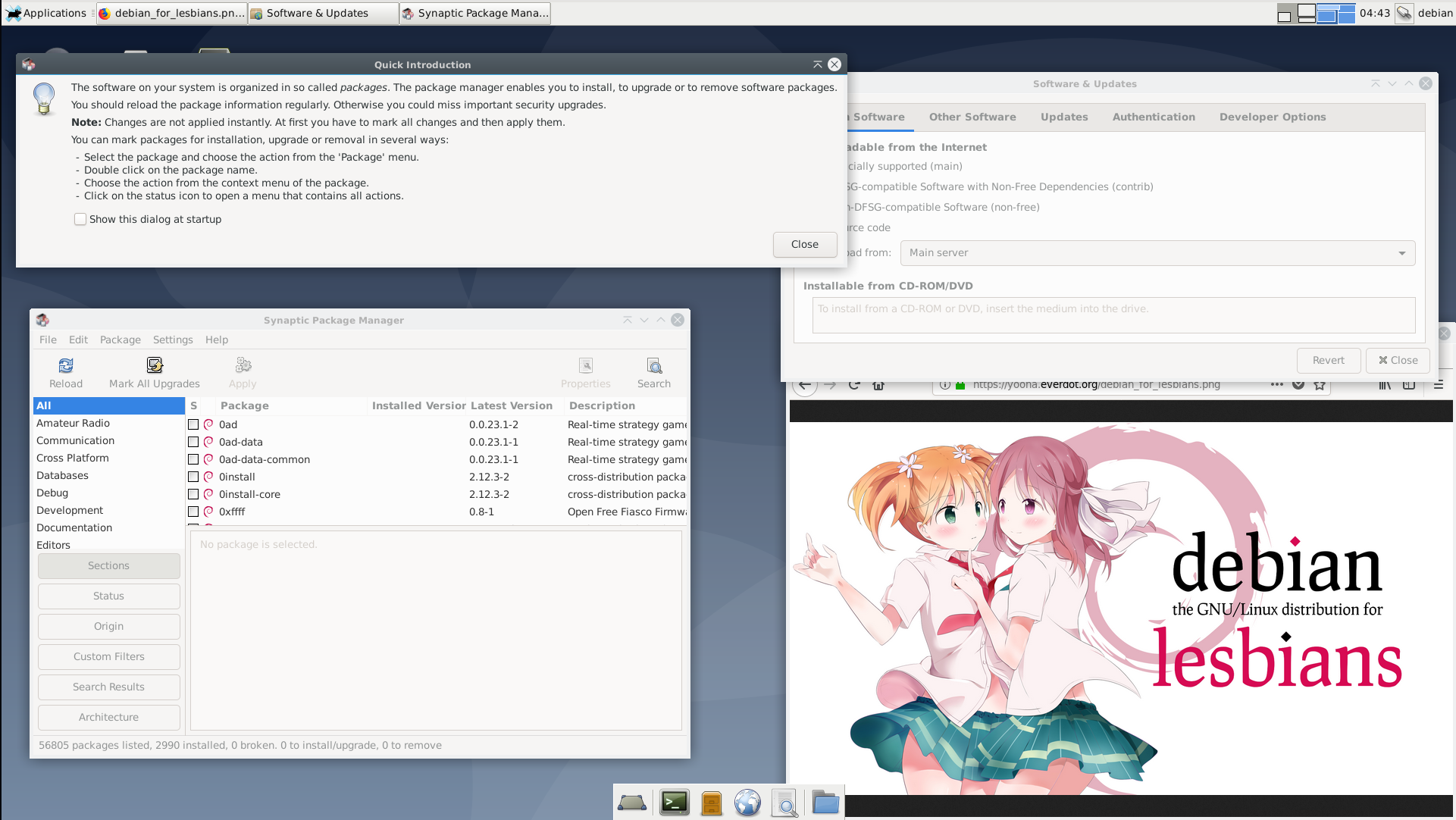
Debian is a mature, stable Linux distribution that has been around since 1993. It’s widely regarded as the foundation for many other Linux distributions, including Ubuntu and CentOS. Debian is known for its strict adherence to free software principles, its extensive package repository, and its reliability in production environments. While it may not be as user-friendly as some newer distributions, its stability and long-term support make it a preferred choice for enterprise-level servers and systems that require minimal maintenance.
- Extensive Package Repository: Debian’s package management system is one of the most comprehensive, offering access to thousands of software packages.
- Stability and Reliability: Debian is renowned for its stability, making it a top choice for servers where uptime is critical.
- Long-Term Support (LTS) Versions: Debian offers stable releases with support for up to five years, ensuring long-term security and compatibility.
- Strict Free Software Compliance: Debian enforces the GNU General Public License, ensuring all software is free and open-source.
- Enterprise-Grade Use: Many large organizations and cloud providers rely on Debian for its robustness and reliability in high-traffic environments.
4. Rocky Linux
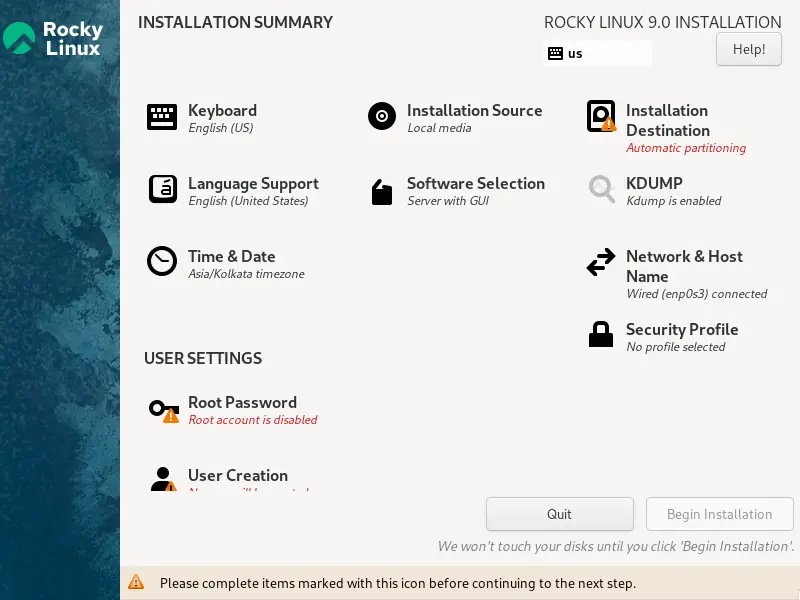
Rocky Linux is a community-driven, RHEL-compatible distribution that aims to provide a free alternative to Red Hat Enterprise Linux. It follows a stable-release model, similar to RHEL, and is designed to be compatible with enterprise applications and cloud infrastructure. Rocky Linux is particularly popular among IT professionals who need a reliable, long-term solution without the cost of RHEL. Its focus on stability and compatibility makes it a strong contender for servers running mission-critical workloads, especially in environments where enterprise-grade support is essential.
- RHEL Compatibility: Rocky Linux is fully compatible with RHEL packages and applications, ensuring seamless integration.
- Stable and Long-Term Support: It offers a stable release cycle with up to five years of support, similar to RHEL.
- Community-Driven Development: Developed by a global community, Rocky Linux benefits from continuous improvements and feedback.
- Cloud and Container Support: It integrates well with cloud platforms and containerization tools like Docker and Kubernetes.
- Cost-Effective Enterprise Solution: Unlike RHEL, Rocky Linux is free, making it an affordable alternative for enterprises.
5. AlmaLinux
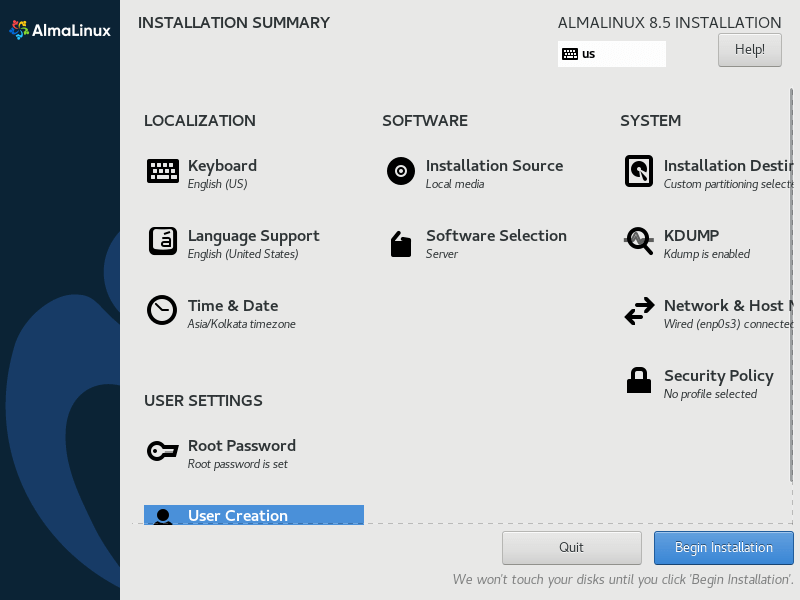
AlmaLinux is another RHEL-compatible distribution that aims to provide a free, enterprise-grade Linux alternative. It was created to support users who need a stable, long-term solution without the cost of RHEL. AlmaLinux follows a traditional release cycle, offering stable versions with up to five years of support. It’s designed to be compatible with RHEL packages and applications, making it a great choice for enterprises that require compatibility with existing infrastructure. Its focus on stability and reliability makes it a strong option for servers running critical workloads.
- RHEL Compatibility: AlmaLinux is fully compatible with RHEL packages, ensuring seamless integration with enterprise applications.
- Stable and Long-Term Support: It offers a stable release cycle with up to five years of support, similar to RHEL.
- Community and Enterprise Backing: Supported by a global community and enterprise partners, AlmaLinux ensures robust development and support.
- Cloud and Container Integration: It integrates well with cloud platforms and containerization tools like Docker and Kubernetes.
- Cost-Effective Alternative to RHEL: As a free alternative to RHEL, AlmaLinux is an affordable choice for enterprises.
6. openSUSE Leap
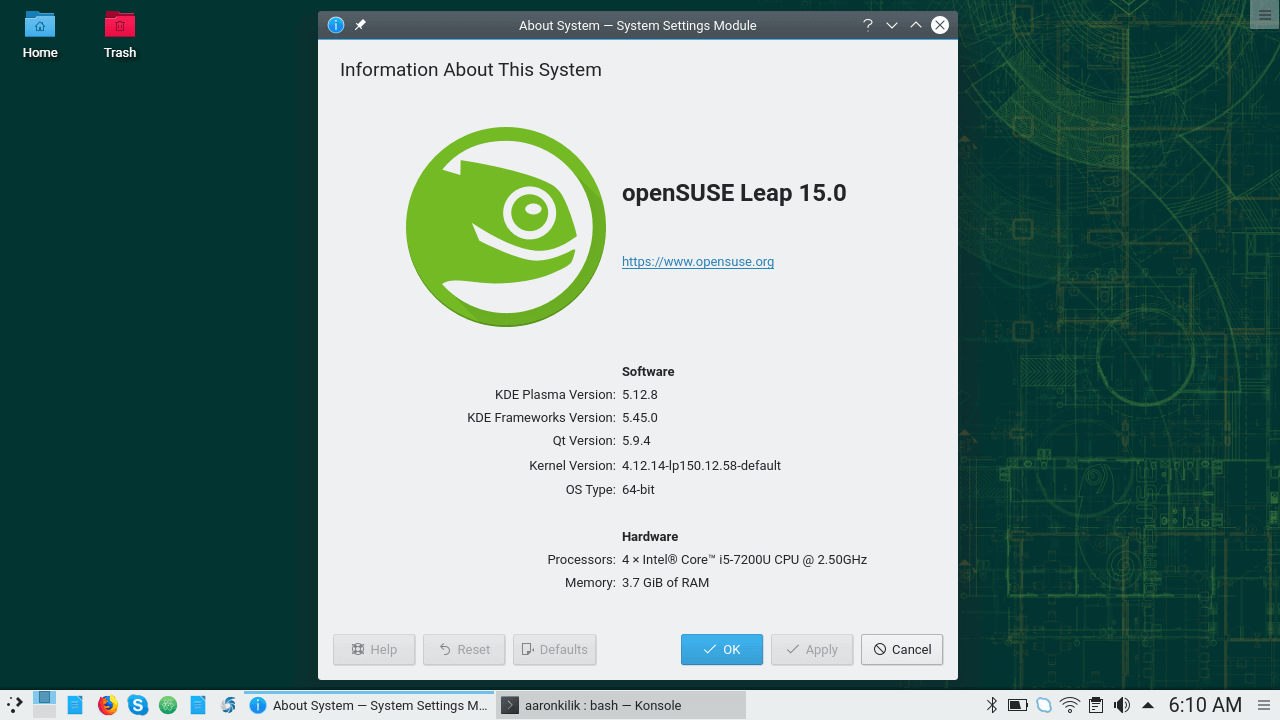
openSUSE Leap is a stable, enterprise-focused Linux distribution that offers a balance between stability and innovation. It’s derived from openSUSE Tumbleweed, which provides cutting-edge features, but Leap focuses on delivering a reliable, long-term release with up to five years of support. This makes it an excellent choice for servers that require stability without the need for frequent updates. openSUSE Leap is particularly well-suited for environments where compatibility with enterprise software is crucial, and it integrates seamlessly with cloud and containerized applications.
- Stable and Long-Term Support: openSUSE Leap offers stable releases with up to five years of support, ensuring reliability in production environments.
- Enterprise-Grade Compatibility: It is compatible with a wide range of enterprise software and applications, making it ideal for mission-critical servers.
- Cloud and Container Integration: openSUSE Leap integrates well with cloud platforms and containerization tools like Docker and Kubernetes.
- Strong Community and Documentation: Backed by a strong community and extensive documentation, it provides robust support and learning resources.
- Innovation Through Tumbleweed: While Leap focuses on stability, Tumbleweed provides the latest features, ensuring users have access to modern tools and technologies.
7. Arch Linux

Arch Linux is a rolling-release distribution known for its simplicity, flexibility, and focus on user empowerment. Unlike traditional distributions that follow a release cycle, Arch Linux provides near real-time updates, ensuring users always have the latest software and security patches. This makes it an excellent choice for developers and IT professionals who prioritize cutting-edge features and customization. However, its rolling-release model requires more maintenance compared to stable distributions, so it’s best suited for users comfortable with hands-on server management.
- Rolling Release Model: Arch Linux offers continuous updates, ensuring users always have the latest software and security patches.
- User Empowerment: It provides a high degree of customization and control, allowing users to tailor the system to their needs.
- Lightweight and Efficient: Arch Linux is optimized for performance, making it ideal for resource-constrained servers.
- Strong Community Support: Backed by a large and active community, Arch Linux offers extensive resources for troubleshooting and learning.
- Great for Developers: It’s a favorite among developers due to its simplicity, flexibility, and access to the latest tools.
8. Kali Linux

Kali Linux is a penetration testing distribution designed specifically for security professionals and ethical hackers. It comes pre-loaded with a vast array of security tools and utilities, making it an ideal choice for testing network security, performing vulnerability assessments, and conducting ethical hacking exercises. While it’s not typically used for general server operations, its specialized tools and focus on security make it a unique option for security-focused server environments. However, it’s best suited for users with a strong understanding of security concepts and tools.
- Pre-Installed Security Tools: Kali Linux includes thousands of security tools and utilities for penetration testing and vulnerability assessment.
- Specialized for Ethical Hacking: It’s designed for security professionals who need a comprehensive toolkit for security research and testing.
- Rolling Release Model: Kali Linux offers continuous updates, ensuring users always have access to the latest security tools and patches.
- Strong Community Support: Backed by a dedicated community, Kali Linux provides extensive resources for learning and troubleshooting.
- Great for Security Testing: It’s particularly useful for testing network security, identifying vulnerabilities, and improving overall security posture.
9. Ubuntu Server LTS
Ubuntu Server LTS (Long-Term Support) is a version of Ubuntu Server that comes with five years of security and maintenance updates. This extended support period makes it an ideal choice for enterprises and organizations that require a stable, long-term solution for their servers. Ubuntu LTS releases are known for their reliability, ease of use, and extensive documentation, making them a top choice for both beginners and experienced IT professionals. Its integration with cloud platforms and enterprise tools further enhances its appeal for server environments.
- Five Years of Support: Ubuntu Server LTS offers up to five years of security and maintenance updates, ensuring long-term stability.
- Stable and Reliable: It is known for its stability, making it a safe choice for production servers where downtime is unacceptable.
- Cloud and Enterprise Integration: Ubuntu Server LTS integrates seamlessly with cloud platforms like AWS, Azure, and Google Cloud.
- Easy to Manage: Its user-friendly package management system simplifies software installation and updates.
- Extensive Documentation: Comprehensive documentation and community support make it easier to troubleshoot and resolve issues.
10. Red Hat Enterprise Linux (RHEL)

Red Hat Enterprise Linux (RHEL) is the gold standard for enterprise Linux distributions. It’s known for its stability, security, and extensive feature set, making it a top choice for large-scale server environments and mission-critical applications. RHEL is supported by Red Hat, a leading provider of enterprise software solutions, and comes with comprehensive documentation and customer support. While it may be more expensive than open-source alternatives, its reliability and enterprise-grade features make it indispensable for organizations that require high availability and robust security.
- Enterprise-Grade Reliability: RHEL is designed for high availability and stability, ensuring minimal downtime in production environments.
- Comprehensive Support: Red Hat offers extensive customer support, making it easier to resolve issues and maintain servers.
- Advanced Security Features: It includes cutting-edge security features and continuous updates to protect against threats.
- Seamless Integration: RHEL integrates well with cloud platforms, containerization tools, and enterprise applications.
- Long-Term Support: It provides up to five years of support, ensuring long-term viability and compatibility.
Frequently Asked Questions
Which Linux distribution is best for beginners?
For beginners, Ubuntu Server or Debian are excellent choices. Both are user-friendly, stable, and well-documented, making them ideal for learning Linux server management without the complexity of more advanced distributions.
How do I choose between Ubuntu Server and CentOS Stream?
If you need a rolling-release model with near real-time updates, CentOS Stream is a great option. However, if you prefer a stable, long-term release with extensive documentation and support, Ubuntu Server is the better choice. Consider your specific needs, such as cloud integration and package compatibility, when making your decision.
Is openSUSE Leap suitable for enterprise servers?
Yes, openSUSE Leap is a strong contender for enterprise servers. It offers stability, long-term support, and enterprise-grade compatibility, making it a reliable choice for mission-critical workloads.
Can Arch Linux be used for servers?
While Arch Linux is primarily known for its rolling-release model and flexibility, it can absolutely be used for servers. Its lightweight nature and extensive package management make it a great choice for developers and IT professionals who prioritize customization and cutting-edge features.
What are the key differences between Debian and Ubuntu Server?
Debian is known for its strict adherence to free software principles and its long-term stability, making it ideal for enterprise environments. Ubuntu Server, on the other hand, is more user-friendly and integrates well with cloud platforms, offering a balance of stability and ease of use.
Should I consider Kali Linux for a server?
Kali Linux is primarily designed for security testing and ethical hacking, so it’s not ideal for general server operations. However, if your server environment involves security assessments or vulnerability testing, Kali Linux can be a valuable tool in your arsenal.
How do I ensure compatibility between my Linux distribution and cloud providers?
To ensure compatibility, choose a Linux distribution that integrates well with your cloud provider’s ecosystem. Ubuntu Server, CentOS Stream, and Rocky Linux, for example, offer strong support for AWS, Azure, and Google Cloud. Always check the official documentation of both your distribution and cloud provider for specific compatibility details.

