
best cloud hosting for small businesses


Small businesses often face tight budgets and limited technical expertise when choosing where to host their websites and applications. Traditional shared hosting plans can be unreliable, especially during traffic spikes, and may not scale efficiently as operations grow. Cloud hosting, however, offers a more flexible and resilient solution by distributing resources across multiple servers rather than relying on a single physical machine. This setup ensures consistent performance, automatic backups, and the ability to adjust resources on demand without costly upgrades.
For many small businesses, the key advantage of cloud hosting lies in its scalability. Instead of paying for fixed bandwidth and storage that may go unused, cloud providers allow you to allocate resources based on actual needs. This means you can handle sudden surges in visitors without downtime or face financial penalties for overage charges. Security is another critical factor, as cloud platforms often include built-in protections like firewalls, encryption, and regular updates that shared hosting typically lacks. Additionally, cloud hosting simplifies disaster recovery, as data is stored across multiple servers, reducing the risk of permanent loss if one server fails.
Below is a list of the best options for cloud hosting for small businesses.
📋 Table of Contents
1. AWS Lightsail

AWS Lightsail is a simple, affordable cloud hosting solution designed specifically for small businesses and developers who need a straightforward way to launch and manage websites or applications. Unlike more complex cloud platforms, Lightsail simplifies the process with pre-configured virtual private servers (VPS) that come with easy-to-use control panels. This makes it ideal for those who want reliable hosting without the steep learning curve or technical complexity. AWS Lightsail is particularly well-suited for small businesses looking to host a single website or a few applications, offering a balance of performance and cost-effectiveness.
- Pre-configured VPS: Offers pre-configured virtual private servers with Linux or Windows OS, including pre-installed software like Apache, MySQL, and PHP.
- Affordable Pricing: Starting at just $3.50 per month for a 1 vCPU, 1 GB RAM instance, making it one of the most budget-friendly options for small businesses.
- Easy Management: Includes a user-friendly control panel for managing files, databases, and applications with minimal technical expertise required.
- Global Network: Leverages AWS’s global network infrastructure, ensuring low-latency performance and high availability for users worldwide.
- Scalability: Allows easy scaling of resources up or down based on traffic needs, without complex migration processes.
2. DigitalOcean Droplets

DigitalOcean Droplets provide a cost-effective and scalable cloud hosting solution tailored for small businesses and developers. These virtual servers offer a straightforward way to host websites, applications, or databases with minimal setup hassle. DigitalOcean’s platform is renowned for its simplicity, making it accessible even for those with limited technical experience. The service is ideal for small businesses that need reliable, low-cost hosting with easy management tools, such as the Droplets control panel and automated backups.
- Simple and Reliable: Pre-configured droplets with Linux or Windows OS, including essential tools like Nginx, Apache, and MySQL.
- Budget-Friendly: Starting at $4/month for a 1 vCPU, 1 GB RAM droplet, with flexible pricing options for increased resources.
- Automated Backups: Automated daily snapshots and manual backup options to ensure data safety and easy recovery.
- Global Network: Access to a robust global network with data centers in multiple locations for low latency and high performance.
- Easy Scaling: Quickly scale resources up or down to accommodate traffic spikes without downtime.
3. Vercel

Vercel is a modern cloud hosting platform designed primarily for developers building static websites, web applications, and serverless functions. It integrates seamlessly with popular frameworks like Next.js, React, and Node.js, making it a top choice for developers who prioritize performance and ease of deployment. Vercel is particularly well-suited for small businesses and startups that need fast, scalable hosting with built-in tools for edge networking and global caching. Its focus on developer experience ensures minimal setup time and maximum efficiency.
- Edge Network: Global edge network that delivers content with ultra-low latency, improving user experience globally.
- Serverless Functions: Supports serverless architectures, allowing developers to run code without managing servers.
- Fast Deployments: Automated CI/CD pipelines that enable instant deployments with minimal configuration.
- Free Tier Available: Offers a generous free tier with unlimited requests and bandwidth for small projects.
- Built-in Monitoring: Real-time performance monitoring and alerts to keep applications running smoothly.
4. Hetzner Cloud
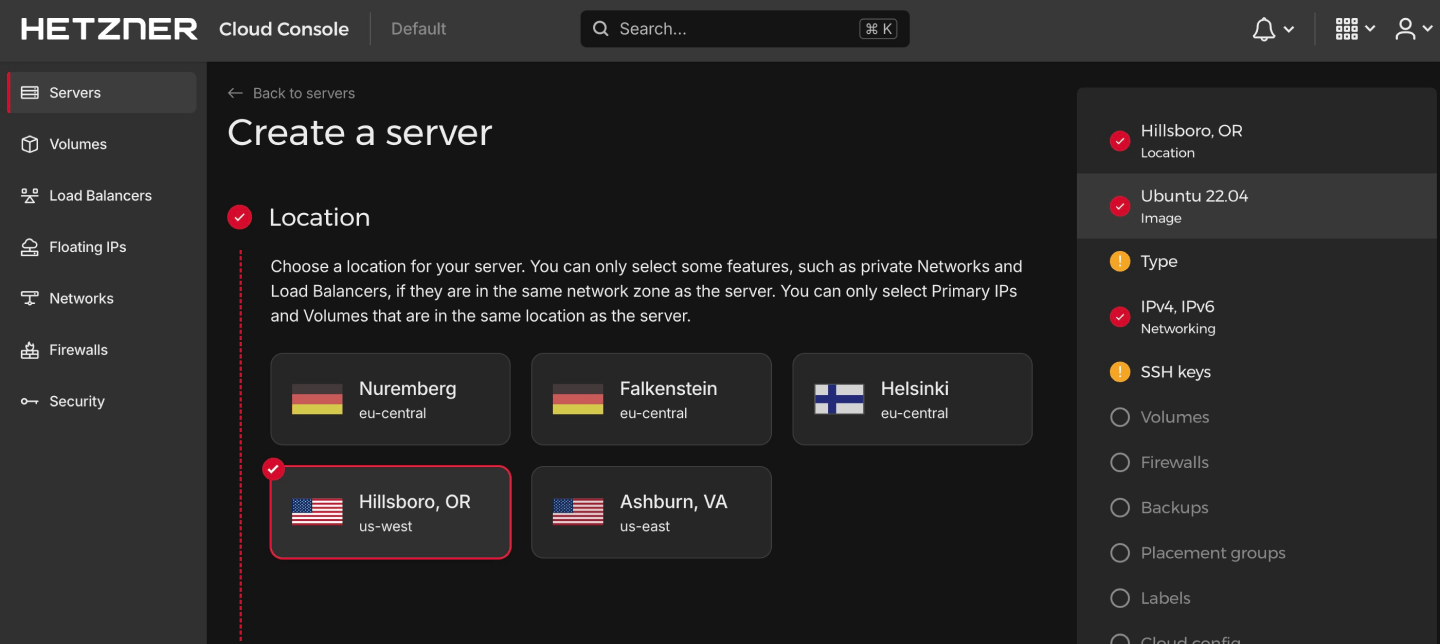
Hetzner Cloud is a European-based cloud hosting solution that stands out for its affordability and reliability, making it a favorite among small businesses and developers in the region. Unlike many competitors, Hetzner focuses on simplicity and performance, offering pre-configured virtual servers with generous resources at competitive prices. The platform is ideal for businesses that prioritize cost efficiency without sacrificing performance, especially those needing dedicated IP addresses or high-performance computing for specific workloads. Its strong infrastructure and customer support further enhance its appeal.
- Low-Cost Virtual Servers: Starting at just $4.95/month for a 1 vCPU, 1 GB RAM server with SSD storage.
- Dedicated IP Options: Allows assignment of dedicated IP addresses for enhanced security and reliability.
- High Performance: Offers high-performance servers with optional GPU support for specialized workloads.
- Global Network: Data centers in multiple European locations for low-latency access.
- 24/7 Support: Provides dedicated customer support with fast response times for troubleshooting.
5. Linode

Linode is a cloud hosting provider known for its reliability, performance, and developer-friendly tools. It offers a range of virtual private servers (VPS) that cater to small businesses and developers needing more control over their hosting environment. Linode’s platform is praised for its simplicity, with pre-configured instances and easy-to-use management tools. The service is particularly well-suited for those who want a balance between affordability and advanced features, such as automated backups, SSD storage, and global network distribution. Its focus on performance makes it a strong choice for mission-critical applications.
- Simple and Reliable: Pre-configured VPS instances with Linux or Windows OS, including essential tools like Apache, Nginx, and MySQL.
- Affordable Pricing: Starting at $5/month for a 1 vCPU, 1 GB RAM instance with SSD storage.
- Automated Backups: Automated daily snapshots and manual backup options to protect data.
- Global Network: Data centers in multiple locations for low-latency performance and high availability.
- Advanced Features: Supports advanced features like GPU instances, dedicated IPs, and custom software installations.
6. Google Cloud Platform (GCP) for Small Businesses
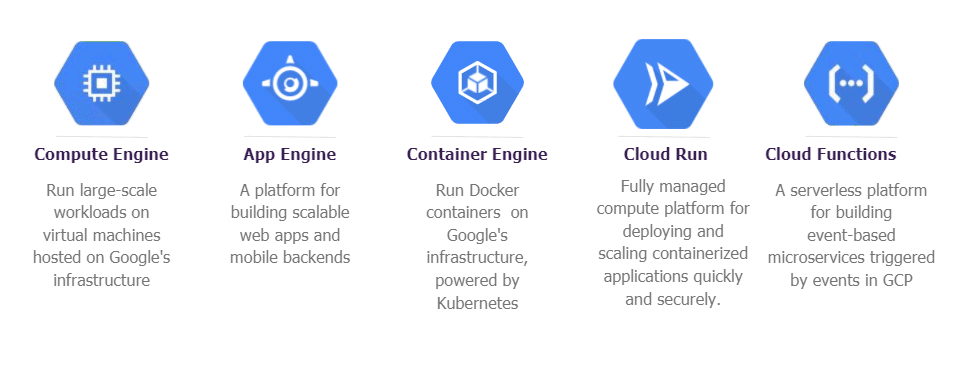
Google Cloud Platform (GCP) offers scalable and powerful cloud hosting solutions that are increasingly accessible to small businesses. While GCP is often associated with large enterprises, it provides cost-effective options for small businesses looking to leverage Google’s global infrastructure. GCP’s managed services, such as Compute Engine and App Engine, simplify hosting by handling infrastructure management, making it ideal for businesses that want to focus on development rather than technical setup. The platform also integrates seamlessly with Google Workspace and other Google services, offering a cohesive ecosystem for collaboration and productivity.
- Managed Services: Offers managed services like Compute Engine and App Engine, reducing the need for manual server management.
- Scalability: Easily scale resources up or down based on demand, ensuring flexibility for growing businesses.
- Global Reach: Leverages Google’s global network with data centers in multiple regions for low-latency performance.
- Cost Efficiency: Provides flexible pricing models, including committed use discounts for predictable costs.
- Integration with Google Ecosystem: Seamlessly integrates with Google Workspace, BigQuery, and other Google services.
7. Hostinger Cloud Hosting
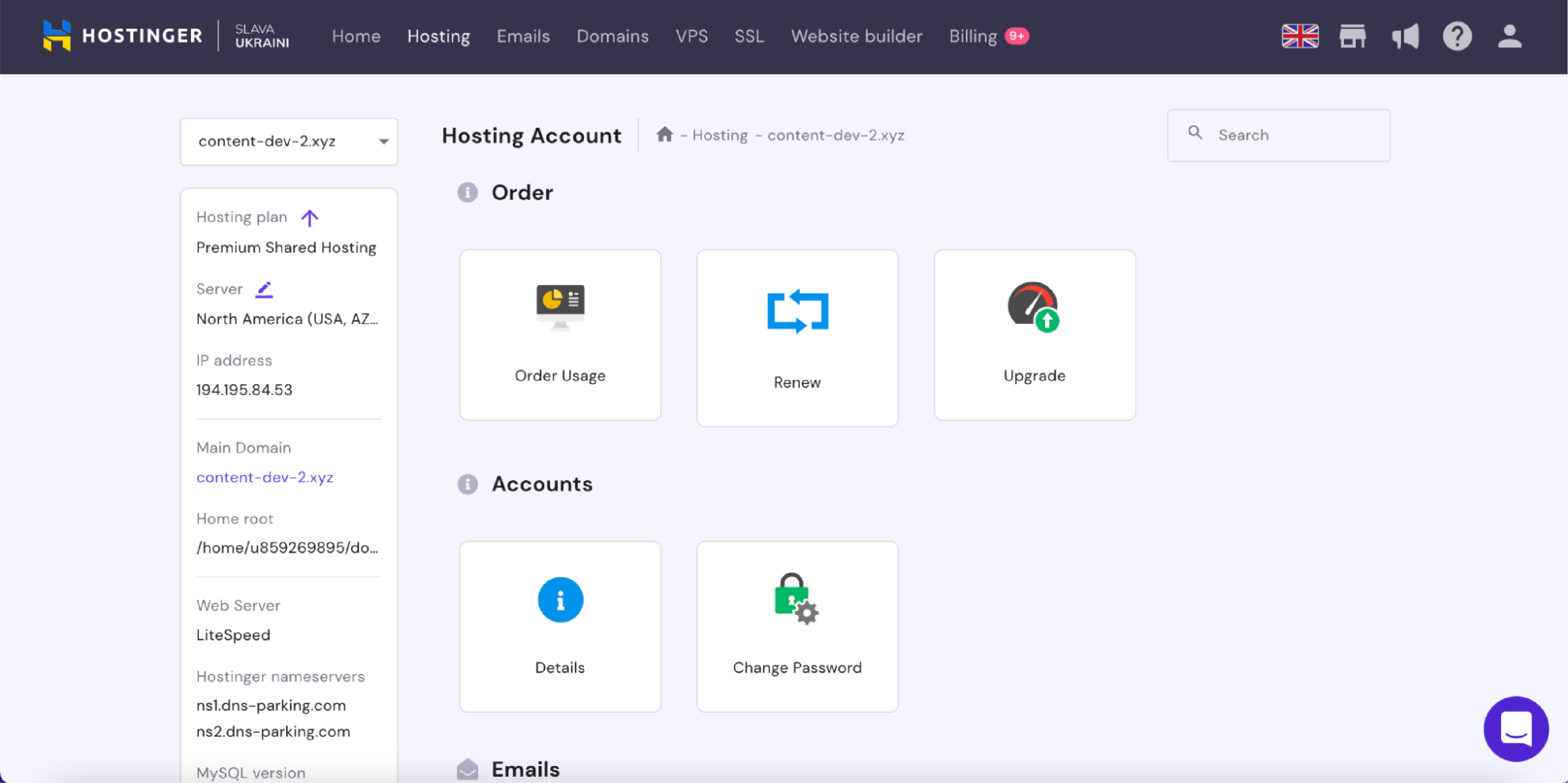
Hostinger Cloud Hosting is a budget-friendly cloud hosting solution designed to meet the needs of small businesses and individual developers. Known for its affordability and ease of use, Hostinger offers a range of cloud-based hosting plans that include virtual private servers (VPS) with Linux or Windows OS. The platform is particularly popular for its user-friendly control panel, automated backups, and generous storage options. Hostinger’s focus on cost-effectiveness makes it an attractive choice for small businesses looking to host websites or applications without breaking the bank, while still enjoying reliable performance and security features.
- Affordable Pricing: Starting at just $4.99/month for a 1 vCPU, 1 GB RAM VPS with SSD storage.
- User-Friendly Control Panel: Includes a simple and intuitive control panel for managing files, databases, and applications.
- Automated Backups: Automated daily snapshots and manual backup options to ensure data protection.
- Global Network: Data centers in multiple locations for low-latency performance and high availability.
- Free SSL Certificates: Offers free SSL certificates to secure websites and improve trust with visitors.
8. Rackspace Cloud

Rackspace Cloud provides a comprehensive cloud hosting solution that combines reliability, security, and customer support. While it is often associated with larger enterprises, Rackspace offers plans tailored for small businesses that need robust hosting with expert assistance. The platform includes managed services, automated backups, and dedicated support teams, making it ideal for businesses that prioritize peace of mind and technical expertise. Rackspace’s focus on security and compliance further enhances its appeal for businesses handling sensitive data.
- Managed Services: Offers managed cloud services, including Compute, Object Storage, and Relational Database.
- Automated Backups: Automated daily snapshots and manual backup options to protect data integrity.
- Dedicated Support: Provides 24/7 dedicated support with expert assistance for troubleshooting.
- Global Network: Data centers in multiple regions for low-latency performance and high availability.
- Security and Compliance: Implements advanced security measures and complies with industry standards for data protection.
9. AWS Elastic Beanstalk
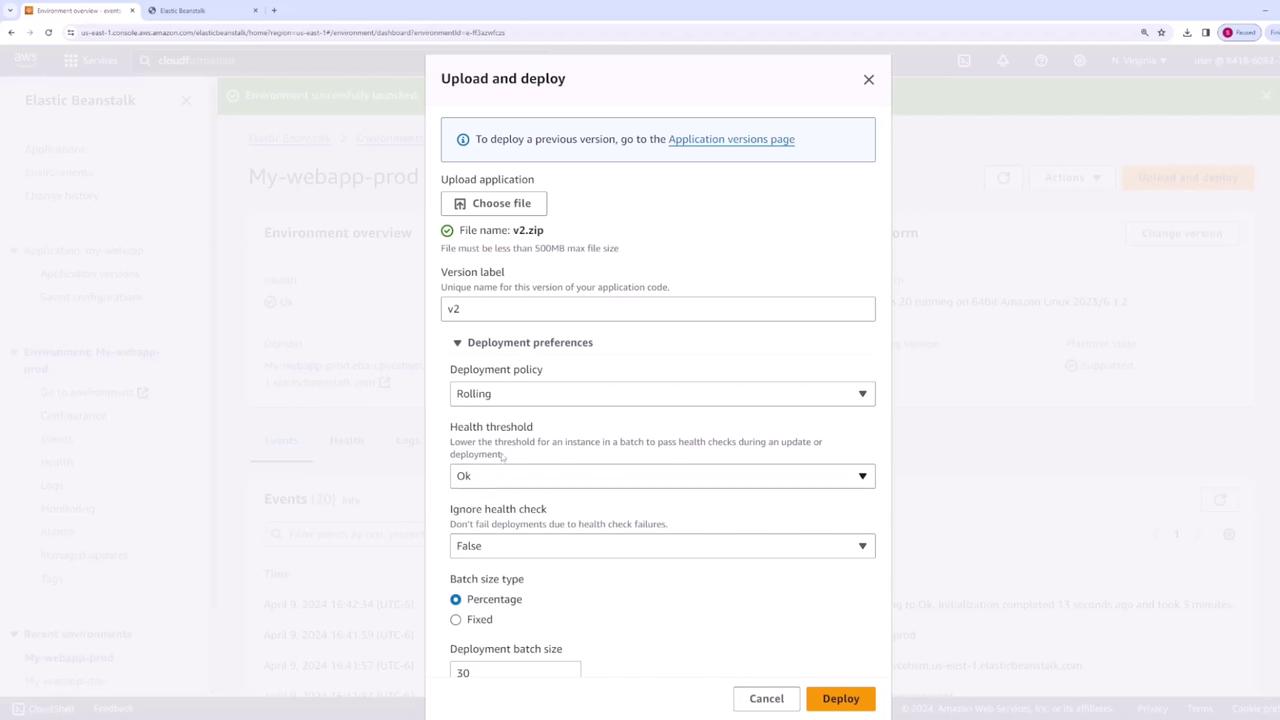
AWS Elastic Beanstalk is a fully managed platform for deploying and scaling web applications and services. It simplifies the process of hosting applications by abstracting away the complexities of server management, making it ideal for small businesses and developers who want to focus on coding rather than infrastructure. Elastic Beanstalk integrates seamlessly with AWS services, allowing for easy scaling, load balancing, and automated backups. This platform is particularly well-suited for businesses that need a scalable, reliable, and cost-effective way to host applications without managing underlying servers.
- Fully Managed: Handles server provisioning, load balancing, and scaling automatically.
- Easy Deployment: Supports multiple programming languages and frameworks, simplifying deployment.
- Scalability: Automatically scales applications based on traffic demands.
- Cost Efficiency: Leverages AWS’s pay-as-you-go pricing model for predictable costs.
- Integration with AWS Ecosystem: Works seamlessly with other AWS services like S3, RDS, and SQS.
10. Azure Virtual Machines (VMs)

Microsoft Azure Virtual Machines (VMs) offer a flexible and powerful cloud hosting solution for small businesses and developers. These VMs provide full control over virtual servers, allowing businesses to customize configurations to meet specific needs. Azure VMs are particularly well-suited for those who need reliable, high-performance hosting with access to Microsoft’s extensive ecosystem of services. The platform supports both Linux and Windows-based environments, making it versatile for a wide range of applications. Azure’s strong security features and global network further enhance its appeal for mission-critical workloads.
- Full Control Over VMs: Allows customization of server configurations, including CPU, RAM, and storage.
- High Performance: Offers high-performance VMs with optional GPU support for specialized workloads.
- Global Network: Leverages Azure’s global network with data centers in multiple regions for low-latency performance.
- Security and Compliance: Implements advanced security measures and complies with industry standards.
- Integration with Microsoft Ecosystem: Seamlessly integrates with other Azure services like Azure SQL, Blob Storage, and Logic Apps.
Frequently Asked Questions
What factors should I consider when choosing cloud hosting for my small business?
When selecting cloud hosting, consider your budget, technical expertise, scalability needs, and performance requirements. Look for a provider that offers reliable uptime, easy management tools, and support for your specific use case. Affordability, global network reach, and security features are also critical factors to evaluate.
How does cloud hosting compare to traditional web hosting?
Cloud hosting provides scalability, flexibility, and redundancy, allowing you to adjust resources based on demand. Traditional web hosting, on the other hand, offers fixed resources and limited scalability. Cloud hosting is ideal for growing businesses, while traditional hosting may suffice for small, static websites with predictable traffic.
What is the best cloud hosting for beginners?
For beginners, platforms like AWS Lightsail, DigitalOcean Droplets, and Hostinger Cloud Hosting are excellent choices. These providers offer pre-configured servers, user-friendly control panels, and automated backups, making them accessible for those new to cloud hosting.
How can I ensure my small business website stays secure with cloud hosting?
To ensure security, choose a cloud provider with robust security features, such as DDoS protection, SSL certificates, and regular backups. Enable automatic updates for your server software and regularly monitor your website for vulnerabilities. Many providers also offer managed security services for added protection.
What are the most cost-effective cloud hosting options for small businesses?
Affordable options like AWS Lightsail, DigitalOcean Droplets, and Hostinger Cloud Hosting offer competitive pricing without compromising performance. These platforms provide generous resources at lower costs compared to enterprise-level solutions, making them ideal for small businesses on a budget.
How do I scale my cloud hosting resources as my business grows?
Most cloud providers offer easy scaling options, such as increasing CPU, RAM, or storage. Many platforms also support automated scaling based on traffic patterns. Before scaling, review your provider’s documentation to understand the process and any associated costs.
Is cloud hosting suitable for e-commerce websites?
Yes, cloud hosting is highly suitable for e-commerce websites due to its scalability and reliability. Providers like AWS Elastic Beanstalk, DigitalOcean, and Google Cloud Platform offer features like load balancing, automated backups, and secure payment processing integrations, making them ideal for online stores.

