
best hosting for cloud-based apps


Choosing the right hosting for cloud-based apps comes down to performance, scalability, and reliability. The best providers offer seamless integration with modern development tools, strong uptime guarantees, and flexible pricing models that grow with your application. Whether you’re running a small SaaS product or a high-traffic enterprise platform, the hosting solution should minimize latency, handle traffic spikes, and provide robust security without unnecessary complexity.
Cost efficiency matters too, but the cheapest option isn’t always the best. Look for providers that balance affordability with features like automated backups, global CDN support, and easy deployment pipelines. Some platforms specialize in specific use cases—like serverless architectures or containerized apps—while others offer a more general-purpose approach. The key is matching the hosting environment to your app’s technical requirements and long-term growth plans.
I’ve assembled a list below of the best options for hosting cloud-based apps. Each has its strengths depending on your needs, so take a look and see which one fits your project.
📋 Table of Contents
1. Amazon Web Services (AWS)
Amazon Web Services, commonly known as AWS, is the leading cloud computing platform offered by Amazon. It provides a vast array of services, including computing power, storage options, and networking capabilities, making it a top choice for hosting cloud-based applications. AWS is renowned for its scalability, reliability, and extensive global infrastructure, which includes data centers in multiple regions around the world. This makes it ideal for businesses of all sizes, from startups to large enterprises, looking to deploy and manage applications with high availability and performance. AWS also offers a pay-as-you-go pricing model, which allows users to only pay for the resources they consume, making it cost-effective for varying workloads.
- Global Infrastructure: AWS has data centers in over 25 geographic regions, ensuring low latency and high availability for applications worldwide.
- Scalability: Easily scale resources up or down based on demand, ensuring optimal performance without over-provisioning.
- Security and Compliance: AWS provides robust security features, including encryption, identity management, and compliance certifications like GDPR, HIPAA, and SOC.
- Wide Range of Services: Offers over 200 fully featured services, including computing, storage, databases, machine learning, and analytics.
- Pay-As-You-Go Pricing: Flexible pricing model where you only pay for the resources you use, with no upfront costs or long-term commitments.
2. Microsoft Azure
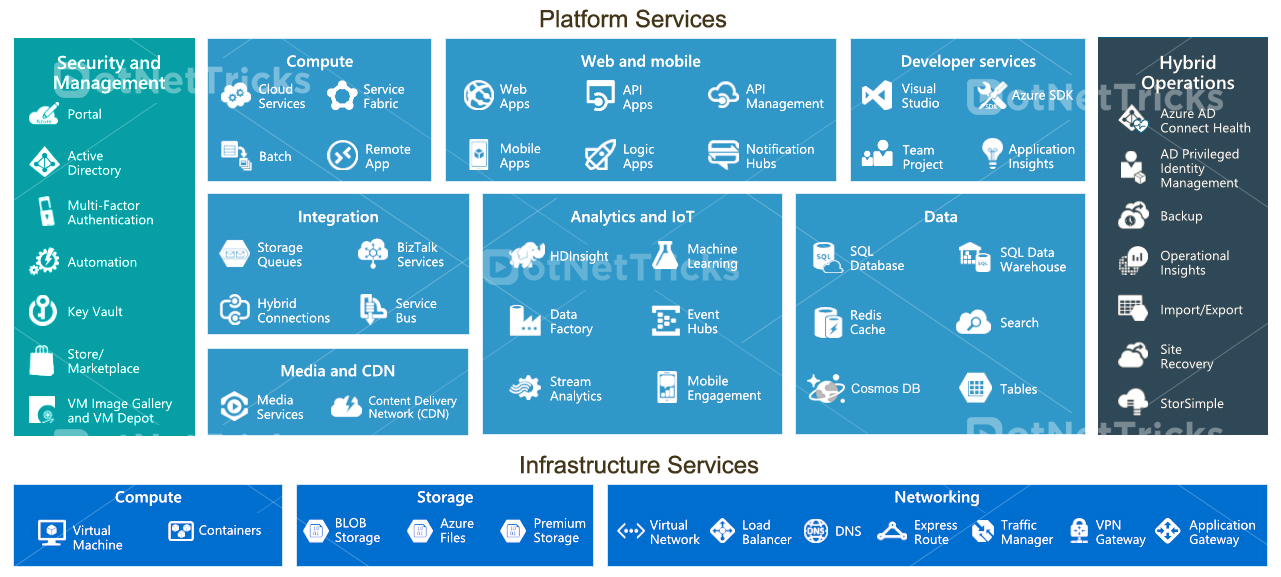
Microsoft Azure is a comprehensive cloud computing platform that provides a wide range of services for building, deploying, and managing applications. Azure is particularly well-suited for enterprises that rely on Microsoft products, as it integrates seamlessly with tools like Windows Server, Active Directory, and SQL Server. It offers strong support for hybrid cloud environments, allowing businesses to combine on-premises infrastructure with cloud resources. Azure is known for its enterprise-grade security, compliance offerings, and AI-driven services, making it a top choice for businesses looking to leverage advanced technologies like machine learning and IoT. With a global network of data centers, Azure ensures high availability and low latency for applications.
- Hybrid Cloud Capabilities: Seamlessly integrate on-premises data centers with cloud resources for a hybrid cloud environment.
- Enterprise Integration: Deep integration with Microsoft products like Windows Server, Active Directory, and Office 365.
- AI and Machine Learning: Advanced AI and machine learning services, including Azure Cognitive Services and Azure Machine Learning.
- Global Reach: Data centers in over 60 regions worldwide, ensuring high availability and low latency.
- Security and Compliance: Comprehensive security features and compliance certifications, including ISO, SOC, and GDPR.
3. Google Cloud Platform (GCP)
Google Cloud Platform, or GCP, is a suite of cloud computing services offered by Google. It is known for its high-performance infrastructure, which is the same infrastructure that powers Google’s own products like Search, YouTube, and Gmail. GCP is particularly strong in data analytics, machine learning, and AI, making it a great choice for businesses looking to leverage big data and advanced analytics. It also offers robust networking capabilities, including Google’s global fiber network, which ensures low latency and high-speed connectivity. GCP is ideal for startups, developers, and enterprises that need scalable, innovative cloud solutions with a focus on data-driven decision-making.
- High-Performance Infrastructure: Uses the same infrastructure as Google’s own products, ensuring reliability and performance.
- Data Analytics and AI: Strong focus on big data, machine learning, and AI services like BigQuery, TensorFlow, and AI Platform.
- Global Network: Google’s private fiber network ensures low latency and high-speed connectivity worldwide.
- Scalability: Easily scale resources up or down based on demand, with auto-scaling capabilities.
- Security: Comprehensive security features, including encryption, identity management, and compliance certifications.
4. DigitalOcean
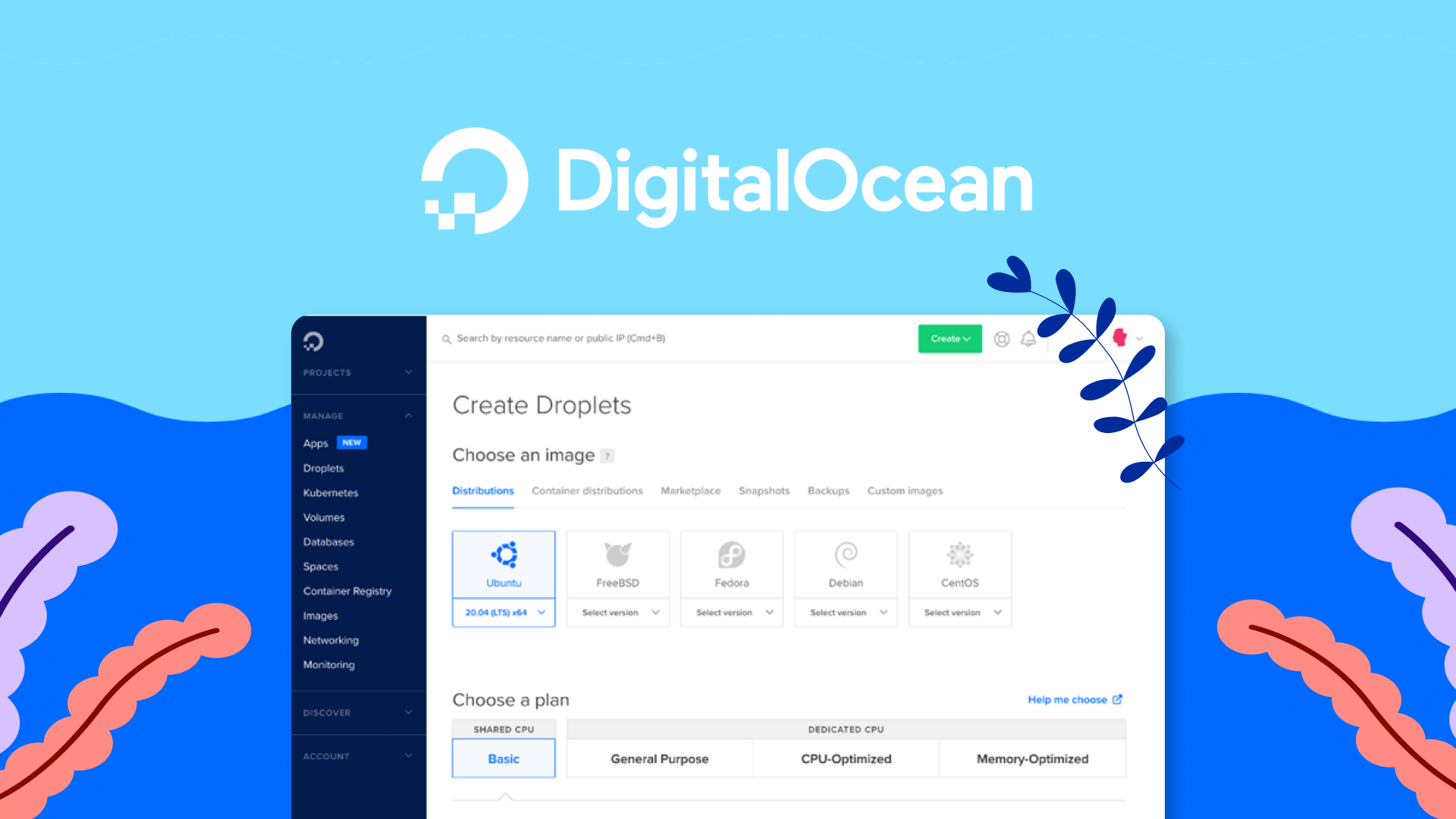
DigitalOcean is a cloud infrastructure provider that focuses on simplicity and developer-friendly solutions. It is particularly popular among startups, small businesses, and individual developers due to its straightforward pricing, easy-to-use interface, and reliable performance. DigitalOcean offers a range of services, including virtual private servers (Droplets), managed databases, and Kubernetes clusters. It is known for its fast deployment times and excellent customer support, making it a great choice for those who need a hassle-free cloud hosting experience. While it may not have the extensive service catalog of AWS or Azure, DigitalOcean excels in providing a streamlined, cost-effective solution for cloud-based applications.
- Simple and Intuitive Interface: User-friendly dashboard and API make it easy to deploy and manage cloud resources.
- Developer-Friendly: Designed with developers in mind, offering tools like one-click app deployments and pre-configured images.
- Affordable Pricing: Transparent and predictable pricing with no hidden fees, making it ideal for startups and small businesses.
- Managed Databases: Fully managed database services for PostgreSQL, MySQL, and Redis, reducing operational overhead.
- Kubernetes Support: Managed Kubernetes service for containerized applications, with easy deployment and scaling.
5. Heroku

Heroku is a cloud platform as a service (PaaS) that enables developers to build, deploy, and scale applications quickly and easily. It is particularly popular among startups and developers who want to focus on writing code rather than managing infrastructure. Heroku supports multiple programming languages, including Ruby, Node.js, Python, Java, and PHP, and offers a range of add-ons for databases, monitoring, and other services. One of Heroku’s standout features is its simplicity—developers can deploy applications with just a few commands using Git. While Heroku may not be as feature-rich as some other cloud providers, its ease of use and rapid deployment capabilities make it a favorite for prototyping and small to medium-sized applications.
- Easy Deployment: Deploy applications with Git using simple commands, making it ideal for rapid development.
- Multi-Language Support: Supports Ruby, Node.js, Python, Java, PHP, and more, catering to a wide range of developers.
- Add-Ons Marketplace: Access to a wide range of third-party services, including databases, monitoring, and analytics.
- Scalability: Easily scale applications horizontally or vertically with minimal configuration.
- Managed Infrastructure: Heroku handles infrastructure management, allowing developers to focus on coding.
6. Vultr
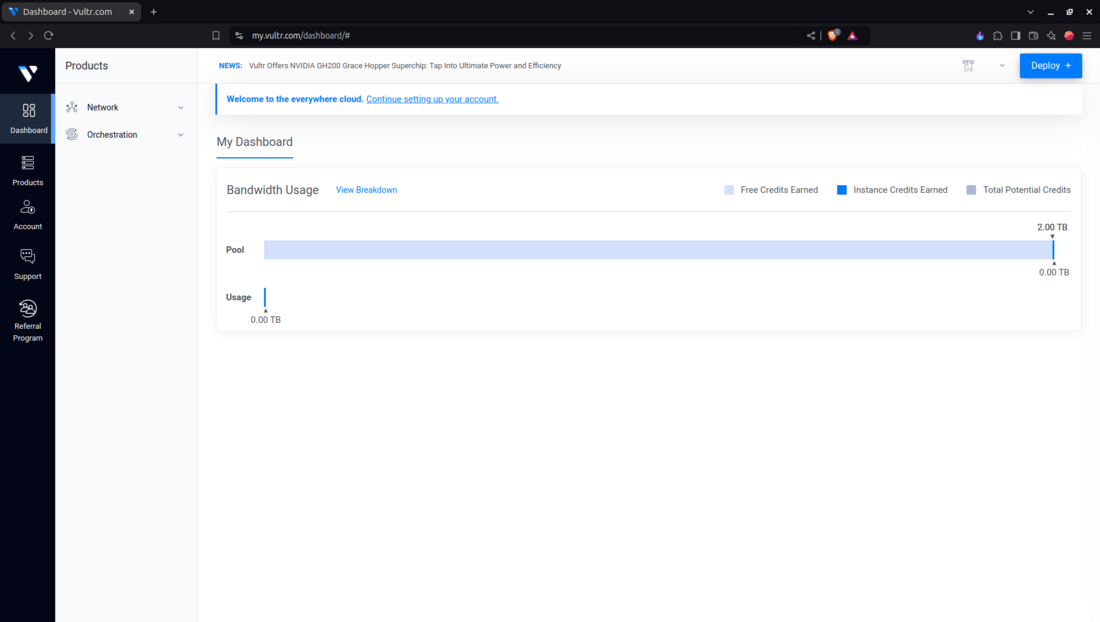
Vultr is a cloud infrastructure provider that offers high-performance virtual private servers (VPS) and cloud computing services. It is known for its fast SSD storage, powerful CPUs, and global network of data centers, making it a great choice for businesses that need reliable and high-speed hosting. Vultr provides a range of services, including compute instances, bare metal servers, and managed Kubernetes, catering to both small and large-scale applications. Its straightforward pricing and easy-to-use control panel make it accessible to developers and businesses of all sizes. Vultr is particularly well-suited for applications that require low-latency performance and high availability.
- High-Performance SSD Storage: Fast SSD storage ensures quick data access and improved application performance.
- Global Data Centers: Data centers in 25 locations worldwide, ensuring low latency and high availability.
- Bare Metal Servers: Dedicated physical servers for high-performance computing needs.
- Managed Kubernetes: Fully managed Kubernetes service for containerized applications, with easy deployment and scaling.
- Simple Pricing: Transparent and predictable pricing with no hidden fees, making it easy to budget for cloud resources.
7. IBM Cloud

IBM Cloud is a comprehensive cloud computing platform that offers a wide range of services, including computing, storage, AI, and blockchain. It is particularly well-suited for enterprises that require advanced technologies and robust security features. IBM Cloud is known for its hybrid cloud capabilities, allowing businesses to integrate on-premises infrastructure with cloud resources seamlessly. It also offers strong support for AI and machine learning through Watson, IBM’s AI platform. With a global network of data centers, IBM Cloud ensures high availability and low latency for applications. It is an excellent choice for businesses looking to leverage cutting-edge technologies while maintaining control over their data and infrastructure.
- Hybrid Cloud Capabilities: Seamlessly integrate on-premises infrastructure with cloud resources for a hybrid cloud environment.
- AI and Machine Learning: Advanced AI services through IBM Watson, including natural language processing and machine learning.
- Blockchain Services: Fully managed blockchain services for secure and transparent transactions.
- Enterprise-Grade Security: Comprehensive security features, including encryption, identity management, and compliance certifications.
- Global Infrastructure: Data centers in multiple regions worldwide, ensuring high availability and low latency.
8. Linode
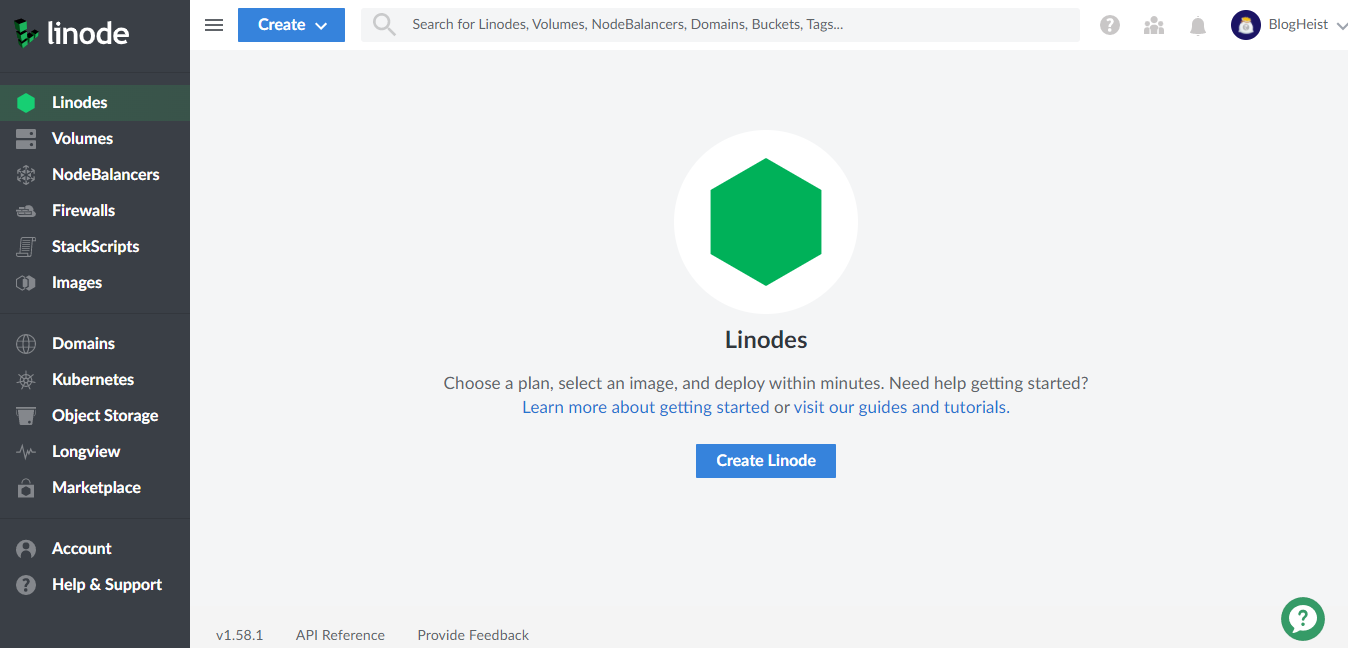
Linode is a cloud hosting provider that offers virtual private servers (VPS) and cloud computing services. It is known for its simplicity, affordability, and reliable performance, making it a popular choice among developers and small businesses. Linode provides a range of services, including compute instances, managed databases, and Kubernetes clusters. Its straightforward pricing and easy-to-use control panel make it accessible to users of all skill levels. Linode is particularly well-suited for applications that require cost-effective, high-performance hosting with minimal complexity. With data centers in multiple regions, Linode ensures low latency and high availability for applications worldwide.
- Affordable Pricing: Transparent and predictable pricing with no hidden fees, making it ideal for startups and small businesses.
- Simple and Intuitive Interface: User-friendly dashboard and API make it easy to deploy and manage cloud resources.
- Managed Databases: Fully managed database services for PostgreSQL, MySQL, and Redis, reducing operational overhead.
- Kubernetes Support: Managed Kubernetes service for containerized applications, with easy deployment and scaling.
- Global Data Centers: Data centers in multiple regions worldwide, ensuring low latency and high availability.
9. Oracle Cloud Infrastructure (OCI)
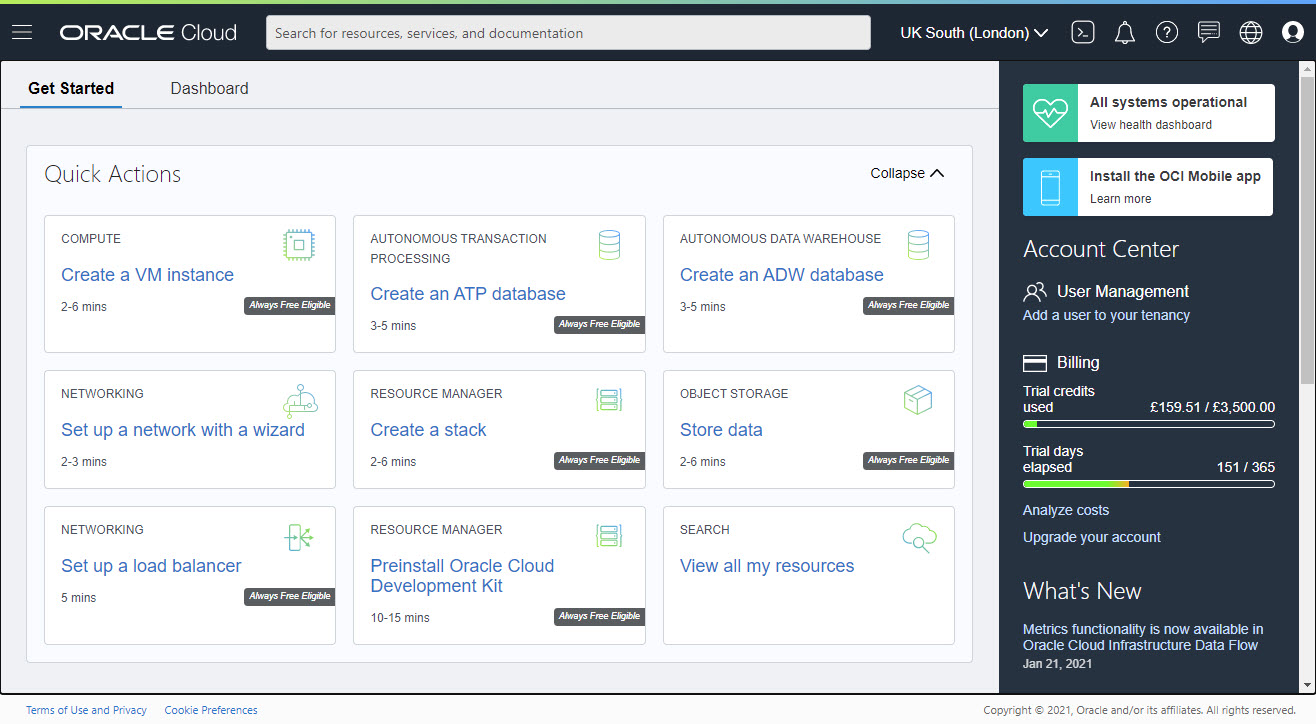
Oracle Cloud Infrastructure, or OCI, is a cloud computing platform that offers a wide range of services, including computing, storage, networking, and databases. It is particularly well-suited for enterprises that require high-performance, secure, and scalable cloud solutions. OCI is known for its strong focus on security, compliance, and performance, making it a top choice for businesses in regulated industries like finance and healthcare. It also offers advanced features like bare metal servers, autonomous databases, and AI-driven services. With a global network of data centers, OCI ensures high availability and low latency for applications. It is an excellent choice for businesses looking for a robust, enterprise-grade cloud platform.
- High-Performance Computing: Offers bare metal servers and high-performance computing options for demanding workloads.
- Autonomous Databases: Fully managed, self-driving databases that reduce operational overhead and improve performance.
- Enterprise-Grade Security: Comprehensive security features, including encryption, identity management, and compliance certifications.
- Global Infrastructure: Data centers in multiple regions worldwide, ensuring high availability and low latency.
- AI and Machine Learning: Advanced AI and machine learning services for data-driven decision-making.
10. Alibaba Cloud
Alibaba Cloud is a leading cloud computing platform offered by Alibaba Group. It is particularly popular in Asia but has a growing global presence, with data centers in multiple regions worldwide. Alibaba Cloud offers a wide range of services, including computing, storage, databases, and AI, making it a comprehensive solution for businesses of all sizes. It is known for its strong focus on security, compliance, and performance, making it a top choice for enterprises in regulated industries. Alibaba Cloud also offers advanced features like elastic computing, big data analytics, and IoT services. With its global infrastructure, Alibaba Cloud ensures high availability and low latency for applications worldwide.
- Global Infrastructure: Data centers in multiple regions worldwide, ensuring high availability and low latency.
- Elastic Computing: Scalable compute resources that can be adjusted based on demand, ensuring optimal performance.
- Big Data Analytics: Advanced big data services, including data warehousing, real-time analytics, and machine learning.
- Security and Compliance: Comprehensive security features and compliance certifications, including ISO, SOC, and GDPR.
- IoT Services: Fully managed IoT services for connecting and managing IoT devices at scale.
Frequently Asked Questions
What is the best hosting for cloud-based apps?
The best hosting for cloud-based apps depends on your specific needs. If you’re looking for a comprehensive, enterprise-grade solution with a wide range of services, AWS, Microsoft Azure, or Google Cloud Platform are excellent choices. For startups and small businesses, DigitalOcean, Heroku, or Linode offer simplicity and affordability. If you need high-performance computing, Oracle Cloud Infrastructure or Vultr might be the best fit. Consider factors like scalability, pricing, security, and ease of use when choosing a cloud hosting provider.
How do I choose the right cloud hosting provider for my app?
Choosing the right cloud hosting provider involves evaluating several factors. First, consider your app’s requirements, such as scalability, performance, and security. Next, look at the provider’s pricing model to ensure it fits your budget. Ease of use and customer support are also important, especially if you’re new to cloud hosting. Additionally, check the provider’s global infrastructure to ensure low latency and high availability for your users. Finally, consider any specific features or integrations you might need, such as AI services, managed databases, or Kubernetes support.
Is AWS the best option for cloud-based apps?
AWS is one of the best options for cloud-based apps, especially for businesses that need a comprehensive, scalable, and reliable cloud platform. It offers a vast array of services, including computing, storage, databases, AI, and machine learning, making it suitable for a wide range of applications. However, AWS can be complex and expensive for small businesses or startups. If you’re looking for a simpler, more cost-effective solution, providers like DigitalOcean, Heroku, or Linode might be a better fit. Ultimately, the best option depends on your specific needs and budget.
What are the benefits of using a managed cloud hosting service?
Managed cloud hosting services offer several benefits, including reduced operational overhead, improved security, and enhanced performance. With a managed service, the provider handles infrastructure management, allowing you to focus on developing and scaling your application. Managed services also often include automatic updates, backups, and monitoring, ensuring your app runs smoothly and securely. Additionally, managed cloud hosting can be more cost-effective in the long run, as it reduces the need for in-house IT staff and infrastructure maintenance.
How does pricing work for cloud hosting providers?
Pricing for cloud hosting providers typically follows a pay-as-you-go model, where you only pay for the resources you use. This can include computing power, storage, bandwidth, and additional services like databases or AI. Some providers offer free tiers or discounts for long-term commitments, such as reserved instances. It’s important to understand the pricing structure of each provider, as costs can vary significantly based on usage. For example, AWS and Azure offer detailed pricing calculators to help you estimate costs, while providers like DigitalOcean and Linode offer straightforward, predictable pricing.
Can I switch cloud hosting providers later if needed?
Yes, you can switch cloud hosting providers if needed, but it can be a complex process depending on your app’s architecture and the services you’re using. Migrating to a new provider often involves transferring data, reconfiguring services, and ensuring compatibility with the new platform. Some providers offer migration tools or services to simplify the process. It’s important to plan the migration carefully to minimize downtime and ensure data integrity. If you anticipate needing to switch providers in the future, consider designing your app with portability in mind, such as using containerization or avoiding provider-specific services.
What are the key features to look for in a cloud hosting provider?
When choosing a cloud hosting provider, look for key features like scalability, security, global infrastructure, and ease of use. Scalability ensures your app can handle increased traffic and workloads without performance issues. Security features, such as encryption, identity management, and compliance certifications, are crucial for protecting your data. A global network of data centers ensures low latency and high availability for your users. Additionally, consider the provider’s customer support, pricing model, and range of services, such as managed databases, AI, or Kubernetes support. These features will help you find a provider that meets your app’s specific needs.