
best hosting for startups


Choosing the right hosting for a startup isn’t just about price—it’s about reliability, scalability, and support. Early-stage companies need a provider that won’t buckle under traffic spikes, offers straightforward scaling options, and doesn’t lock them into rigid contracts. The wrong choice can mean slow load times, unexpected downtime, or hidden fees that drain limited resources. Startups also need hosting that integrates easily with the tools they’re already using, whether that’s WordPress, a custom stack, or something in between.
Performance matters more than ever, especially when every second of load time can cost conversions. Shared hosting might be cheap, but it’s rarely the best long-term solution. Cloud and VPS options give startups the flexibility to grow without migrating later, while managed services can save time on maintenance. Security is another non-negotiable—cheap hosting often cuts corners here, leaving sites vulnerable to attacks that can derail a business before it even gets off the ground.
You don’t need flashy features or overhyped marketing jargon. What you need is a hosting provider that delivers consistent uptime, fast servers, and responsive support when things go wrong. Below, I’ve put together a list of the best options for startups, based on real-world performance, pricing transparency, and scalability.
📋 Table of Contents
1. Bluehost

Bluehost is one of the most popular web hosting providers, especially recommended for startups due to its affordability and ease of use. It’s officially endorsed by WordPress, making it a top choice for startups building their first website. Bluehost offers a range of hosting plans, including shared, VPS, and dedicated hosting, but its shared hosting plans are particularly well-suited for new businesses looking to minimize costs while getting reliable performance. The platform also includes a free domain name for the first year, which is a great perk for startups on a tight budget. Additionally, Bluehost provides 24/7 customer support, a user-friendly control panel, and one-click WordPress installations, making it ideal for non-technical founders who want to get their site up and running quickly.
- Free Domain Name: Includes a free domain name for the first year, saving startups around $10-$15 annually.
- One-Click WordPress Install: Simplifies the process of setting up a WordPress site, which is perfect for startups without technical expertise.
- 24/7 Customer Support: Offers round-the-clock support via live chat, phone, and email to help resolve any issues quickly.
- Free SSL Certificate: Provides a free SSL certificate to secure your website, which is essential for building trust with visitors and improving SEO.
- Scalable Hosting Plans: Allows startups to easily upgrade from shared hosting to VPS or dedicated hosting as their business grows.
2. SiteGround

SiteGround is a premium hosting provider known for its exceptional performance, security, and customer support. It’s a fantastic choice for startups that prioritize speed and reliability, as SiteGround uses cutting-edge technology like SSD storage, NGINX servers, and a custom caching system to ensure fast loading times. The platform is also highly secure, with daily backups, free SSL certificates, and proactive security measures to protect against hacking attempts. SiteGround’s customer support is often praised for being responsive and knowledgeable, which is crucial for startups that may need help troubleshooting issues. While SiteGround is slightly more expensive than some competitors, its features and performance make it a worthwhile investment for startups that want a hassle-free hosting experience.
- SuperCacher Technology: Uses advanced caching to significantly improve website speed and performance.
- Free Daily Backups: Automatically backs up your website daily, ensuring you can restore it quickly in case of data loss.
- Managed WordPress Hosting: Offers optimized WordPress hosting with automatic updates, staging environments, and expert support.
- Free SSL and CDN: Includes a free SSL certificate and Cloudflare CDN to enhance security and speed.
- 99.9% Uptime Guarantee: Provides a reliable uptime guarantee, minimizing downtime for your startup’s website.
3. Hostinger
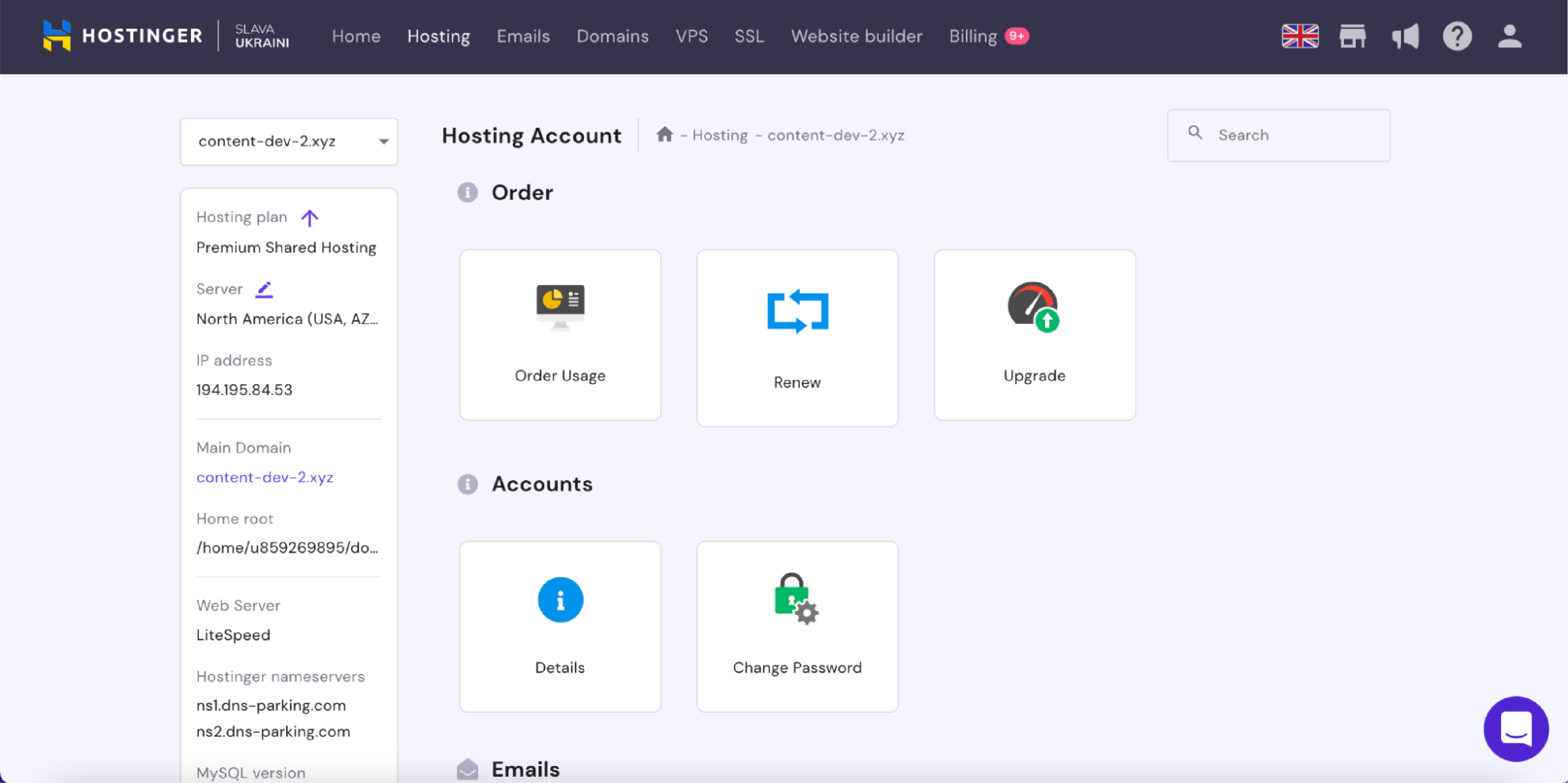
Hostinger is a budget-friendly hosting provider that doesn’t compromise on performance or features, making it an excellent choice for cash-strapped startups. It offers some of the lowest prices in the industry, with shared hosting plans starting at just a few dollars per month. Despite its affordability, Hostinger provides fast loading speeds thanks to its use of LiteSpeed servers and SSD storage. The platform also includes a free domain name, SSL certificate, and website builder, which are great perks for startups looking to save money. Hostinger’s control panel is intuitive and easy to use, even for beginners, and its customer support is available 24/7 via live chat. While Hostinger may not offer the same level of advanced features as some premium providers, it’s a solid option for startups that need a reliable and affordable hosting solution.
- LiteSpeed Servers: Uses LiteSpeed web servers for faster loading times and better performance.
- Free Domain and SSL: Includes a free domain name and SSL certificate with most hosting plans.
- AI-Powered Website Builder: Offers an easy-to-use website builder with AI tools to help startups create a professional site quickly.
- 99.9% Uptime Guarantee: Ensures your website remains online and accessible to visitors at all times.
- 24/7 Customer Support: Provides round-the-clock support via live chat to assist with any issues.
4. DreamHost
DreamHost is a reliable and flexible hosting provider that’s particularly well-suited for startups using WordPress. It offers a range of hosting plans, including shared, VPS, and dedicated hosting, but its shared hosting plans are especially popular among startups due to their affordability and ease of use. DreamHost stands out for its commitment to privacy and transparency, as it doesn’t oversell its servers, ensuring consistent performance for all users. The platform also includes a free domain name, SSL certificate, and automated backups, which are valuable features for startups. DreamHost’s control panel is user-friendly, and its customer support is available 24/7 via live chat and email. Additionally, DreamHost offers a 97-day money-back guarantee, which is one of the longest in the industry and gives startups peace of mind when trying out the service.
- 97-Day Money-Back Guarantee: Offers one of the longest money-back guarantees in the industry, allowing startups to try the service risk-free.
- Free Domain and SSL: Includes a free domain name and SSL certificate with most hosting plans.
- Automated Backups: Provides daily automated backups to protect your website’s data.
- Unlimited Bandwidth: Offers unlimited bandwidth, ensuring your website can handle high traffic without slowdowns.
- WordPress Optimized: Provides optimized WordPress hosting with one-click installations and automatic updates.
5. A2 Hosting
A2 Hosting is a high-performance hosting provider that’s ideal for startups that need speed and reliability. It’s known for its Turbo Servers, which can deliver up to 20 times faster loading speeds compared to standard hosting. A2 Hosting offers a range of hosting plans, including shared, VPS, and dedicated hosting, but its shared hosting plans are particularly well-suited for startups due to their affordability and performance. The platform also includes free site migrations, SSL certificates, and automated backups, making it easy for startups to get started. A2 Hosting’s customer support is available 24/7 via live chat, phone, and email, and its team is known for being knowledgeable and responsive. While A2 Hosting may be slightly more expensive than some competitors, its performance and features make it a great investment for startups that prioritize speed and uptime.
- Turbo Servers: Offers Turbo Servers that deliver up to 20 times faster loading speeds for better performance.
- Free Site Migrations: Includes free site migrations, making it easy to switch to A2 Hosting from another provider.
- Anytime Money-Back Guarantee: Provides an anytime money-back guarantee, allowing startups to try the service risk-free.
- Free SSL and CDN: Includes a free SSL certificate and Cloudflare CDN to enhance security and speed.
- Optimized for WordPress: Offers optimized WordPress hosting with one-click installations and automatic updates.
6. InMotion Hosting
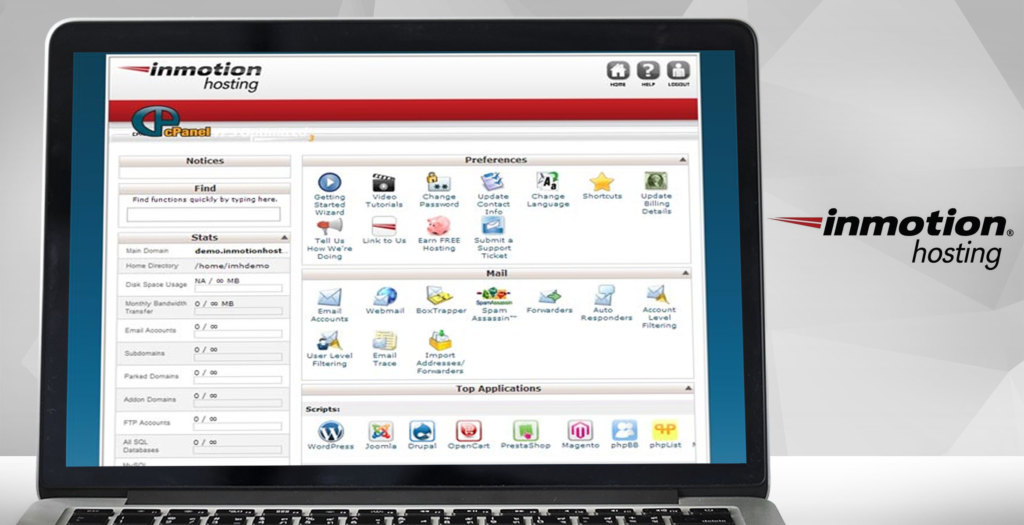
InMotion Hosting is a reliable and feature-rich hosting provider that’s perfect for startups looking for a balance between affordability and performance. It offers a range of hosting plans, including shared, VPS, and dedicated hosting, but its shared hosting plans are particularly well-suited for startups due to their competitive pricing and robust features. InMotion Hosting includes a free domain name, SSL certificate, and website builder, which are great perks for startups on a budget. The platform also offers free site migrations, automated backups, and a 90-day money-back guarantee, giving startups peace of mind when trying out the service. InMotion Hosting’s customer support is available 24/7 via live chat, phone, and email, and its team is known for being helpful and responsive. While InMotion Hosting may not be the cheapest option, its features and performance make it a solid choice for startups that want a reliable hosting provider.
- Free Domain and SSL: Includes a free domain name and SSL certificate with most hosting plans.
- 90-Day Money-Back Guarantee: Offers a 90-day money-back guarantee, one of the longest in the industry.
- Free Site Migrations: Includes free site migrations, making it easy to switch to InMotion Hosting from another provider.
- Automated Backups: Provides automated backups to protect your website’s data.
- Optimized for WordPress: Offers optimized WordPress hosting with one-click installations and automatic updates.
7. Kinsta

Kinsta is a premium managed WordPress hosting provider that’s ideal for startups that want a high-performance, hassle-free hosting experience. Unlike traditional shared hosting, Kinsta uses Google Cloud Platform to deliver fast loading speeds and reliable uptime. The platform is fully managed, meaning Kinsta handles all the technical aspects of hosting, including security, backups, and updates, so startups can focus on growing their business. Kinsta also includes a free SSL certificate, CDN, and staging environment, which are valuable features for startups that want to test changes before going live. While Kinsta is more expensive than some competitors, its performance and features make it a worthwhile investment for startups that prioritize speed, security, and ease of use.
- Google Cloud Platform: Uses Google Cloud Platform to deliver fast loading speeds and reliable uptime.
- Fully Managed Hosting: Handles all technical aspects of hosting, including security, backups, and updates.
- Free SSL and CDN: Includes a free SSL certificate and Cloudflare CDN to enhance security and speed.
- Staging Environment: Provides a staging environment to test changes before going live.
- 24/7 Expert Support: Offers round-the-clock support from WordPress experts to help resolve any issues.
8. Cloudways

Cloudways is a managed cloud hosting platform that’s perfect for startups that want flexibility and scalability. Unlike traditional hosting providers, Cloudways allows you to choose from multiple cloud infrastructure providers, including DigitalOcean, Linode, Vultr, AWS, and Google Cloud. This gives startups the freedom to select the cloud provider that best fits their needs and budget. Cloudways also offers a user-friendly control panel, automated backups, and 24/7 customer support, making it easy for startups to manage their hosting. The platform is fully managed, meaning Cloudways handles all the technical aspects of hosting, including security, updates, and server management. While Cloudways may be more expensive than some shared hosting providers, its flexibility and performance make it a great choice for startups that want a scalable and reliable hosting solution.
- Multiple Cloud Providers: Allows you to choose from DigitalOcean, Linode, Vultr, AWS, and Google Cloud.
- Fully Managed Hosting: Handles all technical aspects of hosting, including security, updates, and server management.
- Automated Backups: Provides automated backups to protect your website’s data.
- 24/7 Customer Support: Offers round-the-clock support via live chat and email to assist with any issues.
- Scalable Hosting: Allows you to easily scale your hosting resources as your startup grows.
9. WP Engine
WP Engine is a premium managed WordPress hosting provider that’s ideal for startups that want a high-performance, secure, and scalable hosting solution. The platform is fully managed, meaning WP Engine handles all the technical aspects of hosting, including security, backups, and updates, so startups can focus on growing their business. WP Engine uses a proprietary EverCache technology to deliver fast loading speeds and reliable uptime, and it includes a free SSL certificate, CDN, and staging environment. The platform also offers 24/7 customer support from WordPress experts, making it easy for startups to get help with any issues. While WP Engine is more expensive than some competitors, its performance and features make it a worthwhile investment for startups that prioritize speed, security, and ease of use.
- EverCache Technology: Uses proprietary EverCache technology to deliver fast loading speeds and reliable uptime.
- Fully Managed Hosting: Handles all technical aspects of hosting, including security, backups, and updates.
- Free SSL and CDN: Includes a free SSL certificate and Cloudflare CDN to enhance security and speed.
- Staging Environment: Provides a staging environment to test changes before going live.
- 24/7 Expert Support: Offers round-the-clock support from WordPress experts to help resolve any issues.
10. GreenGeeks
GreenGeeks is an eco-friendly hosting provider that’s perfect for startups that want to minimize their environmental impact while getting reliable hosting. The platform is powered by renewable energy, and for every unit of energy it consumes, it invests three times that amount back into the grid in the form of renewable energy. GreenGeeks offers a range of hosting plans, including shared, VPS, and reseller hosting, but its shared hosting plans are particularly well-suited for startups due to their affordability and features. The platform includes a free domain name, SSL certificate, and website builder, which are great perks for startups on a budget. GreenGeeks also offers free site migrations, automated backups, and 24/7 customer support, making it easy for startups to get started. While GreenGeeks may not be the fastest hosting provider, its eco-friendly approach and features make it a solid choice for startups that want to do their part for the environment.
- Eco-Friendly Hosting: Powered by renewable energy and invests three times the energy it consumes back into the grid.
- Free Domain and SSL: Includes a free domain name and SSL certificate with most hosting plans.
- Free Site Migrations: Includes free site migrations, making it easy to switch to GreenGeeks from another provider.
- Automated Backups: Provides automated backups to protect your website’s data.
- 24/7 Customer Support: Offers round-the-clock support via live chat, phone, and email to assist with any issues.
Frequently Asked Questions
What is the best hosting for startups on a tight budget?
For startups on a tight budget, Hostinger and Bluehost are excellent choices. Both providers offer affordable shared hosting plans with features like free domain names, SSL certificates, and one-click WordPress installations. Hostinger is particularly budget-friendly, with plans starting at just $1.99/month, while Bluehost offers a free domain for the first year and is officially recommended by WordPress. Both providers also include 24/7 customer support, making them ideal for startups that need reliable hosting without breaking the bank.
Should startups choose shared hosting or VPS hosting?
The choice between shared hosting and VPS hosting depends on your startup’s needs and budget. Shared hosting is the most affordable option and is ideal for startups with low to moderate traffic. It’s easy to set up and manage, making it perfect for non-technical founders. However, shared hosting can be slower and less secure than VPS hosting, as you’re sharing resources with other websites. VPS hosting, on the other hand, offers more control, better performance, and enhanced security, but it’s more expensive and requires some technical knowledge. If your startup is experiencing rapid growth or expects high traffic, VPS hosting may be a better long-term solution.
What features should startups look for in a hosting provider?
Startups should look for a hosting provider that offers a balance of affordability, performance, and reliability. Key features to consider include: 1) Free domain name and SSL certificate, which are essential for building trust and improving SEO. 2) One-click WordPress installations, which simplify the process of setting up a website. 3) 24/7 customer support, which is crucial for resolving issues quickly. 4) Automated backups, which protect your website’s data in case of a disaster. 5) Scalability, which allows you to easily upgrade your hosting plan as your startup grows. 6) Uptime guarantees, which ensure your website remains online and accessible to visitors at all times.
Is managed WordPress hosting worth it for startups?
Managed WordPress hosting can be worth it for startups that want a hassle-free, high-performance hosting experience. Unlike traditional shared hosting, managed WordPress hosting is optimized specifically for WordPress, with features like automatic updates, enhanced security, and faster loading speeds. Providers like Kinsta and WP Engine handle all the technical aspects of hosting, including backups, security, and updates, so startups can focus on growing their business. While managed WordPress hosting is more expensive than shared hosting, its performance and features make it a worthwhile investment for startups that prioritize speed, security, and ease of use.
How important is uptime for a startup’s website?
Uptime is critically important for a startup’s website, as even a few minutes of downtime can result in lost revenue, damaged reputation, and decreased search engine rankings. Most hosting providers offer uptime guarantees of 99.9% or higher, which means your website should be online and accessible to visitors at least 99.9% of the time. However, it’s important to choose a hosting provider with a proven track record of reliability, as some providers may not meet their uptime guarantees. Startups should also consider using a monitoring tool to track their website’s uptime and receive alerts if it goes down.
Can startups switch hosting providers later if needed?
Yes, startups can switch hosting providers later if needed, but it’s important to choose a provider that makes the process as smooth as possible. Many hosting providers offer free site migrations, which can simplify the process of switching from one provider to another. However, migrating a website can still be complex and time-consuming, especially for startups with limited technical expertise. To minimize downtime and potential issues, startups should choose a hosting provider that offers reliable performance, scalability, and good customer support from the beginning. This can help avoid the need to switch providers later on.
What is the difference between cloud hosting and traditional hosting?
The main difference between cloud hosting and traditional hosting lies in how resources are allocated and managed. Traditional hosting, such as shared or VPS hosting, relies on a single server to host your website. If that server goes down or experiences high traffic, your website may slow down or become unavailable. Cloud hosting, on the other hand, uses a network of interconnected servers to host your website. This means that if one server goes down, another server can take over, ensuring your website remains online and accessible. Cloud hosting is also more scalable, as you can easily add or remove resources as needed. While cloud hosting is generally more expensive than traditional hosting, its reliability and scalability make it a great choice for startups that expect high traffic or rapid growth.