
best hosting websites for ecommerce


If you’re launching an online store, choosing the right hosting provider is one of the most important decisions you’ll make. The best ecommerce hosting platforms offer fast load times, strong security, and reliable uptime—all of which directly impact sales and customer experience. You also need features like SSL certificates, payment gateway integrations, and scalable resources to handle traffic spikes without crashing. Not all hosting services are built for ecommerce, so picking one that specializes in it can save you headaches down the road.
Performance and support matter just as much as pricing. Some hosts include built-in shopping cart software, while others require third-party tools like WooCommerce or Shopify. You’ll want to consider whether you need managed hosting for hands-off maintenance or prefer more control with a VPS or dedicated server. Security is non-negotiable, especially with payment processing involved, so look for providers with PCI compliance, DDoS protection, and regular backups.
I’ve assembled a list below of the best options for ecommerce hosting websites.
📋 Table of Contents
1. Shopify
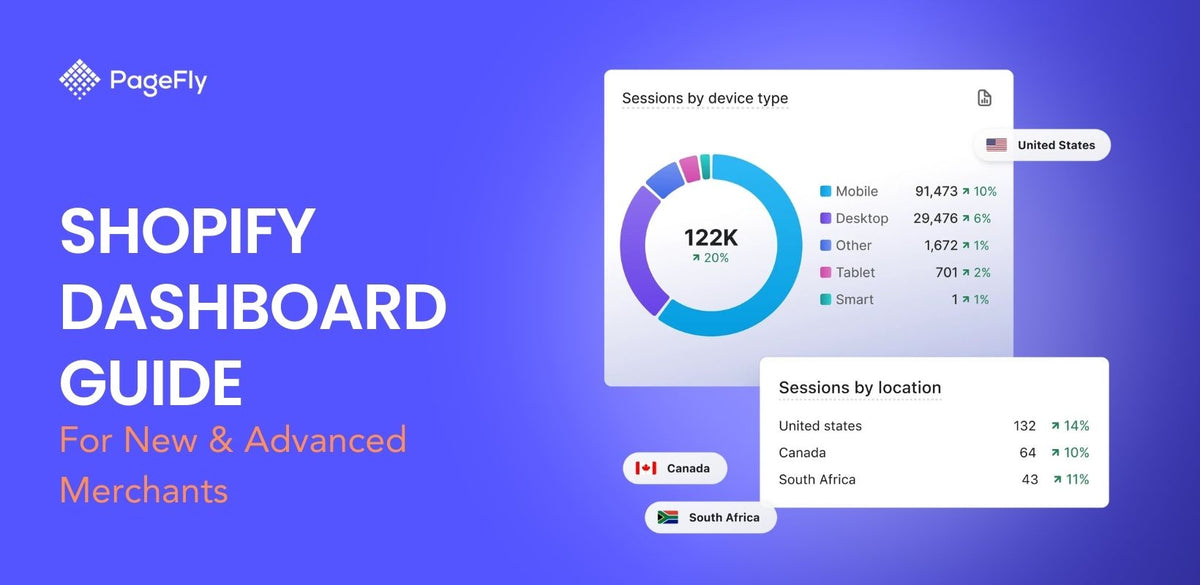
Shopify is one of the most popular ecommerce hosting platforms, known for its ease of use and comprehensive features. It’s an all-in-one solution that allows businesses to set up an online store quickly without needing extensive technical knowledge. Shopify is ideal for both beginners and established businesses looking to scale. It offers a wide range of customizable templates, built-in payment processing, and a robust app store to extend functionality. Whether you’re selling physical products, digital goods, or services, Shopify provides the tools to manage inventory, process orders, and market your store effectively. Its reliability and 24/7 customer support make it a top choice for entrepreneurs worldwide.
- All-in-One Platform: Shopify provides everything you need to start, run, and grow your ecommerce business, including hosting, security, and payment processing.
- Customizable Templates: Choose from over 70 professional and mobile-responsive themes to create a unique storefront that reflects your brand.
- App Store: Access thousands of apps to add features like email marketing, SEO tools, and inventory management to your store.
- Built-in Payment Processing: Shopify Payments allows you to accept credit cards and other payment methods without third-party integrations.
- 24/7 Customer Support: Get help anytime via live chat, email, or phone to resolve issues quickly.
2. BigCommerce
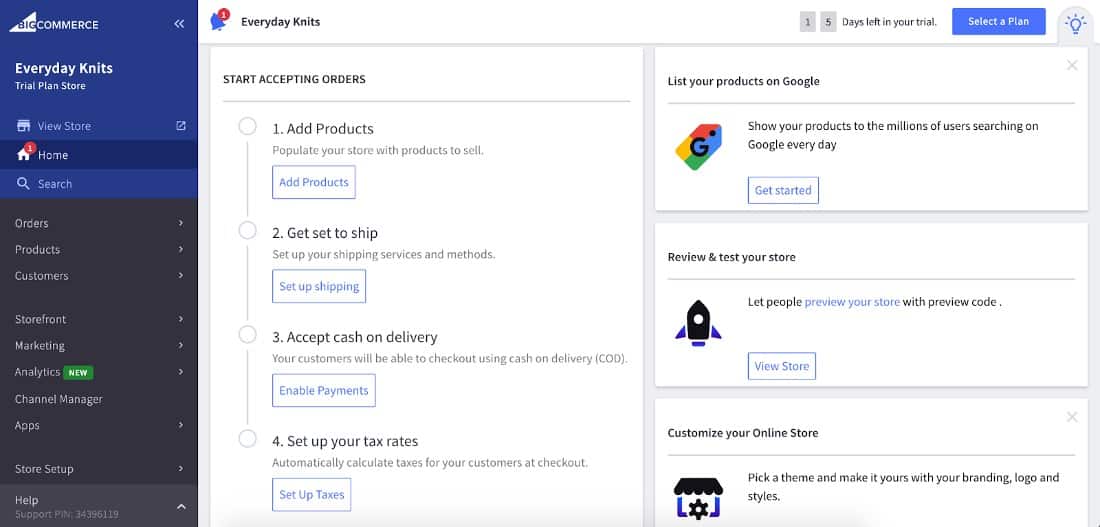
BigCommerce is a powerful ecommerce hosting platform designed for businesses that want to scale quickly. It offers a robust set of built-in features, making it a great alternative to Shopify for mid-sized to large businesses. BigCommerce stands out for its flexibility, allowing users to customize their stores extensively without relying heavily on third-party apps. It supports multi-channel selling, including integrations with Amazon, eBay, and social media platforms. The platform also provides advanced SEO tools, secure hosting, and a variety of payment gateways. BigCommerce is ideal for businesses that need a scalable solution with enterprise-level features but don’t want to deal with the complexity of self-hosted platforms like Magento.
- Multi-Channel Selling: Sell on multiple platforms, including Amazon, eBay, Facebook, and Instagram, all from one dashboard.
- Built-in Features: BigCommerce includes advanced features like abandoned cart recovery, product filtering, and customer segmentation out of the box.
- SEO-Friendly: Optimize your store for search engines with built-in tools like customizable URLs, meta tags, and automatic sitemaps.
- Secure Hosting: BigCommerce provides PCI-compliant hosting with built-in security features like SSL certificates and DDoS protection.
- Scalability: The platform is designed to handle high traffic and large product catalogs, making it ideal for growing businesses.
3. WooCommerce (Hosted by SiteGround)

WooCommerce is a popular open-source ecommerce plugin for WordPress, and when hosted by SiteGround, it becomes a powerful and flexible solution for online stores. SiteGround’s WooCommerce hosting is optimized for speed, security, and reliability, making it an excellent choice for businesses that want full control over their store’s design and functionality. Unlike all-in-one platforms like Shopify, WooCommerce allows for deep customization, making it ideal for developers or businesses with specific needs. SiteGround provides managed WooCommerce hosting, which includes automatic updates, daily backups, and enhanced security features. This combination is perfect for small to medium-sized businesses that want the flexibility of WordPress with the performance of a dedicated ecommerce host.
- Open-Source Flexibility: WooCommerce is highly customizable, allowing you to modify every aspect of your store to fit your business needs.
- Optimized Hosting: SiteGround’s hosting is specifically optimized for WooCommerce, ensuring fast load times and reliable performance.
- Managed Updates: SiteGround automatically updates WordPress and WooCommerce to keep your store secure and running smoothly.
- Enhanced Security: Includes free SSL certificates, daily backups, and advanced security measures to protect your store from threats.
- Scalability: SiteGround’s hosting plans grow with your business, offering resources to handle increased traffic and sales.
4. Wix eCommerce
Wix eCommerce is a user-friendly platform that combines the simplicity of Wix’s drag-and-drop website builder with powerful ecommerce features. It’s an excellent choice for small businesses, artists, and entrepreneurs who want to create a visually stunning online store without any coding knowledge. Wix offers a wide range of customizable templates, making it easy to design a store that reflects your brand. The platform includes built-in tools for inventory management, payment processing, and marketing, as well as integrations with popular apps like Mailchimp and Google Analytics. Wix eCommerce is ideal for those who prioritize design and ease of use over advanced ecommerce functionalities.
- Drag-and-Drop Builder: Create a professional-looking store with ease using Wix’s intuitive website builder.
- Customizable Templates: Choose from over 500 designer-made templates to create a unique storefront.
- Built-in Payment Processing: Accept payments via Wix Payments, PayPal, Stripe, and other popular gateways.
- Marketing Tools: Use built-in tools for email marketing, SEO, and social media integration to promote your store.
- Mobile Optimization: All Wix templates are mobile-responsive, ensuring your store looks great on any device.
5. Squarespace Commerce
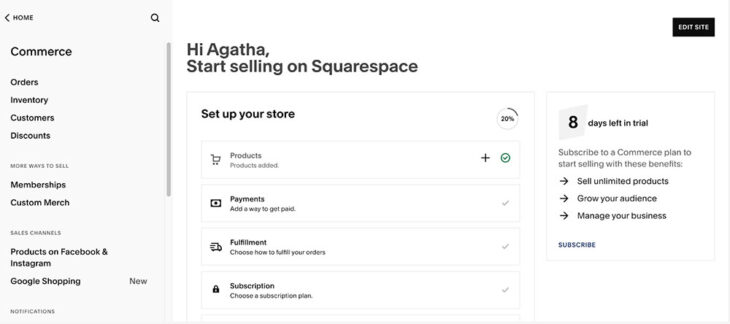
Squarespace Commerce is a visually stunning ecommerce platform that’s perfect for creatives, artists, and small businesses looking to sell products online. Known for its beautiful templates and sleek design, Squarespace makes it easy to create an aesthetically pleasing online store without any technical expertise. The platform includes built-in tools for inventory management, payment processing, and marketing, as well as integrations with popular services like ShipStation and Printful. Squarespace Commerce is ideal for businesses that prioritize design and want a simple, all-in-one solution for selling products online. While it may not offer as many advanced features as Shopify or BigCommerce, its ease of use and design flexibility make it a strong contender for small to medium-sized stores.
- Beautiful Templates: Squarespace offers award-winning templates that are perfect for showcasing products in a visually appealing way.
- All-in-One Platform: Manage your store, website, and blog all in one place with Squarespace’s integrated tools.
- Built-in Payment Processing: Accept payments via Stripe, PayPal, and Apple Pay without third-party integrations.
- Marketing Tools: Use built-in tools for email campaigns, SEO, and social media integration to grow your business.
- Mobile Optimization: All Squarespace templates are mobile-responsive, ensuring your store looks great on any device.
6. Magento (Adobe Commerce)

Magento, now known as Adobe Commerce, is a powerful open-source ecommerce platform designed for large businesses and enterprises. It offers unparalleled flexibility and scalability, making it ideal for businesses with complex needs and high traffic volumes. Magento provides advanced features like multi-store management, customizable product catalogs, and robust SEO tools. However, it requires technical expertise to set up and maintain, so it’s best suited for businesses with in-house developers or the budget to hire a Magento specialist. Adobe Commerce also offers a cloud-hosted version, which includes managed hosting, security, and performance optimization. If you need a highly customizable and scalable ecommerce solution, Magento is one of the best options available.
- Open-Source Flexibility: Magento is highly customizable, allowing you to tailor every aspect of your store to your business needs.
- Multi-Store Management: Manage multiple stores from a single dashboard, making it ideal for businesses with multiple brands or locations.
- Advanced SEO Tools: Optimize your store for search engines with built-in tools like customizable URLs, meta tags, and sitemaps.
- Scalability: Magento is designed to handle high traffic and large product catalogs, making it ideal for growing businesses.
- Cloud-Hosted Option: Adobe Commerce offers a cloud-hosted version with managed hosting, security, and performance optimization.
7. Volusion

Volusion is a long-standing ecommerce platform that offers a comprehensive set of tools for building and managing online stores. It’s a great choice for small to medium-sized businesses that want a straightforward, all-in-one solution without the need for extensive customization. Volusion includes features like inventory management, payment processing, and built-in marketing tools, as well as integrations with popular apps like QuickBooks and Mailchimp. The platform is known for its ease of use and reliable customer support, making it a good option for businesses that want to get up and running quickly. While it may not offer as many advanced features as Shopify or BigCommerce, Volusion is a solid choice for businesses that prioritize simplicity and affordability.
- All-in-One Platform: Volusion provides everything you need to start, run, and grow your ecommerce business, including hosting, security, and payment processing.
- Inventory Management: Manage your product catalog, track inventory, and process orders with ease using Volusion’s built-in tools.
- Built-in Payment Processing: Accept payments via Volusion Payments, PayPal, Stripe, and other popular gateways.
- Marketing Tools: Use built-in tools for email marketing, SEO, and social media integration to promote your store.
- 24/7 Customer Support: Get help anytime via live chat, email, or phone to resolve issues quickly.
8. Bluehost WooCommerce Hosting
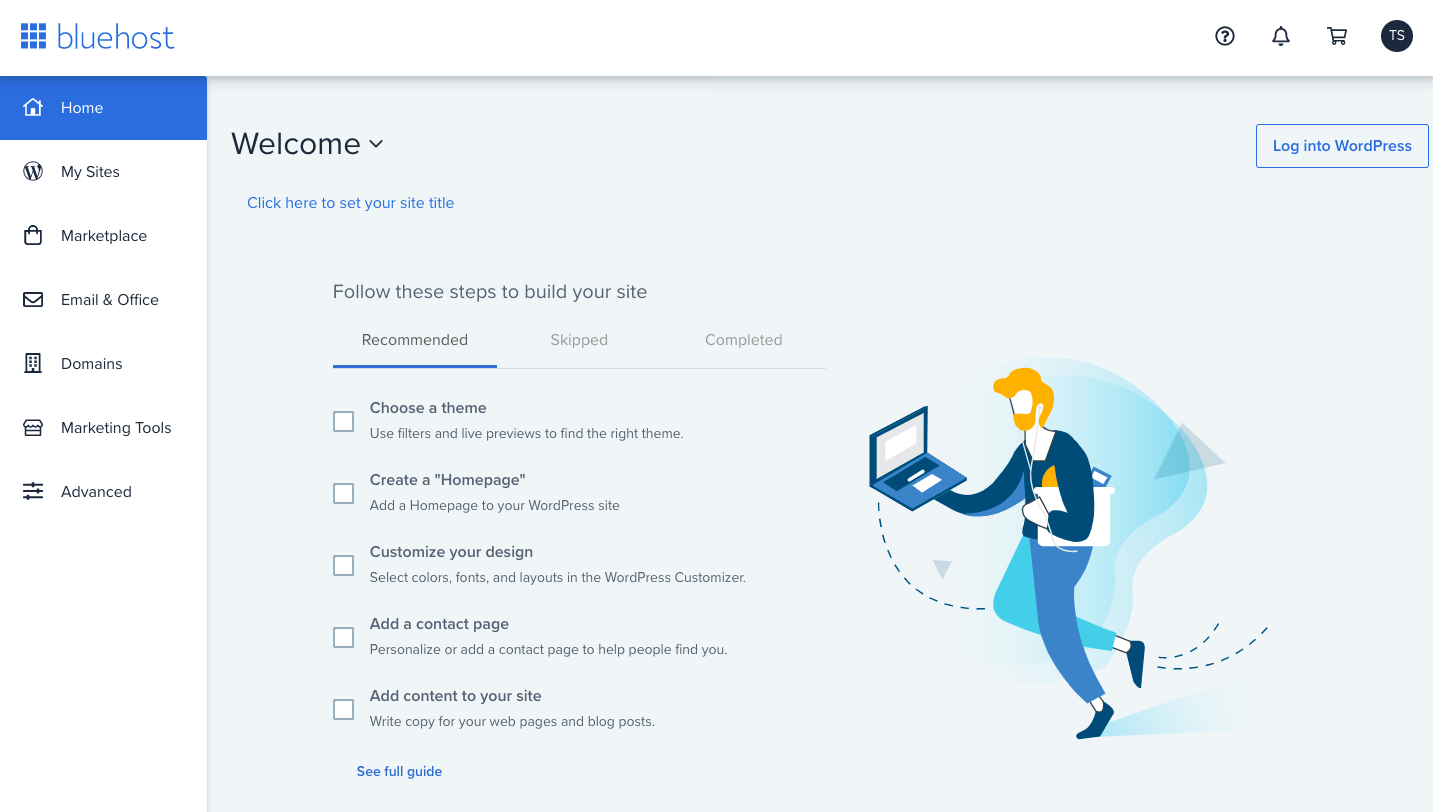
Bluehost is a well-known web hosting provider that offers specialized WooCommerce hosting for online stores. WooCommerce is a powerful ecommerce plugin for WordPress, and Bluehost’s hosting is optimized to provide the best performance and security for WooCommerce stores. The platform includes features like automatic WordPress and WooCommerce updates, free SSL certificates, and enhanced security measures. Bluehost also offers a one-click WooCommerce installation, making it easy to set up your store quickly. This hosting solution is ideal for small to medium-sized businesses that want the flexibility of WordPress with the reliability of a trusted hosting provider. Bluehost’s affordable pricing and excellent customer support make it a popular choice for ecommerce entrepreneurs.
- Optimized for WooCommerce: Bluehost’s hosting is specifically optimized for WooCommerce, ensuring fast load times and reliable performance.
- One-Click Installation: Set up your WooCommerce store quickly with Bluehost’s one-click installation process.
- Free SSL Certificate: Secure your store with a free SSL certificate to protect customer data and build trust.
- Automatic Updates: Bluehost automatically updates WordPress and WooCommerce to keep your store secure and running smoothly.
- 24/7 Customer Support: Get help anytime via live chat, email, or phone to resolve issues quickly.
9. 3dcart (Now Shift4Shop)

3dcart, now rebranded as Shift4Shop, is a feature-rich ecommerce platform designed for businesses of all sizes. It offers a wide range of built-in tools, including inventory management, payment processing, and marketing features, making it a strong alternative to Shopify and BigCommerce. Shift4Shop is known for its flexibility and scalability, allowing businesses to customize their stores extensively. The platform also includes advanced SEO tools, secure hosting, and integrations with popular apps like QuickBooks and Mailchimp. Shift4Shop is ideal for businesses that want a comprehensive ecommerce solution without the need for third-party apps. Its affordable pricing and robust feature set make it a great choice for small to medium-sized businesses looking to grow their online presence.
- All-in-One Platform: Shift4Shop provides everything you need to start, run, and grow your ecommerce business, including hosting, security, and payment processing.
- Built-in Features: Includes advanced features like abandoned cart recovery, product filtering, and customer segmentation out of the box.
- SEO-Friendly: Optimize your store for search engines with built-in tools like customizable URLs, meta tags, and automatic sitemaps.
- Secure Hosting: Shift4Shop provides PCI-compliant hosting with built-in security features like SSL certificates and DDoS protection.
- Scalability: The platform is designed to handle high traffic and large product catalogs, making it ideal for growing businesses.
10. Ecwid
Ecwid is a unique ecommerce platform that allows you to add an online store to any existing website, blog, or social media page. It’s an excellent choice for small businesses, freelancers, and entrepreneurs who want to start selling online without building a separate ecommerce site. Ecwid offers a free plan with basic features, making it accessible to businesses on a tight budget. The platform includes tools for inventory management, payment processing, and marketing, as well as integrations with popular apps like Mailchimp and Google Shopping. Ecwid is ideal for businesses that want a simple, flexible, and affordable way to sell products online without the complexity of a full-fledged ecommerce platform.
- Add to Any Website: Ecwid can be added to any existing website, blog, or social media page, making it easy to start selling online.
- Free Plan Available: Ecwid offers a free plan with basic features, making it accessible to businesses on a tight budget.
- Inventory Management: Manage your product catalog, track inventory, and process orders with ease using Ecwid’s built-in tools.
- Built-in Payment Processing: Accept payments via Ecwid Payments, PayPal, Stripe, and other popular gateways.
- Multi-Channel Selling: Sell on multiple platforms, including Facebook, Instagram, and Amazon, all from one dashboard.
Frequently Asked Questions
What is the best ecommerce hosting platform for beginners?
For beginners, Shopify and Wix eCommerce are the best options because they offer user-friendly interfaces, drag-and-drop builders, and comprehensive support. Both platforms require little to no technical knowledge, making it easy to set up and manage an online store. Shopify is particularly popular for its all-in-one solution, while Wix is ideal for those who prioritize design and customization.
Which ecommerce hosting platform is best for large businesses?
For large businesses, Magento (Adobe Commerce) and BigCommerce are the top choices. Magento offers unparalleled flexibility and scalability, making it ideal for enterprises with complex needs. BigCommerce, on the other hand, provides a robust set of built-in features and multi-channel selling capabilities, making it a great option for mid-sized to large businesses that want to scale quickly without the complexity of self-hosted solutions.
Is WooCommerce a good option for ecommerce hosting?
Yes, WooCommerce is an excellent option for ecommerce hosting, especially when paired with a reliable hosting provider like SiteGround or Bluehost. WooCommerce is highly customizable and offers the flexibility of WordPress, making it ideal for businesses that want full control over their store’s design and functionality. However, it requires some technical knowledge to set up and maintain, so it’s best suited for businesses with in-house developers or the budget to hire a specialist.
What are the key features to look for in an ecommerce hosting platform?
When choosing an ecommerce hosting platform, look for features like ease of use, customization options, built-in payment processing, inventory management, SEO tools, and scalability. Security is also crucial, so ensure the platform offers SSL certificates, PCI compliance, and regular backups. Additionally, consider the platform’s integrations with third-party apps, customer support, and pricing to ensure it meets your business needs.
Can I use a free ecommerce hosting platform?
Yes, some ecommerce platforms offer free plans, such as Ecwid and Shift4Shop. However, free plans typically come with limitations, such as a restricted number of products, basic features, and transaction fees. If you’re just starting out and have a small budget, a free plan can be a good way to test the waters. However, as your business grows, you’ll likely need to upgrade to a paid plan to access advanced features and remove limitations.
How important is hosting speed for an ecommerce website?
Hosting speed is critical for an ecommerce website because it directly impacts user experience, search engine rankings, and conversion rates. Slow-loading pages can frustrate customers and lead to higher bounce rates, which can hurt your sales. Additionally, Google considers page speed as a ranking factor, so a fast-loading site can improve your search engine visibility. To ensure optimal performance, choose a hosting provider that offers fast servers, content delivery networks (CDNs), and caching solutions.
What is the difference between self-hosted and hosted ecommerce platforms?
Self-hosted ecommerce platforms, like WooCommerce and Magento, require you to find your own hosting provider and manage the technical aspects of your store, such as security, updates, and backups. These platforms offer more flexibility and customization but require technical expertise. Hosted ecommerce platforms, like Shopify and BigCommerce, provide all-in-one solutions that include hosting, security, and support. They are easier to set up and manage but may offer less flexibility in terms of customization.