
best linux distro for servers


Running a Linux server isn’t just about choosing software—it’s about balancing stability, performance, and ease of maintenance. The operating system you pick will dictate how smoothly your infrastructure runs, how secure it stays, and how much effort you’ll need to keep it running. For most server workloads, the right Linux distribution can mean the difference between a seamless operation and constant troubleshooting. Whether you’re managing a web host, running databases, or hosting virtual machines, the distro you select should align with your technical needs and operational workflow.
Not all Linux distributions are built for the same tasks. Some prioritize simplicity for beginners, while others are optimized for enterprise-grade reliability or cutting-edge features. The server environment demands reliability, minimal downtime, and efficient resource usage—qualities that vary widely across distros. For example, some are designed for rapid deployment and quick scaling, while others excel in long-term stability and patch management. The choice often comes down to whether you prioritize ease of administration or cutting-edge tools, and how much customization you’re willing to handle yourself.
Below is a list of the best options for a Linux distro for servers.
📋 Table of Contents
1. Ubuntu Server
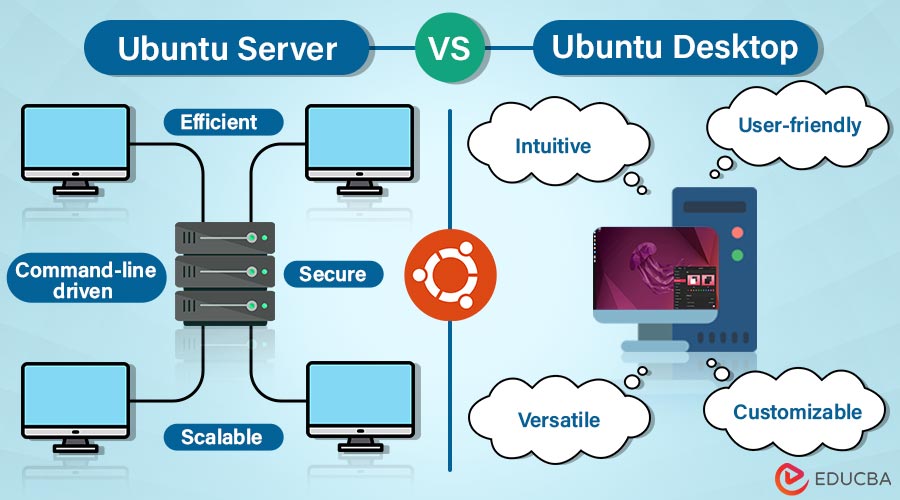
Ubuntu Server is one of the most popular Linux distributions for servers due to its stability, extensive community support, and ease of deployment. It’s based on Debian and is designed for enterprise use, making it ideal for both beginners and experienced administrators. Ubuntu Server includes a vast array of pre-installed tools and packages, including Apache, Nginx, MySQL, and Docker, which streamline common server tasks. Its rolling release model ensures users always have access to the latest security patches and software updates, reducing downtime and maintenance efforts.
- Rolling Release Model: Continuous updates with minimal downtime, keeping security and software current.
- Extensive Community & Documentation: Rich resources, tutorials, and forums for troubleshooting and learning.
- Pre-Installed Server Tools: Apache, Nginx, MySQL, Docker, and more included by default.
- Strong Enterprise Support: Backed by Canonical’s professional support for critical workloads.
- User-Friendly Package Management: Easy installation and management of software via apt and snap packages.
2. CentOS Stream
CentOS Stream is a modern, community-driven Linux distribution derived from Red Hat Enterprise Linux (RHEL). It offers a balance between stability and innovation, making it a favorite for developers and administrators who need a reliable yet flexible server environment. Unlike traditional CentOS, which is based on RHEL releases, CentOS Stream follows a rolling release approach, ensuring faster access to new features and security updates. This makes it particularly well-suited for cloud environments and applications requiring real-time updates.
- Rolling Release Model: Faster access to RHEL features and security patches without long freeze periods.
- Red Hat Enterprise Linux (RHEL) Compatibility: Works seamlessly with RHEL-based applications and tools.
- Strong Community & Documentation: Active forums, tutorials, and a large user base for support.
- Lightweight & Efficient: Optimized for performance, making it ideal for resource-constrained servers.
- Cloud-Native Ready: Designed for Kubernetes, Docker, and other cloud-native technologies.
3. Debian
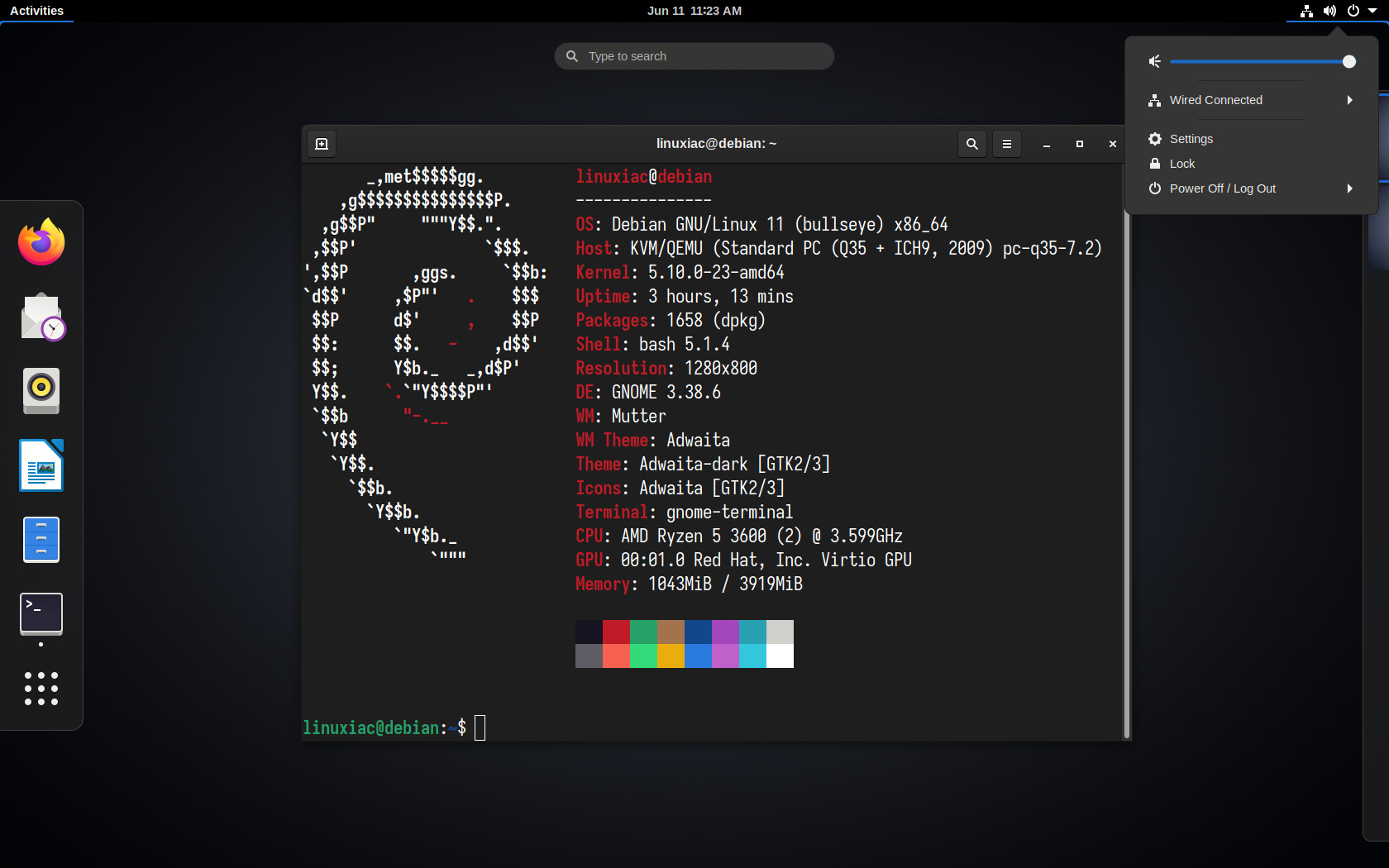
Debian is a classic, stable Linux distribution known for its reliability and adherence to open-source principles. It’s widely used in enterprise environments, including data centers and high-performance computing clusters. Debian’s strict adherence to the Free Software Foundation’s guidelines ensures transparency and consistency, making it a trusted choice for organizations prioritizing security and stability. While it may require more manual configuration compared to other distributions, its long-term support (LTS) releases provide a solid foundation for long-running server workloads.
- Extremely Stable & Secure: Long-term support (LTS) releases ensure reliability for mission-critical servers.
- Comprehensive Package Management: Advanced package management tools like apt and dpkg for precise software control.
- Strong Community & Documentation: Rich resources, including forums, books, and official documentation.
- Open-Source Compliance: Strict adherence to free software principles, ensuring no proprietary dependencies.
- Used in Enterprise & Cloud Environments: Trusted by organizations like NASA, Google, and Amazon Web Services.
4. Rocky Linux

Rocky Linux is a community-supported distribution designed to be fully compatible with Red Hat Enterprise Linux (RHEL). It provides an alternative to CentOS Stream while maintaining the same reliability and feature set as RHEL. This makes it an excellent choice for organizations that require RHEL compatibility without the cost of official Red Hat licenses. Rocky Linux follows a rolling release model, ensuring users stay up-to-date with the latest security patches and software updates while keeping the stability of RHEL-based environments intact.
- 100% RHEL Compatible: Works identically to RHEL, ensuring seamless integration with enterprise applications.
- Rolling Release Model: Faster updates and access to new features without long freeze periods.
- Strong Community & Support: Active forums, documentation, and a growing user base for troubleshooting.
- Lightweight & Efficient: Optimized for performance, making it suitable for both small and large-scale servers.
- Free & Open-Source: No licensing costs, making it an affordable alternative to RHEL.
5. AlmaLinux

AlmaLinux is another RHEL-compatible distribution created to provide a free alternative to Red Hat Enterprise Linux. It follows the same release cycle as RHEL, ensuring long-term support and stability for enterprise workloads. AlmaLinux is ideal for organizations that need RHEL compatibility without the associated costs. Its rolling release model allows users to stay current with the latest features and security updates while maintaining the reliability expected from enterprise-grade Linux distributions.
- 100% RHEL Compatible: Identical functionality to RHEL, ensuring seamless deployment of enterprise applications.
- Long-Term Support (LTS) Releases: Extended support for years, reducing downtime and maintenance overhead.
- Rolling Release Model: Faster updates and access to new features compared to traditional RHEL releases.
- Strong Community & Documentation: Active forums, tutorials, and a growing community for support.
- Free & Open-Source: No licensing fees, making it a cost-effective choice for businesses.
6. Arch Linux
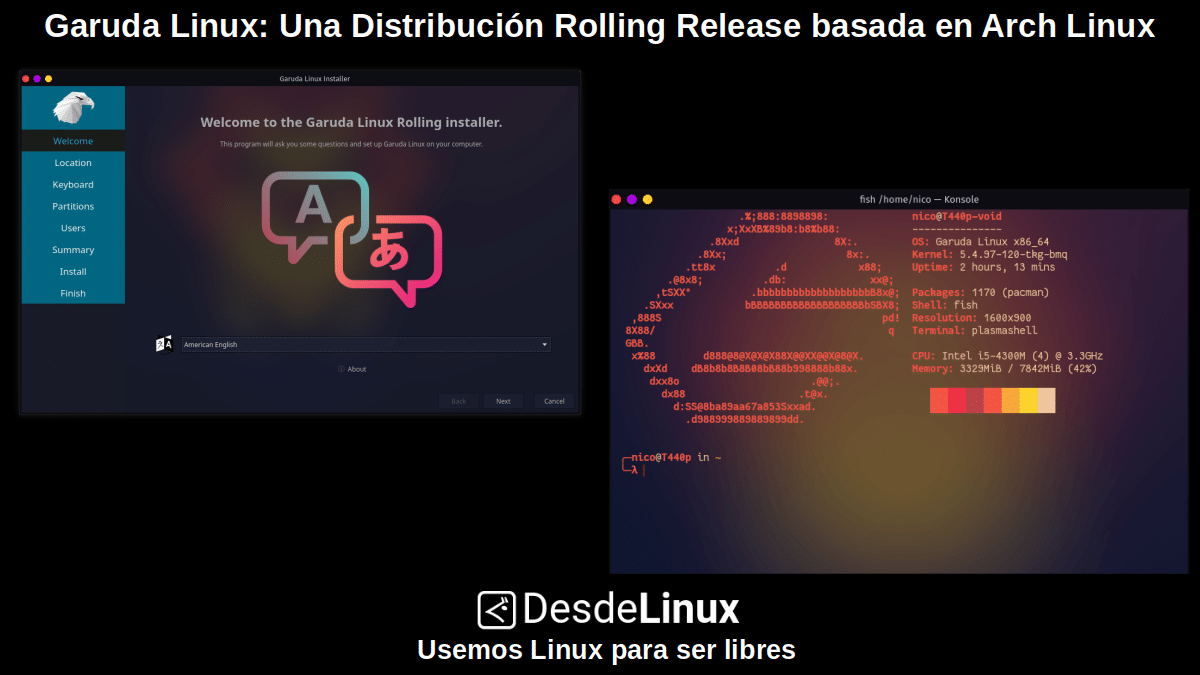
Arch Linux is known for its simplicity and flexibility, making it a popular choice for users who want full control over their server environment. Unlike traditional distributions, Arch Linux uses a rolling release model, ensuring users always have access to the latest software and security updates. This makes it ideal for developers and administrators who prioritize cutting-edge technology and customization. However, its simplicity comes with a learning curve, as users must manage packages manually, which can be challenging for beginners.
- Rolling Release Model: Always up-to-date with the latest software and security patches.
- Minimal & Customizable: Lightweight and highly configurable, allowing users to tailor the system to their needs.
- Strong Community & Documentation: Active forums, tutorials, and a large user base for support.
- Package Management with Pacman: Efficient and flexible package management system.
- Great for Developers & Tech Enthusiasts: Ideal for those who enjoy hands-on customization and troubleshooting.
7. openSUSE Leap
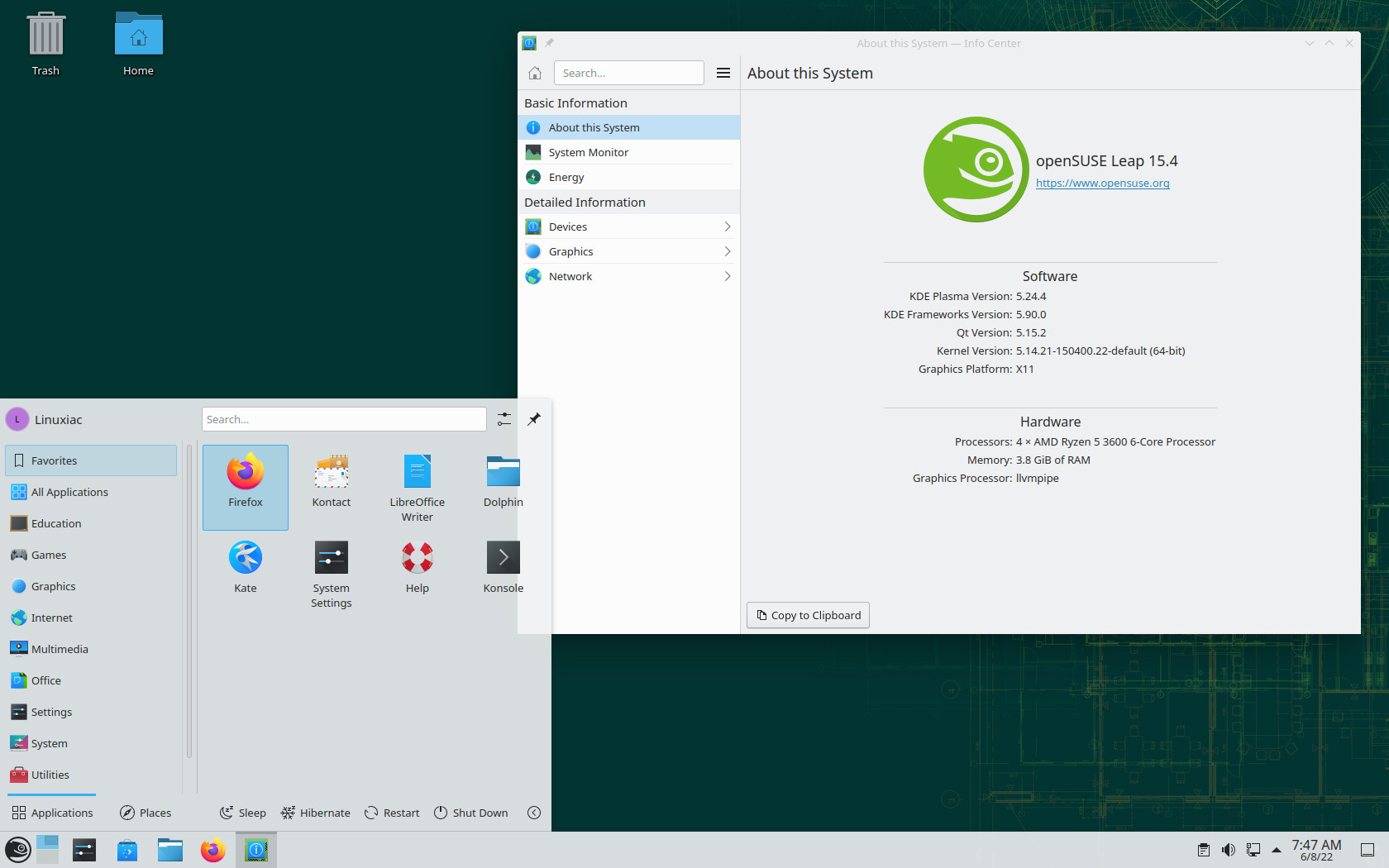
openSUSE Leap is a stable, enterprise-grade Linux distribution that offers long-term support and reliability. It is part of the openSUSE ecosystem, which includes a rolling release variant called openSUSE Tumbleweed. openSUSE Leap is particularly well-suited for servers that require stability and security over short periods. It includes a wide range of pre-installed software and tools, making it easy to deploy and manage. Its strong community support and comprehensive documentation further enhance its appeal for enterprise environments.
- Long-Term Support (LTS) Releases: Extended support for years, reducing maintenance overhead.
- Enterprise-Grade Stability: Reliable and secure, making it ideal for mission-critical servers.
- Pre-Installed Software & Tools: Includes a variety of applications and utilities for common server tasks.
- Strong Community & Documentation: Active forums, tutorials, and a large user base for support.
- Open-Source & Free: No licensing costs, making it an affordable choice for businesses.
8. Kali Linux
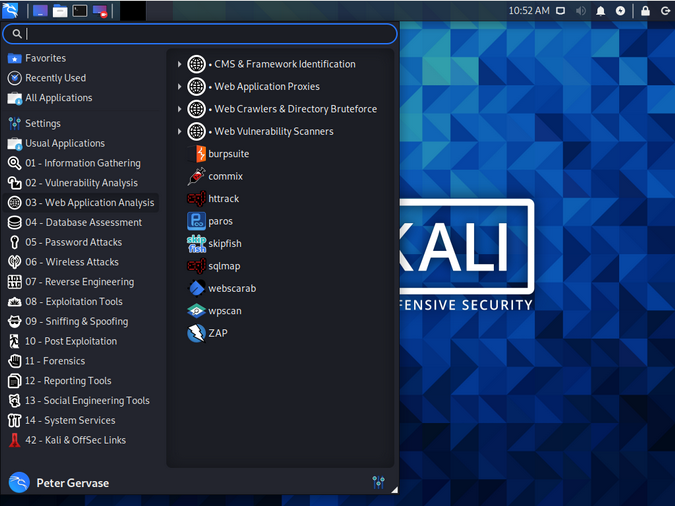
Kali Linux is a Debian-based distribution specifically designed for penetration testing, security auditing, and ethical hacking. While it may not be the best choice for general-purpose servers, it is an invaluable tool for security professionals who need a comprehensive suite of security tools. Kali Linux includes a vast collection of open-source security tools, making it a go-to distribution for testing network vulnerabilities, analyzing malware, and conducting security assessments. Its focus on security makes it a unique option for specialized server environments where security is a top priority.
- Comprehensive Security Tools: Includes over 600 security tools for penetration testing and auditing.
- Debian-Based & Stable: Reliable foundation with strong community support.
- Specialized for Ethical Hacking: Ideal for security professionals and penetration testers.
- Rolling Release Model: Continuous updates with the latest security tools and patches.
- Free & Open-Source: No licensing fees, making it accessible for security teams.
9. Slackware
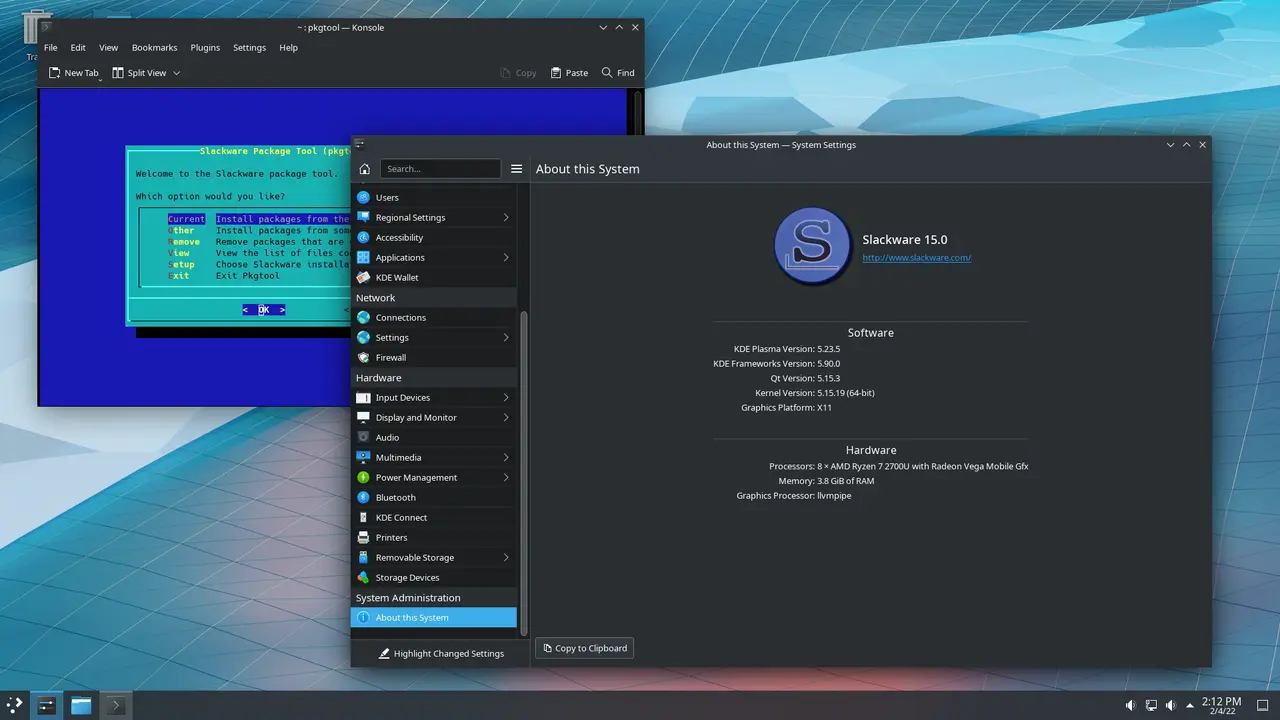
Slackware is one of the oldest and most traditional Linux distributions, known for its simplicity and stability. It has been around since the early days of Linux and remains a favorite among users who prefer a minimalist approach to server management. Slackware’s straightforward package management system and lack of bloat make it an excellent choice for users who want a lightweight, reliable server environment. While it may not offer the latest features as quickly as other distributions, its stability and ease of use make it a solid option for long-term server deployments.
- Extremely Stable & Reliable: Proven reliability for long-running server workloads.
- Minimal & Lightweight: No unnecessary packages, making it easy to manage and secure.
- Simple Package Management: Traditional package management system that is easy to understand.
- Long-Term Support: Designed for stability over time, reducing maintenance needs.
- Open-Source & Free: No licensing costs, making it an affordable choice for small businesses.
10. Fedora Server
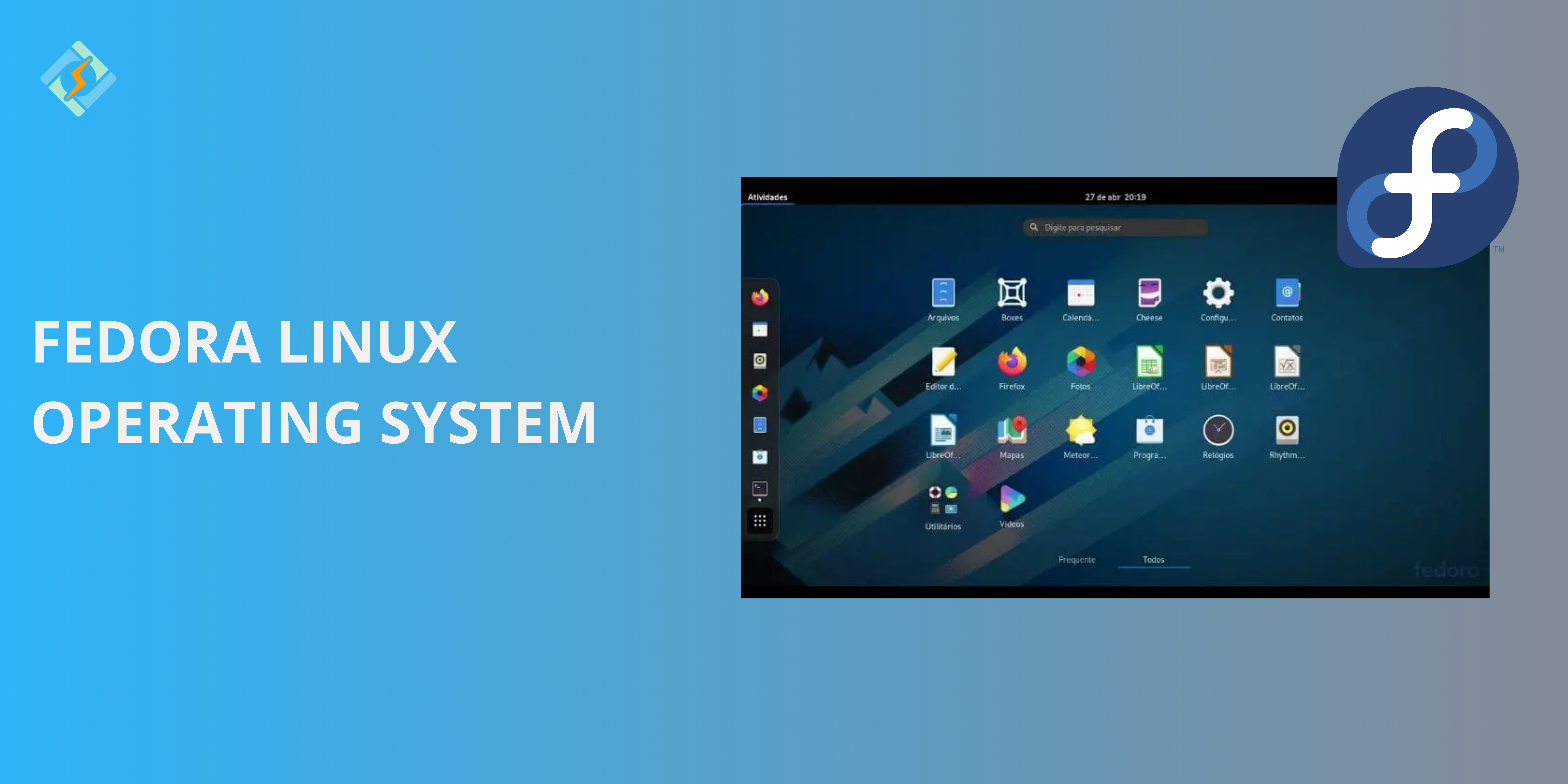
Fedora Server is a cutting-edge Linux distribution developed by the Fedora Project, part of the Red Hat ecosystem. It is designed to provide a modern, secure, and efficient server environment with a focus on innovation and performance. Fedora Server includes a rolling release model, ensuring users always have access to the latest software and security updates. Its integration with Red Hat technologies and strong community support make it an excellent choice for developers and administrators who want a future-proof server solution.
- Rolling Release Model: Always up-to-date with the latest software and security patches.
- Modern & Secure: Designed with cutting-edge technologies and strong security features.
- Strong Community & Documentation: Active forums, tutorials, and a large user base for support.
- Integration with Red Hat Technologies: Seamless compatibility with Red Hat Enterprise Linux and other Red Hat products.
- Great for Developers & Cloud Environments: Ideal for cloud-native applications and modern server workloads.
Frequently Asked Questions
What factors should I consider when choosing a Linux distro for servers?
When selecting a Linux distribution for servers, consider factors like stability, security, ease of management, and compatibility with your software stack. Stability is critical for long-running servers, while security features like regular updates and patch management are essential for protecting against vulnerabilities. Ease of management also matters—some distributions offer pre-installed tools and user-friendly package managers, while others require more manual configuration. Compatibility with your existing software and infrastructure should also be a priority, as some distributions may not support certain applications or cloud platforms.
Is Ubuntu Server the best choice for beginners?
Yes, Ubuntu Server is often recommended for beginners due to its user-friendly package management system (apt), extensive documentation, and strong community support. Its rolling release model ensures users always have access to the latest updates, while its pre-installed server tools make deployment straightforward. Additionally, Ubuntu’s wide adoption means there are countless tutorials and resources available to help new users get started.
How do rolling release vs. long-term support (LTS) distributions differ?
Rolling release distributions, like Ubuntu Server and Arch Linux, provide continuous updates with the latest software and security patches. This means users always have access to new features and fixes, but it also requires more frequent maintenance. Long-term support (LTS) distributions, such as Debian LTS and openSUSE Leap, offer stability with extended support for years, making them ideal for servers that need reliability over time. LTS releases are less frequent but provide a more predictable update cycle.
Can I use RHEL-compatible distributions like Rocky Linux or AlmaLinux for cloud environments?
Yes, RHEL-compatible distributions like Rocky Linux and AlmaLinux are excellent choices for cloud environments. They offer the same stability and compatibility as Red Hat Enterprise Linux, making them ideal for cloud providers like AWS, Azure, and Google Cloud. Their rolling release models ensure users stay current with the latest cloud-native technologies and security updates, while their compatibility with RHEL ensures seamless integration with enterprise applications.
What are the best Linux distributions for high-performance computing?
For high-performance computing (HPC), distributions like Debian, Ubuntu Server, and CentOS Stream are often preferred due to their stability, strong package management, and support for advanced computing workloads. Debian’s reliability and long-term support make it a favorite for large-scale data centers, while Ubuntu Server’s extensive tooling and community support simplify deployment. CentOS Stream’s compatibility with RHEL and its rolling release model also make it a solid choice for HPC environments requiring real-time updates.
Is Kali Linux suitable for general server use, or is it only for security testing?
Kali Linux is primarily designed for penetration testing, security auditing, and ethical hacking. While it includes a wide range of security tools, it may not be the best choice for general server use. However, if your server workload involves security assessments, vulnerability testing, or malware analysis, Kali Linux can be a valuable tool. For most general-purpose servers, distributions like Ubuntu Server, Debian, or CentOS Stream are more appropriate.
How do I choose between Arch Linux and Ubuntu Server for servers?
Choosing between Arch Linux and Ubuntu Server depends on your technical expertise and requirements. Arch Linux is ideal for users who prefer a rolling release model, customization, and cutting-edge software. Its simplicity and flexibility make it a great choice for developers and administrators who enjoy hands-on management. Ubuntu Server, on the other hand, offers a more user-friendly experience with extensive documentation, pre-installed tools, and strong community support. If you prioritize stability and ease of use, Ubuntu Server is the better choice. If you value control and innovation, Arch Linux may be more suitable.