
best node js hosting


Node.js is a powerful runtime built on Chrome’s V8 JavaScript engine, designed for building scalable server-side applications. If you’re running a Node.js application, choosing the right hosting environment is critical. Performance, reliability, and cost efficiency all play a role in determining which platform best fits your needs. Unlike static sites, Node.js applications often require dynamic processing, high concurrency, and real-time capabilities—features that demand hosting solutions optimized for these demands.
Hosting for Node.js isn’t one-size-fits-all. Some providers specialize in lightweight setups for small projects, while others offer enterprise-grade infrastructure for high-traffic applications. The best hosting will minimize latency, ensure smooth scaling, and provide easy management of dependencies, middleware, and deployment workflows. With the right choice, you can avoid downtime, optimize resource usage, and keep your application running efficiently. Below, we’ve assembled a list below of the best options for Node.js hosting.
📋 Table of Contents
1. Heroku

Heroku is one of the most popular Node.js hosting platforms, offering a seamless way to deploy and scale applications without managing infrastructure. It’s ideal for developers who want a hassle-free experience, especially those new to cloud hosting. Heroku’s simplicity shines in its automatic scaling and built-in tools for databases, email, and monitoring, making it perfect for startups and small teams testing Node.js applications. Its free tier allows limited usage, while paid plans unlock more resources, making it accessible for both beginners and experienced developers.
- Automatic Scaling: Handles traffic spikes effortlessly, ensuring your Node.js app remains responsive even during high usage.
- Built-in Tools: Includes databases, email services, and monitoring tools, reducing the need for third-party integrations.
- Easy Deployment: Supports Git integration and one-click deployments, streamlining the setup process.
- Free Tier: Offers a generous free plan with credits for testing applications before scaling up.
- Global Network: Deployments run on Heroku’s worldwide network, improving performance for international users.
2. DigitalOcean

DigitalOcean specializes in providing affordable, scalable cloud hosting solutions tailored for developers. Its Droplets service is particularly well-suited for Node.js applications, offering flexible CPU, RAM, and storage configurations. DigitalOcean’s simplicity and cost-effectiveness make it a favorite among developers who want reliable hosting without the complexity of larger providers. The platform’s user-friendly interface and strong community support further enhance its appeal, especially for those looking to grow their Node.js projects sustainably.
- Droplets (VPS): Customizable virtual private servers with adjustable resources for precise Node.js app needs.
- Simple Pricing: Affordable monthly plans with no hidden fees, making it budget-friendly for startups.
- Global Network: Deployments run on servers across multiple regions, ensuring low latency and high availability.
- Automated Backups: Regular backups included, reducing downtime risks for critical Node.js applications.
- Community & Docs: Rich documentation and an active community for troubleshooting and best practices.
3. AWS Elastic Beanstalk
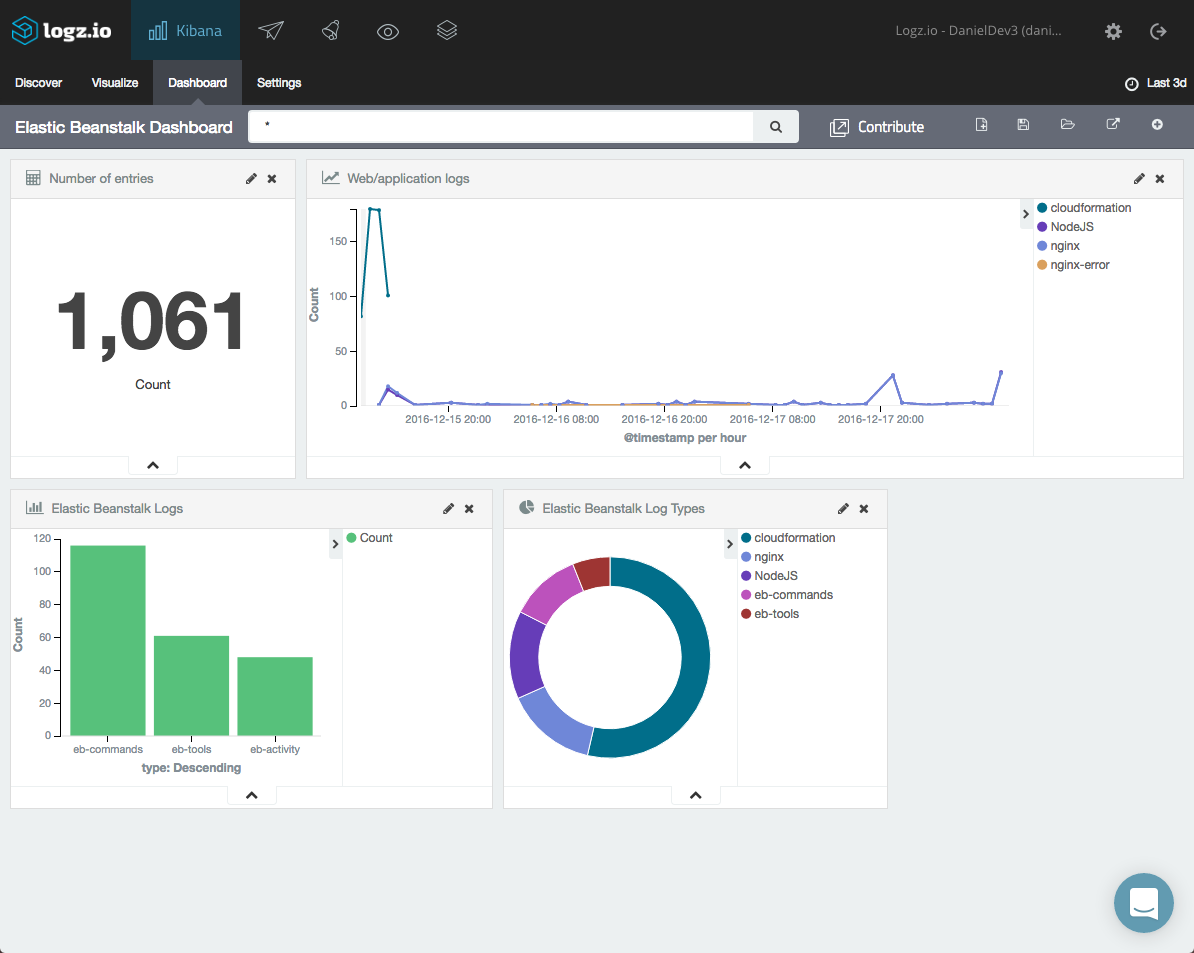
AWS Elastic Beanstalk is a fully managed platform for deploying Node.js applications, offering scalability and integration with other AWS services. It’s ideal for developers who need enterprise-grade features like load balancing, auto-scaling, and managed databases. Elastic Beanstalk simplifies deployment by handling infrastructure provisioning, making it a robust choice for larger teams or applications requiring high availability. The platform’s deep AWS integration also allows seamless access to tools like CloudWatch for monitoring and S3 for storage.
- Managed Infrastructure: Automatically scales and maintains servers, reducing operational overhead.
- AWS Integration: Works seamlessly with other AWS services like S3, RDS, and CloudWatch.
- Auto-Scaling: Adjusts resources dynamically to handle traffic spikes, ensuring performance.
- Security Features: Built-in security controls and compliance certifications for enterprise use.
- Free Tier: Offers a generous free tier with limited usage for testing applications.
4. Render
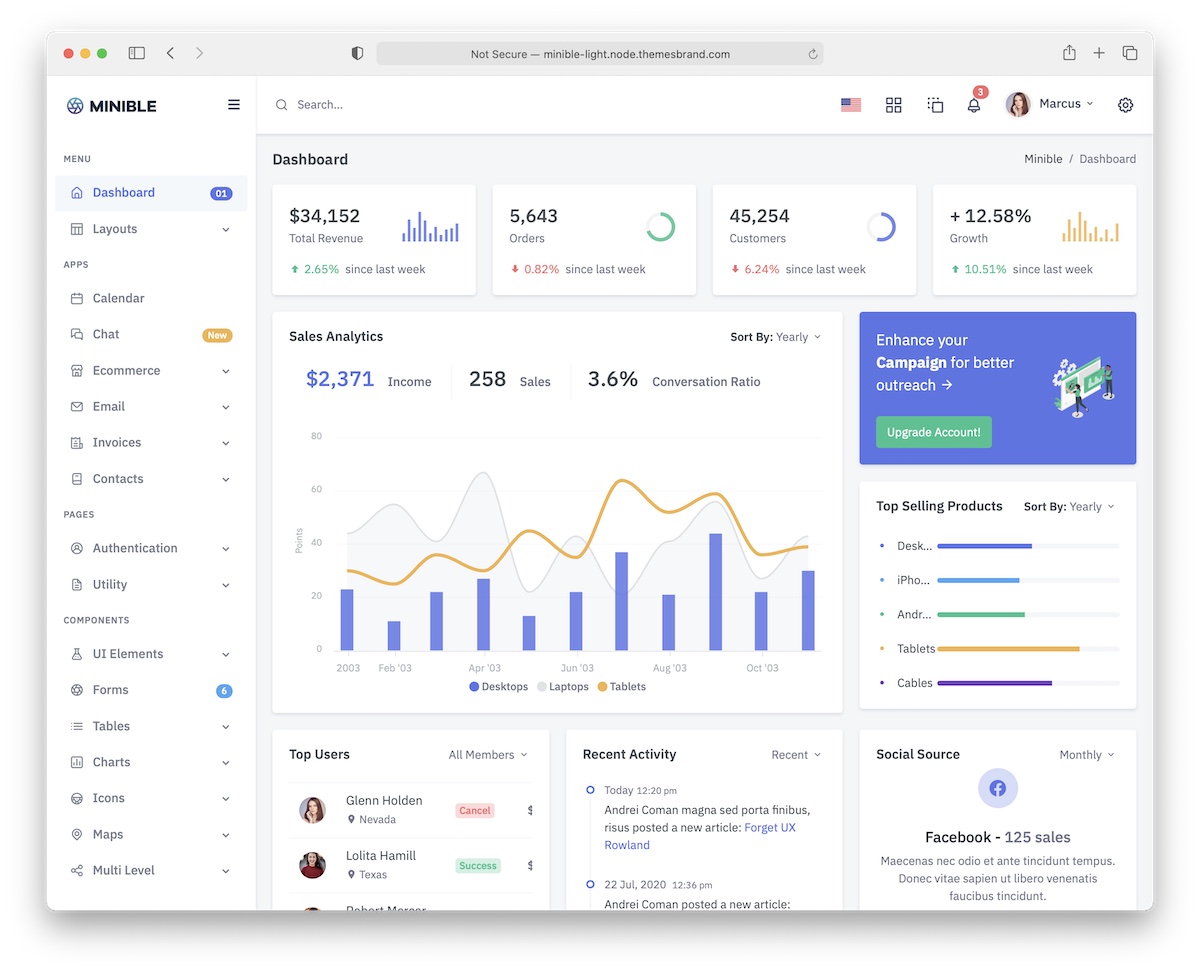
Render is a modern hosting platform designed specifically for developers, offering lightweight and fast Node.js hosting. It emphasizes simplicity and speed, making it a great choice for developers who want to focus on coding rather than managing servers. Render’s free tier is generous, allowing unlimited requests and deployments, while its paid plans include features like database support and custom domains. The platform’s focus on developer experience makes it stand out, particularly for those working on small to medium-sized projects or APIs.
- Fast Performance: Optimized infrastructure ensures quick load times and smooth performance.
- Free Tier: Unlimited requests and deployments included in the free plan.
- Database Support: Supports PostgreSQL and MySQL databases for seamless backend integration.
- Custom Domains: Easy setup of custom domains for professional-looking deployments.
- Automatic Scaling: Handles traffic spikes automatically, ensuring reliability.
5. Fly.io
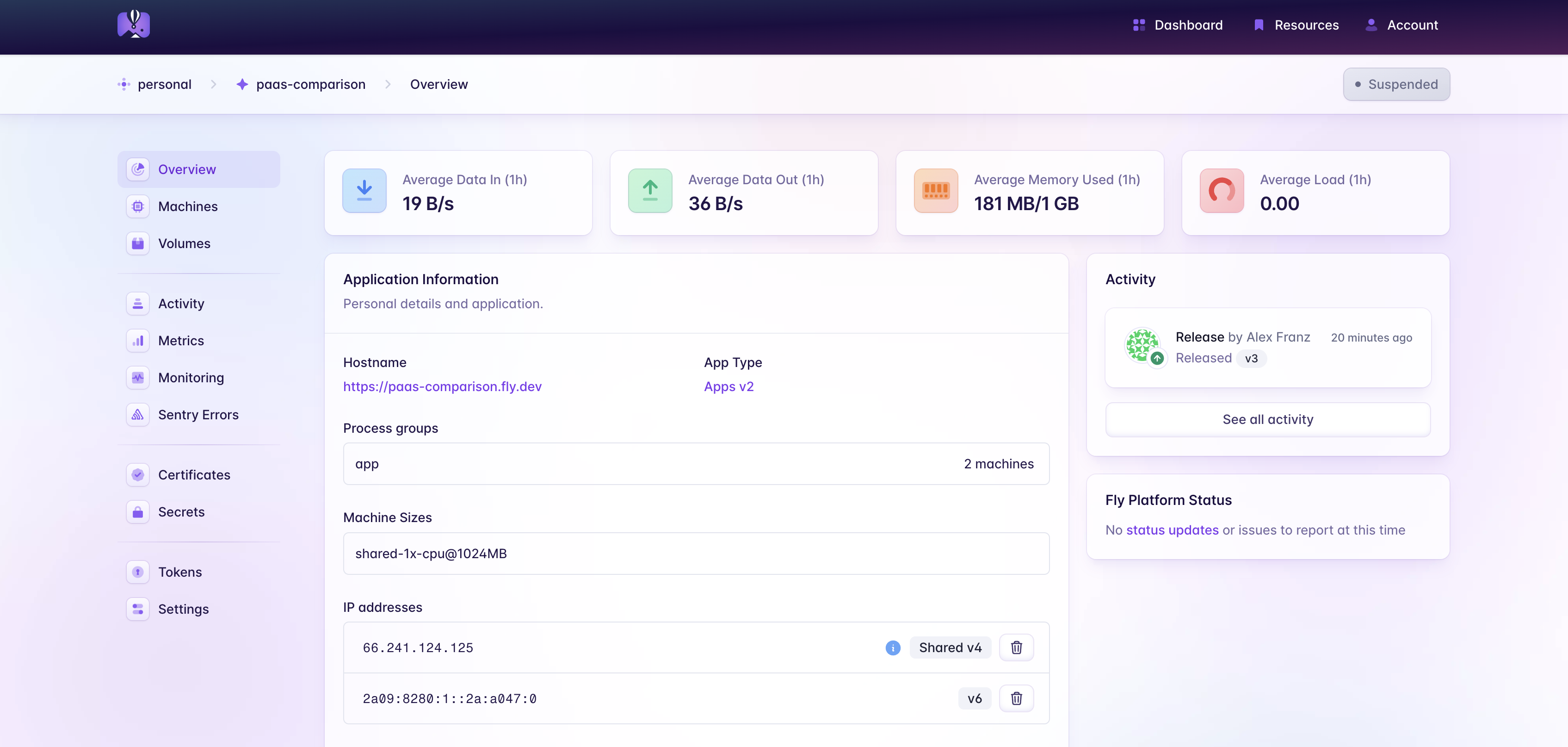
Fly.io is a cloud platform that simplifies deploying Node.js applications by handling infrastructure management. It’s particularly popular among developers who want a cost-effective and flexible solution, especially for small teams or solo developers. Fly.io’s global network ensures low-latency deployments, and its free tier allows unlimited requests and deployments. The platform’s focus on simplicity and developer experience makes it a strong contender for those looking to avoid complex cloud setups. Its open-source nature also adds to its appeal, as developers can customize their hosting environment.
- Global Network: Deployments run on servers worldwide, reducing latency for users.
- Free Tier: Unlimited requests and deployments included in the free plan.
- Automatic Scaling: Handles traffic spikes automatically, ensuring performance.
- Custom Domains: Supports custom domains for professional deployments.
- Open-Source: Self-hosting option available, allowing full customization.
6. Vercel

Vercel is a hosting platform built for modern web applications, including Node.js, and is known for its speed and ease of use. It’s particularly popular among developers working on full-stack applications, APIs, and serverless functions. Vercel’s integration with frameworks like Next.js makes it a top choice for developers who want a seamless deployment experience. The platform’s free tier is generous, and its paid plans include advanced features like custom domains, database support, and automated backups. Vercel’s focus on performance and developer productivity sets it apart in the hosting market.
- Fast Performance: Optimized infrastructure ensures lightning-fast load times.
- Serverless Functions: Supports serverless Node.js functions for scalable microservices.
- Free Tier: Unlimited deployments and requests included in the free plan.
- Global Edge Network: Deployments run on a global network for low latency.
- Automated Backups: Regular backups included for critical applications.
7. Hetzner Cloud

Hetzner Cloud is a European-based cloud provider that offers affordable and reliable hosting solutions, including VPS options ideal for Node.js applications. Known for its competitive pricing and strong performance, Hetzner Cloud is a favorite among developers in Europe and beyond. Its simple pricing model and generous free tier make it accessible for startups and small businesses. The platform’s focus on reliability and ease of use ensures that developers can focus on building without worrying about infrastructure issues. Hetzner Cloud’s global reach also supports low-latency deployments for international users.
- Affordable Pricing: Low-cost VPS plans with no hidden fees, ideal for budget-conscious developers.
- Global Network: Deployments run on servers across Europe and other regions for low latency.
- Free Tier: Generous free tier with limited resources for testing applications.
- Automated Backups: Regular backups included for data protection.
- Easy Management: User-friendly interface simplifies server and application management.
8. Linode
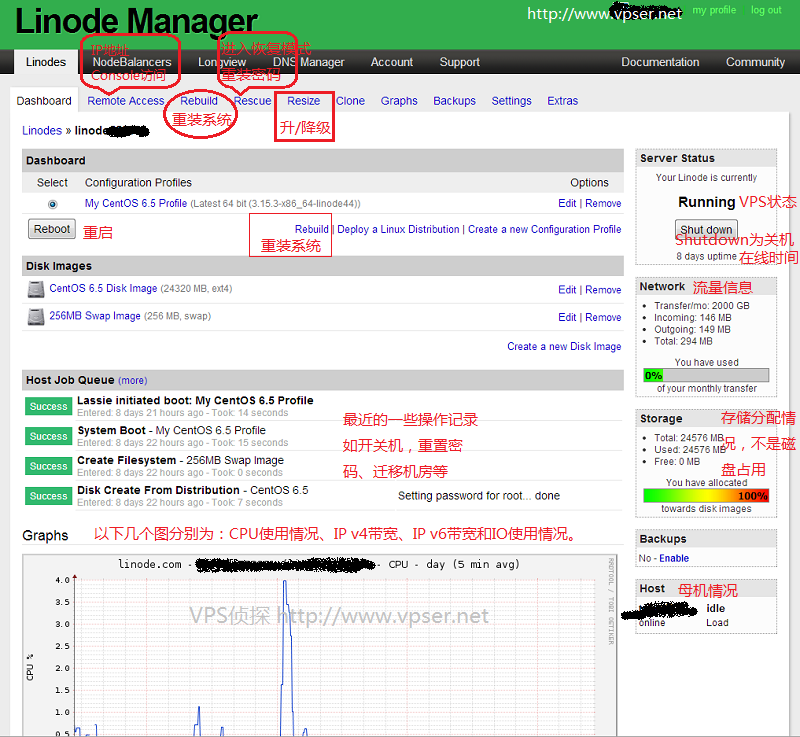
Linode is a cloud hosting provider known for its reliability, performance, and developer-friendly tools. It offers flexible VPS plans tailored for Node.js applications, with options for customizable resources like CPU, RAM, and storage. Linode’s focus on simplicity and strong customer support makes it a great choice for developers who want a dependable hosting solution. The platform’s generous free tier and competitive pricing further enhance its appeal, particularly for startups and small teams looking to scale their applications efficiently. Linode’s global network ensures low-latency deployments for users worldwide.
- Customizable VPS: Adjustable resources for precise Node.js app needs.
- Global Network: Deployments run on servers across multiple regions for low latency.
- Free Tier: Generous free tier with limited resources for testing applications.
- Strong Support: Dedicated customer support for troubleshooting and assistance.
- Automated Backups: Regular backups included for data protection.
9. Railway.app

Railway.app is a modern cloud platform designed for developers, offering fast and reliable hosting for Node.js applications. It’s particularly popular among developers who want a simple, all-in-one solution without managing complex infrastructure. Railway’s free tier is generous, allowing unlimited deployments and requests, while its paid plans include features like custom domains, database support, and automated backups. The platform’s focus on developer productivity and ease of use makes it a strong contender for those looking to deploy Node.js apps quickly and efficiently. Railway’s global network ensures low-latency performance for users worldwide.
- Fast Performance: Optimized infrastructure ensures quick load times and smooth performance.
- Global Network: Deployments run on servers across multiple regions for low latency.
- Free Tier: Unlimited deployments and requests included in the free plan.
- Custom Domains: Easy setup of custom domains for professional deployments.
- Automated Backups: Regular backups included for critical applications.
10. Orbitals
Orbitals is a lightweight and fast cloud hosting platform designed specifically for Node.js applications. It offers a simple, developer-focused experience with automatic scaling and built-in monitoring, making it ideal for those who want to focus on coding without worrying about infrastructure. Orbitals’ free tier is generous, allowing unlimited deployments and requests, while its paid plans include features like custom domains, database support, and advanced monitoring. The platform’s global network ensures low-latency performance, making it a great choice for developers who prioritize speed and reliability.
- Fast Performance: Optimized infrastructure ensures quick load times and smooth performance.
- Global Network: Deployments run on servers across multiple regions for low latency.
- Automatic Scaling: Handles traffic spikes automatically, ensuring performance.
- Free Tier: Unlimited deployments and requests included in the free plan.
- Custom Domains: Easy setup of custom domains for professional deployments.
Frequently Asked Questions
What factors should I consider when choosing Node.js hosting?
When selecting Node.js hosting, consider factors like scalability, performance, ease of use, pricing, and support. Look for platforms that offer automatic scaling, fast load times, and built-in tools for databases and monitoring. Additionally, check if the provider has a generous free tier or affordable paid plans, and ensure they offer reliable customer support for troubleshooting.
Is Heroku good for beginners?
Yes, Heroku is excellent for beginners due to its simple interface and automatic scaling. It handles infrastructure management, making it easy to deploy and scale Node.js applications without needing deep cloud knowledge. Heroku’s free tier also allows testing applications before committing to paid plans.
Can I host a Node.js API on Render?
Absolutely. Render is designed for APIs and serverless functions, making it a seamless choice for hosting Node.js APIs. Its free tier includes unlimited deployments and requests, and paid plans offer custom domains and database support for professional setups.
What is the difference between AWS Elastic Beanstalk and DigitalOcean?
AWS Elastic Beanstalk is a fully managed platform that integrates with other AWS services, offering enterprise-grade features like load balancing and auto-scaling. DigitalOcean, on the other hand, provides simpler, more affordable VPS hosting with a focus on developer-friendly tools. Elastic Beanstalk is better for large-scale applications, while DigitalOcean suits smaller teams or startups.
Do I need a custom domain for Node.js hosting?
While not always necessary, a custom domain adds professionalism to your Node.js application. Many hosting providers, like Render and Railway, allow easy setup of custom domains in their paid plans. If you’re on a free tier, you may use a subdomain, but a custom domain is ideal for branding and credibility.
How do I choose the right hosting plan based on my traffic?
Start with a free tier to test your application. If traffic grows, evaluate paid plans based on your needs—look for auto-scaling options to handle spikes. For example, if you expect moderate traffic, DigitalOcean or Linode may suffice, while high-traffic applications might benefit from AWS Elastic Beanstalk or Railway’s advanced features.
Are there any free hosting options for Node.js?
Yes, several platforms offer generous free tiers for Node.js hosting. Heroku, Render, Railway, and Fly.io all provide unlimited deployments and requests in their free plans. These options are great for testing, prototyping, or small-scale applications before scaling up.

