
best virtual server providers


Choosing the right virtual server provider can make a big difference in how smoothly your online operations run. Whether you’re hosting a small business website, running a high-traffic application, or managing data storage, the reliability and performance of your server provider directly impact uptime, security, and efficiency. Not all providers offer the same level of support, scalability, or technical expertise, so it’s worth taking the time to compare options before committing. The right choice depends on your needs—whether you prioritize cost, speed, ease of use, or advanced features.
For many users, the decision comes down to balancing price with performance. Some providers offer budget-friendly plans that work well for basic tasks, while others specialize in enterprise-level solutions with dedicated resources and expert assistance. Security is another critical factor, especially if you handle sensitive data or customer information. Look for providers with strong encryption protocols, regular backups, and compliance certifications to protect your assets. Finally, consider the level of customer support available—some providers offer 24/7 assistance, while others may have limited hours or require self-service troubleshooting.
Below is a list of the best options for virtual server providers.
📋 Table of Contents
1. DigitalOcean

DigitalOcean is a leading provider of virtual server hosting known for its simplicity and developer-friendly tools. Ideal for startups, small businesses, and developers needing a reliable, budget-friendly platform to launch and scale applications, DigitalOcean offers a range of virtual private servers (VPS) with generous resources for testing and development. Its user-friendly interface and strong community support make it a top choice for those who prioritize ease of use without sacrificing performance.
- Droplets: Offers scalable VPS instances with customizable CPU, RAM, and storage options, starting as low as $4/month.
- Object Storage: Provides cost-effective cloud storage solutions with high availability and durability, perfect for backups and media hosting.
- Automated Backups: Automated snapshots and backups ensure data safety, with retention policies that let users customize backup frequency.
- Global Network: Strategically located data centers in multiple regions for low latency and high performance worldwide.
- Free Tier: A 25GB free object storage tier and $10 credit for new users to test services before committing.
2. Linode
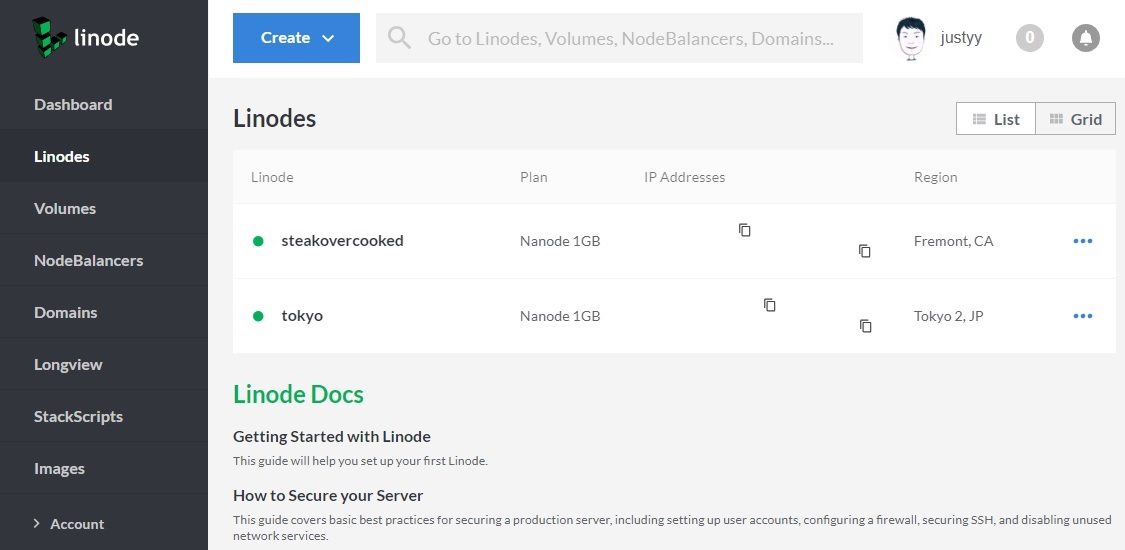
Linode is a trusted provider specializing in enterprise-grade virtual servers, catering to developers and businesses that demand reliability and performance. Known for its robust infrastructure and transparent pricing, Linode is a favorite among those who need dedicated resources without the overhead of traditional hosting. Its focus on simplicity and efficiency makes it a solid choice for developers and small teams looking to build scalable applications.
- Linode Cloud: Offers flexible VPS plans with customizable configurations, including SSD storage and high-performance networking.
- Managed Backups: Automated backups with customizable retention policies, ensuring data integrity and quick recovery options.
- Global Data Centers: Data centers in multiple regions, including the U.S., Europe, and Asia, for low-latency access worldwide.
- DevOps Tools: Integrated tools like SSH access, CLI, and API support for seamless automation and management.
- Free Trial: A 30-day free trial with no credit card required, allowing users to test services before purchasing.
3. AWS Lightsail
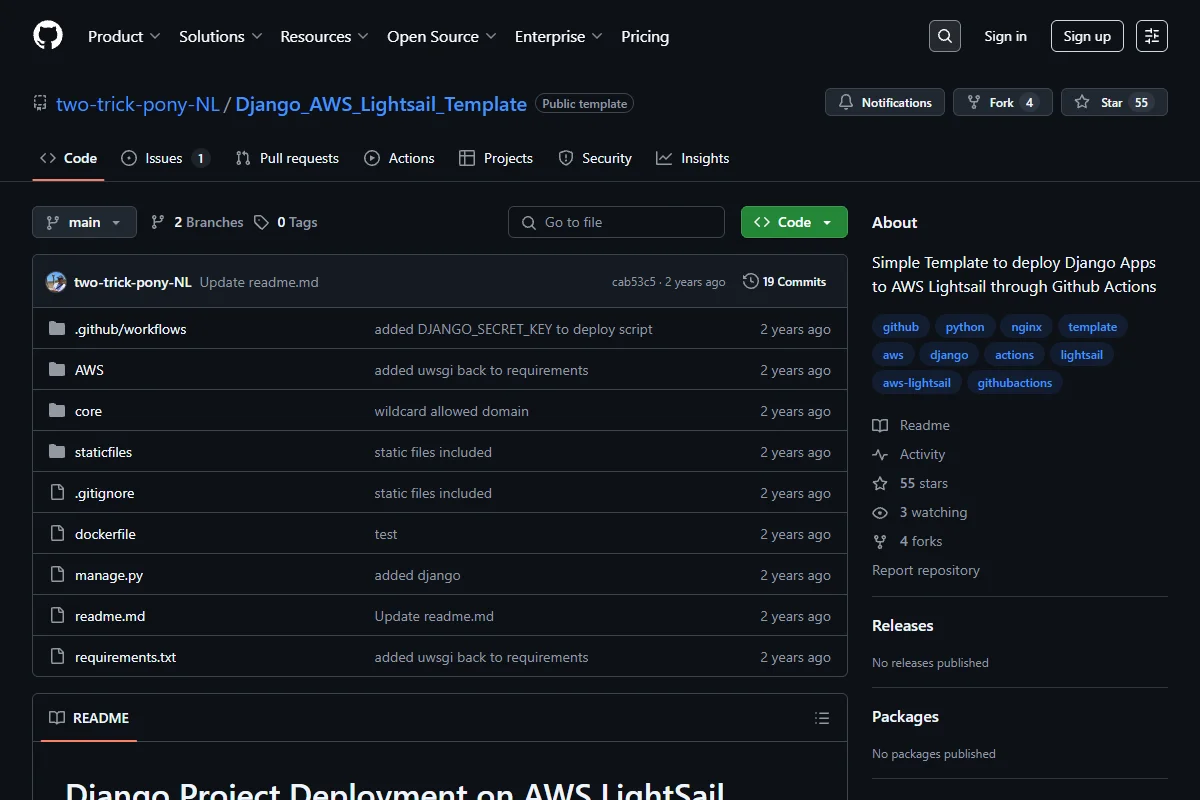
Amazon Web Services (AWS) Lightsail is a simplified virtual private server offering tailored for developers and small businesses. Unlike full-fledged AWS services, Lightsail provides a straightforward, pay-as-you-go model with preconfigured templates for common use cases like web hosting, databases, and containers. Its ease of use and integration with AWS’s broader ecosystem make it ideal for those already familiar with AWS or looking to dip their toes into cloud hosting without complexity.
- Preconfigured Templates: Ready-to-use templates for web hosting, databases, and containers, saving setup time.
- Simple Pricing: Flat-rate pricing with predictable costs, starting as low as $3.54/month for basic plans.
- Global Reach: Data centers in 10 regions, ensuring low latency and high availability for users worldwide.
- Automated Backups: Automated backups with customizable retention periods, ensuring data safety.
- AWS Integration: Seamless integration with other AWS services, such as S3, RDS, and Lambda, for scalable solutions.
4. Vultr

Vultr is a modern cloud hosting provider known for its speed, simplicity, and global infrastructure. It’s particularly popular among developers and startups who need fast performance and low-latency access to their servers. Vultr’s transparent pricing and customizable plans make it easy to scale resources as needed, while its focus on developer efficiency sets it apart from traditional hosting providers.
- Ultra-Fast Performance: NitroCloud instances with SSD storage and dedicated networking for blazing-fast speeds.
- Global Data Centers: Data centers in 100+ locations worldwide, ensuring low latency for global users.
- Customizable Plans: Flexible VPS and dedicated server options with adjustable CPU, RAM, and storage.
- Free Tier: A free 100GB SSD storage tier for new users to test services before committing.
- Automated Backups: Automated backups with customizable retention policies for data protection.
5. Hetzner Cloud

Hetzner Cloud is a European-based provider renowned for its affordability, reliability, and strong performance. It’s a top choice for businesses and developers in Europe, as well as those looking for cost-effective global hosting solutions. Hetzner’s straightforward pricing and robust infrastructure make it a favorite for startups and small enterprises seeking a balance of performance and value.
- Low-Cost VPS: Competitive pricing with VPS plans starting as low as €4/month, including free backups.
- High Availability: Redundant infrastructure and multiple data centers in Germany for high reliability.
- Customizable Resources: Flexible CPU, RAM, and storage options tailored to specific workloads.
- Global Network: Data centers in Germany, Switzerland, and the U.S. for low-latency access.
- Automated Monitoring: Real-time monitoring and alerts to ensure server uptime and performance.
6. Scaleway
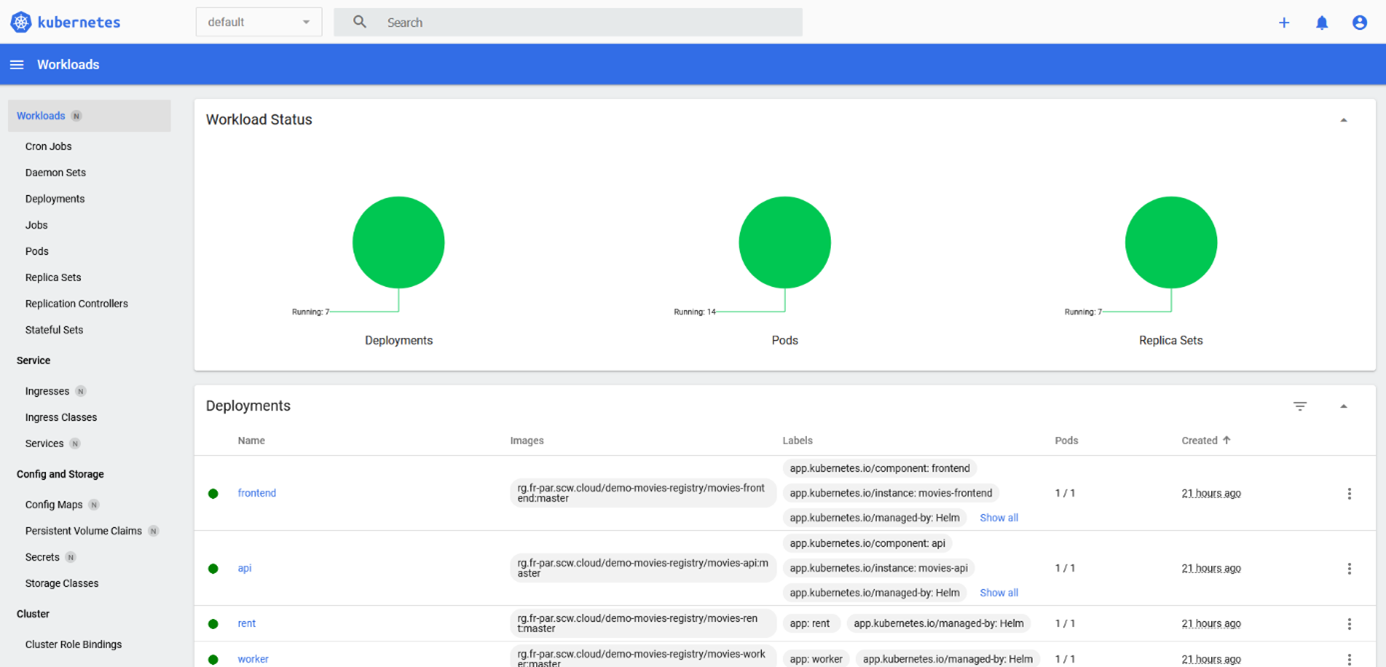
Scaleway is a French-based cloud provider offering a unique blend of simplicity and advanced features. It’s particularly well-suited for developers and businesses that need flexible, scalable solutions without the complexity of traditional cloud platforms. Scaleway’s focus on innovation and developer-friendly tools makes it a standout choice for those looking to build and scale applications efficiently.
- Flexible Compute: Customizable VPS and dedicated server options with adjustable resources.
- Global Reach: Data centers in 10 regions, including Europe, North America, and Asia.
- Automated Backups: Automated backups with customizable retention policies and point-in-time recovery.
- Serverless Functions: Serverless compute options for event-driven applications and microservices.
- Free Tier: A free 1GB storage tier and 10GB bandwidth for new users to explore services.
7. Google Cloud Platform (GCP) Compute Engine
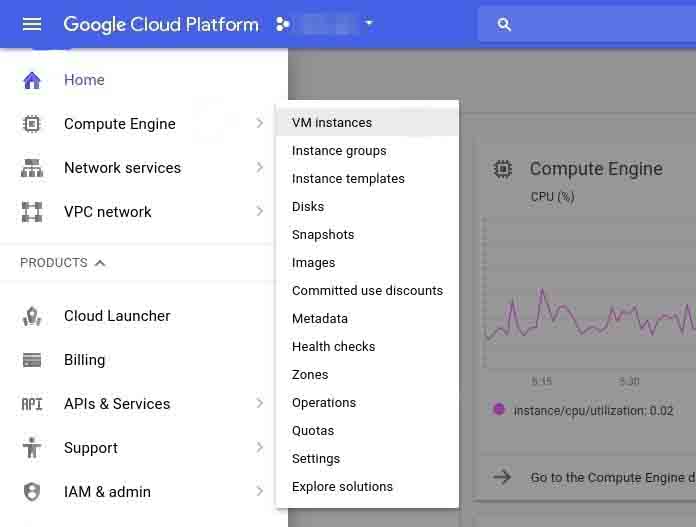
Google Cloud Platform’s Compute Engine offers powerful virtual servers with deep integration into Google’s ecosystem. Ideal for developers and enterprises leveraging Google’s infrastructure, Compute Engine provides high performance, scalability, and advanced features like automatic scaling and machine learning integrations. Its seamless integration with other GCP services makes it a compelling choice for those already using Google’s tools or looking to expand into cloud computing.
- High Performance: NVIDIA Tensor Processing Units (TPUs) and customizable CPU options for high-performance workloads.
- Global Network: Data centers in 100+ locations worldwide for low-latency access.
- Automated Scaling: Auto-scaling options to handle traffic spikes and variable workloads.
- Advanced Security: Enterprise-grade security features, including identity and access management.
- Free Tier: A free tier with 1 f1-micro instance per month for testing.
8. Azure Virtual Machines

Microsoft Azure’s Virtual Machines provide enterprise-grade virtual servers with deep integration into the Azure ecosystem. Suitable for businesses already using Microsoft tools, Azure VMs offer high availability, scalability, and advanced features like managed disks and auto-scaling. Its strong security and compliance features make it a reliable choice for organizations prioritizing enterprise-grade hosting solutions.
- Enterprise-Grade Reliability: High availability and disaster recovery options with multi-region support.
- Deep Azure Integration: Seamless integration with Azure services like Azure Active Directory and Azure Monitor.
- Customizable Resources: Flexible CPU, RAM, and storage options with high-performance networking.
- Managed Backups: Automated backups with point-in-time recovery and compliance features.
- Free Tier: A free tier with 750 hours of Linux VMs per month for testing.
9. OVHcloud

OVHcloud is a global cloud provider known for its transparency, performance, and competitive pricing. It offers a wide range of virtual servers, including VPS, dedicated instances, and cloud storage, making it a versatile option for developers, businesses, and enterprises. OVH’s focus on sustainability and strong infrastructure ensures reliable performance for users worldwide.
- Global Data Centers: Data centers in 11 locations across Europe, North America, and Asia for low latency.
- Transparent Pricing: No hidden fees; pricing is clearly outlined for all services.
- High Performance: High-speed networking and SSD storage options for fast performance.
- Automated Backups: Automated backups with customizable retention policies and point-in-time recovery.
- Free Tier: A free 10GB storage tier for new users to explore services.
10. Hostinger Cloud Server
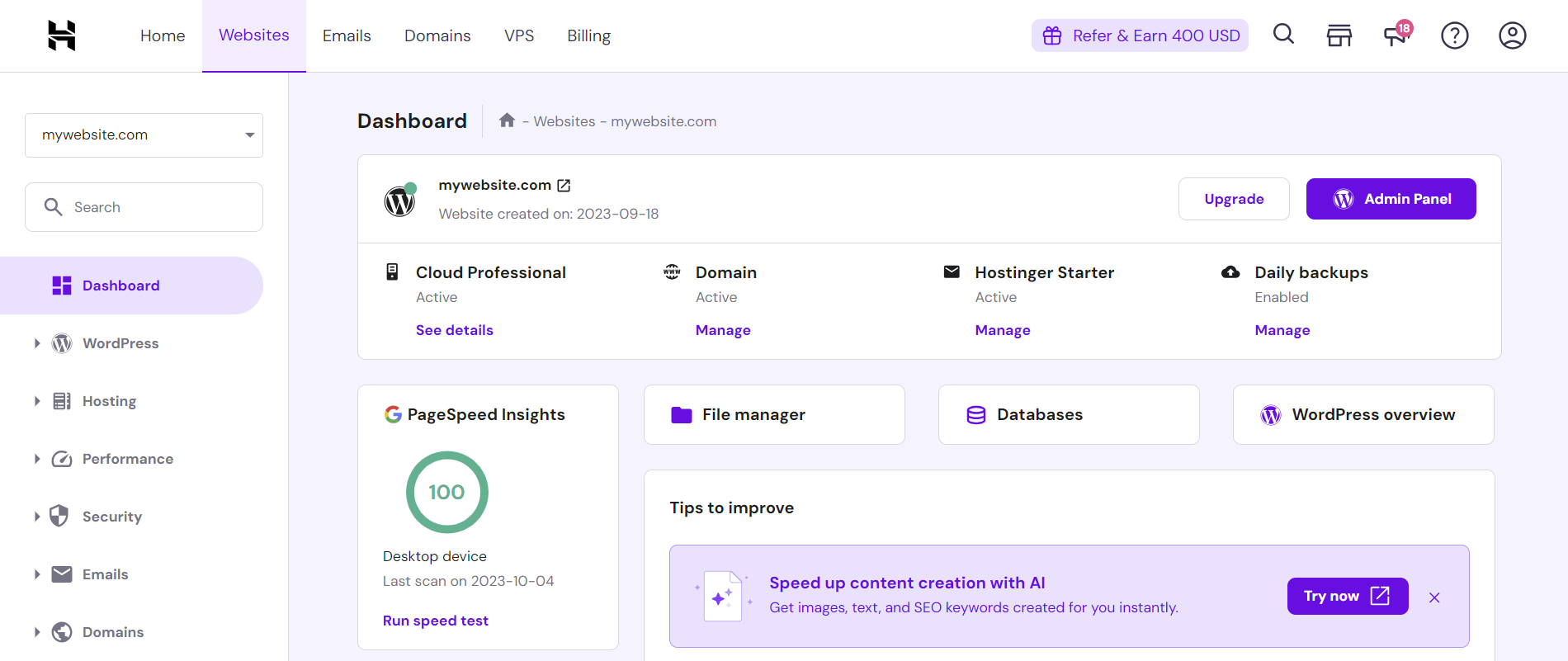
Hostinger Cloud Server is a budget-friendly option for small businesses and developers seeking reliable virtual hosting. Known for its affordability and ease of use, Hostinger offers scalable VPS plans with generous resources for testing and development. Its user-friendly interface and strong customer support make it an accessible choice for those looking to launch websites or applications without a steep learning curve.
- Affordable Pricing: Low-cost VPS plans starting at $3.99/month with generous resources.
- Easy Management: User-friendly dashboard for simple server management and monitoring.
- Global Network: Data centers in multiple regions for low-latency access.
- Automated Backups: Automated backups with customizable retention policies.
- Free Migration: Free migration service for existing Hostinger users moving to cloud servers.
Frequently Asked Questions
What factors should I consider when choosing a virtual server provider?
When selecting a virtual server provider, consider factors like pricing, performance, scalability, global reach, and backup options. Evaluate whether you need managed or unmanaged services and check for any free trials or tiers to test the platform before committing. Reliability, security features, and customer support are also critical for long-term success.
How do I know if a virtual server provider is right for my business?
Look for a provider that aligns with your technical needs, such as the type of workload (e.g., web hosting, databases) and scalability requirements. If you’re a startup, a budget-friendly provider like DigitalOcean or Hostinger may suffice. For enterprises, providers like AWS or Azure offer advanced features and enterprise-grade support. Assess your team’s technical expertise—managed services may be easier for non-technical users.
What is the difference between a VPS and a dedicated server?
A VPS (Virtual Private Server) shares physical server resources with other instances but offers isolated environments and full root access. A dedicated server, on the other hand, provides a standalone server with exclusive resources, making it ideal for high-traffic websites or mission-critical applications. VPS is cost-effective for smaller workloads, while dedicated servers offer better performance and control for larger needs.
How important is global reach in a virtual server provider?
Global reach is crucial for ensuring low latency and high performance, especially for users in different regions. Providers with data centers in multiple locations can reduce downtime and improve user experience. If your audience spans continents, choose a provider with a strong global network, such as AWS, Google Cloud, or Vultr.
Can I migrate my existing website or application to a new virtual server provider?
Most providers offer migration services or tools to help you transfer your website or application with minimal downtime. Look for providers that advertise free migration assistance, such as Hostinger or OVHcloud. Alternatively, you can use third-party migration tools or scripts to handle the process yourself, depending on your technical comfort level.
What should I look for in terms of security and compliance?
Prioritize providers with strong security features, such as DDoS protection, regular backups, and encryption. Compliance certifications like ISO 27001, SOC 2, or GDPR compliance are also important if you handle sensitive data. Reputable providers like AWS, Azure, and Google Cloud offer enterprise-grade security and compliance features to protect your infrastructure.
How do I choose between managed and unmanaged virtual servers?
Managed servers offer server administration tasks like backups, updates, and security patches, which can save time for non-technical users. Unmanaged servers give you full control but require you to handle maintenance yourself. If you lack technical expertise, a managed provider like DigitalOcean or Linode may be more suitable. For advanced users, unmanaged options like AWS or Azure provide greater flexibility.