
best web builder and hosting


Choosing the right web builder and hosting isn’t just about getting a site up and running quickly—it’s about setting the foundation for how well it performs, how easy it is to manage, and how much it will cost over time. A solid builder lets you design and customize your site without needing deep technical skills, while reliable hosting ensures your content loads fast, stays secure, and remains available to visitors. The right combination can save headaches later, whether you’re launching a personal blog, a small business site, or an e-commerce store. Many beginners make the mistake of picking a platform based solely on price or flashy features, but what really matters is balancing ease of use, performance, and scalability.
The market is crowded with options, each with strengths that suit different needs. Some builders are designed for absolute beginners with drag-and-drop interfaces, while others cater to developers who want more control. Hosting providers vary in speed, uptime guarantees, and support quality, which can make or break user experience. If you’re just starting out, you’ll want something that’s straightforward to set up and doesn’t require constant tweaking. For growing businesses, you’ll need a system that can handle increased traffic and additional features without breaking down. The key is finding a pair that aligns with your current goals and can adapt as your project evolves.
Below is a list of the best options for web builders and hosting.
📋 Table of Contents
1. Wix
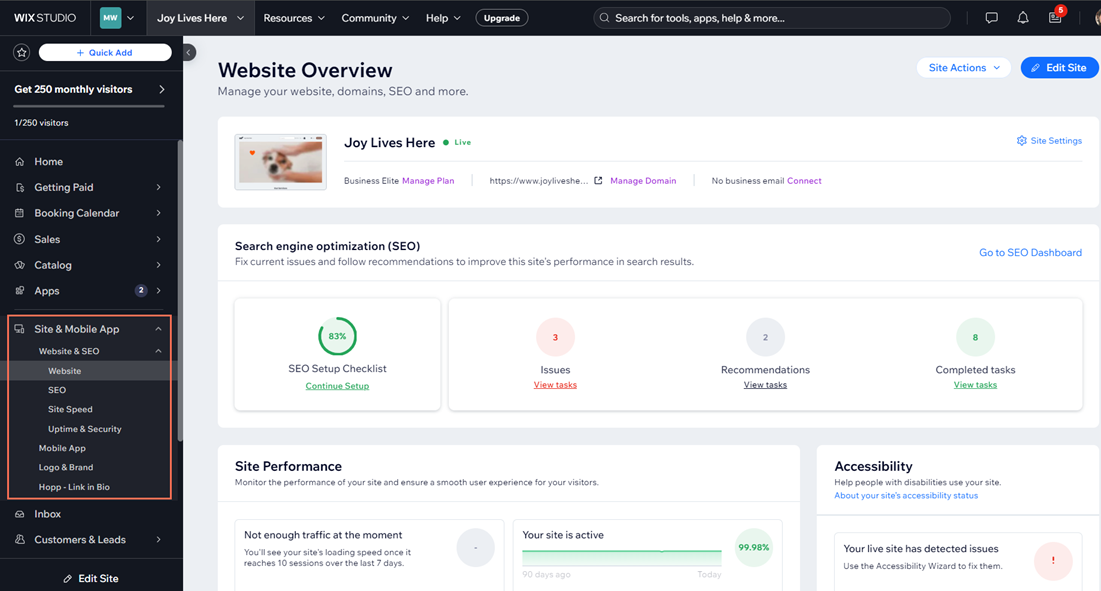
Wix is a leading all-in-one web builder that empowers users to create stunning websites without needing technical skills. It’s particularly popular among beginners, small businesses, and entrepreneurs who want a visually appealing site quickly. Wix’s drag-and-drop editor allows you to customize every element, from layouts to animations, making it easy to reflect your brand’s personality. The platform also integrates seamlessly with e-commerce tools, enabling you to sell products online with ease. Wix’s AI-powered tools, like Wix ADI, can generate a professional website in minutes by asking simple questions, which is perfect for those who want a fast start.
- Drag-and-Drop Editor: Intuitive interface lets you build websites visually without coding.
- E-Commerce Integration: Built-in tools for online stores, including payment processing and inventory management.
- AI Website Builder: Wix ADI creates custom websites based on user inputs.
- App Marketplace: Thousands of apps for extensions like SEO tools, live chat, and social media links.
- Mobile Optimization: Automatically adapts designs for mobile devices, ensuring responsiveness.
2. Squarespace

Squarespace is a premium web builder known for its sleek, modern templates and focus on aesthetics. It’s ideal for creatives, photographers, and professionals who prioritize design quality over functionality. While it lacks some advanced e-commerce features compared to competitors, Squarespace excels in creating visually stunning websites with minimal effort. Its templates are highly customizable, allowing you to tweak colors, fonts, and layouts to match your brand’s identity. The platform also includes built-in SEO tools and analytics to help you grow your online presence.
- Premium Templates: Beautiful, professionally designed templates for various industries.
- Built-in SEO Tools: Optimized for search engines with easy-to-use settings.
- No Coding Required: User-friendly interface for drag-and-drop website creation.
- Analytics Dashboard: Tracks visitor behavior and site performance.
- Mobile-Friendly Designs: Automatically adjusts layouts for mobile devices.
3. WordPress.org (Self-Hosted)
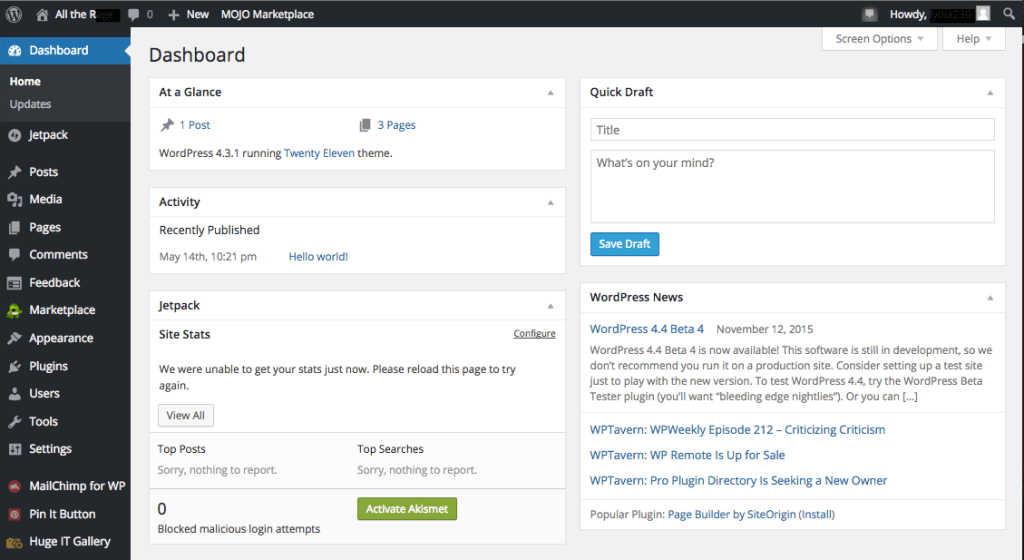
WordPress.org is the most flexible and powerful open-source platform for building websites. It’s favored by bloggers, businesses, and developers who need full control over their site’s functionality. Unlike WordPress.com, the self-hosted version requires you to manage hosting separately, but it offers unmatched customization options through themes and plugins. This flexibility makes it ideal for long-term projects, large websites, or those with specific technical needs. The downside is that it demands more technical knowledge, but the rewards—like scalability and performance—are well worth the effort.
- Full Customization: Access to thousands of themes and plugins for nearly any use case.
- SEO-Friendly: Built-in SEO tools and plugins for better search rankings.
- Scalability: Supports everything from small blogs to enterprise-level websites.
- Community Support: Large user community and extensive documentation.
- E-Commerce Ready: Integrates with WooCommerce for online store functionality.
4. Shopify

Shopify is a dedicated e-commerce platform designed specifically for online stores. It’s a top choice for entrepreneurs and businesses looking to sell products without worrying about hosting or technical setup. Shopify handles everything from payment processing to shipping integrations, making it a hassle-free solution for beginners. Its user-friendly interface and extensive app marketplace allow you to add features like abandoned cart recovery, loyalty programs, and advanced analytics. The platform is scalable, supporting everything from small boutiques to large-scale retail operations.
- E-Commerce Focus: Specialized tools for online store management and sales.
- 24/7 Support: Reliable customer support available around the clock.
- App Marketplace: Thousands of apps for marketing, shipping, and customer engagement.
- Secure Payments: Built-in payment gateways and fraud protection.
- Mobile App: Manage your store on the go with Shopify’s mobile app.
5. Weebly
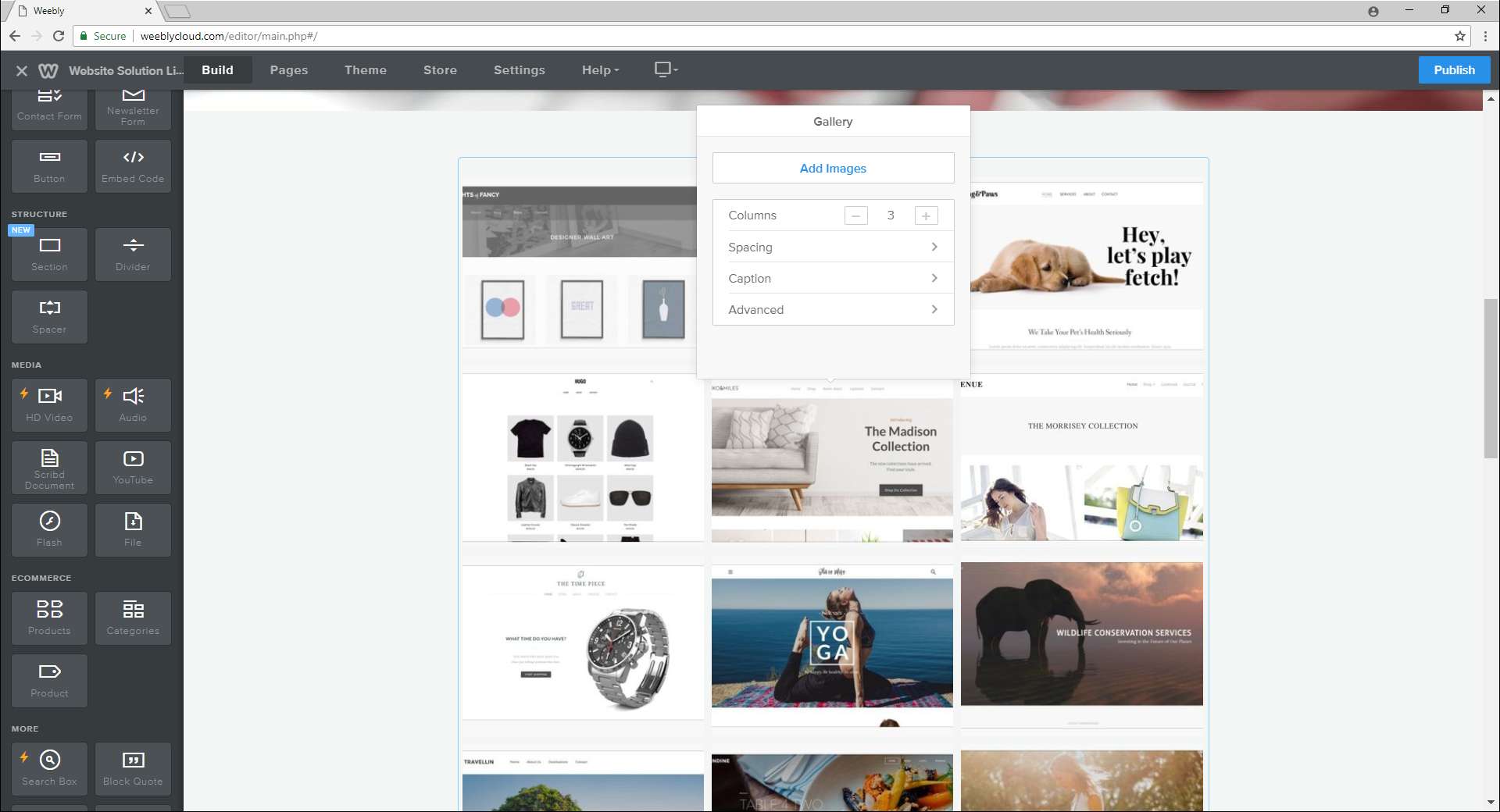
Weebly is a beginner-friendly web builder that combines simplicity with basic e-commerce capabilities. It’s perfect for small businesses, freelancers, or anyone looking to create a simple website without complex setup. Weebly’s drag-and-drop editor is straightforward, making it ideal for those with little to no technical experience. While it lacks some advanced features found in competitors, it’s a cost-effective solution for personal projects, portfolios, or small online stores. Its free plan includes basic features, while paid plans add more functionality like custom domains and analytics.
- Simple Interface: Easy-to-use drag-and-drop editor for quick website creation.
- Basic E-Commerce: Supports online stores with product listings and payments.
- Free Plan Available: Basic website and blog features included without cost.
- Mobile Optimization: Automatically adjusts designs for mobile devices.
- SEO Tools: Built-in SEO features to improve search rankings.
6. GoDaddy Website Builder
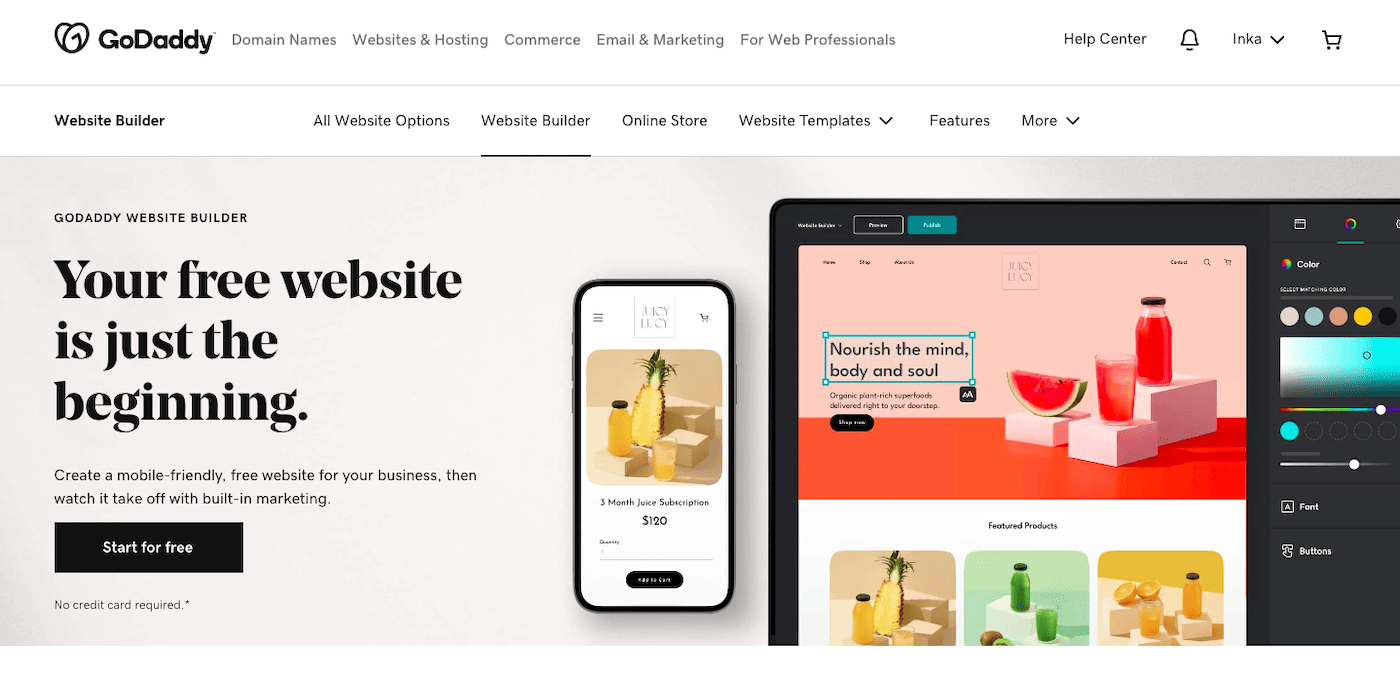
GoDaddy’s Website Builder is a straightforward solution for those who want a quick, no-frills website. It’s designed for small businesses, personal brands, and individuals who need a simple online presence without the complexity of other platforms. GoDaddy’s builder includes templates tailored to common business types, such as restaurants, salons, or service providers. While it lacks advanced customization, it’s a reliable choice for basic websites, blogs, or online portfolios. The platform also integrates with GoDaddy’s hosting services, making it easy to manage your site’s domain and storage.
- Simple Templates: Pre-designed templates for various business types.
- Basic E-Commerce: Supports online stores with product listings and payments.
- Domain Management: Integrates with GoDaddy’s domain services.
- SEO Tools: Basic SEO features to improve visibility.
- 24/7 Support: Customer support available around the clock.
7. Site123
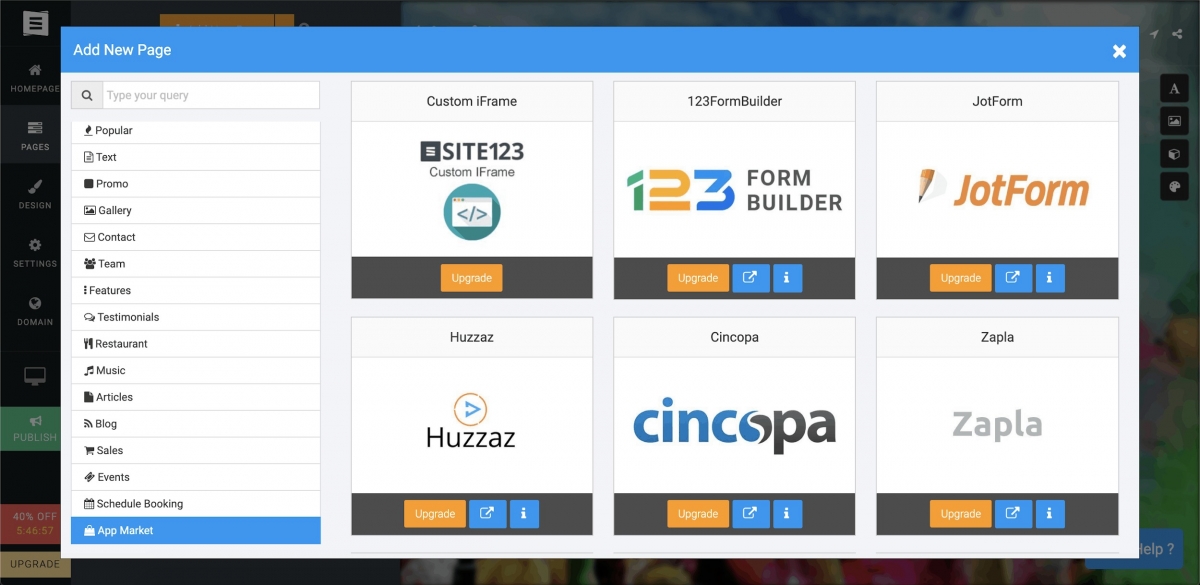
Site123 is a user-friendly web builder that simplifies website creation for beginners. It’s particularly well-suited for those who want a fast, hassle-free experience without diving into complex tools. Site123’s AI-powered assistant guides you through the process, suggesting content and layouts based on your answers. While it may not offer as much customization as competitors, it’s an excellent choice for personal websites, blogs, or small business sites. The platform also includes basic e-commerce features, making it a versatile option for online presence needs.
- AI Assistant: AI suggests content and layouts based on user inputs.
- Simple Editor: Drag-and-drop interface for easy website building.
- Basic E-Commerce: Supports online stores with product listings and payments.
- Free Plan Available: Basic website features included without cost.
- Mobile Optimization: Automatically adjusts designs for mobile devices.
8. Webflow

Webflow is a modern web builder that bridges the gap between design and development. It’s ideal for designers, developers, and agencies who want full control over their website’s design and functionality. Unlike traditional drag-and-drop builders, Webflow allows you to create interactive elements, complex layouts, and custom code snippets. This makes it a powerful tool for professional websites, portfolios, and marketing sites. However, it requires a steeper learning curve compared to beginner-friendly platforms.
- Advanced Customization: Full control over design, animations, and interactivity.
- Interactive Elements: Supports animations, hover effects, and dynamic content.
- CMS Capabilities: Content management system for organizing and displaying dynamic content.
- Hosting Included: Offers hosting services for seamless deployment.
- Developer-Friendly: Supports custom code and CMS integrations.
9. IM Creator

IM Creator is a versatile web builder designed for small businesses, freelancers, and creatives who need a professional online presence. It offers a balance between simplicity and functionality, making it accessible for beginners while still providing enough tools for customization. IM Creator’s drag-and-drop editor is intuitive, and its templates are designed to be visually appealing without requiring advanced design skills. The platform also includes basic e-commerce features, making it a solid choice for selling products or services online. Its affordability and ease of use make it a standout option for those on a budget.
- User-Friendly Editor: Intuitive drag-and-drop interface for easy website creation.
- Affordable Pricing: Cost-effective plans for small businesses and individuals.
- Basic E-Commerce: Supports online stores with product listings and payments.
- SEO Optimization: Built-in SEO tools to improve search rankings.
- Mobile-Friendly Designs: Automatically adjusts layouts for mobile devices.
10. Hostinger Website Builder
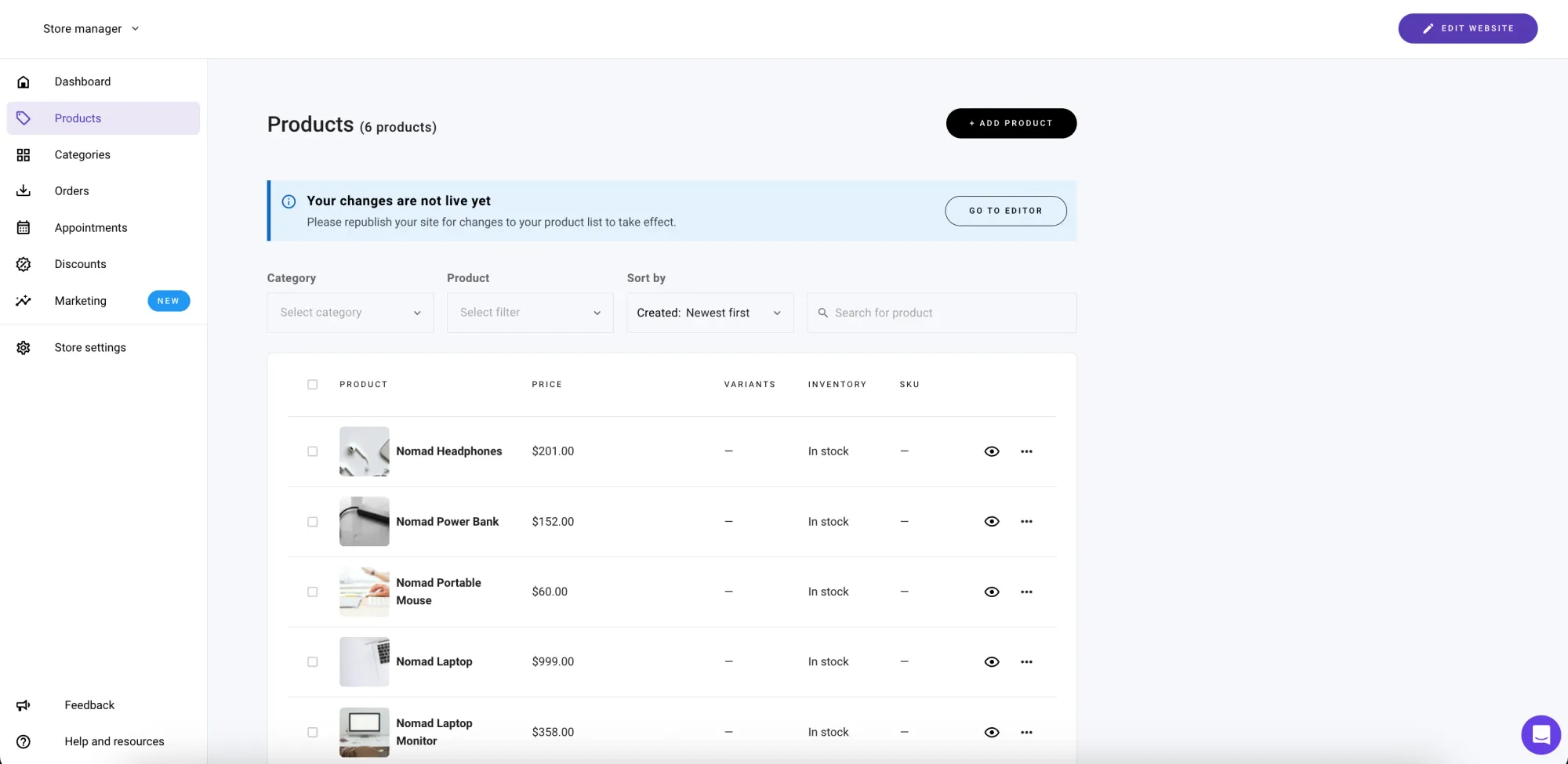
Hostinger’s Website Builder is a budget-friendly option that combines web hosting with a simple web builder. It’s perfect for beginners, bloggers, and small businesses looking to create a website without extra costs. Hostinger’s builder includes templates tailored for various industries, such as restaurants, portfolios, and online stores. While it may not offer as many advanced features as competitors, it’s a reliable choice for those who want a quick, affordable solution. The platform also includes hosting services, making it a one-stop shop for website needs.
- Affordable Hosting: Includes hosting services with website building.
- Simple Templates: Pre-designed templates for various business types.
- Basic E-Commerce: Supports online stores with product listings and payments.
- SEO Tools: Built-in SEO features to improve visibility.
- 24/7 Support: Customer support available around the clock.
Frequently Asked Questions
What is the best web builder for beginners?
For beginners, Wix, Weebly, or Site123 are excellent choices due to their intuitive drag-and-drop editors and straightforward setup. These platforms offer templates and AI assistance to help you create a website quickly without needing technical skills.
How do I choose between a web builder and a hosting provider?
If you prioritize ease of use and customization without managing hosting, a web builder like Wix or Squarespace is ideal. If you need full control over your site’s design and functionality, consider self-hosting with WordPress.org. For e-commerce, platforms like Shopify or WooCommerce (WordPress plugin) are better suited.
Can I use a web builder for an online store?
Yes, many web builders include e-commerce features, such as Wix, Squarespace, and Shopify. These platforms handle payment processing, inventory management, and shipping integrations, making them suitable for selling products online. However, for advanced e-commerce needs, specialized platforms like Shopify or WooCommerce may be more comprehensive.
What factors should I consider when selecting a web builder?
Consider your technical comfort level, budget, and specific needs. Look for features like drag-and-drop editors, e-commerce capabilities, SEO tools, and mobile optimization. Also, check the platform’s scalability, customer support, and ease of migration if you plan to upgrade later.
Is it possible to migrate a website from one web builder to another?
Yes, most web builders offer migration tools or services to help you transfer your website. However, the process can vary in complexity. For example, Wix and Squarespace provide migration assistance, while self-hosted platforms like WordPress require more manual effort. Always research the migration options before committing to a new platform.
How important is hosting when using a web builder?
Hosting is crucial for performance, security, and reliability. While some web builders include hosting (like Wix or Squarespace), others require you to choose a separate hosting provider. If you opt for self-hosted solutions like WordPress, you’ll need to manage hosting separately. Always ensure your hosting plan meets your site’s traffic and storage needs.
What are the best web builders for small businesses?
For small businesses, Wix, Squarespace, and Shopify are top choices. Wix and Squarespace offer strong design flexibility and built-in e-commerce tools, while Shopify specializes in online stores. Each platform provides templates tailored to small business needs, making it easy to create a professional online presence.