best web domain names


Choosing a web domain name isn’t just about picking a short or catchy string—it’s about setting the foundation for how your site will be remembered and how easily visitors can find you. A good domain name sticks in people’s minds, reflects your brand or purpose clearly, and avoids confusion. You want something that’s easy to spell, type, and remember, especially since most people won’t bother searching beyond the first few results. A poorly chosen name can lead to frustration, lost traffic, or even brand dilution if it doesn’t align with what you’re offering.
Beyond memorability, a domain name impacts professionalism and trust. If you’re running a business, a name that sounds legitimate—like a real company—helps build credibility right away. And since domains are tied to your online identity, it’s worth investing time in picking one that feels intentional and purposeful. A name that’s too vague or overly complex can make your site harder to promote or extend later. The right choice makes it easier for you to grow, whether that means adding new services, expanding to other platforms, or even rebranding down the line.
Here’s what I’ve assembled below for the best options when picking a web domain name.
📋 Table of Contents
- 1. Short and Memorable
- 2. Easy to Spell and Pronounce
- 3. Relevant to Your Business
- 4. Available in Key Extensions
- 5. Unique and Uncommon
- 6. Short-Lived but Strategic
- 7. Future-Proofing with Domain Age
- 8. Domain Extensions Beyond .com
- 9. Avoiding Trademark Issues
- 10. Domain Name Length and Readability
1. Short and Memorable

A short domain name sticks in your mind and makes it easy for visitors to remember. It’s one of the most critical factors in choosing a great domain because it influences brand recognition and searchability. For example, Apple’s name is instantly recognizable, and so is Google. Short domains also tend to rank better in search engines because they’re easier to type and less prone to typos. Avoid overly long names that get cut off in browser tabs or URLs, as they can frustrate users and hurt your site’s credibility.
- Improves Brand Recall: A short name is easier to remember, reducing the need for social media handles or alternative URLs.
- Better Search Engine Optimization: SEO favors concise URLs, which can improve rankings and organic traffic.
- User-Friendly: Visitors can type it quickly, reducing drop-offs from typos or confusion.
2. Easy to Spell and Pronounce
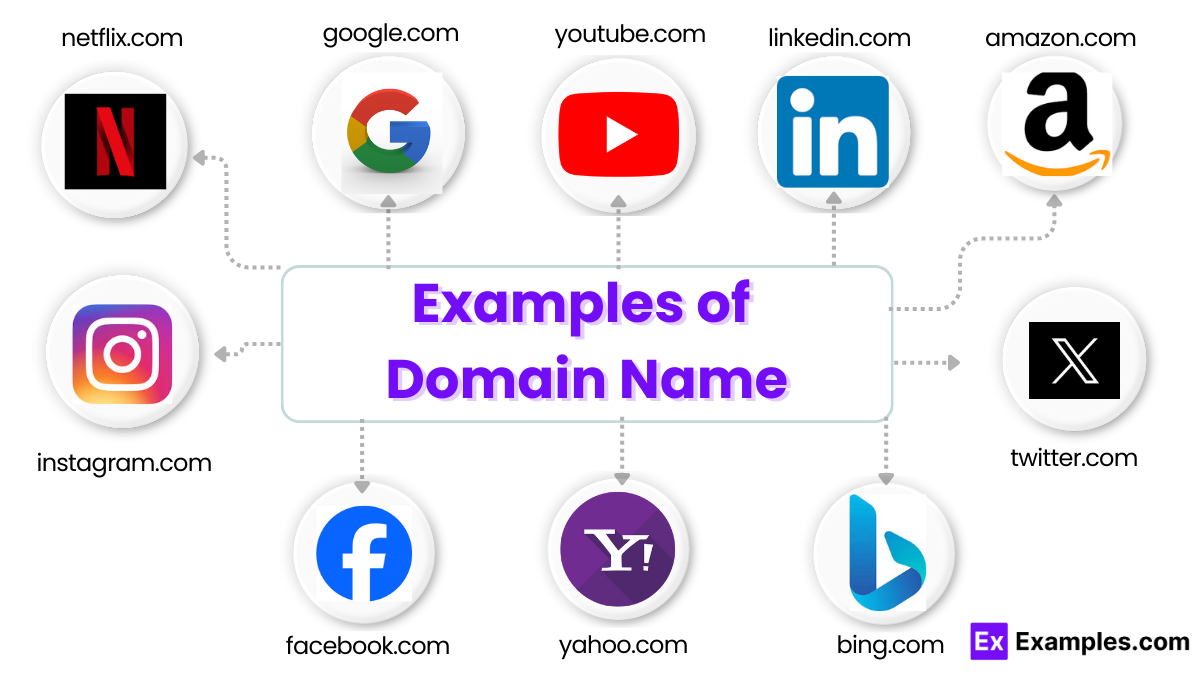
A domain name that’s easy to spell and pronounce ensures fewer errors when people try to visit your site. Typos can lead to lost traffic, as users may land on competitor sites or dead links. For instance, a name like ‘TravelEasy’ is straightforward, while ‘TravelEazy’ might confuse visitors. Pronounceability also matters for global audiences, where accents or dialects can alter spelling. Prioritize names that sound natural in common languages to avoid miscommunication.
- Reduces User Errors: Fewer typos mean more visitors reach your site instead of a wrong URL.
- Improves Global Reach: Names that sound natural in multiple languages attract a broader audience.
- Builds Trust: A clear, easy-to-spell name signals professionalism and reliability.
3. Relevant to Your Business
A domain name that reflects your business or industry helps visitors instantly understand what you offer. For example, ‘Shopify’ clearly indicates an e-commerce platform, while ‘TechInsider’ suggests a tech news site. This relevance improves user experience by aligning expectations with your content or products. Even if you later expand, a domain tied to your core purpose avoids confusion and strengthens brand identity. Avoid generic names like ‘WebsiteNow’ unless they’re already taken.
- Clarifies Your Purpose: Visitors know immediately what your site is about.
- Enhances Credibility: A relevant name builds trust with your audience.
- Supports SEO: Keywords in your domain can boost search rankings for related queries.
4. Available in Key Extensions
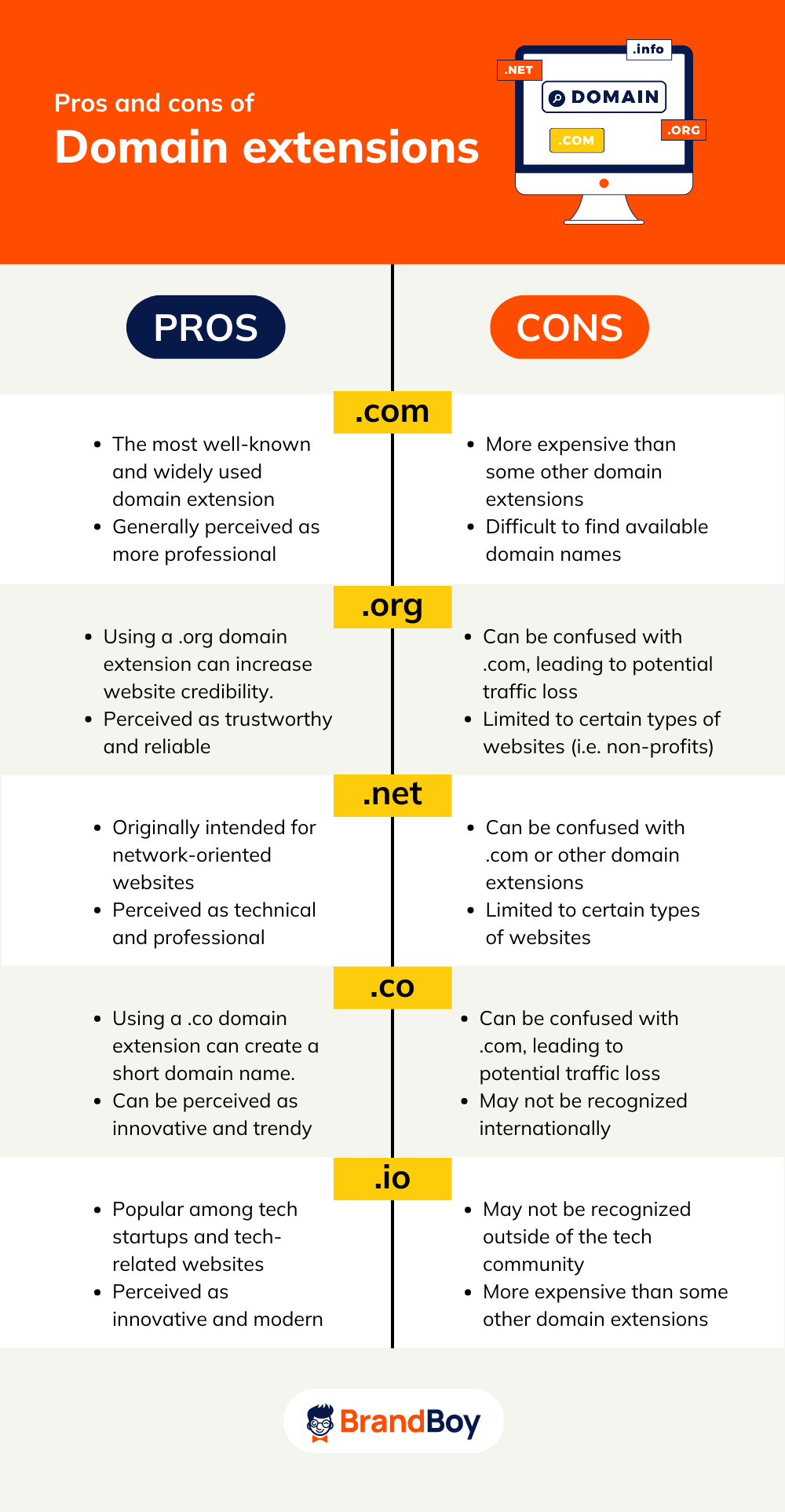
Not all domain extensions are created equal. While .com remains the gold standard, other extensions like .net, .org, or even niche ones like .io or .co can be valuable depending on your audience. For instance, a nonprofit might prefer .org, while a tech startup could benefit from .io. Always check availability across major extensions to avoid future complications. Some registrars offer multi-year registrations to lock in prices, which is especially useful for long-term planning.
- Flexibility for Future Growth: Having multiple extensions allows you to adapt to changing business needs.
- Better Targeting: Specific extensions like .co or .io can attract niche audiences.
- Price Stability: Multi-year registrations prevent rate hikes from renewals.
5. Unique and Uncommon
A unique domain name prevents confusion with competitors and avoids legal issues. If another business already uses a similar name, you risk trademark disputes or lost traffic. For example, if two fitness brands both use ‘FitLife,’ visitors might get mixed signals. Use tools like WHOIS lookups to confirm domain uniqueness before finalizing. Even if you’re not worried about competitors, a distinctive name makes your brand stand out in a crowded market.
- Prevents Legal Conflicts: Avoids trademark infringement risks with existing businesses.
- Builds Brand Distinction: Sets you apart from competitors and memorably.
- Reduces Brand Dilution: Avoids confusion with similar-sounding names.
6. Short-Lived but Strategic
While short domains are ideal, some longer names can still be powerful if they’re memorable and brandable. For example, ‘Airbnb’ is a two-word name that’s easy to spell and pronounce, even though it’s not the shortest possible. These names often require more creativity in branding but can leave a lasting impression. Consider names that evoke emotion or tell a story, like ‘Lush’ for a natural cosmetics brand. These names can be harder to register but offer long-term brand equity.
- Strong Brand Identity: Names with meaning or emotion create deeper connections.
- Long-Term Value: Unique names can become iconic over time.
- Flexibility in Branding: Allows for future product expansions or rebranding.
7. Future-Proofing with Domain Age
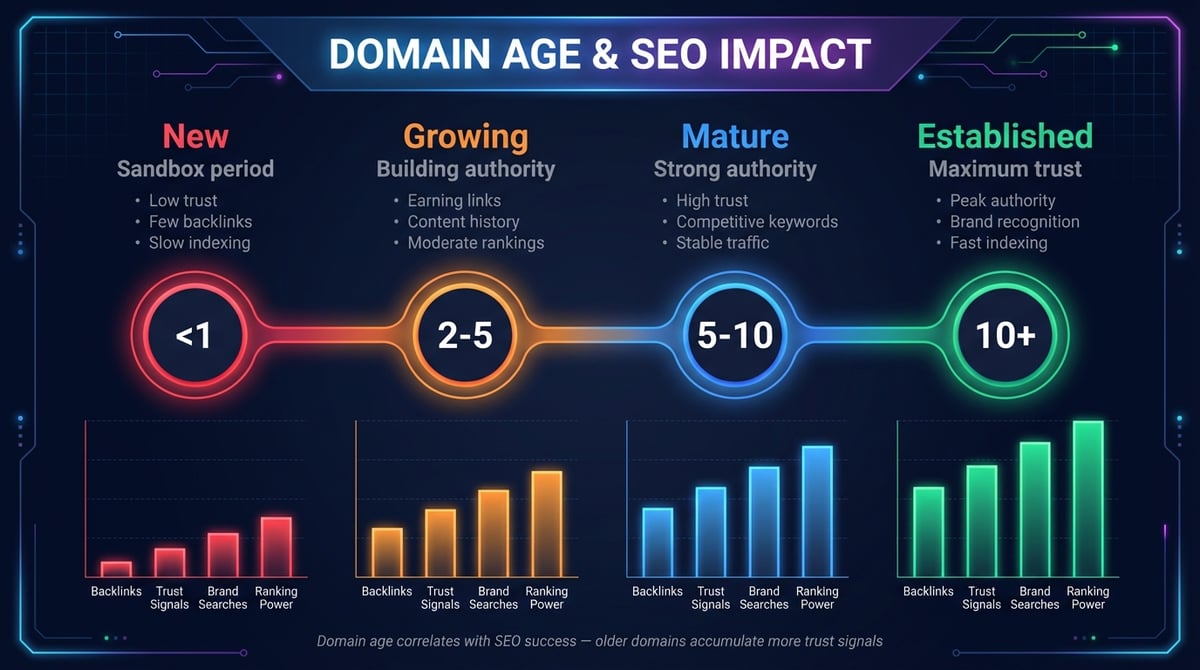
The age of your domain can influence its value and search rankings. Older domains often have established backlinks and domain authority, which can give them a competitive edge. For example, a domain registered in 2010 might rank higher than a brand-new one in the same niche. However, this isn’t always the case—new domains can outperform older ones if they’re built with strong SEO practices. If you’re buying an existing domain, research its backlink profile and traffic history to ensure it’s a good fit.
- Established Authority: Older domains often have more backlinks and credibility.
- Potential for Higher Rankings: Can outperform newer domains with strong SEO.
- Investment Opportunity: Older domains may sell for premium prices.
8. Domain Extensions Beyond .com
While .com is the most popular, newer extensions like .io, .app, or .store can be highly effective for specific industries. For example, a tech startup might prefer .io, while an online store could use .store. These extensions can also signal your niche to visitors, improving engagement. However, they’re less universally recognized than .com, so pair them with a strong brand name to maximize impact. Always test how your domain sounds across different devices and browsers to ensure clarity.
- Industry-Specific Appeal: Extensions like .io or .app attract niche audiences.
- Modern Branding: Can enhance credibility for tech or startup businesses.
- Flexibility in Targeting: Allows for localized or specialized marketing.
9. Avoiding Trademark Issues
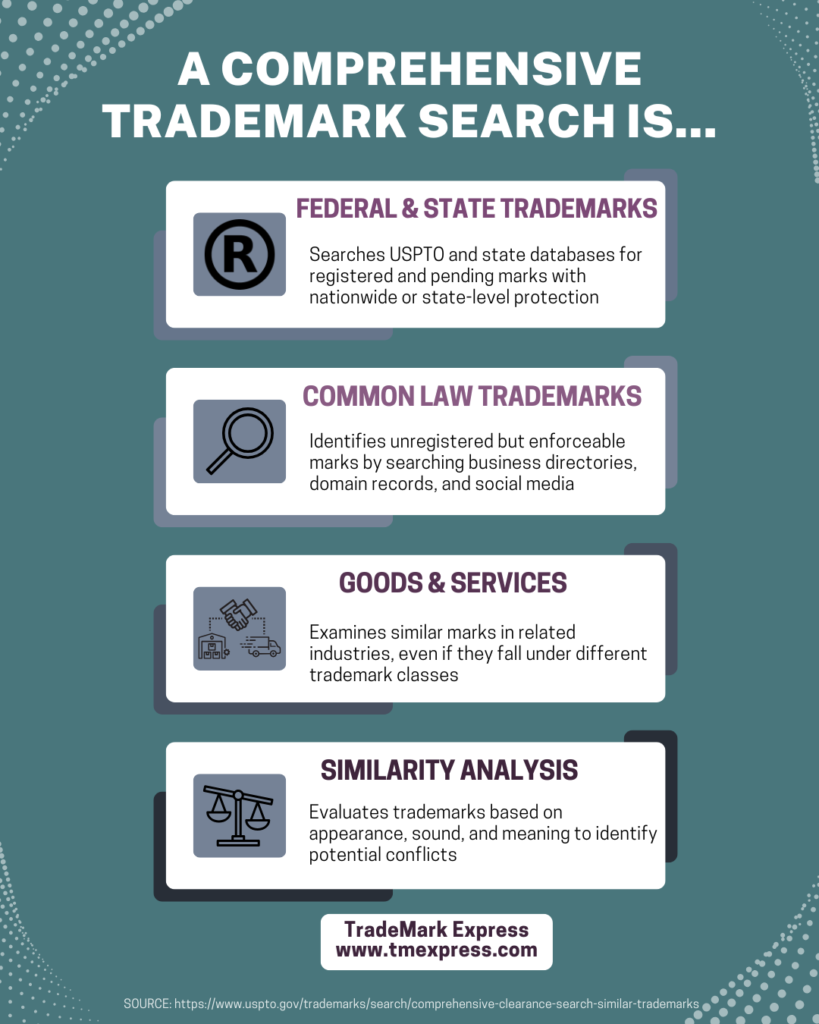
Before finalizing a domain, conduct thorough trademark searches to avoid legal disputes. Even if a name isn’t registered, another business could file a claim, leading to costly litigation. For example, if ‘HealthyLife’ is already trademarked, you’d need to choose an alternative. Use the USPTO’s trademark database or hire a legal expert to ensure your name isn’t in conflict. This step is especially critical for businesses planning to expand internationally, where trademark laws vary by country.
- Legal Protection: Prevents costly trademark infringement lawsuits.
- Avoids Brand Confusion: Ensures your name isn’t already in use.
- Future-Proofing: Prevents legal complications as your business grows.
10. Domain Name Length and Readability
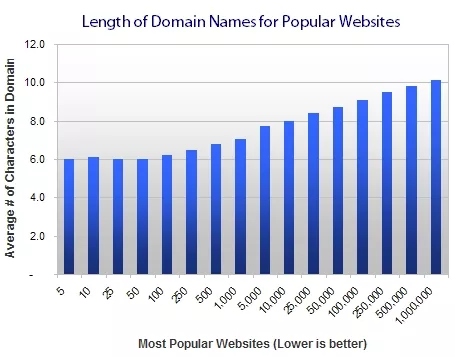
Domain length matters for usability and search rankings. Ideally, aim for under 20 characters to prevent truncation in browser tabs or search results. For example, ‘ShortAndSweet’ is easier to read than ‘TheQuickAndEasyWebSolution.’ Additionally, avoid hyphens and numbers, as they can confuse users. A clean, readable name improves click-through rates and reduces bounce rates. Tools like Google’s TLD Checker can help assess how your domain will display across different platforms.
- Improves Usability: Short, clean names reduce typos and confusion.
- Boosts Search Rankings: SEO favors concise, readable URLs.
- Enhances Brand Trust: A professional, clean name builds credibility.
Frequently Asked Questions
How do I know if a domain name is already taken?
You can check domain availability on registrars like Namecheap, GoDaddy, or Google Domains. Use WHOIS lookup tools to see if the domain is registered or if it’s in a trademark database. For older domains, check backlink profiles to assess their current status.
What’s the best domain extension for my business?
The best extension depends on your industry. .com is universally recognized, but .io, .app, or .store can be ideal for tech startups, online services, or e-commerce. If your name isn’t available in .com, consider alternatives like .net or .org for credibility.
Can I buy a domain name from someone else?
Yes, you can purchase existing domains through domain brokers or auction sites like Sedo or Flippa. Research the domain’s backlink profile, traffic history, and SEO value before buying. Older domains with established authority can be worth the investment.
How important is the domain name for SEO?
The domain name plays a significant role in SEO. A relevant, short, and memorable name can improve rankings, while typos or irrelevant names may hurt your visibility. Search engines consider domain age, keywords, and readability when ranking sites.
What should I do if my preferred domain name is taken?
If your preferred name is taken, consider alternatives like adding a word, using a different extension, or checking for misspellings. You can also monitor the domain’s availability on registrars or hire a professional to explore creative options.
How do I avoid trademark issues when choosing a domain?
Conduct a thorough trademark search using the USPTO database or a legal expert. Avoid names that are similar to existing trademarks, even if they’re not identical. This step prevents costly legal disputes and brand confusion.
Is it worth paying more for a premium domain?
Premium domains can be valuable if they’re short, brandable, and already established. However, they often come with higher costs. Weigh the potential benefits—like brand recognition or SEO advantages—against the expense before making a purchase.

