
best web hosting services


Choosing the right web hosting service is critical for how smoothly your site runs. Whether you’re launching a small business website, a blog, or an e-commerce store, the hosting platform you pick affects everything from page load times to security and uptime. Slow servers or unreliable providers can frustrate visitors, hurt your search rankings, and even cost you sales. On the other hand, a fast, dependable host keeps your site running without interruption, which is especially important for sites that rely on traffic or transactions.
Performance isn’t the only factor—you also need to consider scalability, customer support, and pricing. Some hosts offer shared servers, which are budget-friendly but may lack resources for growing traffic. Others provide dedicated or cloud-based solutions that handle higher loads but come with higher costs. Before committing, think about your current needs and how they might change. A good host should grow with you without requiring major upgrades.
Below is a list of the best options for web hosting services.
📋 Table of Contents
1. Shared Hosting

Shared hosting remains the most budget-friendly way to launch a website, ideal for beginners and small businesses. It packages multiple sites under a single server, sharing resources like CPU and RAM. This setup keeps costs low—often starting at under $5 per month—but comes with performance trade-offs, as shared resources can fluctuate based on server load. It’s perfect for blogs, personal portfolios, or small e-commerce stores that don’t expect heavy traffic. Many providers include free domain registration and basic security tools, which can be a game-changer for new users.
- Affordable Pricing: Typically starts at $3–$10/month, making it accessible for startups and solo creators.
- Easy Setup: User-friendly control panels like cPanel simplify website management and hosting tasks.
- Basic Security: Includes SSL certificates, spam filters, and automated backups for essential protection.
- Scalability Limits: Performance degrades under high traffic; upgrades may be needed for growth.
- Shared Resources: Performance depends on other users’ activity, which can cause delays.
2. VPS Hosting

A virtual private server (VPS) offers dedicated resources within a shared server environment, giving you more control and stability than shared hosting. This setup is ideal for developers, growing businesses, or websites needing consistent performance without the cost of a full dedicated server. VPS hosting isolates your data and processes, reducing interference from other users. It’s a step up from shared hosting but still relatively affordable, making it a favorite among tech-savvy users who want reliability and flexibility.
- Dedicated Resources: Allocated CPU, RAM, and storage for predictable performance.
- Root Access: Full control over server configurations and software installations.
- Scalability: Easy to upgrade resources as your site grows.
- Security: Isolated environment reduces risks from shared server vulnerabilities.
- Cost-Effective: More affordable than dedicated hosting for moderate traffic.
3. Cloud Hosting
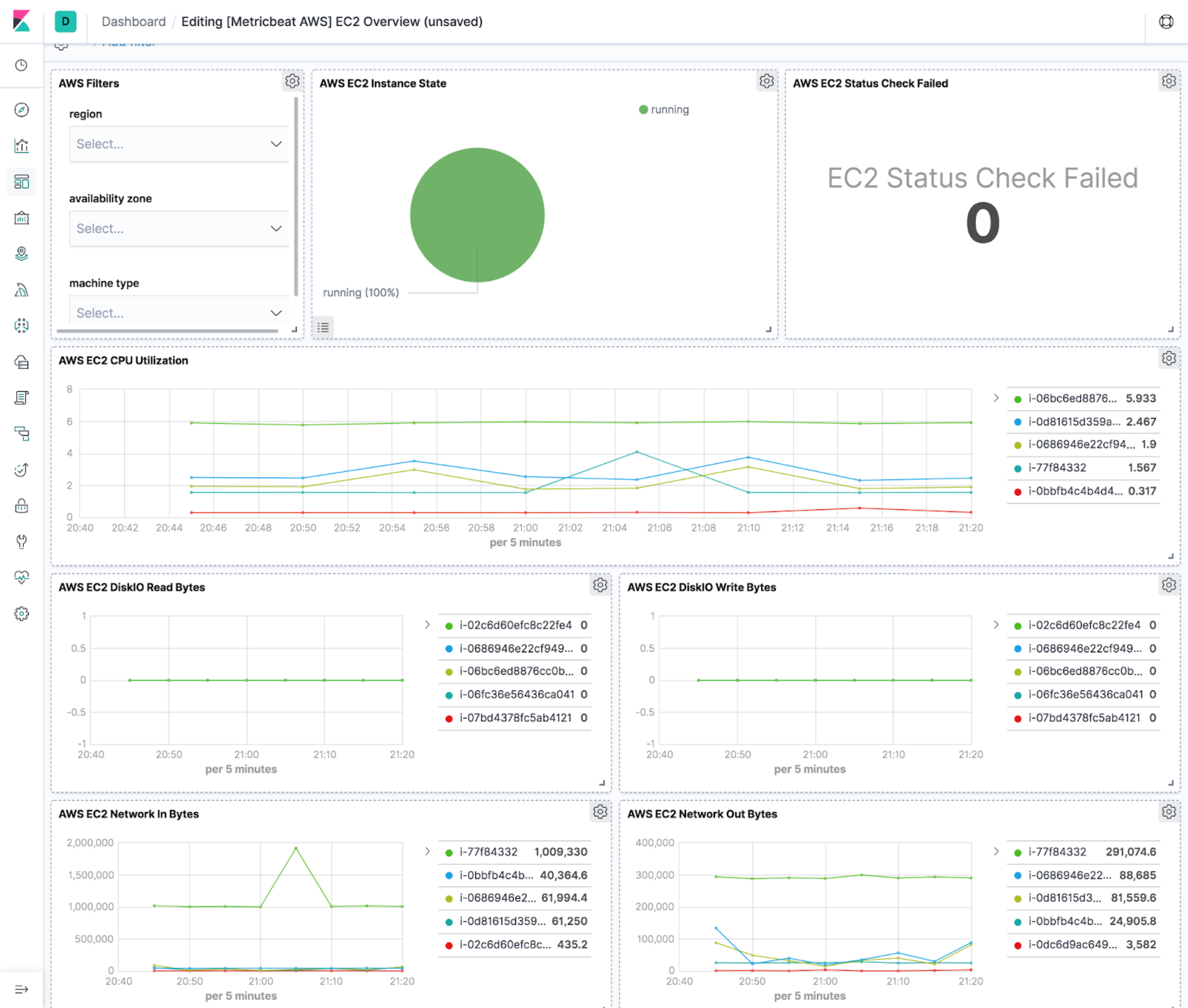
Cloud hosting leverages distributed servers across multiple data centers, providing unmatched flexibility and scalability. Unlike traditional hosting, cloud services let you adjust resources on demand, which is perfect for businesses with unpredictable traffic or those needing high availability. Major providers like AWS, Google Cloud, and Microsoft Azure offer pay-as-you-go models, making it cost-effective for startups and enterprises alike. However, managing multiple servers can be complex, so beginners may need technical support or a managed cloud service.
- Scalability: Instantly scale resources up or down based on demand.
- Global Reach: Deploy servers in multiple regions for faster load times worldwide.
- Cost Efficiency: Pay only for the resources you use, reducing overhead costs.
- High Availability: Redundant servers ensure minimal downtime.
- Flexible Plans: Choose between self-managed or fully managed services.
4. Dedicated Server Hosting

A dedicated server gives you a fully isolated, high-performance machine for your website or applications. This option is ideal for large businesses, enterprise-level sites, or developers who need full control over server hardware and software. While the most expensive hosting option, dedicated servers offer unmatched speed, security, and customization. They’re best for high-traffic sites, SaaS platforms, or mission-critical applications where reliability is non-negotiable. The trade-off is higher costs and more technical management.
- Full Server Control: Exclusive access to hardware and software configurations.
- High Performance: Optimized for speed, security, and minimal latency.
- 24/7 Support: Round-the-clock technical assistance for critical issues.
- Customizable: Tailor server specs to exact performance needs.
- Security: Isolated environment with advanced protection.
5. Managed WordPress Hosting

Managed WordPress hosting automates server maintenance, security, and updates, making it ideal for WordPress users who want a hassle-free experience. Providers like SiteGround, WP Engine, and Kinsta specialize in WordPress optimization, offering features like daily backups, automatic updates, and expert support. This setup is perfect for bloggers, small business owners, or anyone who wants a WordPress site to run smoothly without technical headaches. The trade-off is higher costs than shared hosting, but the convenience often justifies the investment.
- Automated Backups: Daily or weekly backups to restore data quickly.
- Optimized Performance: Caching, CDN integration, and server tuning for speed.
- Security Features: Malware scanning, DDoS protection, and SSL certificates.
- Expert Support: Dedicated WordPress specialists for troubleshooting.
- Easy Management: One-click WordPress installs and updates.
6. Green Hosting

Green hosting prioritizes environmental sustainability by using renewable energy sources, energy-efficient hardware, and carbon-neutral operations. This niche category appeals to eco-conscious businesses and individuals who want to reduce their carbon footprint while hosting a website. While not as widely recognized as traditional hosting, providers like GreenGeeks and GreenHostingUSA offer transparent sustainability metrics and eco-friendly certifications. It’s a great choice for socially responsible brands or those who want to align their online presence with green values.
- Renewable Energy: Powered by wind, solar, or other clean energy sources.
- Carbon-Neutral: Offsets emissions from server operations.
- Eco-Friendly Data Centers: Uses energy-efficient hardware and cooling systems.
- Transparency: Provides detailed sustainability reports.
- Performance: Maintains typical hosting speeds while prioritizing green practices.
7. Kubernetes Hosting
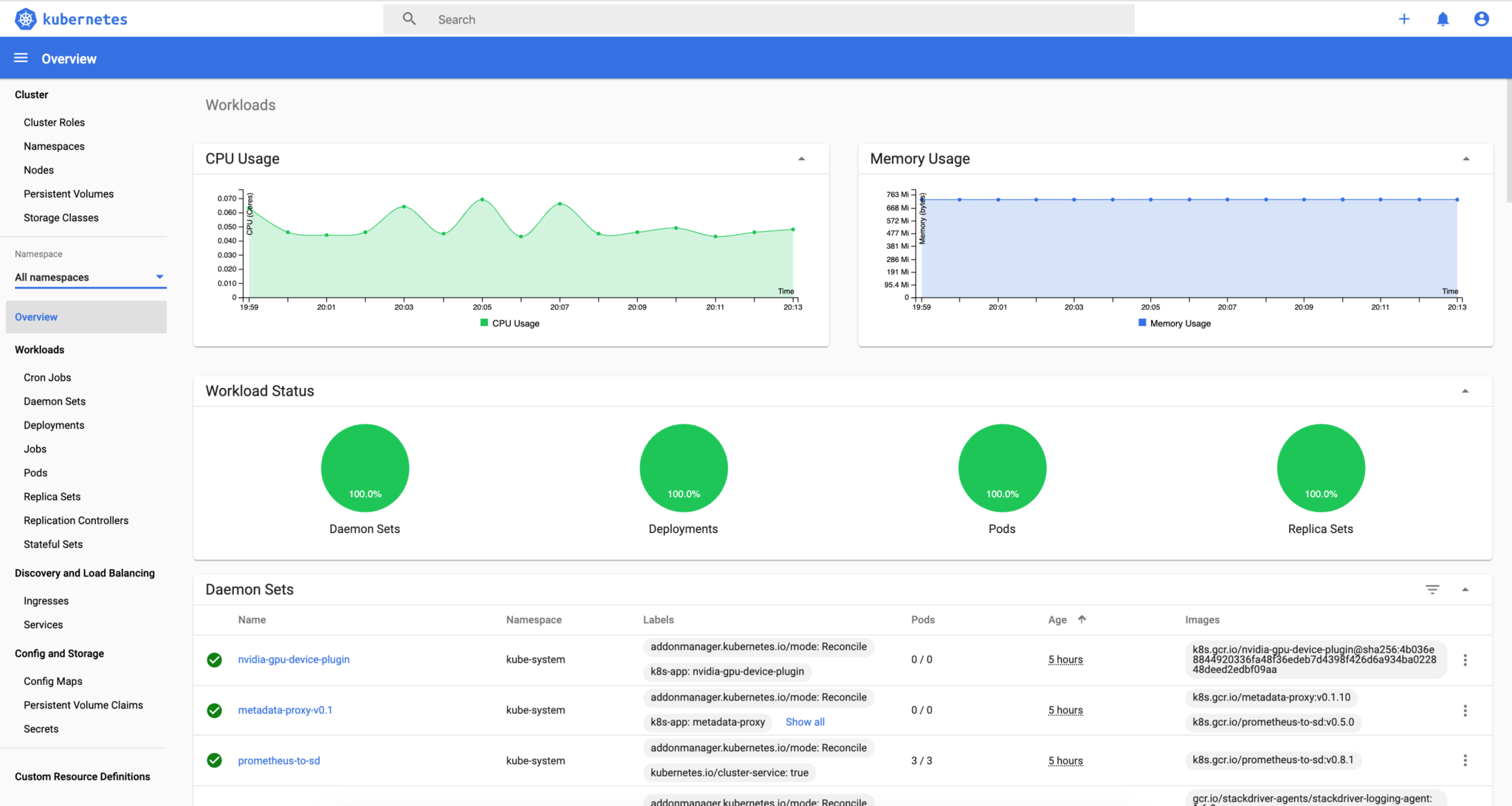
Kubernetes (K8s) hosting is ideal for developers and enterprises deploying containerized applications. This cloud-native platform automates scaling, deployment, and management of microservices, making it perfect for tech-savvy users with complex infrastructure needs. Providers like Google Kubernetes Engine (GKE), AWS EKS, and Azure Kubernetes Service (AKS) offer managed Kubernetes clusters, reducing operational overhead. However, it’s best suited for developers familiar with containerization and DevOps practices, as setup and management require technical expertise.
- Container Orchestration: Manages deployment, scaling, and updates of containerized apps.
- High Availability: Automatically balances load across multiple nodes.
- Self-Healing: Automatically restarts failed containers and recovers from failures.
- Multi-Cloud Support: Works across AWS, Google Cloud, and Azure.
- Cost Optimization: Pay only for the resources used in real-time.
8. Local Hosting
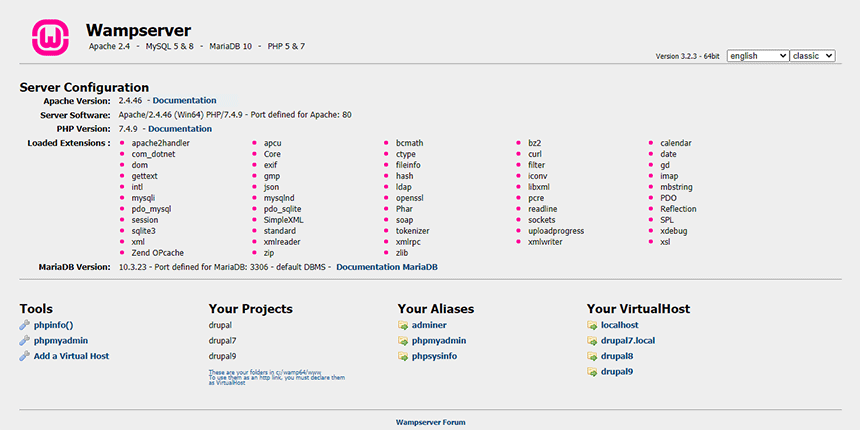
Local hosting allows you to test and develop websites on your own computer before deploying them online. It’s a must-have for developers, designers, and small teams working on projects locally. Tools like WAMP (Windows), MAMP (Mac), and XAMPP provide everything you need—PHP, MySQL, and Apache—to simulate a live environment. This setup is cost-effective, fast, and ideal for prototyping, learning, or small-scale projects. However, it’s not suitable for live websites, as it lacks internet connectivity and scalability features.
- Full Control: Run websites and applications on your local machine.
- Fast Performance: No latency from remote servers.
- Cost-Effective: Free or low-cost software for personal use.
- Development-Friendly: Simulates real-world conditions for testing.
- Limited Scalability: Not designed for production use.
9. Serverless Hosting

Serverless hosting automates infrastructure management by running code and services without traditional servers. Platforms like AWS Lambda, Firebase, and Vercel allow developers to focus on writing code while the hosting provider handles scaling, maintenance, and performance. This model is perfect for event-driven applications, APIs, or small websites with variable traffic. It’s ideal for startups and developers who want to reduce operational complexity and costs, though it may lack some customization options compared to traditional hosting.
- Automatic Scaling: Resources scale up or down based on demand.
- Pay-Per-Use: Pay only for the compute time consumed.
- No Server Management: Handles infrastructure, security, and updates.
- Fast Deployment: Quickly launch and test new features.
- Global Reach: Deploy applications in multiple regions.
Frequently Asked Questions
What factors should I consider when choosing a web hosting service?
Consider your website’s traffic expectations, technical expertise, budget, and specific needs like security or scalability. Shared hosting is best for beginners, while dedicated or cloud hosting suits high-traffic sites. If you’re using WordPress, managed hosting can simplify maintenance. Evaluate features like uptime guarantees, customer support, and ease of use to ensure a smooth experience.
Is green hosting worth the extra cost?
Green hosting aligns with eco-conscious values and may offer transparency in sustainability efforts. While it costs slightly more than traditional hosting, the environmental benefits can be meaningful for brands prioritizing sustainability. If your budget allows, it’s a thoughtful choice for socially responsible businesses.
Can I switch hosting providers without downtime?
Most providers offer migration services to minimize downtime, but the process can take time. Use tools like cPanel’s migration assistant or hire a professional to ensure a smooth transition. Plan ahead, especially if your site has high traffic, to avoid disruptions.
What’s the difference between VPS and cloud hosting?
VPS hosting allocates dedicated resources within a shared server, while cloud hosting uses distributed servers across multiple data centers. Cloud hosting offers greater scalability and flexibility, but VPS provides more control and stability at a lower cost. Choose VPS for moderate traffic and cloud hosting for unpredictable or high-demand needs.
Do I need technical expertise to use managed hosting?
Managed hosting simplifies the process by handling server maintenance, security, and updates. Even beginners can use it, as providers offer user-friendly interfaces and expert support. However, understanding basic technical concepts can help you make the most of your hosting experience.
How do I choose the right hosting plan for my small business?
Start with shared hosting if your site has low traffic, then upgrade to VPS or cloud hosting as you grow. Assess your budget, traffic needs, and technical comfort level. For WordPress sites, managed hosting can streamline operations. Always check reviews and support quality before committing.
What’s the best hosting for a blog?
Managed WordPress hosting is ideal for blogs due to its optimization for WordPress, automatic updates, and expert support. Shared hosting is also a budget-friendly option for low-traffic blogs. Ensure your provider offers reliable uptime and easy migration if you plan to expand.