
best hosting for unique web needs


Finding the right hosting for your website isn’t just about picking the cheapest or most popular option. Different projects have different demands—whether you’re running a high-traffic e-commerce store, a resource-heavy app, or a simple blog with specific technical needs. The best host for you depends on factors like performance, scalability, security, and support. Some platforms excel at speed and uptime, while others offer flexibility for custom setups or niche requirements like gaming servers, media streaming, or AI-driven applications.
Not all hosting providers are built the same, and what works for a basic WordPress site might fail for a complex SaaS platform or a global content delivery network. You need a solution that aligns with your technical requirements, budget, and growth plans. Below, I’ve assembled a list of the best options for hosting tailored to unique web needs.
📋 Table of Contents
1. Kinsta
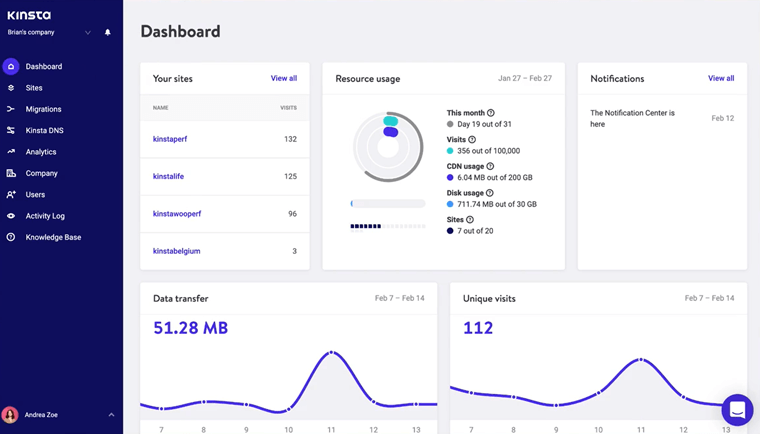
Kinsta is a premium managed WordPress hosting provider that stands out for its high-performance infrastructure powered by Google Cloud Platform. It’s designed for businesses, agencies, and developers who need speed, security, and scalability without the hassle of server management. Kinsta offers a user-friendly dashboard, automatic backups, and expert support, making it ideal for those who want a hands-off hosting experience with enterprise-grade reliability. Their hosting is optimized for WordPress, WooCommerce, and even custom applications, ensuring fast load times and minimal downtime. Kinsta also includes free migrations, a staging environment, and advanced security features like DDoS protection and malware scanning, which are crucial for high-traffic or e-commerce sites.
- Google Cloud Infrastructure: Kinsta uses Google’s premium tier network and C2 machines for ultra-fast performance and global reach.
- Managed WordPress Hosting: Fully optimized for WordPress with automatic updates, caching, and expert support tailored for WordPress users.
- Free Migrations and Staging: Kinsta offers free site migrations and a one-click staging environment to test changes before going live.
- Advanced Security: Includes DDoS protection, malware scanning, and hardware firewalls to keep your site safe from threats.
- 24/7 Expert Support: Access to WordPress experts via live chat for troubleshooting and optimization advice.
2. Cloudways
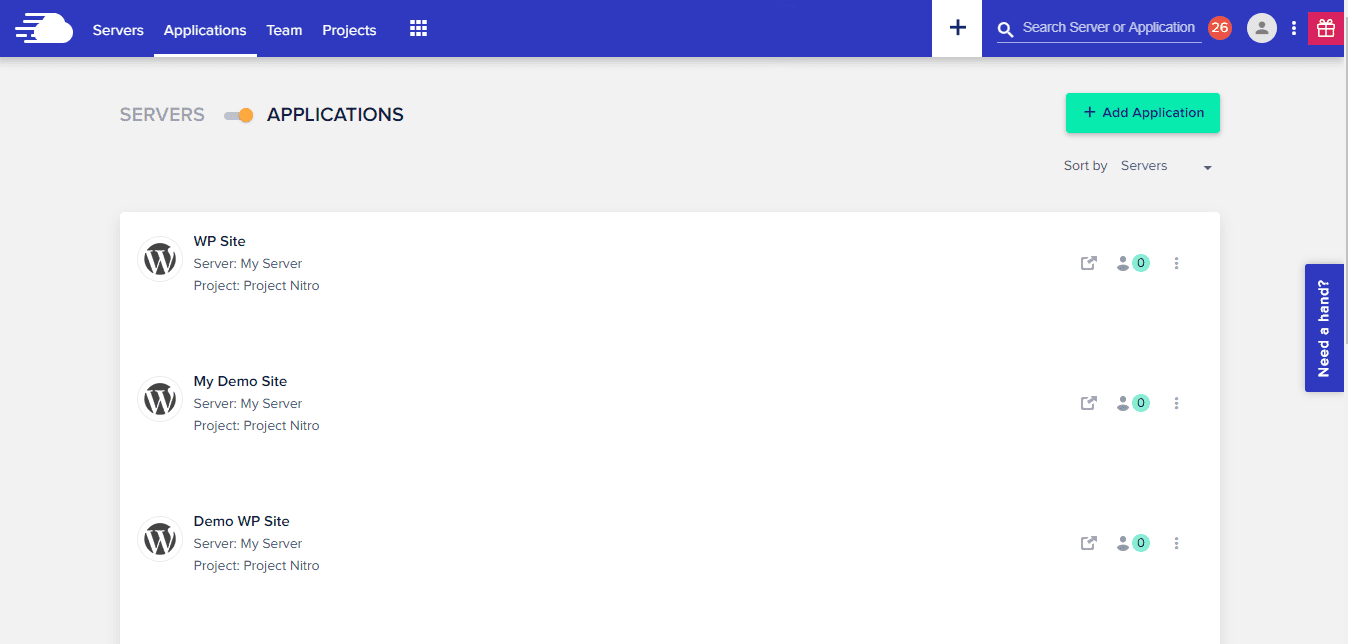
Cloudways is a managed cloud hosting platform that bridges the gap between traditional hosting and complex cloud infrastructure. It allows users to deploy applications on top of leading cloud providers like DigitalOcean, AWS, Google Cloud, Vultr, and Linode, without needing deep technical expertise. Cloudways is perfect for developers, agencies, and businesses that need flexibility, scalability, and control over their hosting environment. The platform offers a user-friendly dashboard, one-click installations for popular apps like WordPress and Magento, and features like automated backups, SSL certificates, and performance optimization tools. Cloudways also stands out for its pay-as-you-go pricing, which makes it cost-effective for projects of all sizes.
- Multi-Cloud Flexibility: Choose from DigitalOcean, AWS, Google Cloud, Vultr, or Linode to host your applications.
- Managed Cloud Hosting: Simplifies cloud hosting with a managed approach, including server monitoring, security patches, and updates.
- One-Click App Installations: Easily deploy WordPress, Magento, Laravel, and other applications with a single click.
- Performance Optimization: Built-in caching (Varnish, Redis, Memcached) and CDN integration for faster load times.
- 24/7 Support: Access to expert support via live chat and ticketing system for troubleshooting and guidance.
3. Vercel

Vercel is a cloud platform designed for front-end developers and teams building modern web applications. It specializes in hosting static sites, serverless functions, and Jamstack applications with a focus on speed, scalability, and ease of use. Vercel is the company behind Next.js, a popular React framework, and its hosting is optimized for Next.js projects, though it supports other frameworks like Gatsby, Nuxt.js, and SvelteKit. The platform offers automatic deployments from Git repositories, edge functions for low-latency performance, and a global CDN to ensure fast load times worldwide. Vercel is ideal for developers who want to deploy and scale their projects without managing servers or infrastructure.
- Next.js Optimization: Built for Next.js applications with automatic optimizations for performance and SEO.
- Edge Functions: Run serverless functions at the edge for faster response times and reduced latency.
- Automatic Deployments: Connect your Git repository for instant deployments with every code push.
- Global CDN: Content is served from the nearest edge location for ultra-fast load times worldwide.
- Serverless Infrastructure: No need to manage servers; Vercel handles scaling and infrastructure automatically.
4. Netlify
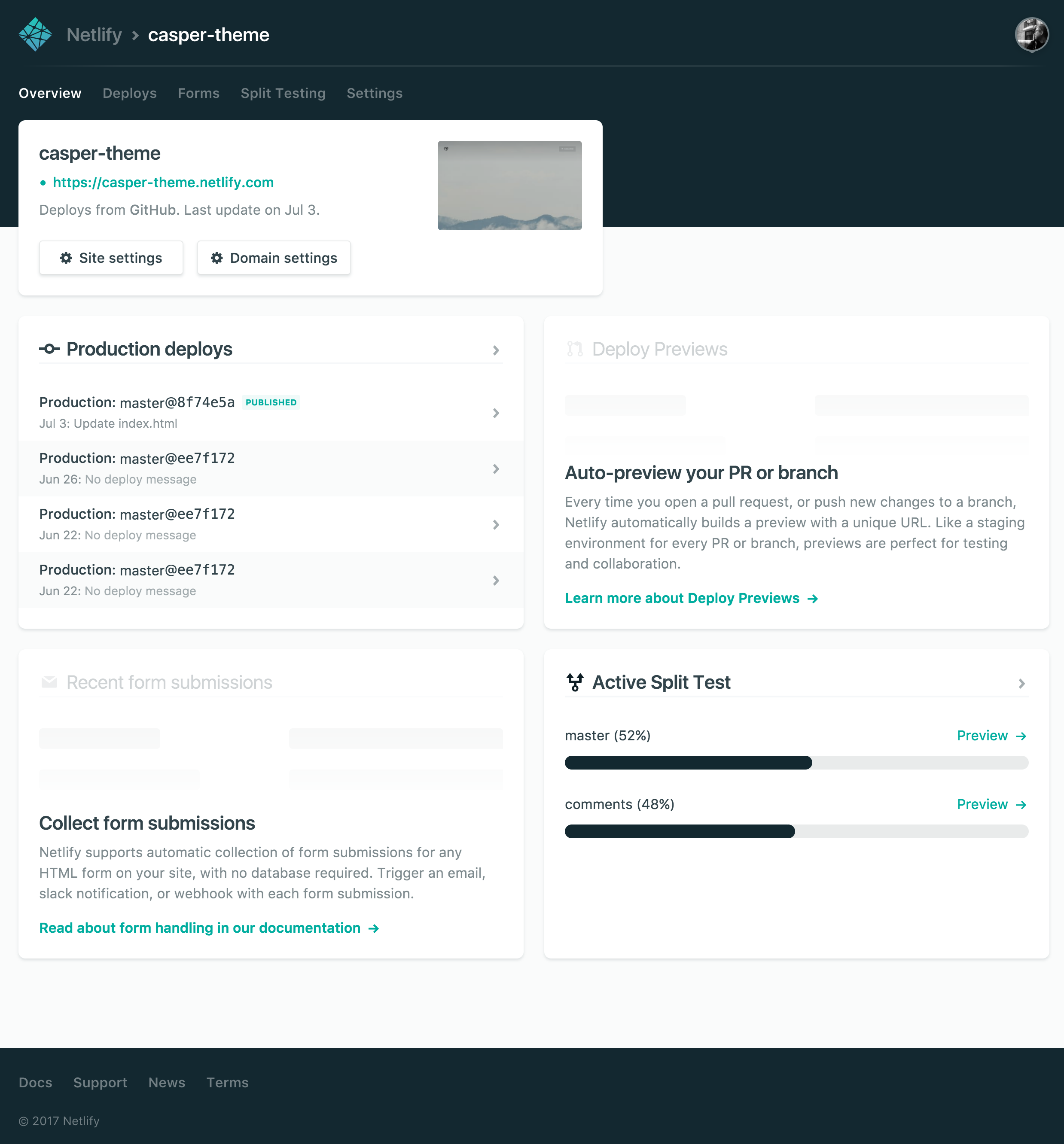
Netlify is a powerful platform for hosting static sites, serverless functions, and Jamstack applications. It’s a favorite among developers for its simplicity, speed, and integration with modern workflows. Netlify offers continuous deployment from Git repositories, automatic HTTPS, and a global CDN to ensure fast and secure delivery of content. The platform also supports serverless functions, form handling, and identity management, making it a versatile choice for building and deploying web projects. Netlify is particularly well-suited for developers working with static site generators like Gatsby, Hugo, and Eleventy, but it also supports dynamic applications through its serverless capabilities.
- Continuous Deployment: Automatically deploy your site from GitHub, GitLab, or Bitbucket with every code push.
- Global CDN: Content is distributed across multiple edge locations for fast load times worldwide.
- Serverless Functions: Run backend logic without managing servers using Netlify Functions.
- Automatic HTTPS: Free SSL certificates are automatically provisioned and renewed for your site.
- Form Handling: Easily collect form submissions without writing backend code.
5. Fly.io
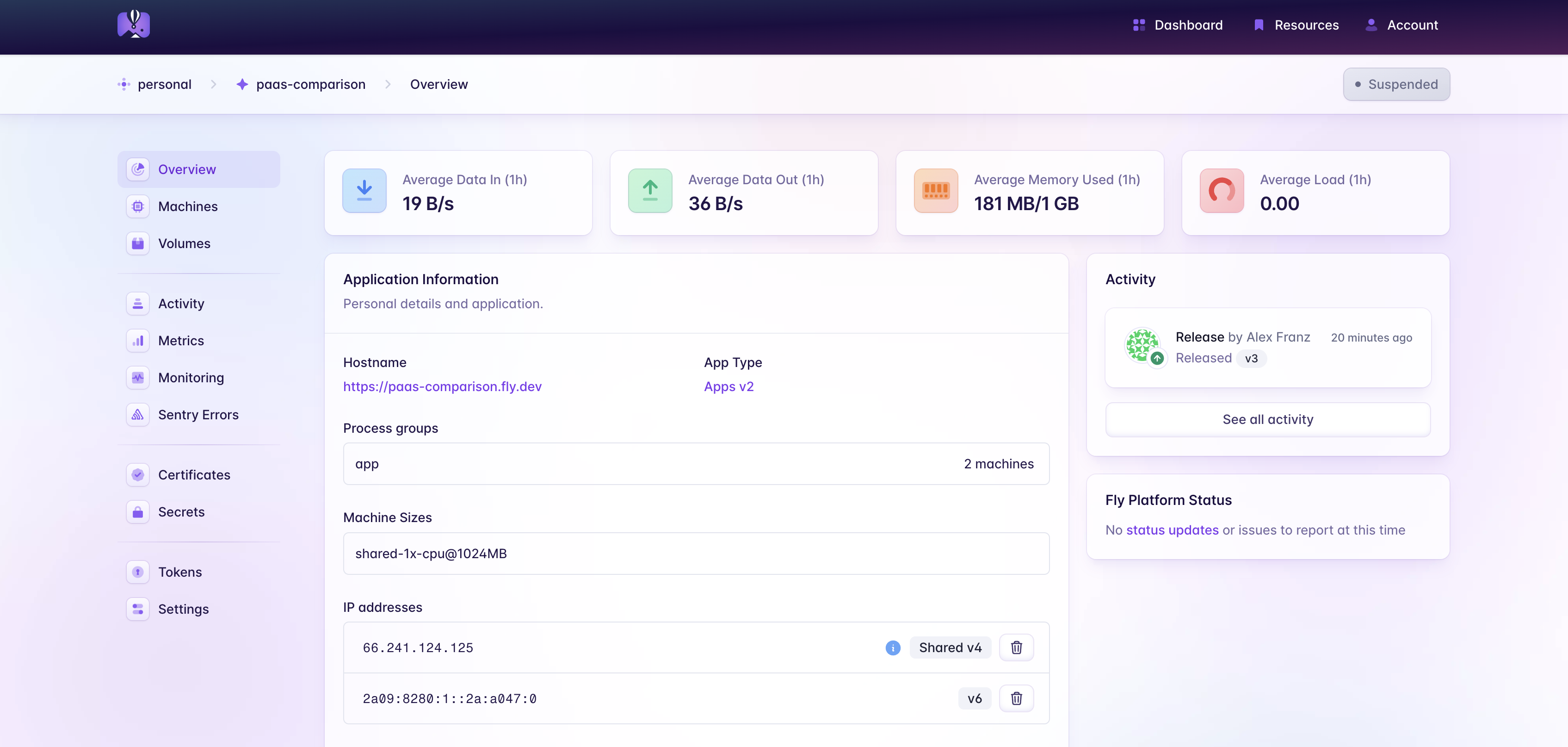
Fly.io is a unique hosting platform that allows developers to deploy and run applications close to their users, reducing latency and improving performance. It’s designed for developers who need to run full-stack applications, databases, or even Docker containers in multiple regions around the world. Fly.io uses a global network of edge locations to ensure your application runs as close to your users as possible, making it ideal for real-time applications, APIs, and microservices. The platform supports a wide range of programming languages and frameworks, and it offers features like automatic scaling, persistent storage, and built-in monitoring. Fly.io is perfect for developers who want to build and deploy globally distributed applications without the complexity of managing traditional cloud infrastructure.
- Global Edge Network: Deploy your application in multiple regions to reduce latency and improve performance.
- Docker Support: Run Docker containers in any region with minimal configuration.
- Automatic Scaling: Scale your application up or down based on demand without manual intervention.
- Persistent Storage: Attach persistent volumes to your applications for data storage.
- Built-in Monitoring: Monitor your application’s performance and health with built-in tools.
6. Render
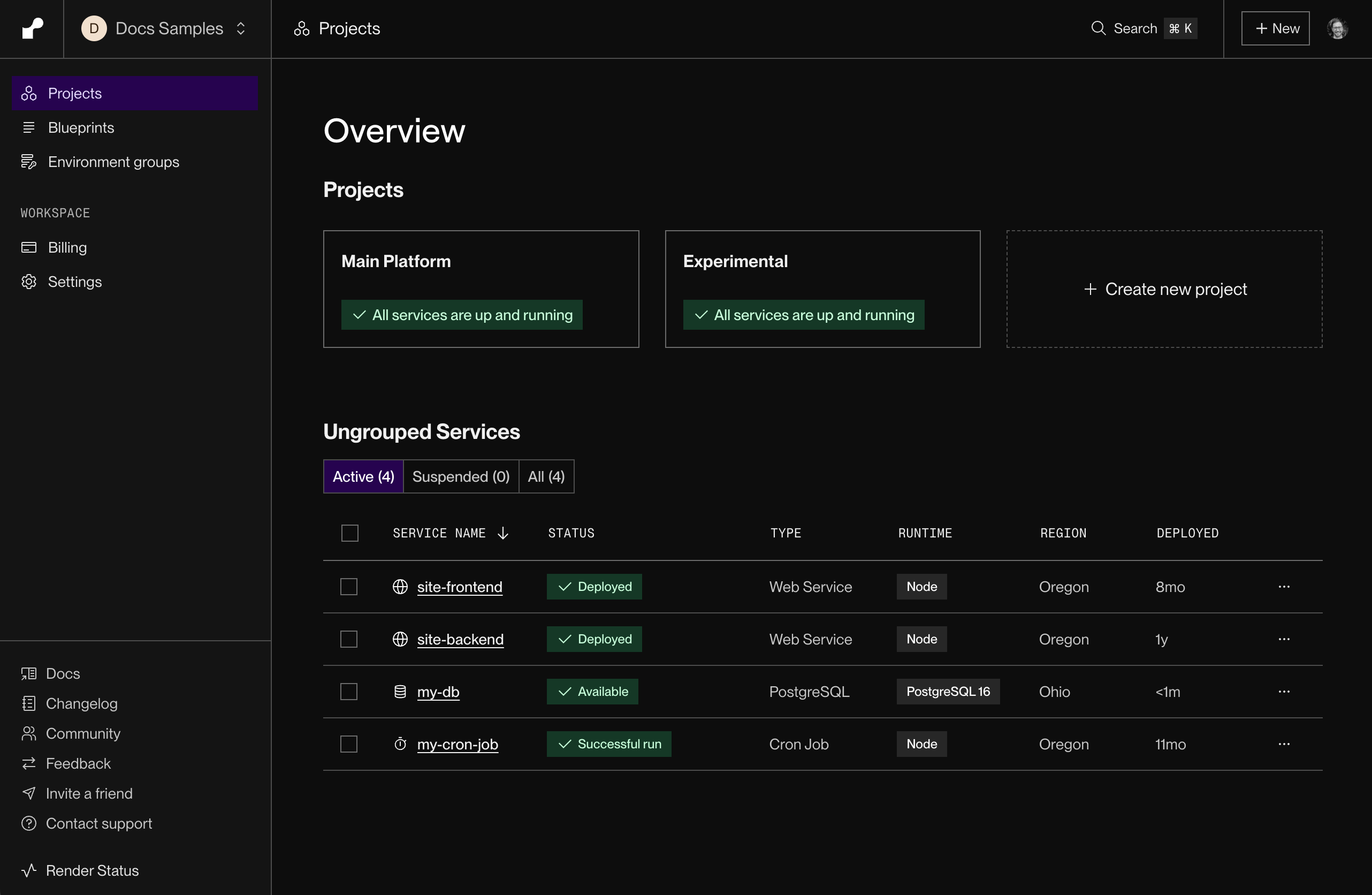
Render is a modern cloud hosting platform that simplifies the deployment and scaling of web applications, APIs, and databases. It’s designed for developers who want a seamless experience without the complexity of traditional cloud providers. Render supports a wide range of technologies, including static sites, serverless functions, Docker containers, and managed databases like PostgreSQL. The platform offers automatic deployments from Git repositories, free SSL certificates, and a global CDN for fast content delivery. Render is particularly well-suited for startups, indie developers, and small teams who need a reliable and cost-effective hosting solution. Its intuitive dashboard and built-in monitoring tools make it easy to manage and scale applications as they grow.
- Automatic Deployments: Deploy your application from GitHub, GitLab, or Bitbucket with every code push.
- Managed Databases: Easily provision and manage PostgreSQL databases with automatic backups and scaling.
- Global CDN: Content is distributed across multiple edge locations for fast load times worldwide.
- Free SSL Certificates: Automatic provisioning and renewal of SSL certificates for secure connections.
- Built-in Monitoring: Monitor your application’s performance and health with built-in tools and alerts.
7. Heroku

Heroku is a cloud platform as a service (PaaS) that enables developers to build, deploy, and scale applications quickly and easily. It’s known for its simplicity and developer-friendly workflows, making it a popular choice for startups, small businesses, and enterprise teams. Heroku supports a wide range of programming languages, including Ruby, Node.js, Python, Java, and PHP, and it offers a variety of add-ons for databases, monitoring, and other services. The platform provides a seamless deployment experience with Git integration, automatic scaling, and a robust ecosystem of third-party tools. Heroku is ideal for developers who want to focus on building their applications without worrying about infrastructure management.
- Multi-Language Support: Supports Ruby, Node.js, Python, Java, PHP, and more for flexible development.
- Git Integration: Deploy your application with a simple Git push to Heroku’s remote repository.
- Automatic Scaling: Scale your application up or down based on demand with minimal configuration.
- Add-Ons Marketplace: Access a wide range of third-party services for databases, monitoring, and more.
- Managed Infrastructure: Heroku handles server management, security patches, and updates for you.
8. DigitalOcean App Platform

DigitalOcean App Platform is a fully managed platform for deploying, managing, and scaling web applications and static sites. It’s designed to simplify the deployment process for developers, allowing them to focus on building their applications rather than managing infrastructure. The platform supports a variety of programming languages and frameworks, including Node.js, Python, Ruby, Go, and static site generators like Hugo and Gatsby. DigitalOcean App Platform offers automatic deployments from Git repositories, built-in CI/CD, and a global CDN for fast content delivery. It’s an excellent choice for developers and small businesses who want a cost-effective and easy-to-use hosting solution with the reliability of DigitalOcean’s infrastructure.
- Fully Managed Hosting: DigitalOcean handles server management, security patches, and updates for you.
- Automatic Deployments: Deploy your application from GitHub, GitLab, or Bitbucket with every code push.
- Built-in CI/CD: Automate your deployment pipeline with built-in continuous integration and delivery.
- Global CDN: Content is distributed across multiple edge locations for fast load times worldwide.
- Scalable Infrastructure: Easily scale your application up or down based on demand.
9. Railway
Railway is a modern cloud hosting platform that simplifies the deployment and scaling of web applications, APIs, and databases. It’s designed for developers who want a seamless and intuitive experience without the complexity of traditional cloud providers. Railway supports a wide range of technologies, including Node.js, Python, Ruby, Go, and Docker, and it offers features like automatic deployments, built-in databases, and a global CDN. The platform is particularly well-suited for startups, indie developers, and small teams who need a reliable and cost-effective hosting solution. Railway’s intuitive dashboard and built-in monitoring tools make it easy to manage and scale applications as they grow.
- Automatic Deployments: Deploy your application from GitHub, GitLab, or Bitbucket with every code push.
- Built-in Databases: Easily provision and manage PostgreSQL, MySQL, Redis, and other databases.
- Global CDN: Content is distributed across multiple edge locations for fast load times worldwide.
- Docker Support: Run Docker containers in any environment with minimal configuration.
- Built-in Monitoring: Monitor your application’s performance and health with built-in tools and alerts.
10. A2 Hosting
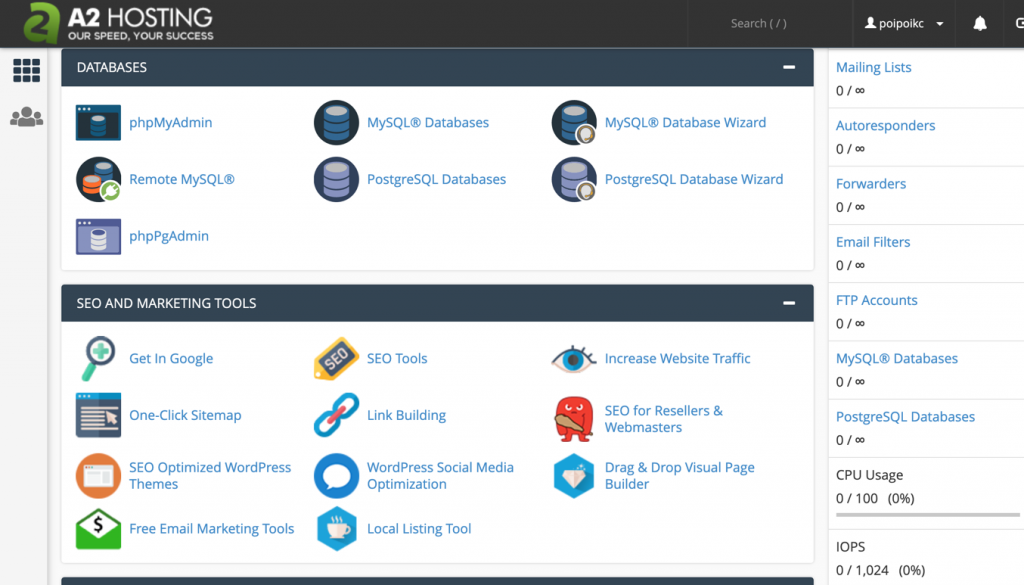
A2 Hosting is a high-performance web hosting provider known for its speed, reliability, and developer-friendly features. It offers a wide range of hosting solutions, including shared hosting, VPS hosting, dedicated servers, and reseller hosting. A2 Hosting is particularly well-suited for developers, agencies, and businesses that need fast and secure hosting for their websites and applications. The platform includes features like Turbo Servers for up to 20x faster page loads, free site migrations, and a choice of data center locations. A2 Hosting also offers a variety of programming languages and frameworks, including PHP, Python, Ruby, and Node.js, making it a versatile choice for a wide range of projects.
- Turbo Servers: Up to 20x faster page loads with A2 Hosting’s Turbo Servers and NVMe storage.
- Free Site Migrations: A2 Hosting offers free site migrations to help you switch hosting providers seamlessly.
- Developer-Friendly: Supports PHP, Python, Ruby, Node.js, and other programming languages and frameworks.
- Multiple Data Center Locations: Choose from data centers in the US, Europe, and Asia for optimal performance.
- 24/7 Guru Crew Support: Access to expert support via live chat, phone, and ticketing system for troubleshooting and guidance.
Frequently Asked Questions
What is the best hosting for a high-traffic WordPress site?
For high-traffic WordPress sites, managed WordPress hosting providers like Kinsta or WP Engine are ideal. These platforms are optimized for WordPress performance, offering features like automatic scaling, advanced caching, and expert support. Kinsta, for example, uses Google Cloud’s premium tier network to ensure fast load times and minimal downtime, while WP Engine provides a robust infrastructure with built-in security and performance optimizations. Both options include free migrations, staging environments, and 24/7 support to help you manage your site efficiently.
Which hosting is best for developers building modern web applications?
For developers building modern web applications, platforms like Vercel, Netlify, and Railway are excellent choices. Vercel is optimized for Next.js and Jamstack applications, offering automatic deployments, edge functions, and a global CDN. Netlify is another great option for static sites and serverless functions, with features like continuous deployment and form handling. Railway is a versatile platform that supports a wide range of technologies, including Docker and managed databases, making it ideal for full-stack applications. All three platforms offer free tiers and seamless integration with Git repositories.
What is the most cost-effective hosting for a small business website?
For small business websites, cost-effective hosting options like DigitalOcean App Platform, Render, or A2 Hosting are great choices. DigitalOcean App Platform offers a free tier and paid plans starting at $5/month, with features like automatic deployments and a global CDN. Render is another affordable option with a free tier and paid plans starting at $7/month, offering managed databases and built-in monitoring. A2 Hosting provides shared hosting plans starting at $2.99/month, with features like Turbo Servers for faster load times and free site migrations. All three options are reliable and easy to use, making them ideal for small businesses.
Which hosting provider is best for deploying Docker containers?
For deploying Docker containers, platforms like Fly.io, Railway, and Render are excellent choices. Fly.io is designed for running Docker containers in multiple regions, offering features like automatic scaling and persistent storage. Railway supports Docker containers with minimal configuration and provides built-in databases and monitoring tools. Render also supports Docker and offers a fully managed hosting environment with automatic deployments and a global CDN. All three platforms are developer-friendly and provide free tiers or affordable pricing plans.
What is the best hosting for an e-commerce website?
For e-commerce websites, managed hosting providers like Kinsta, Cloudways, or Shopify Hosting are ideal. Kinsta offers optimized WordPress hosting with WooCommerce support, including features like automatic scaling, advanced security, and expert support. Cloudways provides managed cloud hosting with one-click installations for Magento and other e-commerce platforms, along with performance optimization tools. Shopify Hosting is a fully managed solution designed specifically for Shopify stores, offering built-in security, scalability, and 24/7 support. All three options are reliable and tailored to the needs of e-commerce businesses.
Which hosting provider offers the best support for developers?
For developers, hosting providers like Heroku, Render, and Railway offer excellent support and developer-friendly features. Heroku is known for its simplicity and robust ecosystem of add-ons, making it easy to deploy and scale applications. Render provides a seamless experience with automatic deployments, built-in databases, and a global CDN. Railway offers a modern and intuitive platform with support for Docker, managed databases, and built-in monitoring. All three platforms provide free tiers and are designed to help developers focus on building their applications without worrying about infrastructure management.
What is the best hosting for a static website or blog?
For static websites or blogs, platforms like Netlify, Vercel, and GitHub Pages are excellent choices. Netlify offers continuous deployment, a global CDN, and serverless functions, making it ideal for static sites and Jamstack applications. Vercel is optimized for Next.js and offers automatic deployments, edge functions, and a global CDN. GitHub Pages is a free and simple option for hosting static sites directly from your GitHub repository. All three platforms are easy to use and provide fast, reliable hosting for static content.