
best hosting for django


If you’re running a Django application, picking the right hosting provider can make or break your project. Django has specific requirements—Python support, database flexibility, and the ability to scale—that not all hosts handle well. The best options balance performance, ease of deployment, and cost without forcing you into unnecessary complexity. You don’t want a provider that treats Django like an afterthought or locks you into rigid configurations.
The right host should let you deploy quickly, manage dependencies without headaches, and scale when traffic grows. Some providers specialize in Python and Django, while others are more general but still capable if you know what to look for. The key is finding a balance between control and convenience—whether you need full server access or just a simple way to get your app online.
I’ve put together a list below of the best hosting options for Django, based on real-world performance, pricing, and how well they handle Django’s requirements.
📋 Table of Contents
1. PythonAnywhere
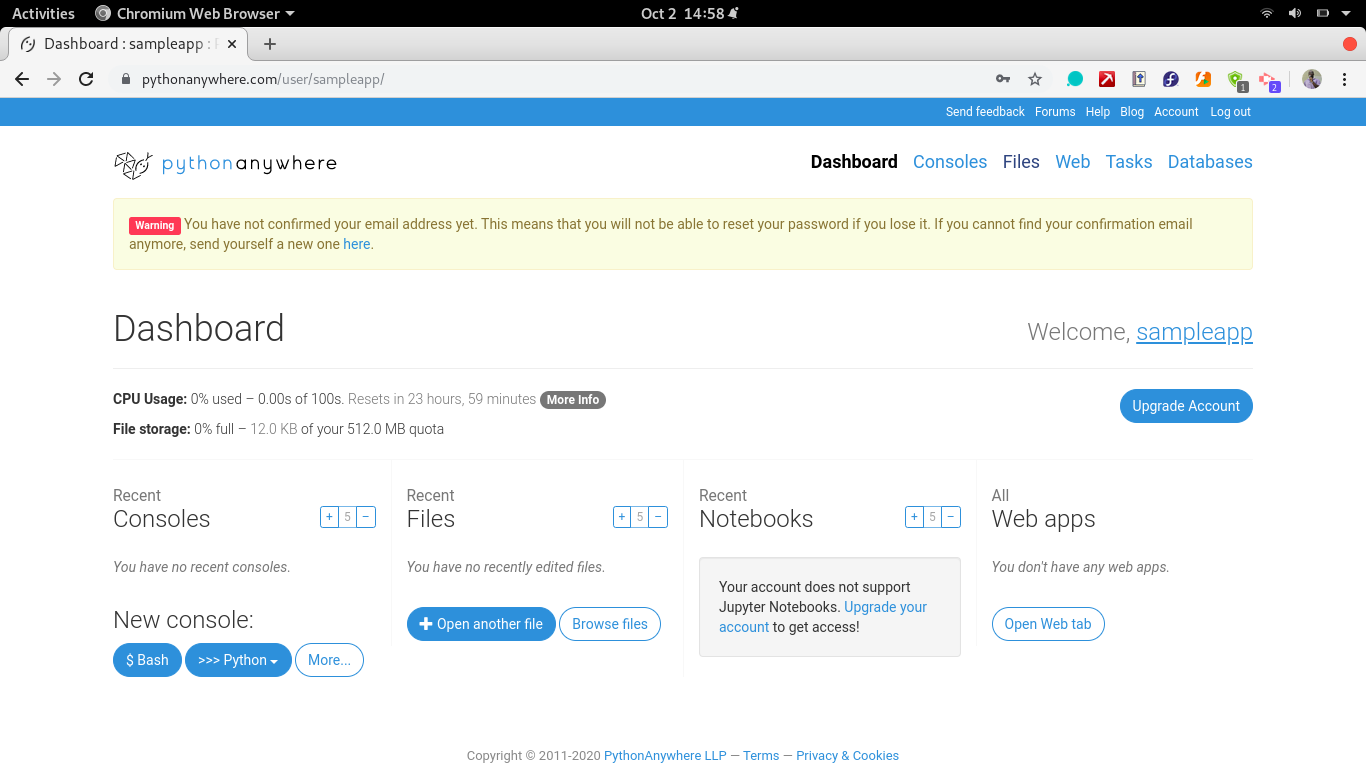
PythonAnywhere is a cloud-based platform designed specifically for Python developers, making it an excellent choice for hosting Django applications. It offers a beginner-friendly environment with pre-installed Python packages, including Django, which simplifies the setup process. PythonAnywhere is ideal for developers who want a hassle-free hosting solution without dealing with complex server configurations. The platform also provides a built-in console, scheduler, and database support, allowing you to manage your Django app efficiently. Whether you’re a hobbyist or a professional, PythonAnywhere’s intuitive interface and affordable pricing make it a great starting point for Django projects.
- Pre-Installed Django: Comes with Django and other Python packages pre-installed, saving you time on setup.
- Built-In Console: Access a fully functional console directly in your browser for running commands and managing your app.
- Database Support: Supports MySQL and PostgreSQL, with easy integration for Django models.
- Scheduled Tasks: Automate tasks like backups or data processing with built-in cron-like scheduling.
- Affordable Pricing: Offers a free tier with paid plans starting at just $5/month for more resources.
2. Heroku

Heroku is a popular Platform-as-a-Service (PaaS) that simplifies deploying and scaling Django applications. It’s known for its ease of use, allowing developers to deploy apps with just a few commands using Git. Heroku supports a wide range of programming languages, including Python, and offers seamless integration with PostgreSQL, which is a great fit for Django. The platform also provides add-ons for monitoring, logging, and performance optimization, making it a robust choice for both small projects and large-scale applications. While Heroku’s free tier has become more limited, its paid plans offer excellent scalability and reliability for growing apps.
- Git-Based Deployment: Deploy your Django app directly from your Git repository with minimal setup.
- PostgreSQL Integration: Built-in support for PostgreSQL, which is highly compatible with Django.
- Add-Ons Marketplace: Access a wide range of third-party services for monitoring, caching, and more.
- Scalability: Easily scale your app horizontally or vertically as your traffic grows.
- Free Tier: Offers a free tier with limited resources, ideal for testing and small projects.
3. DigitalOcean App Platform

DigitalOcean App Platform is a fully managed platform that simplifies deploying Django applications without the need for server management. It supports automatic deployments from GitHub, GitLab, or Bitbucket, making it easy to set up continuous integration and delivery. The platform also includes built-in scaling, load balancing, and SSL certificates, ensuring your Django app runs smoothly and securely. DigitalOcean is known for its transparent pricing and developer-friendly approach, making it a great choice for startups and small businesses. With its intuitive dashboard, you can monitor performance and manage your app with ease.
- Automatic Deployments: Deploy directly from your Git repository with automatic updates on code changes.
- Built-In Scaling: Scale your app vertically or horizontally with just a few clicks.
- SSL Certificates: Free SSL certificates for secure HTTPS connections.
- Load Balancing: Distribute traffic across multiple instances to improve performance and reliability.
- Transparent Pricing: Pay-as-you-go pricing with no hidden fees, starting at $5/month.
4. AWS Elastic Beanstalk
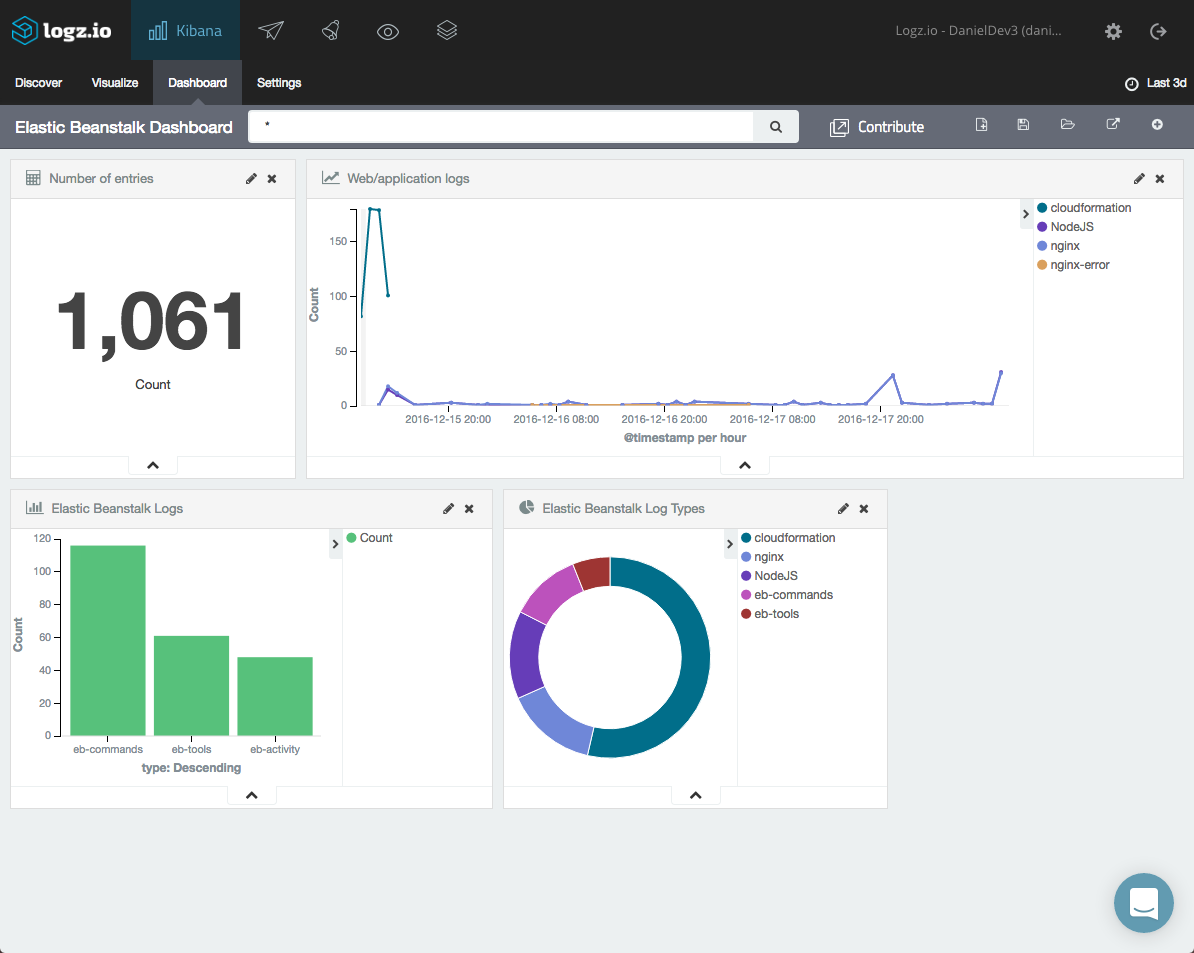
AWS Elastic Beanstalk is a fully managed service that makes it easy to deploy and scale Django applications on Amazon Web Services (AWS). It handles the infrastructure details, such as load balancing, scaling, and monitoring, so you can focus on writing code. Elastic Beanstalk supports multiple programming languages, including Python, and integrates seamlessly with other AWS services like RDS for databases and S3 for storage. While AWS can be complex for beginners, Elastic Beanstalk simplifies the process with its automated deployment and management features. It’s an excellent choice for developers who need a scalable and reliable hosting solution for their Django apps.
- Fully Managed: Handles infrastructure management, including scaling, load balancing, and monitoring.
- AWS Integration: Seamlessly integrates with other AWS services like RDS, S3, and CloudFront.
- Multi-Language Support: Supports Python, Node.js, Java, and other languages for versatile hosting.
- Automatic Scaling: Automatically scales your app based on traffic and resource usage.
- Pay-As-You-Go Pricing: Pay only for the AWS resources you use, with no upfront costs.
5. Google App Engine
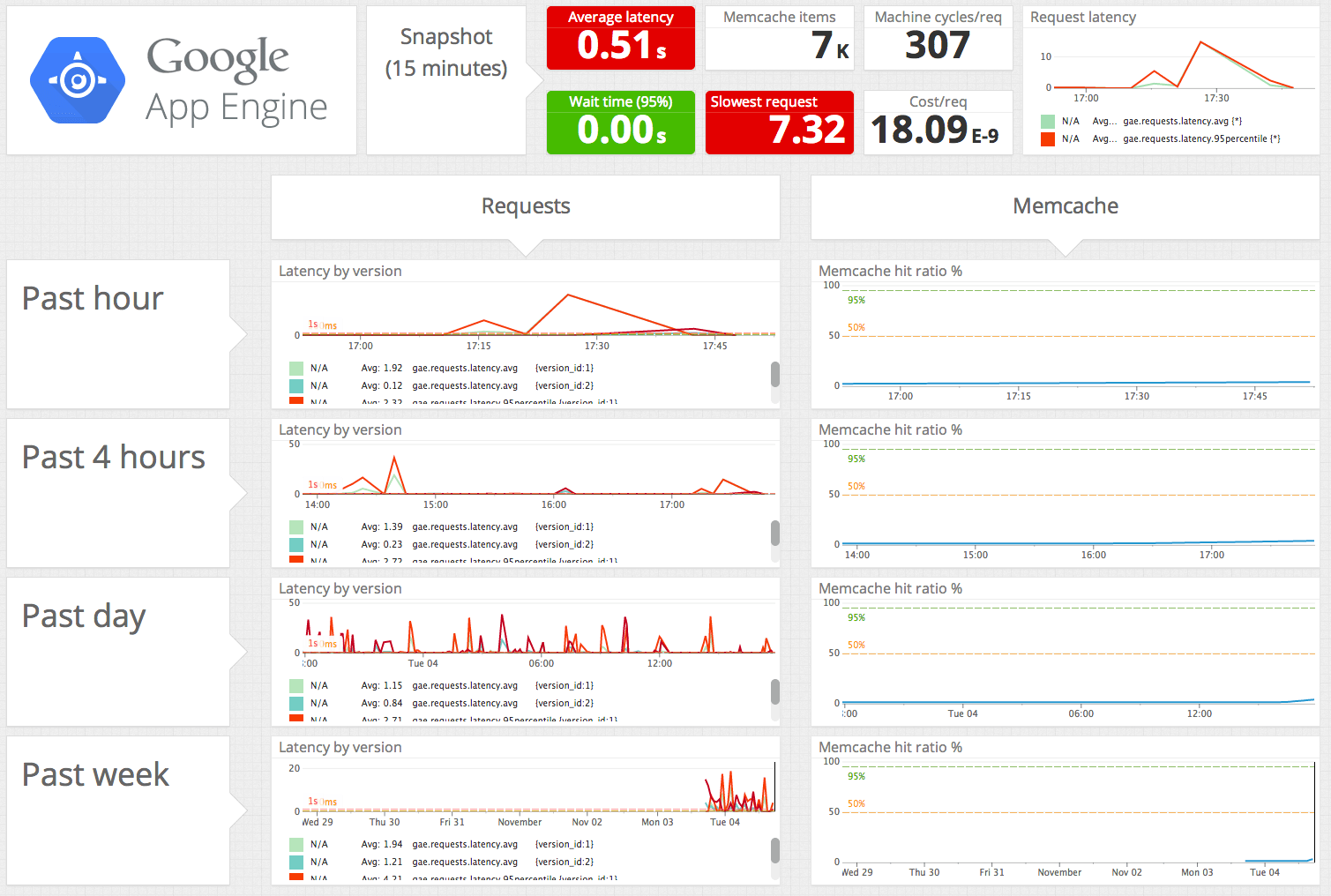
Google App Engine is a fully managed serverless platform that allows you to deploy Django applications without worrying about infrastructure. It automatically scales your app based on traffic and provides built-in services like databases, caching, and logging. App Engine supports Python and integrates well with other Google Cloud services, making it a powerful choice for developers who want a scalable and reliable hosting solution. While it has a learning curve, its robust features and global infrastructure make it ideal for high-traffic Django applications. Google App Engine also offers a free tier, which is great for testing and small projects.
- Serverless Architecture: No need to manage servers; Google handles infrastructure automatically.
- Automatic Scaling: Scales your app seamlessly based on traffic demands.
- Built-In Services: Includes databases, caching, and logging for a complete hosting solution.
- Google Cloud Integration: Works seamlessly with other Google Cloud services like Cloud SQL and Cloud Storage.
- Free Tier: Offers a free tier with limited resources for testing and small projects.
6. Linode
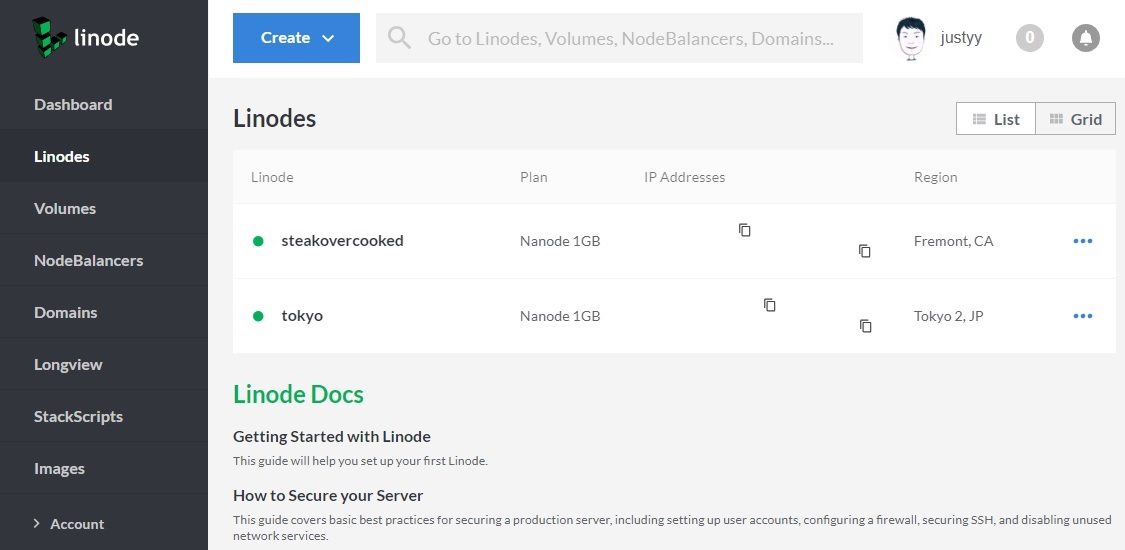
Linode is a cloud hosting provider that offers flexible and affordable virtual private servers (VPS) for hosting Django applications. It provides full root access, allowing you to configure your server exactly how you need it. Linode supports a wide range of Linux distributions and offers one-click apps for Django, making it easy to get started. The platform is known for its high performance, reliability, and excellent customer support. With Linode, you have full control over your server, making it a great choice for developers who need flexibility and customization. Its transparent pricing and scalable plans make it suitable for both small and large projects.
- Full Root Access: Complete control over your server for custom configurations.
- One-Click Apps: Deploy Django with just one click using pre-configured apps.
- High Performance: Fast SSD storage and powerful CPUs for optimal performance.
- Scalable Plans: Easily upgrade your server resources as your app grows.
- Transparent Pricing: Affordable plans starting at $5/month with no hidden fees.
7. Vultr
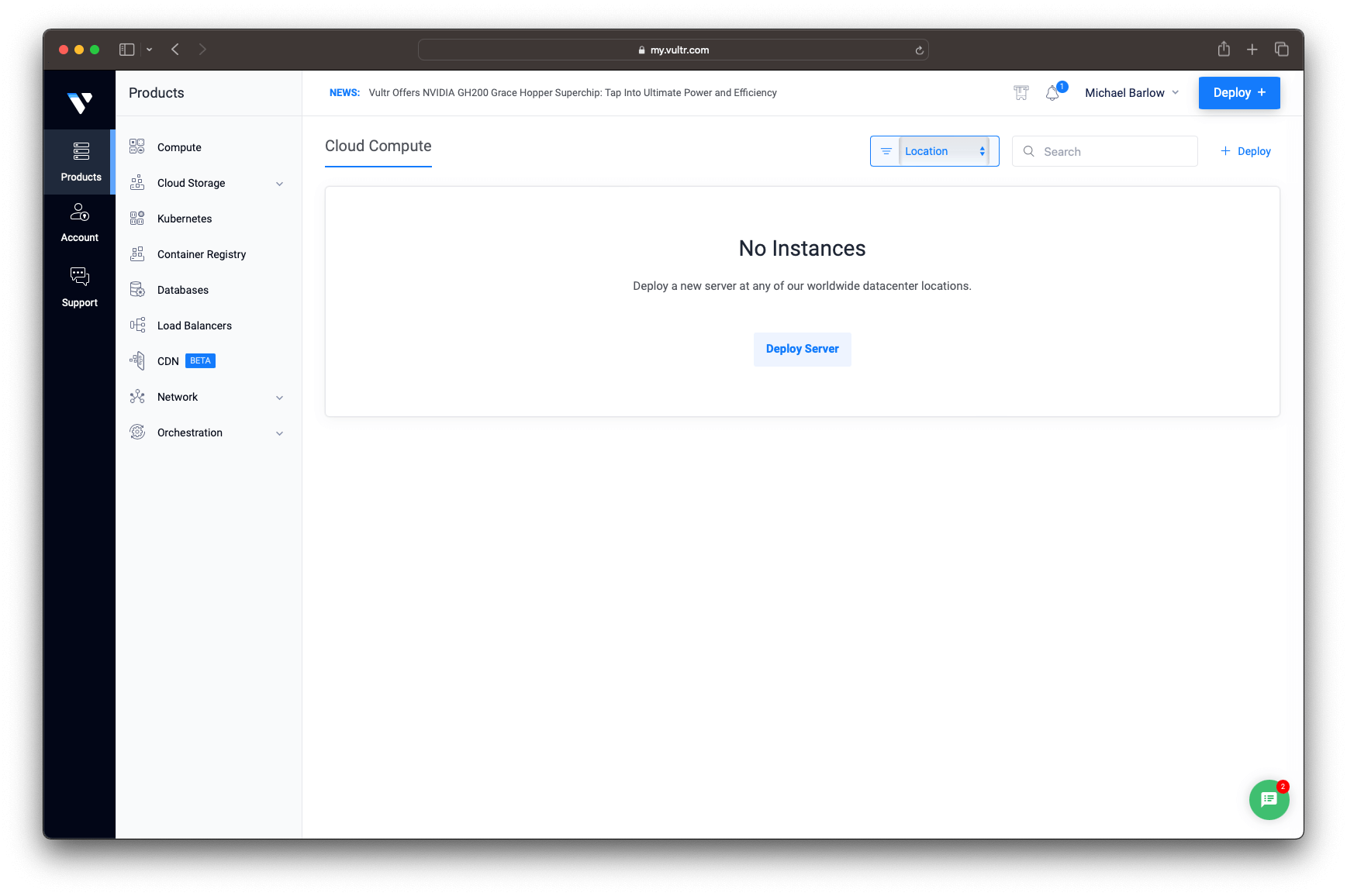
Vultr is a cloud hosting provider that offers high-performance virtual private servers (VPS) for hosting Django applications. It provides a wide range of server locations worldwide, ensuring low latency and fast load times for your users. Vultr supports one-click deployments for Django and other popular applications, making it easy to get started. The platform is known for its simplicity, affordability, and reliability, making it a great choice for developers who need a flexible and scalable hosting solution. With Vultr, you have full control over your server, allowing you to customize it to meet your specific needs.
- Global Server Locations: Choose from multiple data centers worldwide for low-latency hosting.
- One-Click Deployments: Deploy Django and other apps with just one click.
- High Performance: Fast SSD storage and powerful CPUs for optimal performance.
- Scalable Plans: Easily upgrade your server resources as your app grows.
- Affordable Pricing: Plans start at just $2.50/month for basic hosting needs.
8. Railway
Railway is a modern cloud platform that simplifies deploying and scaling Django applications. It offers a user-friendly interface and supports automatic deployments from GitHub, making it easy to set up continuous integration and delivery. Railway provides built-in databases, caching, and monitoring, allowing you to manage your Django app efficiently. The platform is designed for developers who want a hassle-free hosting solution without sacrificing flexibility. With its transparent pricing and scalable plans, Railway is a great choice for both small projects and large-scale applications. It also offers a generous free tier, making it ideal for testing and development.
- Automatic Deployments: Deploy directly from your GitHub repository with automatic updates.
- Built-In Databases: Supports PostgreSQL, MySQL, and Redis for easy database integration.
- Scalable Plans: Easily scale your app vertically or horizontally as needed.
- Monitoring and Logging: Built-in tools for monitoring performance and debugging issues.
- Free Tier: Offers a free tier with limited resources for testing and small projects.
9. Render
Render is a cloud platform that simplifies deploying and scaling Django applications. It offers a fully managed environment with automatic deployments from GitHub or GitLab, making it easy to set up continuous integration and delivery. Render provides built-in databases, caching, and SSL certificates, ensuring your Django app runs securely and efficiently. The platform is designed for developers who want a hassle-free hosting solution with minimal setup. With its transparent pricing and scalable plans, Render is a great choice for both small projects and large-scale applications. It also offers a free tier, making it ideal for testing and development.
- Automatic Deployments: Deploy directly from your Git repository with automatic updates.
- Built-In Databases: Supports PostgreSQL and Redis for easy database integration.
- SSL Certificates: Free SSL certificates for secure HTTPS connections.
- Scalable Plans: Easily scale your app vertically or horizontally as needed.
- Free Tier: Offers a free tier with limited resources for testing and small projects.
10. A2 Hosting
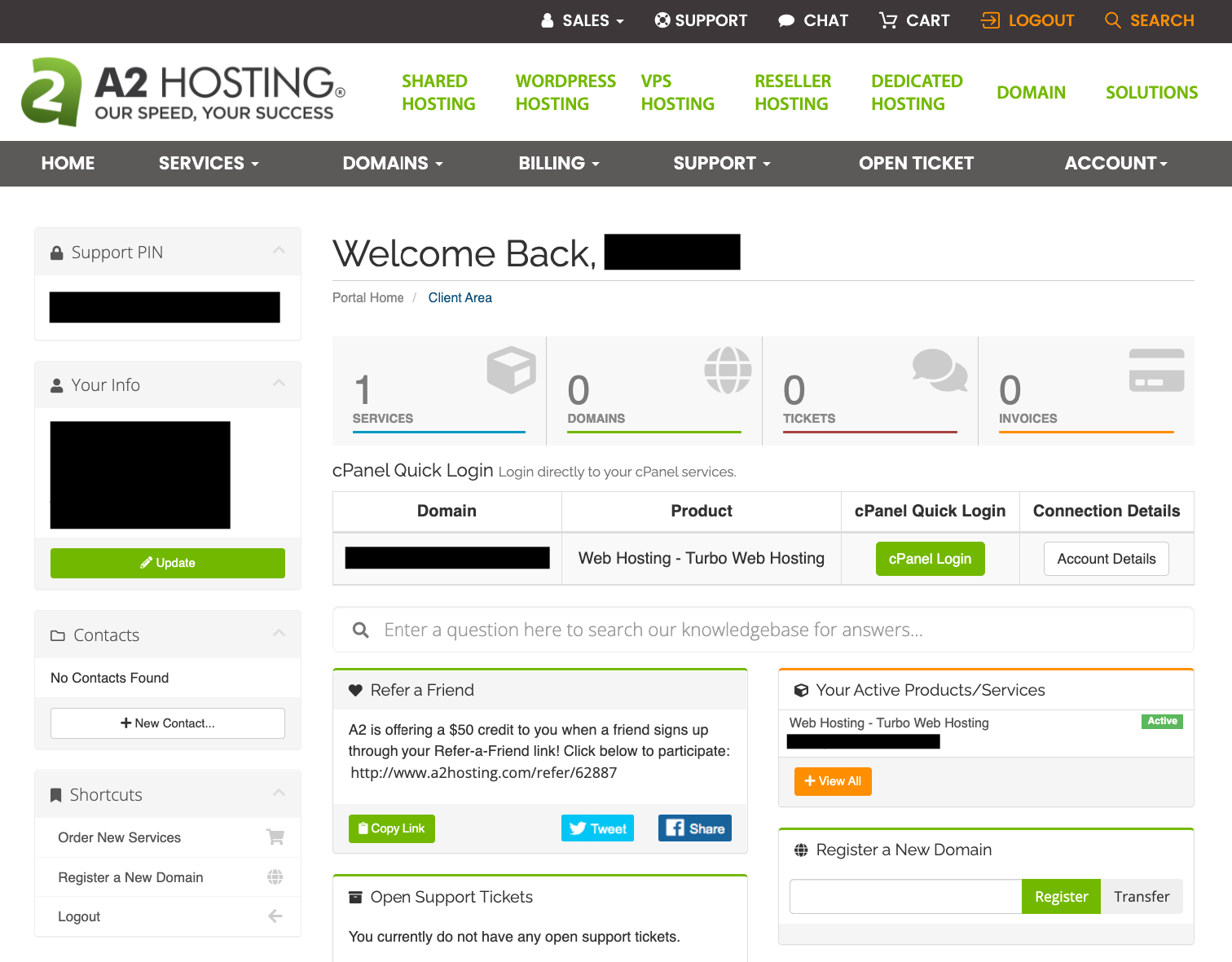
A2 Hosting is a web hosting provider that offers optimized hosting solutions for Django applications. It provides shared hosting, VPS, and dedicated server options, allowing you to choose the best fit for your project. A2 Hosting is known for its high performance, with Turbo Servers that offer up to 20x faster speeds. The platform also includes free SSL certificates, automatic backups, and a user-friendly control panel for managing your Django app. With its developer-friendly features and excellent customer support, A2 Hosting is a great choice for both beginners and experienced developers. Its affordable pricing and scalable plans make it suitable for projects of all sizes.
- Turbo Servers: High-performance servers that offer up to 20x faster speeds.
- Free SSL Certificates: Secure your Django app with free SSL certificates.
- Automatic Backups: Automatically back up your app to prevent data loss.
- Developer-Friendly: Supports Python, Django, and other popular frameworks.
- Affordable Pricing: Plans start at just $2.99/month for basic hosting needs.
Frequently Asked Questions
What is the best hosting for Django for beginners?
For beginners, PythonAnywhere and Heroku are excellent choices because they offer easy setup, pre-installed Python packages, and user-friendly interfaces. PythonAnywhere is particularly beginner-friendly with its built-in console and affordable pricing, while Heroku simplifies deployment with Git-based workflows and a free tier for small projects.
Is free hosting suitable for Django applications?
Free hosting can be suitable for small Django projects, testing, or development purposes. Platforms like PythonAnywhere, Heroku, and Railway offer free tiers with limited resources. However, for production applications with higher traffic or more complex requirements, it’s recommended to upgrade to a paid plan for better performance, reliability, and support.
What are the key features to look for in a Django hosting provider?
When choosing a hosting provider for Django, look for features like pre-installed Python and Django packages, support for PostgreSQL or MySQL databases, automatic deployments, scalability, SSL certificates, and monitoring tools. Additionally, consider the provider’s pricing, ease of use, and customer support to ensure it meets your project’s needs.
Can I host a Django app on shared hosting?
Yes, you can host a Django app on shared hosting, but it’s not always the best option. Shared hosting environments often have limitations on server resources, customization, and performance. If you choose shared hosting, look for providers like A2 Hosting that offer optimized solutions for Django. For better performance and flexibility, consider VPS or cloud hosting options like DigitalOcean or Linode.
How do I deploy a Django app to a hosting provider?
Deploying a Django app typically involves a few key steps: 1) Set up your hosting environment with Python and Django. 2) Configure your database and static files. 3) Use Git to push your code to the hosting provider (e.g., Heroku, DigitalOcean, or Railway). 4) Run migrations and collect static files. 5) Configure your web server (e.g., Gunicorn or uWSGI) and domain settings. Many hosting providers offer detailed guides or one-click deployments to simplify the process.
What is the difference between PaaS and VPS for hosting Django?
Platform-as-a-Service (PaaS) providers like Heroku, Google App Engine, and Railway handle infrastructure management for you, making it easy to deploy and scale your Django app without worrying about servers. Virtual Private Servers (VPS) like Linode or Vultr give you full control over your server but require more setup and maintenance. PaaS is ideal for developers who want a hassle-free experience, while VPS is better for those who need customization and flexibility.
Which hosting provider offers the best scalability for Django apps?
For scalability, AWS Elastic Beanstalk, Google App Engine, and DigitalOcean App Platform are excellent choices. These platforms offer automatic scaling, load balancing, and integration with other cloud services, making them ideal for high-traffic Django applications. Heroku and Railway also provide scalable solutions with easy-to-use interfaces, making them great options for growing apps.