
best virtual private server provider


Choosing the right virtual private server (VPS) provider can make a huge difference in how reliable, secure, and efficient your hosting experience is. A VPS gives you dedicated resources, control over your environment, and scalability that shared hosting just can’t match. The problem is, not all VPS providers are created equal. Some prioritize speed and performance but sacrifice support, while others focus on security at the expense of performance. If you’re serious about hosting—whether for a business website, a developer’s workstation, or a high-traffic application—you need a provider that delivers consistent uptime, strong security features, and responsive customer service.
The right VPS setup can also impact your bottom line. Some providers charge extra for features like dedicated IPs, automatic backups, or advanced security tools, which can add up quickly if you’re not careful. Others bundle these services into their base pricing, making them a better value for long-term use. The key is balancing cost with what you actually need, so you’re not overpaying for features you won’t use. And since VPS hosting often involves technical details like CPU allocation, storage options, and network performance, the provider’s technical support can be just as important as the hardware itself.
Below is a list of the best options for a virtual private server provider.
📋 Table of Contents
1. Linode
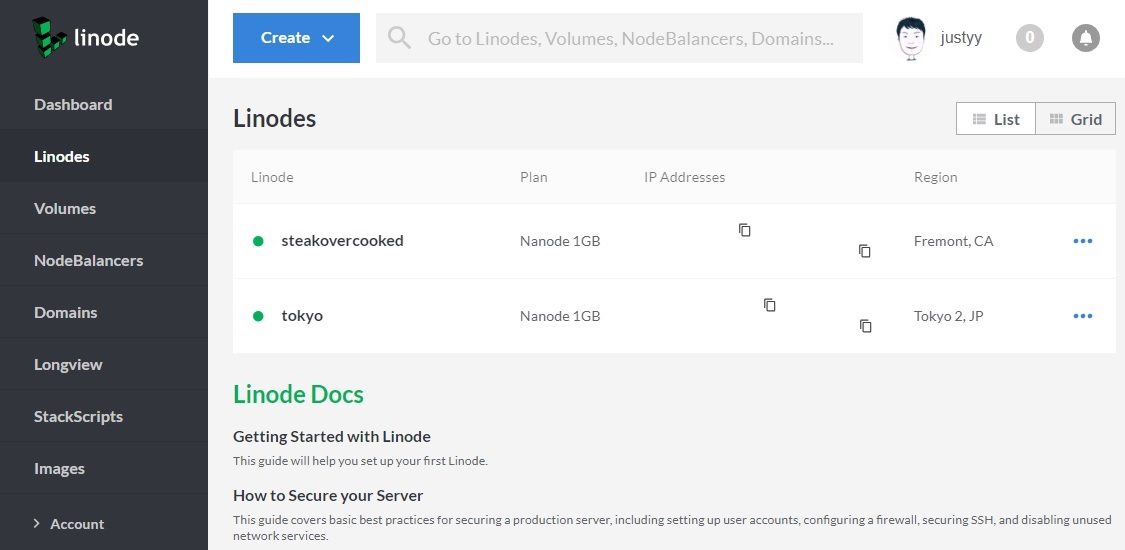
Linode is a leading virtual private server (VPS) provider known for its simplicity and reliability. Ideal for developers and small businesses needing a straightforward way to manage their servers, Linode offers a user-friendly control panel and a strong reputation for performance. Its focus on ease of use makes it a favorite among those who want to avoid complex server configurations without sacrificing control. Linode’s infrastructure is built on top-tier hardware, ensuring consistent uptime and fast performance for applications like web hosting, databases, and even high-traffic websites.
- Simplified Management: Linode’s intuitive dashboard allows users to provision, manage, and monitor servers with minimal technical expertise.
- High Performance: Offers SSD-based storage and dedicated CPU cores, delivering speed and reliability for most workloads.
- Global Network: Servers are hosted in multiple data centers across the U.S., Europe, and Asia, ensuring low latency for global users.
- 24/7 Support: Provides round-the-clock technical support via live chat, email, and a comprehensive knowledge base.
- Scalability: Users can easily upgrade resources or switch to dedicated servers as their needs grow.
2. DigitalOcean
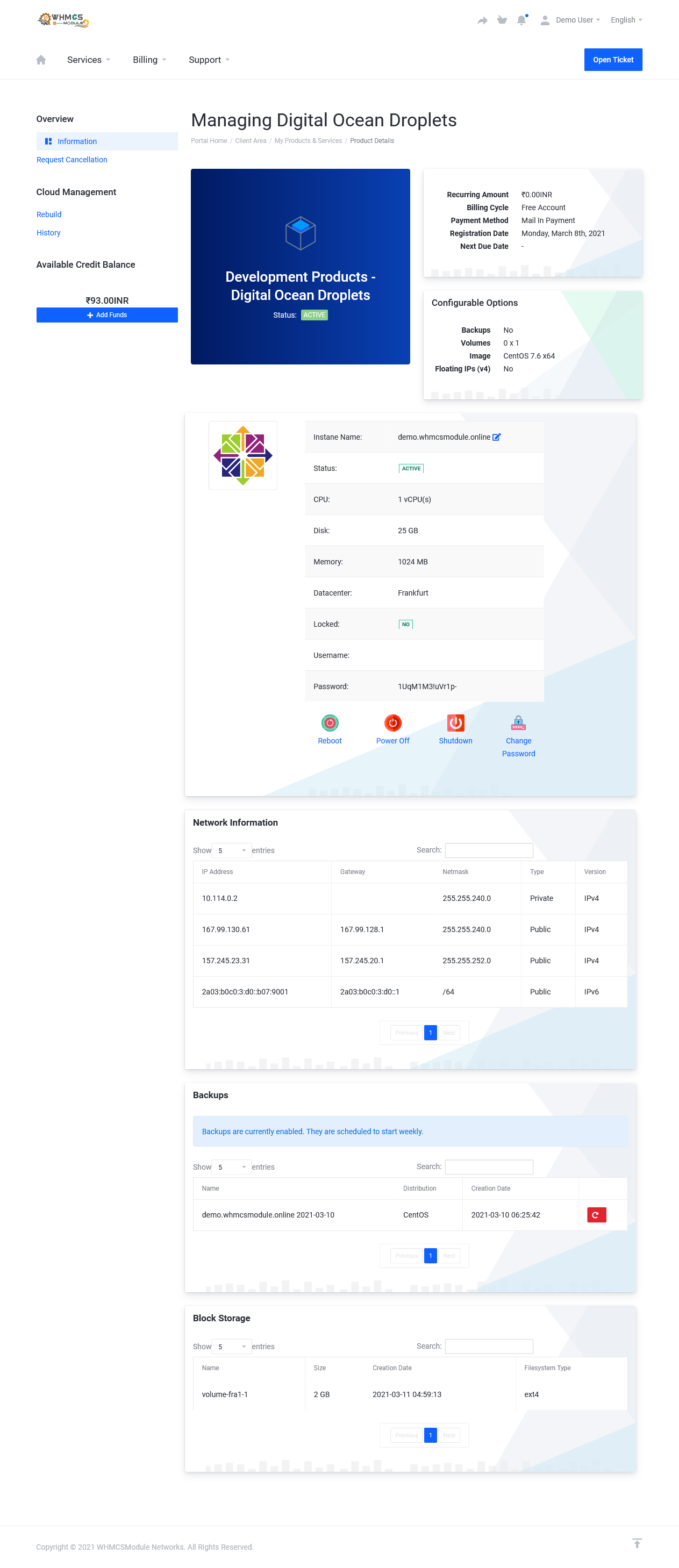
DigitalOcean is a top-tier VPS provider that excels in developer-friendly tools and cost-effective pricing. Perfect for developers, startups, and small businesses, it simplifies server management with a focus on automation and ease of deployment. The platform’s block storage and object storage options further enhance flexibility for dynamic workloads. DigitalOcean’s reputation for reliability and developer support makes it a go-to choice for those who want a hassle-free hosting experience.
- Developer Tools: Integrates with popular DevOps tools like Docker, Kubernetes, and Ansible for seamless automation.
- Simple Pricing: Affordable plans starting at $4/month, with no hidden fees or complex billing structures.
- Block & Object Storage: Offers dedicated block storage for databases and object storage for media files and backups.
- Global Data Centers: Servers are deployed in multiple regions, including the U.S., Europe, and Asia, for low-latency access.
- Free Resources: Provides free tutorials, documentation, and a community forum for learning and troubleshooting.
3. Vultr

Vultr is a modern VPS provider known for its speed, simplicity, and global reach. Ideal for developers, businesses, and those needing fast server deployments, Vultr’s infrastructure is built on high-performance hardware and offers instant provisioning. Its user-friendly interface and transparent pricing make it a standout choice for users who prioritize speed and reliability without sacrificing control. Vultr’s focus on low-latency networking ensures smooth performance for applications requiring minimal delay.
- Instant Provisioning: Servers can be deployed in seconds, with no waiting periods for provisioning.
- Global Network: Hosts servers in 100+ data centers across the U.S., Europe, Asia, and more.
- High Performance: Uses NVMe SSDs and dedicated CPU cores for blazing-fast performance.
- Transparent Pricing: No hidden fees; pricing is straightforward and competitive.
- Advanced Security: Offers features like DDoS protection, IP whitelisting, and SSL certificates.
4. AWS Lightsail
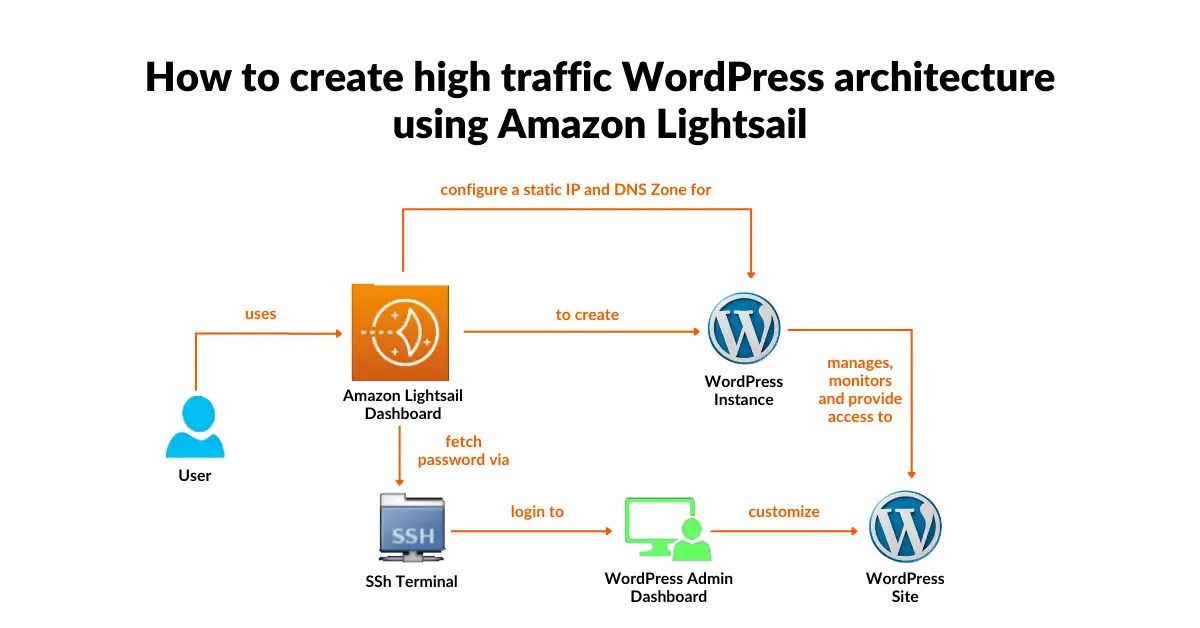
AWS Lightsail is a simplified virtual private server offering from Amazon Web Services (AWS). Designed for small businesses, developers, and startups, it provides a straightforward way to launch and manage VPS instances without the complexity of full AWS services. While not as customizable as standalone VPS providers, Lightsail offers reliable performance, robust security features, and seamless integration with AWS’s broader ecosystem. It’s particularly useful for those who want AWS’s reliability without the steep learning curve.
- AWS Integration: Seamlessly integrates with other AWS services like S3, RDS, and CloudFront.
- Simple Pricing: Affordable plans with predictable pricing, no surprises.
- Automatic Backups: Offers daily automated backups with point-in-time recovery options.
- Global Reach: Servers are deployed in AWS’s global network of data centers.
- Easy Management: User-friendly interface with one-click scaling and monitoring tools.
5. Hetzner Cloud
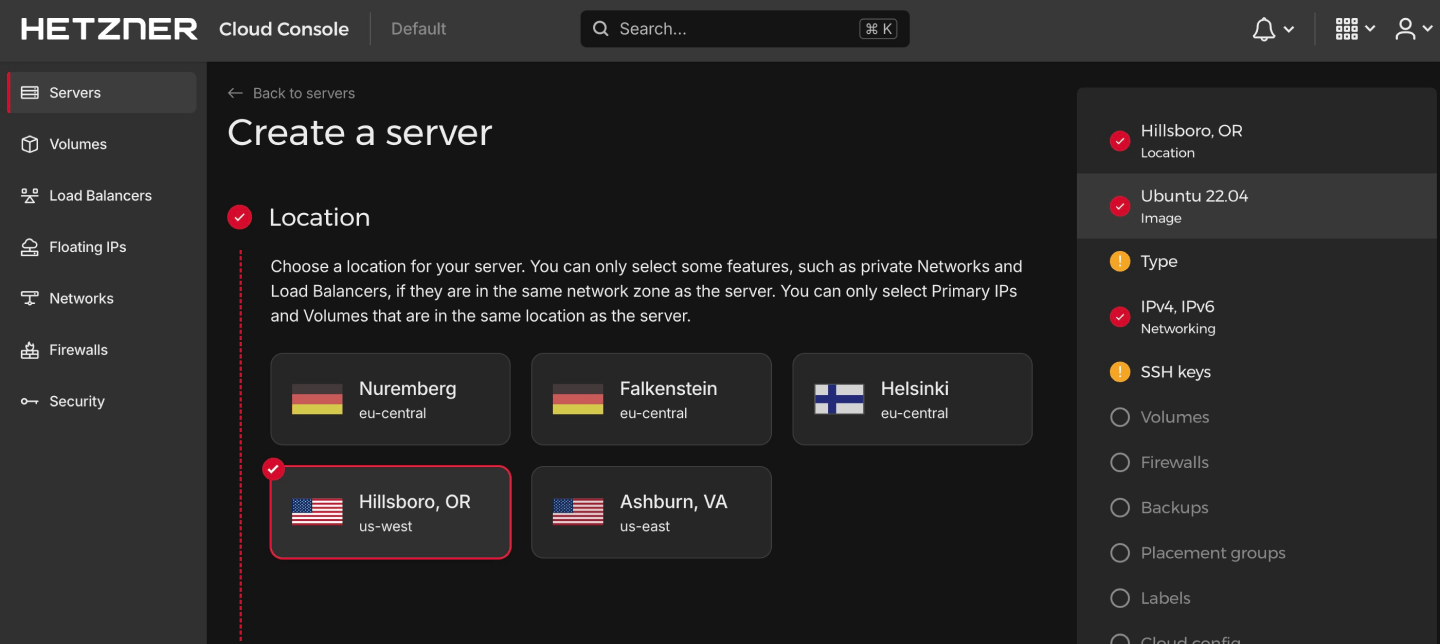
Hetzner Cloud is a European-based VPS provider known for its competitive pricing, reliability, and strong performance. Ideal for European businesses, developers, and those prioritizing data privacy, Hetzner offers a straightforward hosting experience with a focus on cost efficiency. Its infrastructure is built on high-speed hardware and supports a wide range of use cases, from simple web hosting to complex applications. The provider’s commitment to transparency and customer support makes it a trusted choice for those seeking a budget-friendly yet reliable VPS solution.
- Low-Cost Pricing: One of the most affordable VPS providers, with plans starting at just $3.50/month.
- High Performance: Uses SSD storage and dedicated CPU cores for fast and stable performance.
- Global Data Centers: Hosts servers in multiple European locations, ensuring low latency for European users.
- Free Backups: Offers automated daily backups with easy restore options.
- 24/7 Support: Provides round-the-clock technical support via phone, email, and live chat.
6. Scaleway
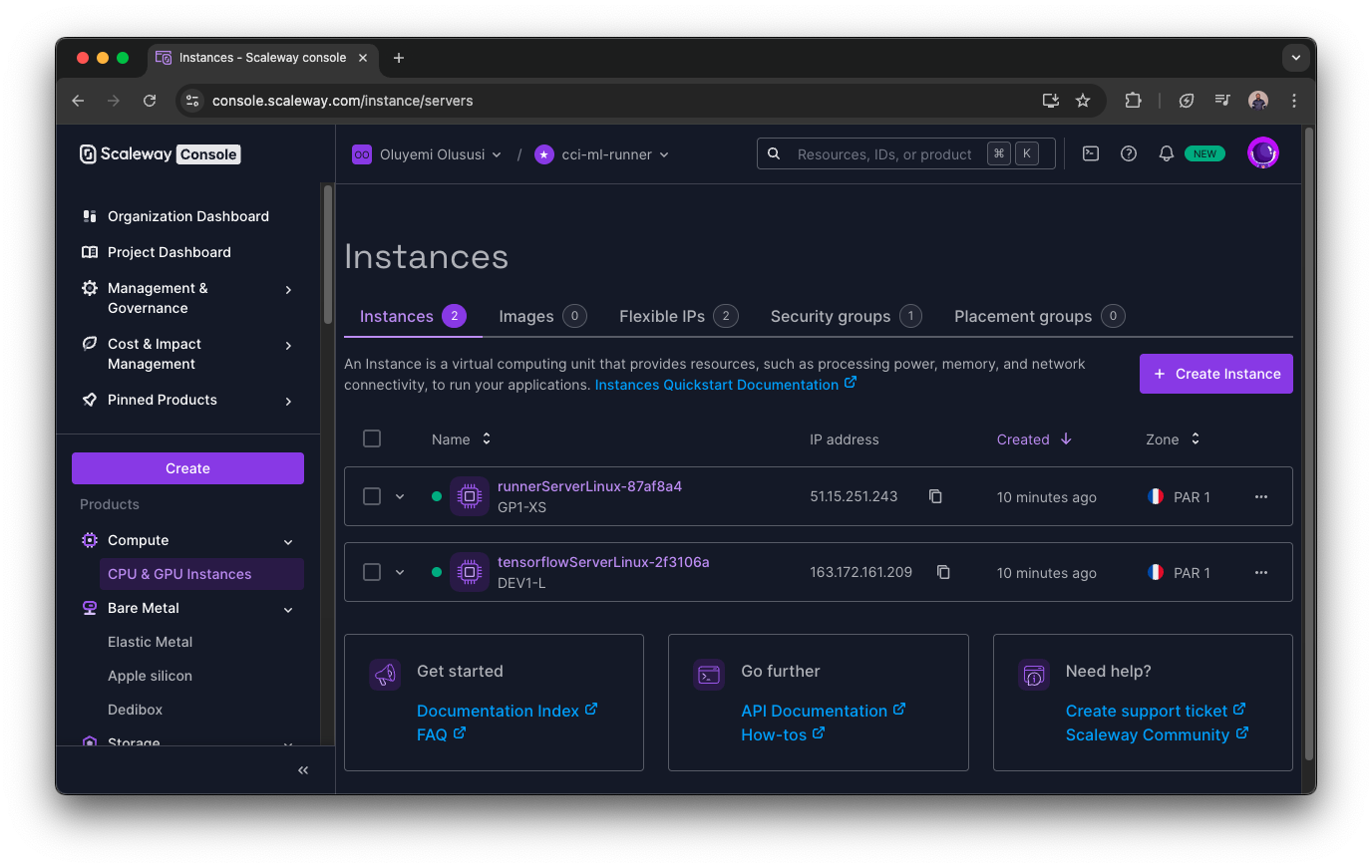
Scaleway is a French-based VPS provider that combines simplicity with advanced features. Perfect for developers, startups, and businesses needing flexibility, Scaleway offers a range of hosting solutions, from basic VPS instances to more complex cloud computing options. Its user-friendly interface and global infrastructure make it a great choice for those who want a balance between ease of use and powerful capabilities. Scaleway’s focus on innovation and reliability ensures a smooth hosting experience for a wide variety of applications.
- Flexible Hosting: Supports VPS, containers, and serverless computing, offering versatility for different needs.
- Global Network: Servers are deployed in multiple regions, including Europe, the U.S., and Asia.
- High Performance: Uses NVMe SSDs and dedicated CPU cores for fast and reliable performance.
- Automated Backups: Offers daily automated backups with easy recovery options.
- Developer-Friendly: Provides tools like Docker support and a comprehensive API for automation.
7. InfinityFree
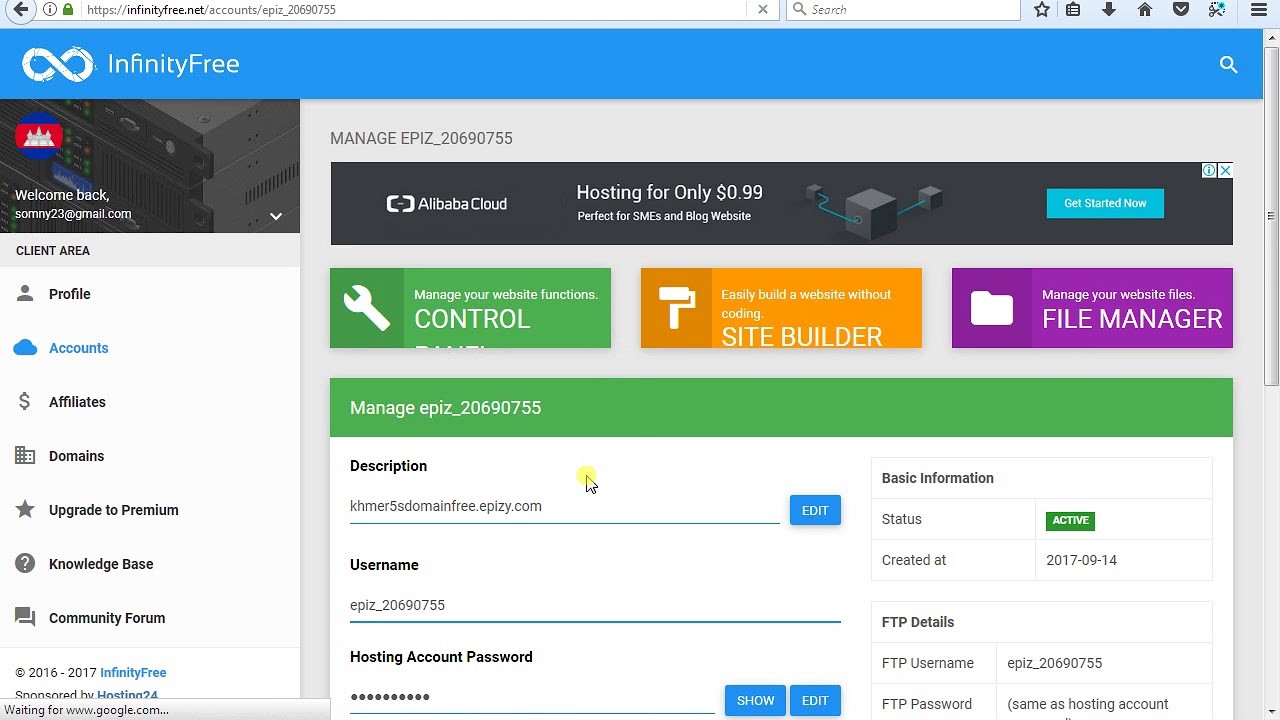
InfinityFree is a free VPS provider designed for developers, students, and small businesses on a tight budget. While it may not offer the same level of performance or support as paid providers, it’s an excellent option for those who need a low-cost way to learn server management or host a simple website. InfinityFree’s infrastructure is shared, which means performance can vary depending on usage, but it’s a great starting point for beginners. Keep in mind that free plans come with limitations, such as limited storage and bandwidth, so it’s best suited for low-traffic projects.
- Free Hosting: Offers free VPS instances with no upfront costs or hidden fees.
- Educational Focus: Ideal for learning server management and web development basics.
- Shared Resources: Uses shared infrastructure, which can impact performance during peak times.
- Basic Features: Provides essential tools like SSH access, cPanel, and a control panel.
- Limited Bandwidth: Free plans include restricted bandwidth, suitable for low-traffic sites.
8. Hostinger VPS

Hostinger VPS is a budget-friendly option from the popular Hostinger hosting provider. Designed for small businesses, developers, and those looking to upgrade from shared hosting, Hostinger VPS offers a straightforward way to manage a dedicated virtual server. While it may not be as powerful as some competitors, it provides a cost-effective solution with a user-friendly interface. Hostinger’s focus on affordability makes it a great choice for those who want reliable VPS hosting without breaking the bank.
- Affordable Pricing: Offers competitive pricing starting at $4/month for basic VPS plans.
- User-Friendly Interface: Provides a simple control panel for easy server management.
- Dedicated Resources: Allows users to allocate specific CPU, RAM, and storage resources.
- Free SSL Certificates: Includes free SSL certificates for secure website hosting.
- 24/7 Support: Offers technical support via live chat, email, and a help center.
9. OVHcloud

OVHcloud is a European-based VPS provider known for its transparency, reliability, and advanced features. Ideal for businesses, developers, and enterprises needing a robust hosting solution, OVHcloud offers a wide range of VPS options, from basic instances to high-performance dedicated servers. Its infrastructure is built on high-speed hardware and supports a variety of use cases, including web hosting, databases, and cloud computing. OVHcloud’s commitment to customer satisfaction and technical excellence makes it a top choice for those seeking a reliable and feature-rich VPS provider.
- Global Data Centers: Hosts servers in multiple European locations, including France, Germany, and the Netherlands.
- High Performance: Uses SSD storage and dedicated CPU cores for fast and reliable performance.
- Advanced Security: Offers features like DDoS protection, IP whitelisting, and regular security audits.
- Transparent Pricing: Provides clear and upfront pricing with no hidden fees.
- Enterprise-Grade Support: Offers 24/7 technical support with a focus on customer satisfaction.
10. Cloudways
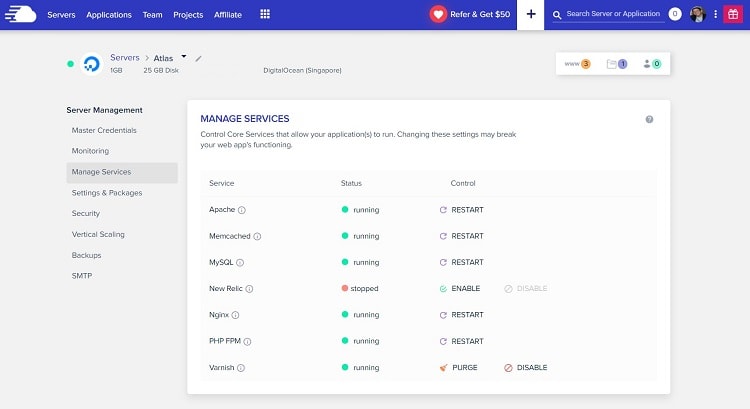
Cloudways is a managed VPS provider that offers a seamless hosting experience for developers and businesses. Unlike traditional VPS providers, Cloudways abstracts the complexity of server management, allowing users to focus on their applications. It supports multiple cloud providers, including AWS, DigitalOcean, Vultr, and Linode, providing flexibility and scalability. Cloudways is ideal for those who want a hassle-free way to manage their VPS instances while still benefiting from high performance and advanced features.
- Managed Hosting: Offers fully managed VPS services with automatic backups and security updates.
- Multi-Cloud Support: Integrates with AWS, DigitalOcean, Vultr, and Linode for flexibility.
- High Performance: Uses high-end hardware and optimizes resources for fast performance.
- Easy Scaling: Allows users to scale resources up or down with ease.
- Advanced Monitoring: Provides real-time monitoring and alerting for performance issues.
Frequently Asked Questions
What factors should I consider when choosing a VPS provider?
When selecting a VPS provider, consider factors like pricing, performance, global data center locations, ease of use, and customer support. Ensure the provider offers the resources and features you need for your specific use case, whether it’s web hosting, databases, or application servers. Performance and reliability are also critical, so look for providers with a strong reputation for uptime and fast response times.
How do I know if a VPS is right for me?
A VPS is ideal if you need more control over your server environment than shared hosting provides, or if you require dedicated resources for your applications. It’s also a good choice if you’re managing multiple websites, running complex applications, or need to scale your infrastructure as your business grows. For beginners, a VPS can be a great learning tool to understand server management.
What are the best uses for a VPS?
VPS hosting is versatile and can be used for a variety of purposes, including web hosting, running a personal blog, hosting a business website, deploying applications, managing databases, and even running a home server. It’s particularly useful for developers who need a dedicated environment to test and deploy applications without relying on shared resources.
How do I set up a VPS for the first time?
Setting up a VPS typically involves provisioning a server, installing an operating system, and configuring essential services like a web server (e.g., Apache or Nginx) and a database (e.g., MySQL or PostgreSQL). Most providers offer a control panel or CLI tools to simplify this process. Follow the provider’s documentation or tutorials to ensure a smooth setup. Once configured, you can install your applications and customize the server to meet your needs.
What should I look for in a VPS provider’s support?
Look for a VPS provider that offers responsive and knowledgeable support. Ideally, they should provide multiple channels for support, such as live chat, email, and phone. A good support team can help resolve issues quickly and assist with troubleshooting. Additionally, check if they offer 24/7 support, especially if you’re running critical applications that require constant monitoring.
Can I migrate my existing website to a VPS?
Yes, you can migrate your existing website to a VPS, but the process may require some technical knowledge. Most providers offer migration tools or services to simplify the transfer. Alternatively, you can manually back up your website, transfer the files to your VPS, and reinstall your software. Ensure you test the migration thoroughly to avoid downtime or data loss.
How do I optimize my VPS for performance?
To optimize your VPS for performance, start by ensuring your server has adequate resources, such as CPU, RAM, and storage. Regularly update your operating system and software to patch vulnerabilities and improve efficiency. Use caching mechanisms like Redis or Memcached to speed up dynamic content. Monitor your server’s performance and adjust resources as needed to prevent bottlenecks. Additionally, consider using a content delivery network (CDN) to distribute your content globally and reduce latency.

