
best cloud hosting services


Cloud hosting has become essential for businesses and individuals who need reliable, scalable, and flexible web infrastructure. Unlike traditional hosting, cloud solutions distribute resources across multiple servers, ensuring better performance, security, and cost-efficiency. Whether you’re running a small website, hosting an e-commerce platform, or managing a complex application, the right cloud provider can make a significant difference in uptime, speed, and long-term growth.
With so many options available, choosing the best cloud hosting service depends on your specific needs—whether that’s budget constraints, technical expertise, or performance requirements. Some providers excel in ease of use, while others offer advanced features like AI-driven automation or specialized hardware. The right choice can streamline operations, reduce downtime, and even cut costs over time. Below, I’ve assembled a list below of the best options for cloud hosting services.
📋 Table of Contents
1. AWS (Amazon Web Services)

AWS is the market leader in cloud hosting, offering a vast array of services tailored for businesses of all sizes. It provides scalable infrastructure, robust security, and a global network of data centers, making it ideal for startups, enterprises, and developers alike. AWS excels in handling high-traffic applications, AI/ML workloads, and complex computing needs. Its flexibility allows users to choose from managed services like Amazon EC2 for virtual servers or AWS Lambda for serverless computing, ensuring cost efficiency and performance optimization.
- Global Infrastructure: AWS boasts over 30 regions and 80+ Availability Zones, ensuring low-latency performance and high availability for global users.
- Scalability: Users can easily scale resources up or down based on demand, supporting everything from small websites to massive enterprise applications.
- Security and Compliance: AWS provides advanced security features, including identity and access management, encryption, and compliance certifications for industries like healthcare and finance.
- Managed Services: AWS offers fully managed services like Amazon RDS for databases, S3 for storage, and Elastic Beanstalk for application hosting, reducing operational overhead.
- Cost Optimization Tools: AWS provides tools like AWS Cost Explorer and Trusted Advisor to help users monitor and optimize spending, preventing unexpected costs.
2. Microsoft Azure

Microsoft Azure is a powerful cloud platform that integrates seamlessly with Microsoft’s ecosystem, including Windows, Office 365, and Microsoft 365. It’s particularly favored by businesses already using Microsoft tools, offering hybrid cloud solutions that combine on-premises and cloud resources. Azure supports AI, IoT, and enterprise applications, making it a top choice for companies looking to modernize their infrastructure while maintaining compatibility with existing systems. Its strong focus on security and compliance ensures data protection for sensitive industries like government and healthcare.
- Hybrid Cloud Solutions: Azure Hybrid Benefit allows seamless integration between on-premises Windows Server and Azure, simplifying migration and management.
- AI and Machine Learning: Azure AI services, including cognitive services and Azure Machine Learning, enable businesses to build intelligent applications quickly.
- Enterprise-Grade Security: Azure offers advanced security features like Azure Active Directory, Azure Security Center, and built-in compliance certifications for industries like finance and healthcare.
- Global Reach: With over 60 regions and data centers worldwide, Azure ensures low-latency access and high reliability for global users.
- DevOps and CI/CD: Azure DevOps provides integrated tools for continuous integration, continuous delivery, and deployment, streamlining software development workflows.
3. Google Cloud Platform (GCP)
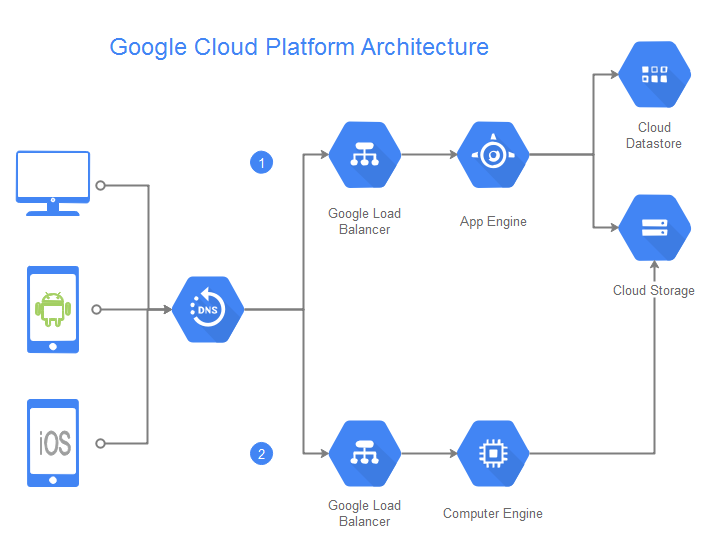
Google Cloud Platform is renowned for its cutting-edge AI and machine learning capabilities, making it a top choice for tech-savvy businesses and startups. GCP’s infrastructure is built on Google’s global network, ensuring fast and reliable performance for users worldwide. It’s particularly strong in data analytics, big data processing, and AI-driven applications, which is why it’s a favorite among data scientists and companies leveraging Google’s ecosystem. GCP’s focus on sustainability and cost efficiency also sets it apart, offering innovative solutions like Google’s carbon-neutral commitments.
- AI and Machine Learning: GCP provides leading AI tools like TensorFlow, Vertex AI, and AutoML, enabling businesses to develop advanced AI models with ease.
- Big Data and Analytics: Services like BigQuery, Dataflow, and Dataproc offer powerful tools for processing and analyzing large datasets efficiently.
- Global Network: GCP’s infrastructure spans over 30 regions and 100+ data centers, ensuring low-latency access and high availability for global users.
- Cost Efficiency: GCP offers committed-use discounts and flexible pricing models, helping businesses optimize costs for long-term projects.
- Sustainability Initiatives: Google Cloud is committed to carbon-neutral operations, providing tools and resources to help businesses reduce their environmental impact.
4. DigitalOcean
DigitalOcean is a popular choice for developers and small to medium-sized businesses looking for affordable, easy-to-use cloud hosting. Known for its simplicity and user-friendly interface, DigitalOcean offers a range of services, including droplet-based virtual servers, object storage, and managed databases. Its focus on simplicity and reliability makes it ideal for startups and developers who need a hassle-free cloud experience without complex management. DigitalOcean’s pricing is transparent and competitive, making it accessible for those on a budget.
- Droplets (Virtual Servers): DigitalOcean’s droplets provide flexible, scalable virtual servers with easy management through their dashboard.
- Object Storage: DigitalOcean Drop offers scalable and cost-effective object storage solutions for storing large files and media.
- Managed Databases: Managed MySQL and MongoDB databases simplify database management, reducing the need for manual setup and maintenance.
- Global Network: With data centers in multiple regions, DigitalOcean ensures low-latency performance for users worldwide.
- Affordable Pricing: DigitalOcean’s pricing is transparent and designed to be budget-friendly, with no hidden fees for basic plans.
5. Vercel
Vercel is a modern cloud platform specialized in hosting and deploying web applications, particularly those built with frameworks like Next.js. It’s designed for developers who prioritize speed, performance, and ease of use. Vercel’s edge network ensures fast global delivery, making it ideal for high-performance websites and applications. Its serverless architecture and seamless integration with popular tools like GitHub make it a favorite among developers looking to deploy applications quickly and efficiently. Vercel’s focus on developer experience sets it apart, offering tools like automatic HTTPS and built-in caching.
- Edge Network: Vercel’s global edge network delivers content with minimal latency, improving user experience for fast-loading websites.
- Serverless Architecture: Vercel supports serverless functions, allowing developers to run code without managing servers, reducing operational overhead.
- GitHub Integration: Seamless integration with GitHub enables automatic deployments from code commits, streamlining the development workflow.
- Performance Optimization: Vercel offers built-in caching, automatic HTTPS, and performance monitoring to ensure high-speed, reliable hosting.
- Developer-Friendly Tools: Vercel provides tools like Next.js deployment, automatic environment variables, and easy scaling for developers.
6. Linode
Linode is a cloud hosting provider known for its reliability, performance, and simplicity. It offers a range of services, including dedicated servers, managed cloud instances, and object storage. Linode is ideal for developers and businesses that need a balance of performance and cost-efficiency without the complexity of larger cloud providers. Its focus on transparency and customer support makes it a trusted choice for those seeking a reliable cloud experience. Linode’s pricing is straightforward, with no hidden fees, and its global network ensures low-latency access for users worldwide.
- Managed Cloud Instances: Linode’s managed cloud instances provide flexible, scalable virtual servers with easy management through their dashboard.
- Dedicated Servers: Linode offers dedicated servers for businesses requiring full control and high performance without shared resources.
- Object Storage: Linode’s object storage solutions are scalable and cost-effective, ideal for storing large files and media.
- Global Network: With data centers in multiple regions, Linode ensures low-latency performance for users globally.
- Transparent Pricing: Linode’s pricing is transparent, with no hidden fees, making it accessible for businesses of all sizes.
7. Hetzner Cloud
Hetzner Cloud is a European cloud hosting provider known for its affordability, reliability, and strong performance. It offers a range of services, including virtual private servers, managed cloud instances, and object storage. Hetzner Cloud is ideal for businesses and developers looking for a cost-effective solution without compromising on quality. Its focus on simplicity and transparency makes it a popular choice for those seeking a hassle-free cloud experience. Hetzner Cloud’s global network ensures low-latency performance, and its pricing is designed to be budget-friendly without sacrificing reliability.
- Virtual Private Servers: Hetzner Cloud’s virtual private servers provide dedicated resources with full control over configurations.
- Managed Cloud Instances: Managed cloud instances offer scalable virtual servers with easy management through their dashboard.
- Object Storage: Hetzner Cloud’s object storage solutions are scalable and cost-effective, ideal for storing large files and media.
- Global Network: With data centers in multiple regions, Hetzner Cloud ensures low-latency performance for users worldwide.
- Affordable Pricing: Hetzner Cloud’s pricing is transparent and designed to be budget-friendly, with no hidden fees for basic plans.
8. Cloudways
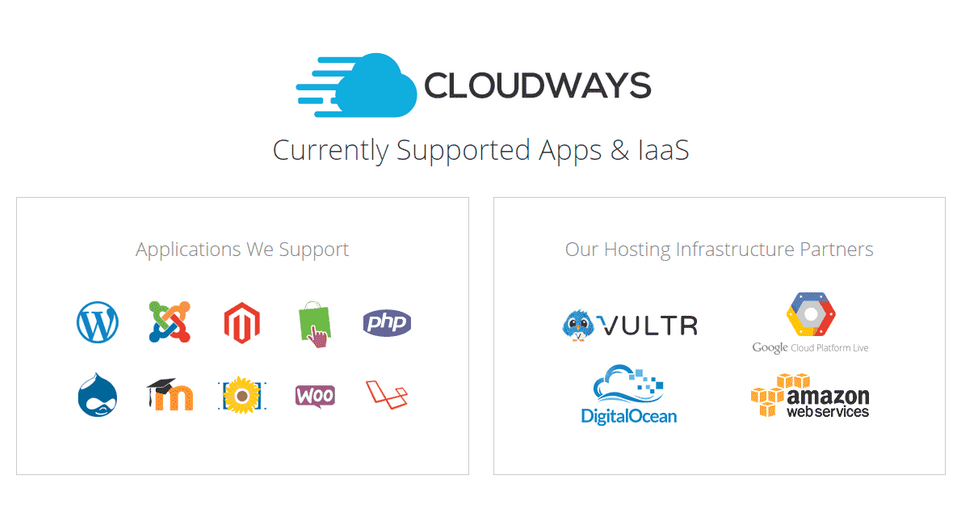
Cloudways is a managed cloud hosting platform that simplifies the process of deploying and managing cloud applications. It integrates with major cloud providers like AWS, DigitalOcean, Vultr, and Google Cloud, offering a seamless experience for developers and businesses. Cloudways is ideal for those who want a managed solution without the complexity of setting up and configuring their own cloud infrastructure. Its focus on performance, security, and ease of use makes it a top choice for startups and enterprises looking for a hassle-free cloud hosting experience. Cloudways also provides advanced features like caching, CDN integration, and automated backups, ensuring high performance and reliability.
- Multi-Cloud Support: Cloudways supports multiple cloud providers, allowing users to choose the best infrastructure for their needs.
- Managed Hosting: Cloudways provides fully managed hosting, reducing the need for manual setup and maintenance.
- Performance Optimization: Advanced features like caching, CDN integration, and automated backups ensure high performance and reliability.
- Security Features: Cloudways offers robust security measures, including DDoS protection, SSL certificates, and regular security audits.
- User-Friendly Dashboard: The intuitive dashboard makes it easy to manage applications, monitor performance, and scale resources.
9. InfinityFree

InfinityFree is a free cloud hosting provider designed for individuals and small businesses looking for a budget-friendly solution. It offers free hosting for websites, blogs, and applications, making it an excellent option for those with limited budgets. InfinityFree provides basic cloud hosting services, including shared hosting, MySQL databases, and FTP access. While it may not offer the same level of performance or scalability as premium providers, it’s a great starting point for beginners or those testing the waters in cloud hosting. InfinityFree’s simplicity and affordability make it accessible to a wide range of users, though it’s important to note that it may not meet the needs of high-traffic or resource-intensive applications.
- Free Hosting: InfinityFree offers free hosting for websites, blogs, and applications, making it ideal for budget-conscious users.
- Shared Hosting: Users can host multiple websites on shared servers, providing basic resources and support.
- MySQL Databases: InfinityFree includes MySQL databases for storing and managing website data.
- FTP Access: Users have access to FTP access for uploading and managing website files.
- Basic Support: InfinityFree provides basic customer support, though response times may vary.
10. Oracle Cloud Infrastructure (OCI)
Oracle Cloud Infrastructure is a comprehensive cloud platform designed for enterprises and organizations requiring advanced scalability, security, and performance. It integrates with Oracle’s enterprise software suite, making it a powerful choice for businesses already using Oracle databases, middleware, and applications. OCI offers a wide range of services, including compute, storage, networking, and AI/ML capabilities. Its focus on high availability, disaster recovery, and compliance ensures that businesses can rely on a robust and secure cloud environment. OCI is particularly well-suited for large-scale applications and those requiring deep integration with Oracle’s ecosystem.
- Enterprise-Grade Services: OCI provides advanced services like Oracle Autonomous Database, AI/ML tools, and enterprise-grade networking.
- High Availability and Disaster Recovery: OCI ensures high availability and robust disaster recovery solutions for critical applications.
- Global Reach: With data centers in multiple regions, OCI ensures low-latency performance and high reliability for global users.
- Security and Compliance: OCI offers advanced security features, including identity and access management, encryption, and compliance certifications for industries like finance and healthcare.
- Scalability and Performance: OCI provides scalable resources and high-performance computing options, ideal for large-scale applications.
Frequently Asked Questions
What factors should I consider when choosing a cloud hosting provider?
When selecting a cloud hosting provider, consider factors like scalability, performance, security, pricing, and the specific needs of your applications. Ensure the provider offers the features you require, such as managed services, global network coverage, and compliance certifications. Additionally, evaluate the ease of use, customer support, and any free trials or tiers available to help you make an informed decision.
How do I determine if a cloud hosting provider is right for my business?
Assess your business needs, such as the size of your team, the type of applications you run, and your budget. If you need advanced AI/ML capabilities, providers like AWS or GCP may be ideal. For smaller teams or startups, simpler providers like DigitalOcean or Linode could be more suitable. Consider the provider’s reputation, customer reviews, and any free resources or tutorials they offer to ensure a good fit.
What are the key differences between public, private, and hybrid cloud hosting?
Public cloud hosting uses shared infrastructure across multiple tenants, offering cost efficiency and scalability but with less control. Private cloud hosting provides dedicated resources for a single organization, offering higher security and performance but at a higher cost. Hybrid cloud combines public and private clouds, allowing businesses to leverage the best of both worlds by running some workloads in the public cloud and others in a private environment.
How can I optimize my cloud hosting costs?
To optimize cloud hosting costs, use reserved instances or committed-use discounts where available, monitor resource usage with tools like AWS Cost Explorer or Azure Cost Management, and right-size your resources to avoid over-provisioning. Additionally, leverage serverless architectures for variable workloads, and regularly review and terminate unused resources to reduce costs.
Is it safe to host sensitive data on a cloud hosting provider?
Most reputable cloud hosting providers offer advanced security features, including encryption, identity and access management, and compliance certifications. However, the safety of your data depends on the provider’s security measures, your configuration, and the data you store. Always choose a provider with strong security protocols and ensure you follow best practices for data protection, such as regular backups and access controls.
What should I look for in a cloud hosting provider’s customer support?
Look for a provider that offers 24/7 customer support through multiple channels, such as phone, email, and live chat. Check the provider’s response times, reputation for resolving issues quickly, and the availability of documentation and community forums. Good customer support ensures you can get help promptly when needed, especially during critical outages or performance issues.
Can I migrate my existing website or application to a new cloud hosting provider?
Yes, most cloud hosting providers offer migration tools and services to help you transfer your website or application. These tools often include automated migration scripts, detailed documentation, and support from the provider’s team. It’s important to plan your migration carefully, test it thoroughly, and ensure minimal downtime to avoid disruptions.